Writing
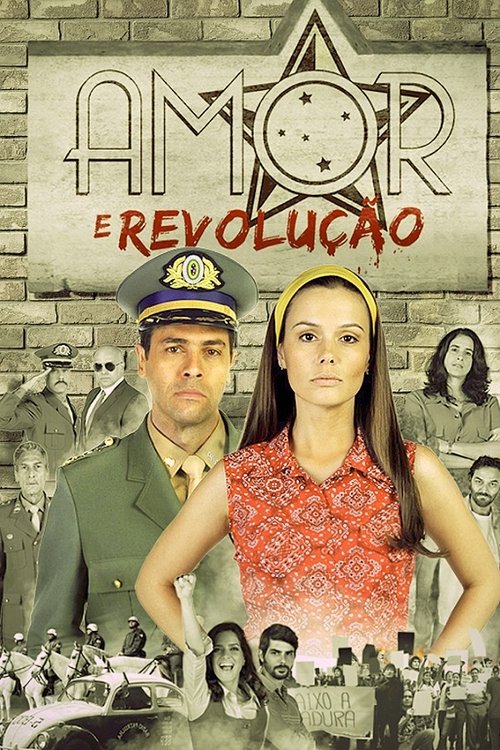
Amor e Revolução is a Brazilian telenovela produced by SBT and originally broadcast from April 5, 2011, to January 13, 2012. Created by Tiago Santiago, with collaboration from Renata Dias Gomes, Miguel Paiva, and Eliana Garcia, and directed by Reynaldo Boury, the telenovela stars Graziella Schmitt, Cláudio Lins, and Lúcia Veríssimo. The production was the first Brazilian telenovela to portray the period of the military dictatorship as its main theme. Set between the 1960s and 1970s, the story follows Maria Paixão, a young woman involved in the armed resistance against the military regime, and José Guerra, a military officer who secretly opposes the government's actions. Despite being on opposite sides of the political conflict, they fall in love and face persecution, violence, ideological disagreements, and personal tragedies while fighting for their ideals and their relationship during one of the most turbulent periods in Brazilian history.
Uma Rosa com Amor is a Brazilian telenovela produced and broadcast by SBT from March 1 to August 16, 2010. It is a remake of the 1972 telenovela of the same name originally produced by TV Globo, created by Vicente Sesso. Adapted by Tiago Santiago, with collaboration from Renata Dias Gomes, Miguel Paiva, Maria Cláudia Oliveira, and Solange Castro Neves, and directed by Del Rangel and Luiz Antônio Piá, the telenovela stars Carla Marins, Cláudio Lins, Jussara Freire, Edney Giovenazzi, and Betty Faria. The story follows Serafina Rosa Petroni, a humble and romantic secretary who dreams of finding true love. After entering into a marriage of convenience with Claude Antoine, a French businessman, to help him solve his problems with Brazilian bureaucracy, the two begin a complicated relationship. Between misunderstandings, family conflicts, secrets, and differences in social background, they discover that a relationship built on an agreement can turn into genuine love.
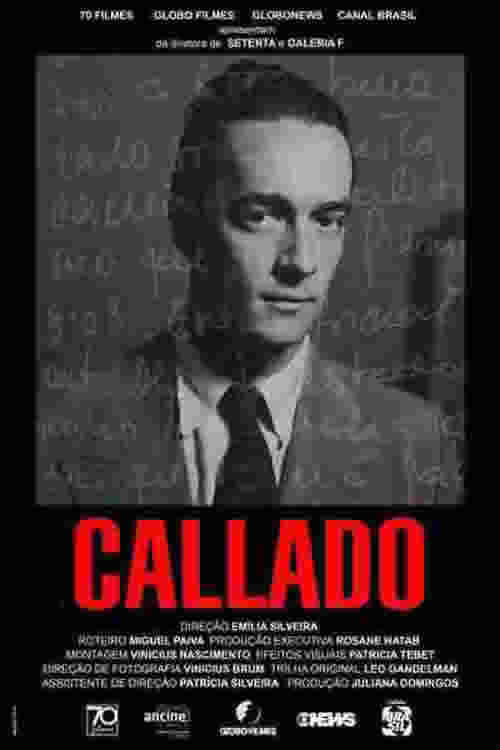
A celebration of the centenary of the writer, journalist and democracy activist Antonio Callado. The documentary describes the life story and works of this writer who always sought to understand Brazil. In the early days, he believed in the myth of a country focused on its origins, on the Indians and the fight for freedom. Afterwards, he recognized that he had lived a useless passion and became disenchanted. But his work has the characteristics of a continuous account of the struggles of the common man, in search of love and a better life.
No description available.
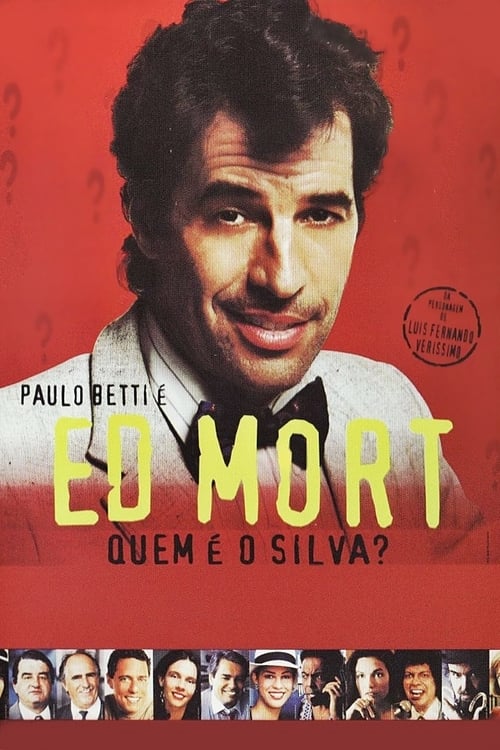
A detective is hired by a mysterious woman to find her missing husband, a master of disguises, and important industry executive.
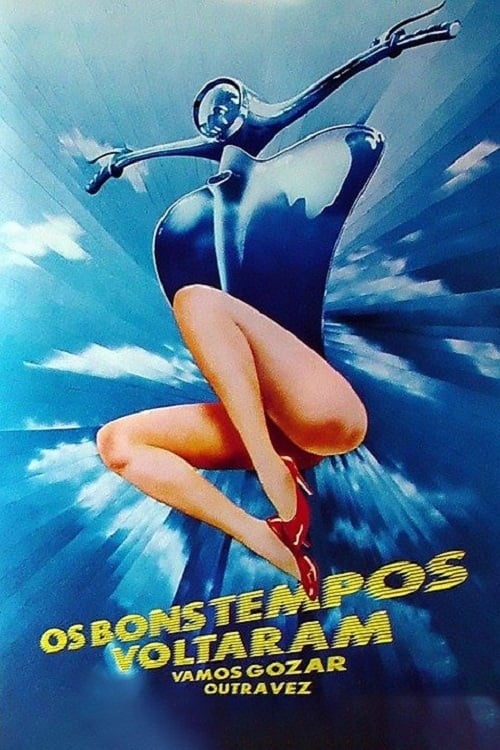
Two stories chronicle the days of the bohemian, libertine youth of 1960s Rio de Janeiro.
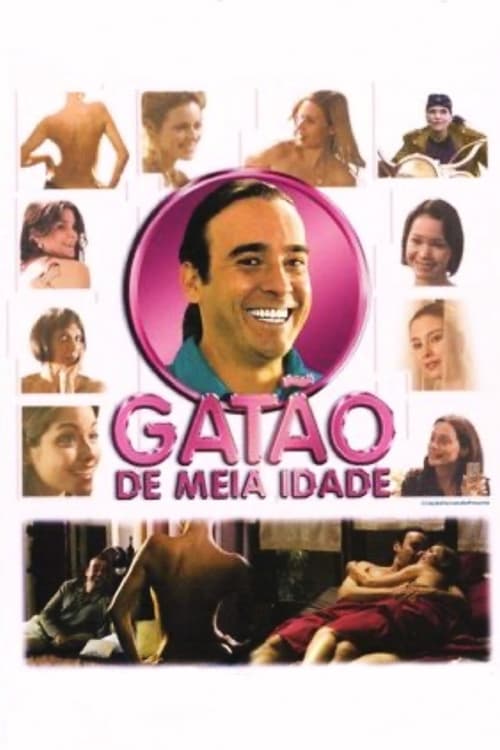
Forty-year-old Cláudio is always looking for a romantic relationship. His routine changes when he has to take care of his 12-year-old daughter: women no longer look at him and the conquest tactics have no effect.
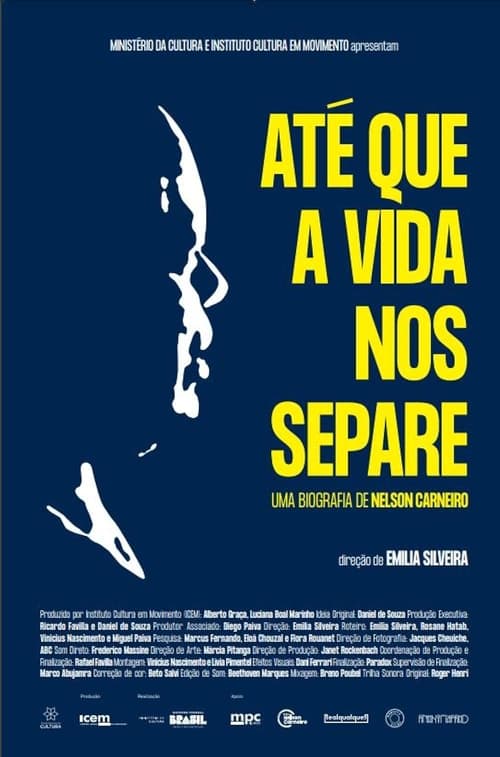
In 2018, Brazil’s 1988 Constitution turned thirty. Known as the Citizen Constitution, it was a landmark in the history of Brazil, the outcome of across-the-board engagement of society in its preparation. In Congress, the parliamentarians best known for their involvement in this initiative were names that are still familiar today in Brazil’s political history: Ulysses Guimarães, Teotônio Vilela, Tancredo Neves and Nelson Carneiro.
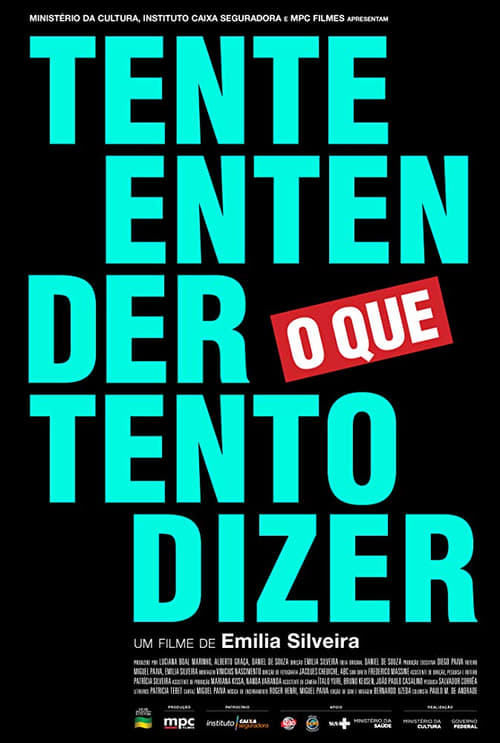
The film portrays the power of the collective that transforms people marked by the barriers imposed by HIV and follows six HIV-positive characters in different social contexts.