Acting
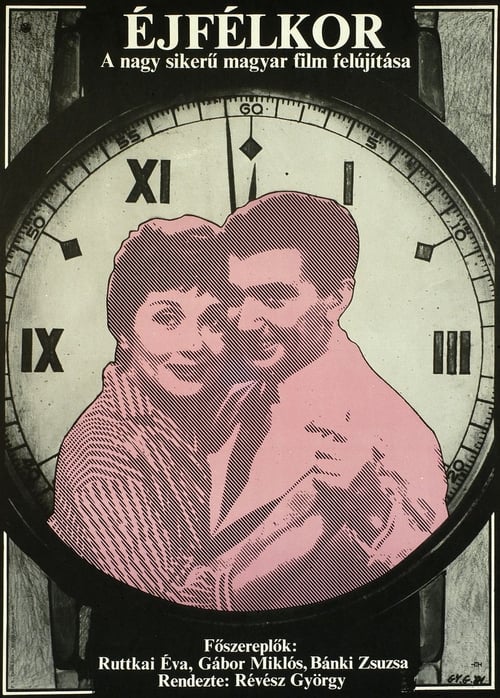
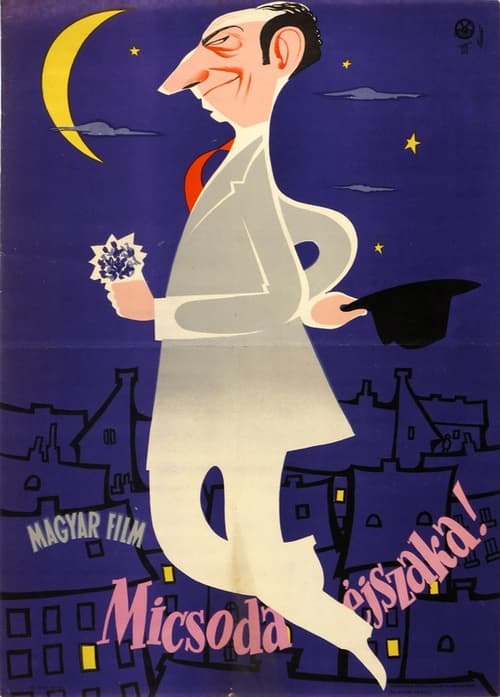
On New Year's Eve in 1956 the artist couple, the actor János and the dancer Viki are hastily packing. While they are waiting for the car, which is to take them across the border, their entire life is replayed in front of their eyes.
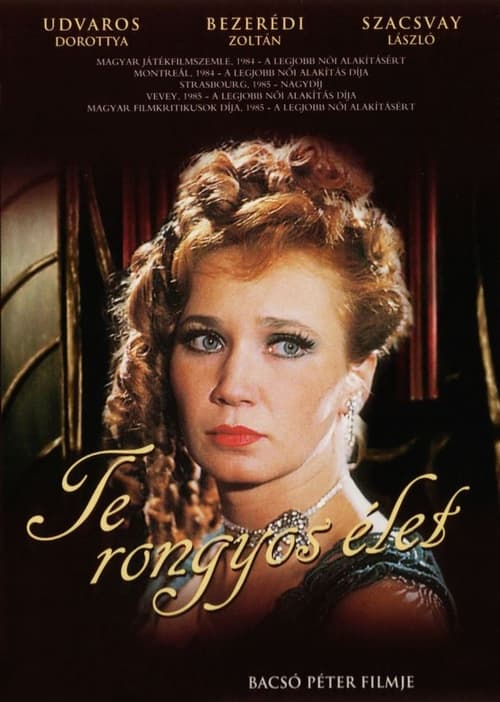
The Hungarian Oh, Bloody Life reflects on the heavy emotional toll taken by the repressive Stalin regime. Dorotya Udvaros plays a young actress from a high-born family. The government bias against persons of wealth threatens to destroy her career before it begins. As a final blow, she is threatened with deportation. The exasperation inherent in the film's title is only the tip of the iceberg.
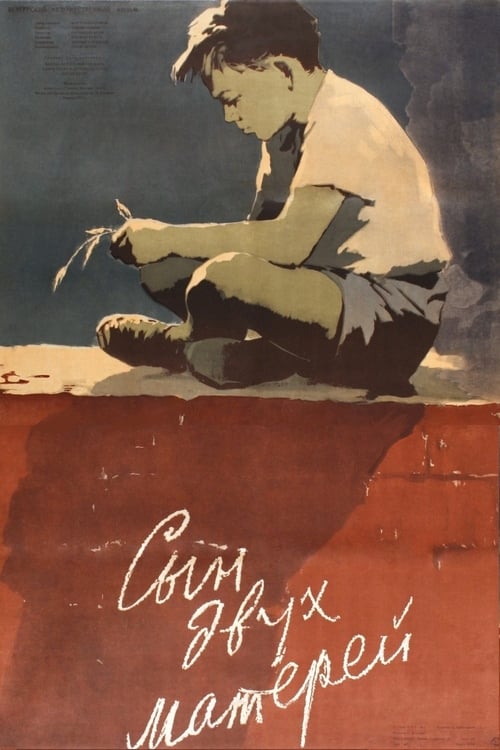
Dani, the few-month-old little boy born outside marriage is left by Eszter in the lap of her companion on the train. The widowed Aranka takes him willingly to her. The child is already ten years old and has a good life with Aranka. Then Géza enters their life and he does not welcome the child of someone else.
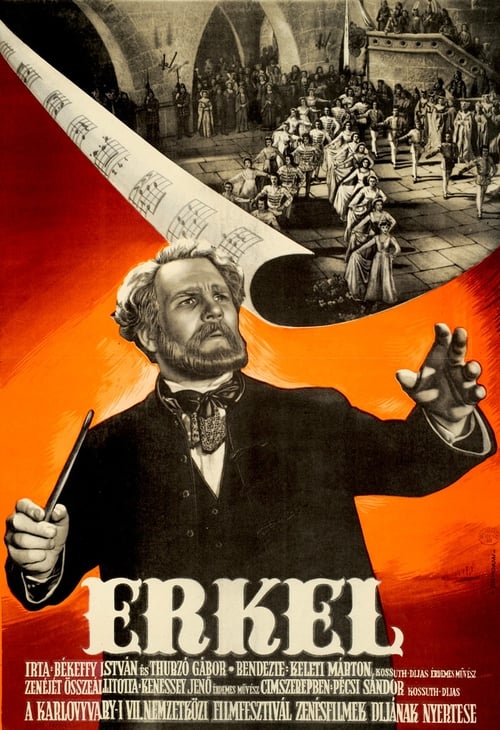
We have linguists, we have literary men, we have newspapers, actors, musicians, but we have no national opera!", lamented the champions of national revival in the middle of the last century. Hungarian music culture at home is limited to the performance of works by foreign composers. And the public demands Hungarian opera, and such a challenge is not easy to meet. So let's see who is up to the task!
Antal Tőrös, teacher of mathematics, does not like and trust people. No wonder he is not liked by anybody, either. Only his colleague, Klára takes a liking to him. Tőrös is in love with her, and to prove this, he tries to forget about his previous life-philosophy.
No description available.
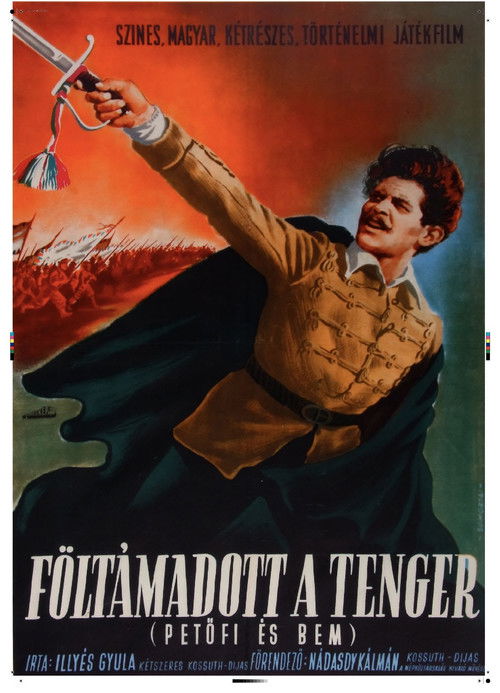
March 15, 1848; the revolution breaks out in the town of Pest. Yet at café Pilvax, in among he revolutionary youth, there is the informer of the imperial court as well. Hearing the news of the attack led by Jellasics, the inhabitants of the villages pour into the national army, and Hajdú Gyurka also escapes from his landlord. Petőfi is there at the camp of the revolutionaries, raising them to enthusiasm with his poetry.
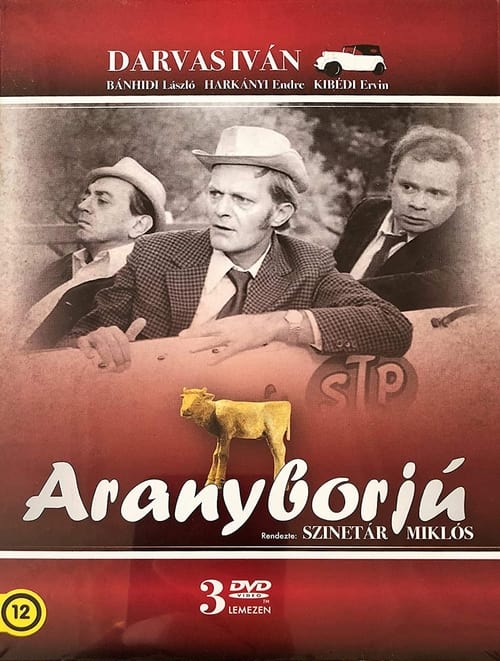
In modern Hungary, con artist Bender Oszkár and his motley crew - Barangó and a band of small-time schemers - embark on a series of outrageous scams to track down an “illegal” millionaire and seize ten million for themselves. As they exploit every trick in the book - fake charities, crooked roulette tables, forged documents - their madcap pursuit of easy riches exposes the absurdities and corruptions of contemporary life, with Bender’s fate hanging on whether his “great maneuver” will pay off or blow up in his face.