Dianna Barrie
Directing
Biography
Dianna Barrie (Australia; b. 1972, Melbourne) found her way into filmmaking as a middle ground between the pursuit of abstract music and philosophy, both of which she has studied formally at the postgraduate level. Ever pushing the limits of the hand processing of Super-8mm led to the establishment of Nanolab with Richard Tuohy in 2006. Dianna's film work could perhaps be characterised as "direct chemical" filmmaking. In 2012, Dianna helped establish Artist Film Workshop, where celluloid is embraced and advocated by a community of practitioners in Melbourne. As a notable figure in the international artist-run film labs movement, she and her partner spend a significant amount of time each year touring their joint film programs and conducting workshops and masterclasses in hand-made film practice. Dianna was also a founding director of the Australian International Experimental Film Festival.
Known For

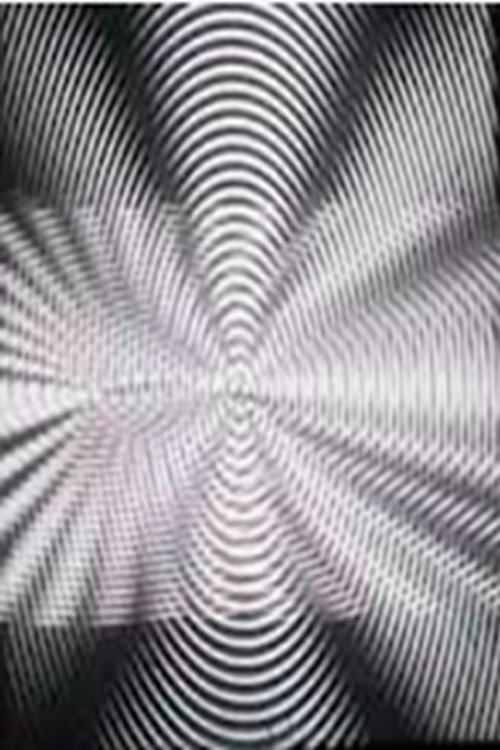
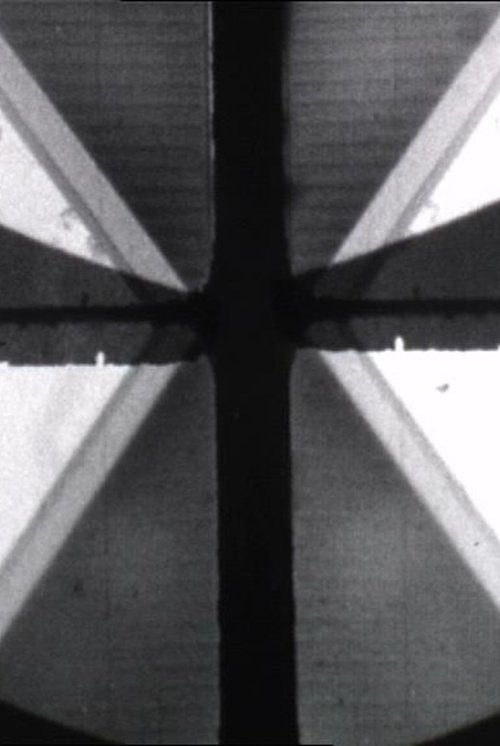
Film performance with three 16mm projectors. Lines change size and frequency as the camera zooms closer and pulls further away. From these lines, the machine generates sound: the voice of the machine. Into the field of lines emerge the hands of the operators making new patterns of lines.
Inside the Machine

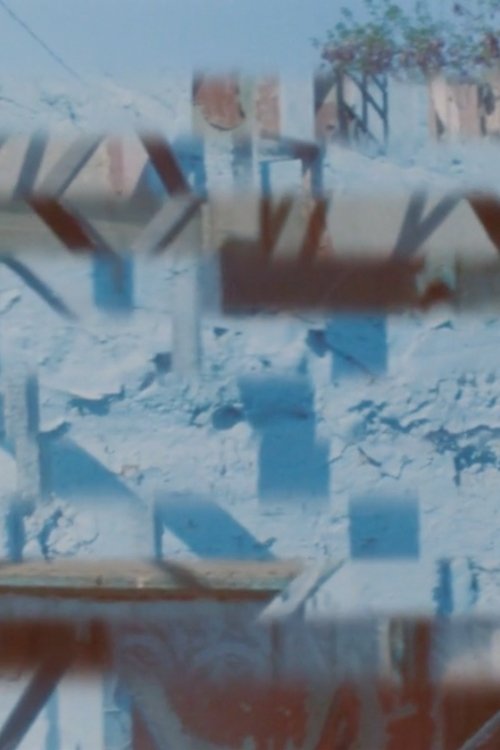
Found in the (now possibly lost) film archive at Lab Laba Laba in Jakarta, footage from a trailer of the 1981 Indonesian propaganda film Kereta Api Terakhir (The Last Train) melts into a soup of chemigrammed perforations. A film about the silence that follows the unspeakable; about blurred visions, untold histories and inaccessible archives.
The Last Train

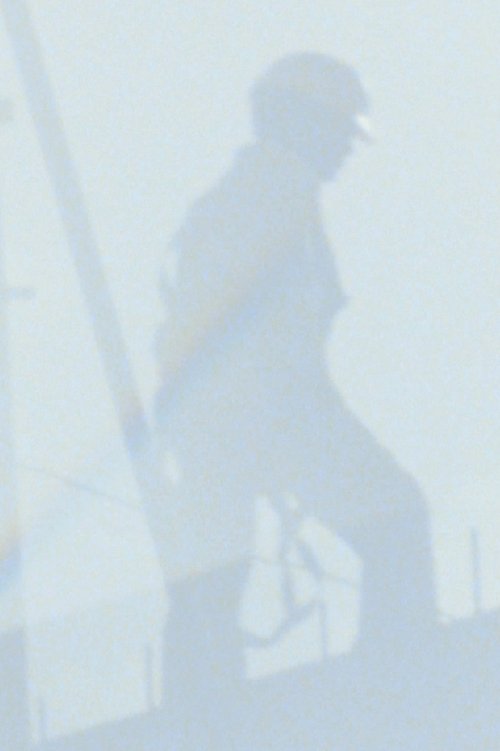
Workers of the word, in yellow vests, building other people's dreams.
Low Visibility

A camera-less portrait of the artist. Super 8 cartridges placed inside a black cotton bag, the film advanced via a hand crank. The tiny gaps in the fabric weave make for dozens (hundreds? thousands?) of tiny pinholes.
Self Portrait with Bag

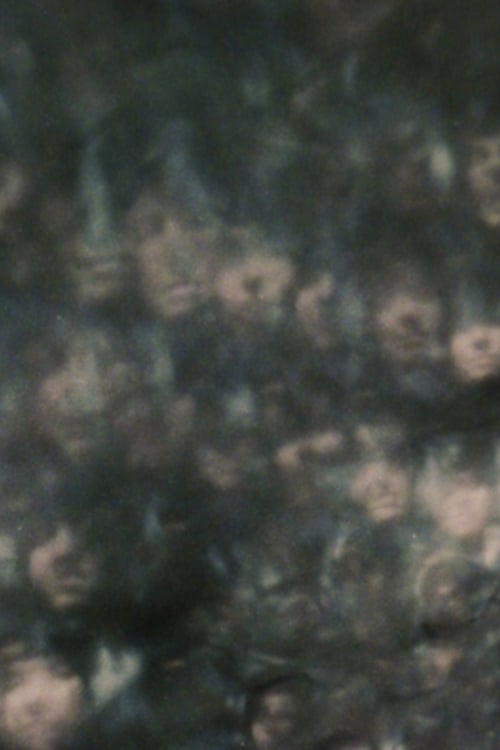
A performer descends the stairs. Direct film mattes frame glimpses of the motion. Phase-looping duplicates the glimpses into a cascade of humanity. A game played with colour separations, motion following hand scratched and painted mattes and a perpetual descending figure.
Nude Descending

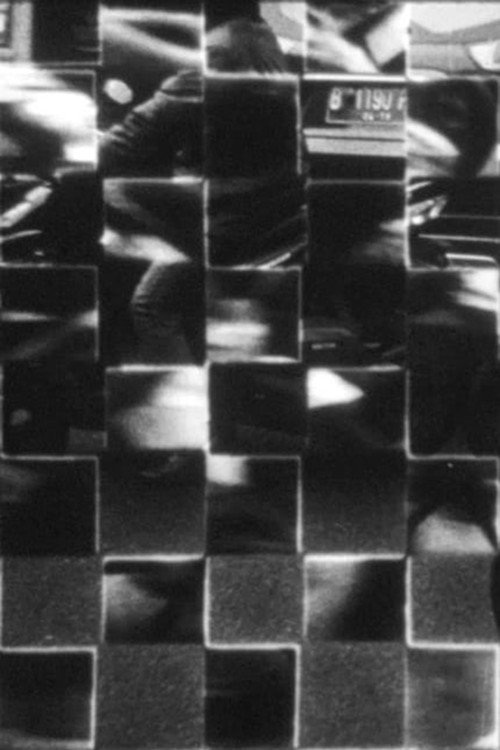
Motorcycles and cars are lost in the sound of traffic and disappear in bands sliced into film footage of Jakarta’s roads. The horizontal and vertical lines or checkerboard patterns emphasizing the density and chaos of the crowded roads were made by optically printing 16mm film.
Pancoran

Barcelona, immediately after the independence referendum. Shot on black and white film stock using a re-invented colour separation technique. Dedicated to the spirit of independence everywhere!
Bus Turning

L, U and X shapes in an inner urban industrial suburb captured on regular 8mm as the old Lux stove factory undergoes conversion into more apartments than the brain can comfortably imagine. The rise and fall of industry, the rise and rise of apartments in a seething, pulsating transition.
LUX

The windswept southernmost point of the Australian mainland as captured with an improvised super 8 camera during a period of zero covid on a 5-day bushwalk in January 2021.
South Point
“Tree ferns filmed and then re-filmed on black and white film are inter-cut to produce a collage of green tinted positive images and green toned negative images. As the ferns’ leaves are pale in dark surroundings, the tinted positive yields green leaves in a black background, and the toned negative green leaves in a white background. Excerpts from Schubert’s Schoene Muellerin lament and laud the colour green by turns.”
Dear/Dread

On Christmas eve in 1974, the city of Darwin was devastated by Cyclone Tracy. In this expanded cinema piece, a single film print, featuring only concentric circles, is bi-packed against itself in two 16mm projectors simultaneously. Through this approach, the quadrupled image of circles is transformed into troubled patterns of pulsating and swirling interference and wailing sounds of tropical violence.
Cyclone Tracery

The evening seemed very disturbing to me, as if the approaching night was something to be feared. It was as if, when night fell, you couldn't escape and had to face unspecified consequences. Maybe the earth will remember and the night will reveal what we could have done...
The Land at Night

Looking at the present, as though the far future were dreaming of its ancient past – an 'iconogenic' vision of Australia.
Kata Tjuṯa, West of Uluru

It is an experimental film in which the best of the structural film tradition merges with an urban symphony. A busy intersection is a plentiful source of the scenes that form a rhythmical unit with its own structure and meaning. The celebration of cinematography in its very own realm of images and sounds!
Intersection

A chronicle filming the journey from the directors' accomodation in Seoul to the Space Cell labs and workshops.
To Cell

Architectural distortions of the second city.
Blue Line Chicago

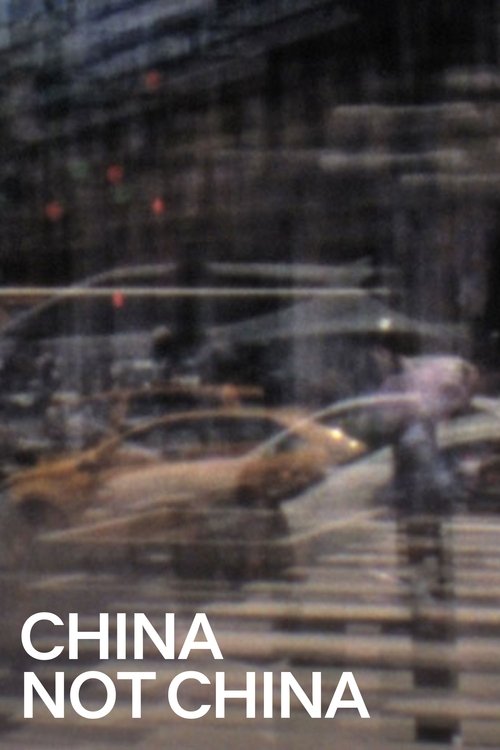
Hong Kong marked twenty years since its hand over; halfway through the planned forty year "one country, two systems" transition. Taiwan, once imperial China, once Formosa, now ROC on the edge of the PRC. Multiple exposures of street scenes distort space and place creating a fluid sense of impermanence and transition, of two states somewhere between China and not China.
China Not China

A blinding beam of light. The piercing sound of ships. Everything—the land, plants, the sky—shouts for attention. Perceptions assail us with their demands to be noticed.
Like a Lighthouse

A city of brick, tin and board, rent by internal tectonics and sliding into the sea.
Valpi

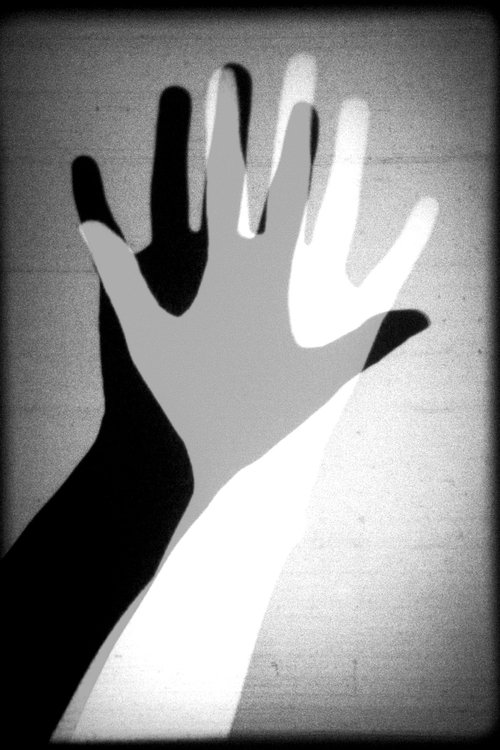
A restless hand, folding and folding onto itself. It makes no sound... and all the sound in the world. In the era of covid, we have become used to making contact only through digital intermediaries. Touching, making hand contact with each other, has taken on new meaning and new unexpected implications. We increasingly reach without touching, and grasp with hands that remain empty, washing away in a digital stream.