Directing
No description available.
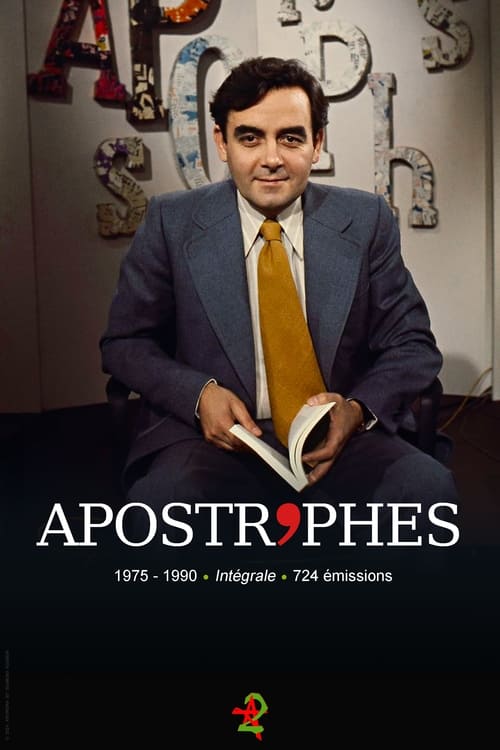
Apostrophes was a live, weekly, literary, prime-time, talk show on French television created and hosted by Bernard Pivot. It ran for fifteen years (724 episodes) from January 10, 1975, to June 22, 1990, and was one of the most watched shows on French television (around 6 million regular viewers). It was broadcast on Friday nights on the channel France 2 (which was called "Antenne 2" from 1975 to 1992). The hourlong show was devoted to books, authors and literature. The format varied between one-on-one interviews with a single author and open discussions between four or five authors.
Based on the true story of acclaimed music icon "Dalida" born in Cairo, who gained celebrity in the 50s, singing in French, Spanish, Arabic, Hebrew, German, Italian, playing in awarded Youssef Chahine's picture "Le Sixième Jour", and who later committed suicide in 1987 in Paris, after selling more than 130 million records worldwide.
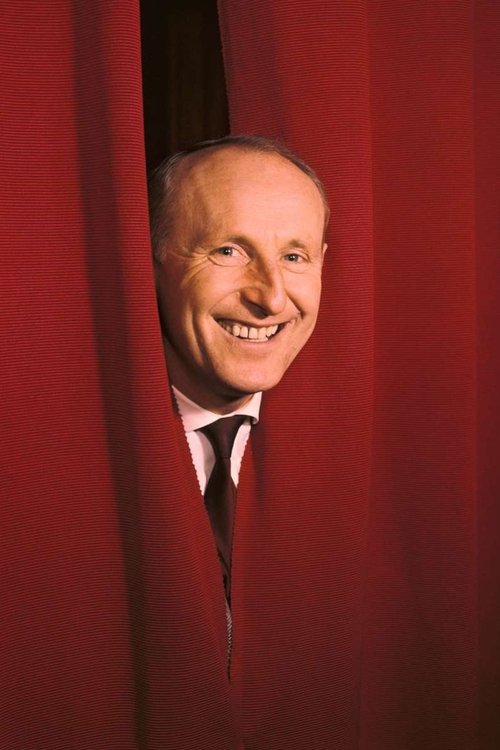
Can you become a star without being a loudmouth? Absolutely, and Bourvil is proof of that. This discreet artist had many talents: he was both an actor and a singer, with equal success and enjoyment. First noticed for his songs and sketches, in which he created the character of the village idiot, he learned through experience the art of creating characters who were naive, certainly, but increasingly subtle. We propose to look back on the all too brief life of this man who was as endearing as he was discreet.
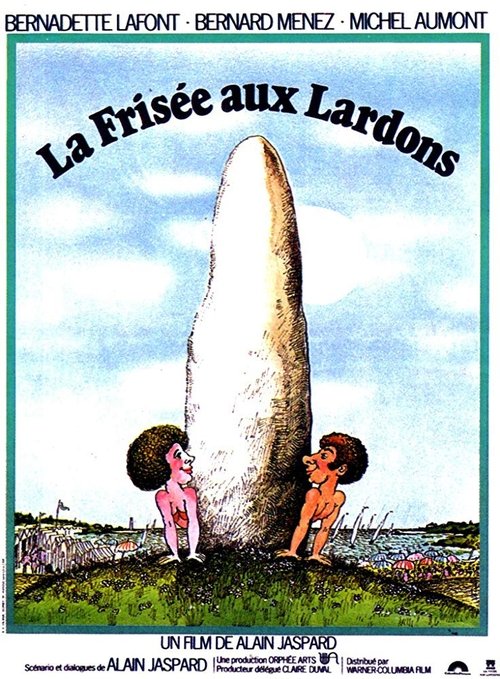
It’s summer in a small port town in Brittany. Isabelle (Pascale Rocard), who has just graduated from high school, comes to join her mother Micheline (Bernadette Lafont). Micheline is being courted by a beach boy, Maurice—whom everyone calls Doudoune (Bernard Menez). Isabelle soon begins a sweet romance with one of his friends, Pascal (Pascal Meynier). Meanwhile, her father (Michel Aumont) has stayed behind in Soissons, where he runs a medical laboratory, and is bored to death. Every weekend, he comes to spend 48 hours with Micheline and sometimes splurges a little extra in Paris, hitting on girls in nightclubs. Efforts that are not crowned with success. On the contrary, in Brittany, that ladies’ man Doudoune gets what he wants... But when the family man comes to join his loved ones, the blunders and misunderstandings multiply...
At the end of the 1950s, four humor specialists simultaneously experienced recognition. Fernandel with “The Cow and the Prisoner”, Bourvil with “The Hunchback”, Jacques Tati with “My Uncle” and Louis de Funès with “Oscar” at the theater. On the big screen or on stage, each of these artists has a unique style of humor. They are the kings of French comedy. But how did they manage to become true box office champions? How did they experience their immense popularity? How do they still influence the comedy genre? And above all, are- are they funny in life? Where is the line between their character in the cinema and their real personality?
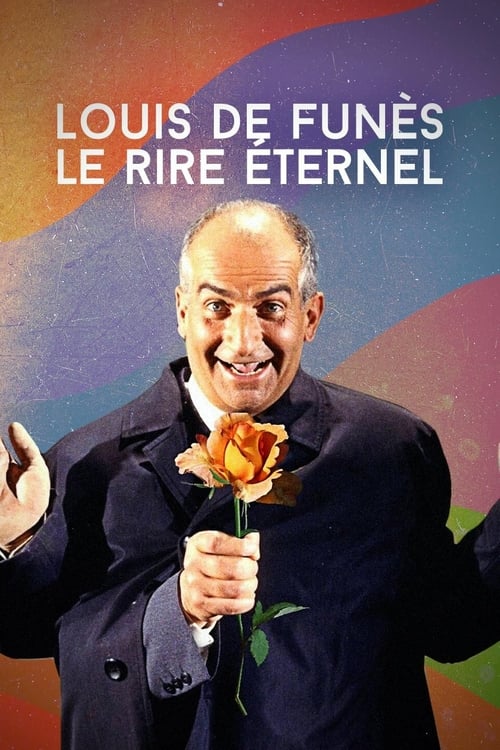
On the occasion of the fortieth anniversary of the death of Louis de Funès, this documentary by Jacques Pessis pays tribute to the cult actor by retracing his career through excerpts of his greatest successes in the cinema and in the music hall, never-before-seen archives, as well as testimonies from personalities and relatives.
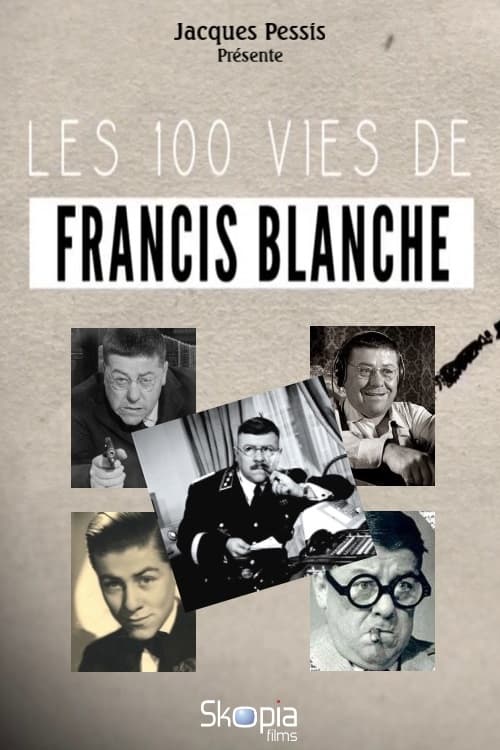
Comedian, actor, author, director and emblematic figure of the French stage and cinema of the 50s and 60s, Francis Blanche liked to change register, moving from radio to writing to television and cinema, living more than "hundred lives".