Albert Kling
Camera
Known For
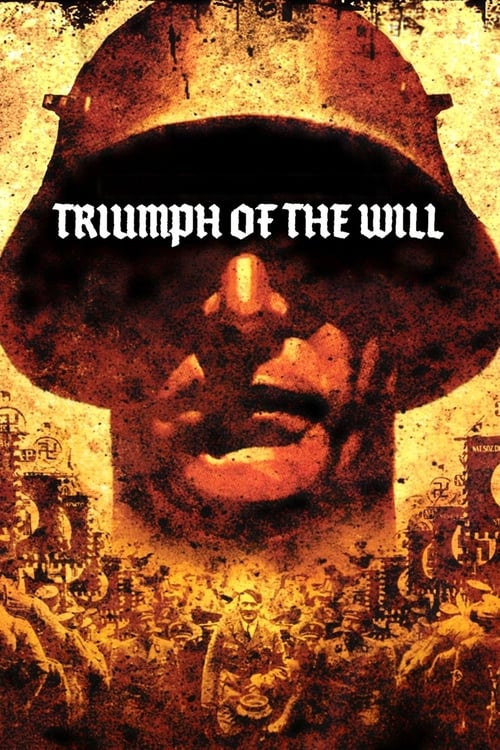
A showcase of German chancellor and Nazi Party leader Adolf Hitler at the 1934 Nuremberg Rally.
Triumph of the Will
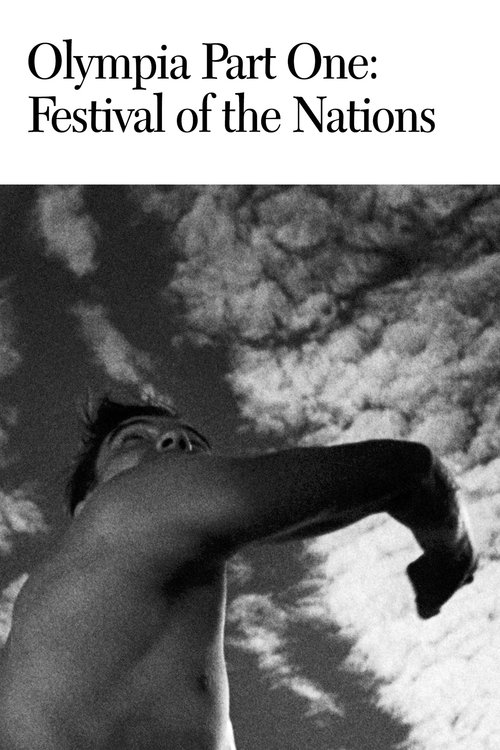
Starting with a long and lyrical overture, evoking the origins of the Olympic Games in ancient Greece, Riefenstahl covers twenty-one athletic events in the first half of this two-part love letter to the human body and spirit, culminating with the marathon, where Jesse Owens became the first track and field athlete to win four gold medals in a single Olympics.
Olympia Part One: Festival of the Nations
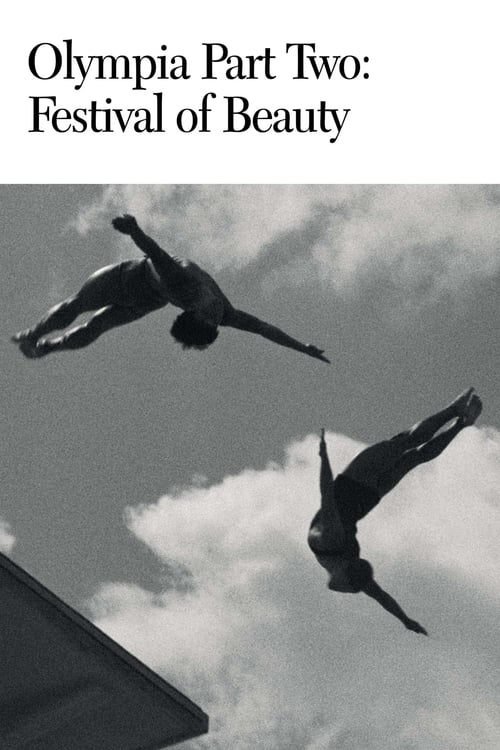
Part two of Leni Riefenstahl's monumental examination of the 1938 Olympic Games, the cameras leave the main stadium and venture into the many halls and fields deployed for such sports as fencing, polo, cycling, and the modern pentathlon, which was won by American Glenn Morris.
Olympia Part Two: Festival of Beauty
No description available.
Mädels von heute
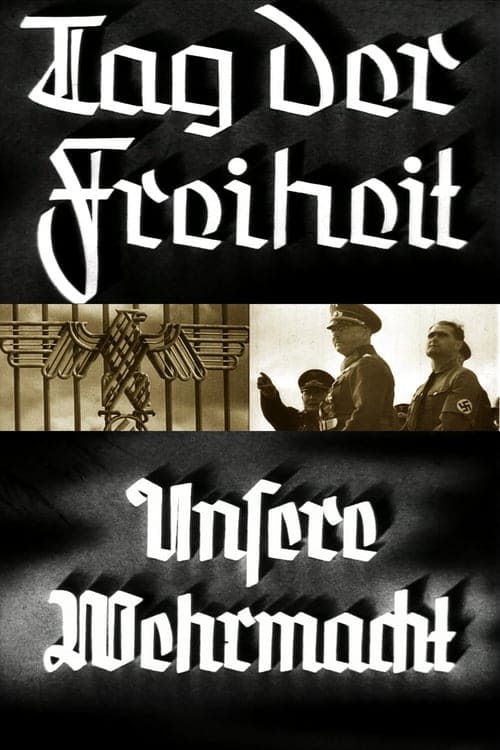
The armed forces of the Third Reich, particularly the German army, are presented as an efficient system of bodies and machines at the seventh Nazi Party Rally that occurred in Nuremberg in 1935.
Day of Freedom
Hans Schilling, who emigrated to Chile shortly before World War 1, comes from Valparaiso to visit his old hometown of Stuttgart after an absence of almost 22 years. His brother Georg Schilling, who stayed in Stuttgart, picks him up at the train station. He proudly shows the homecomer the prospering, Swabian metropolis, followed by impressions of the city's architecture, economy and culture.
Stuttgart, die Großstadt zwischen Wald und Reben
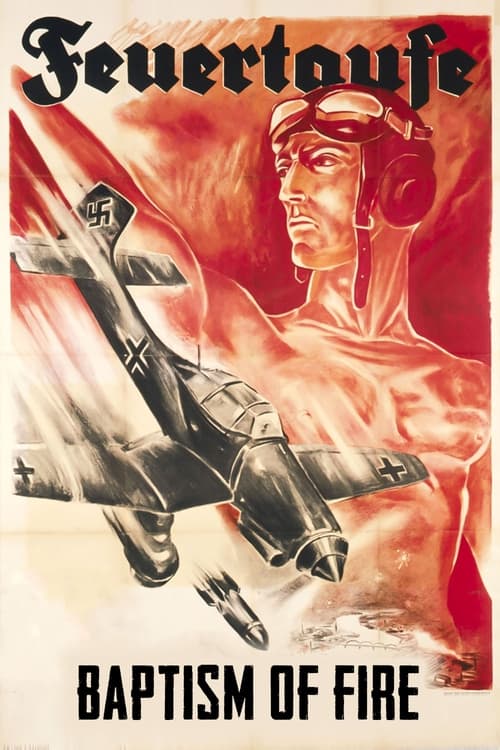
The Legend of the Luftwaffe began in Poland, the first victim of Hitler's blitzkrieg. Combat cameramen filmed the aerial campaign, showing preparations for flight, massive air strikes, and the appalling devastation wreaked upon Polish towns and armies.
Baptism of Fire
Musical short featuring harmonica and the accordion, with a sequence on their manufacture.
Love of the Harmonica
No description available.