Writing
No description available.
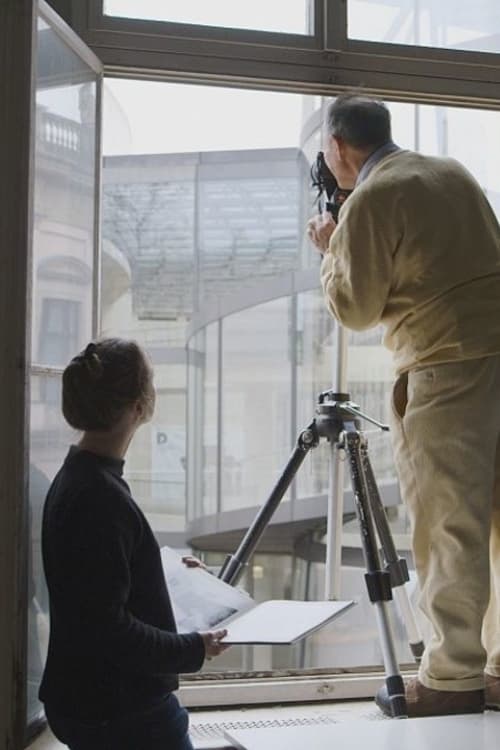
His middle-class demeanour makes him inconspicuous and brings him close to world events. He was the first German to photograph Auschwitz. He became the chronicler of the young FRG and GDR. His iconic pictures of the ‘68 movement shape our perception to this day. He came closer to Beuys than anyone else. He continues to work on series of photographs that he began years ago: the legendary photographer Michael Ruetz.
The Dresden Sinfoniker and Pet Shop Boys prepare for a unique screening of Battleship Potemkin utilising a prefabricated building in what was once East Germany.
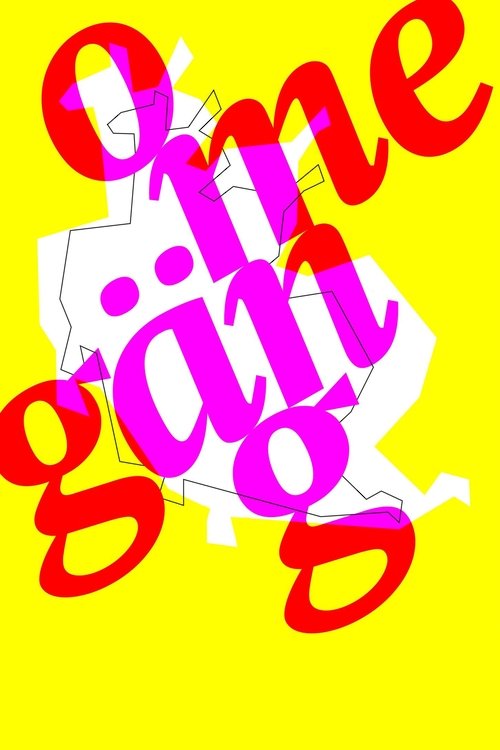
How is our dialect faring in the globalized age? When the "railroad age" began 160 years ago, Switzerland feared that High German would supplant the dialect. The opposite has happened. The dialect persists and continues to blossom.
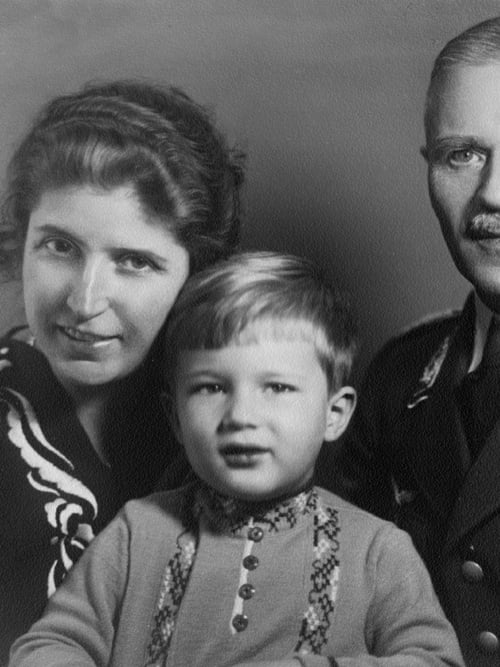
Hans-Dieter Grabe recollects his memories of his experiences in 1945, when he was eight years old and living in Dresden.
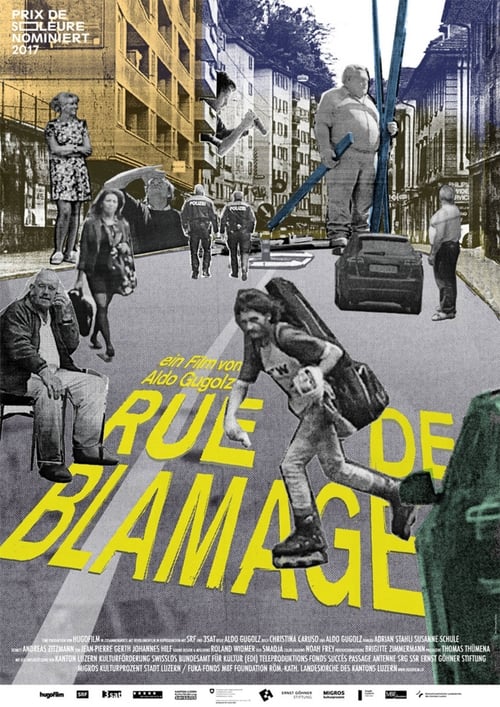
The Baselstrasse is a street in Lucerne. People call it "Rue de Blamage" – it's a noisy street tucked into a narrow space between a hill and a train track. The people who live here don't usually mingle with the rich and famous, but even the roughest haunt can be a home to those who live and work there – and Baselstrasse's two kilometers of asphalt are no different.
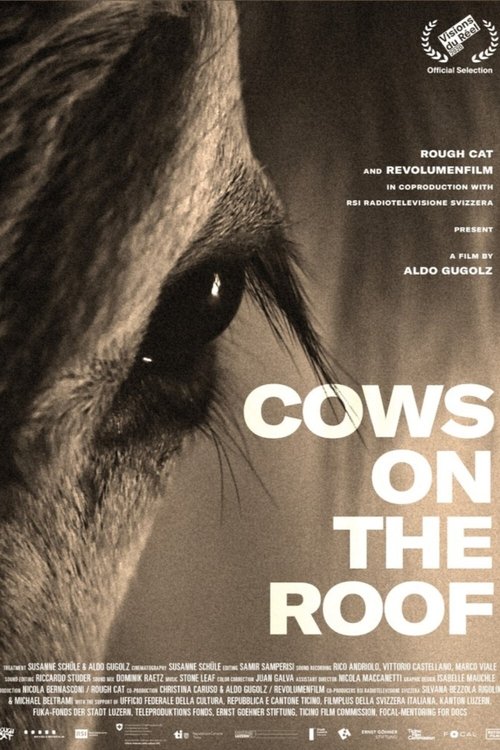
Herdsman Fabiano will be a father soon. He owns fifty goats and eight cows and is trying his best to produce the alpine cheese that his hippie parents made a name for themselves with in the '70s, in an isolated valley of Ticino. But nothing is going the way it should. He's in debt, and feels guilty for a fatal accident which occurred the previous year, which haunts him. How can he and his girlfriend build a life together under such difficult circumstances?
Cornelia Hesse-Honegger has been drawing and painting mutated insects since Chernobyl. Her large-format pictures make the invisible visible. For a long time, she was ridiculed for this. When photos of deformed butterflies from Fukushima went around the world, she felt vindicated. In the laboratory of Japanese biologist Joji Otaki on the island of Okinawa, it became obvious: radiation causes mutations.