Directing
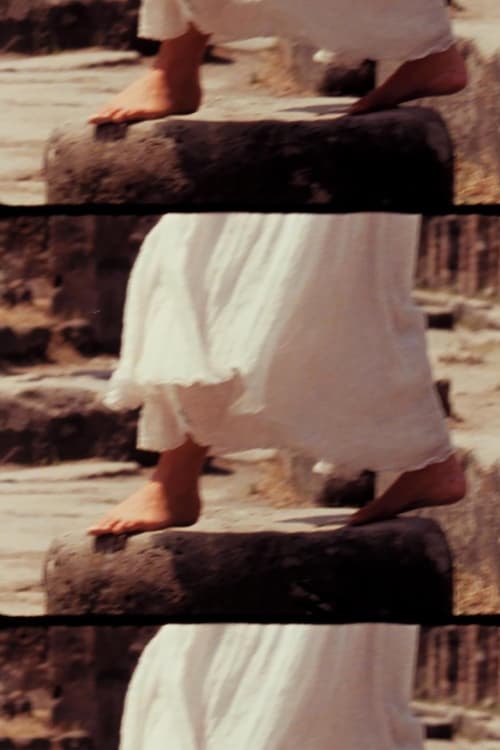
The movie shows a smattering of images from the story of Wilhelm Jensen's Gradiva. The subject is sublimated desire.
“The most culturally mixed of the Tarahumara dances, a hermaphrodite dance says Raymonde. We may have captured a little of Artaud’s vision in the Le rite du peyotl chez les Tarahumaras.” (Régis Hébraud)
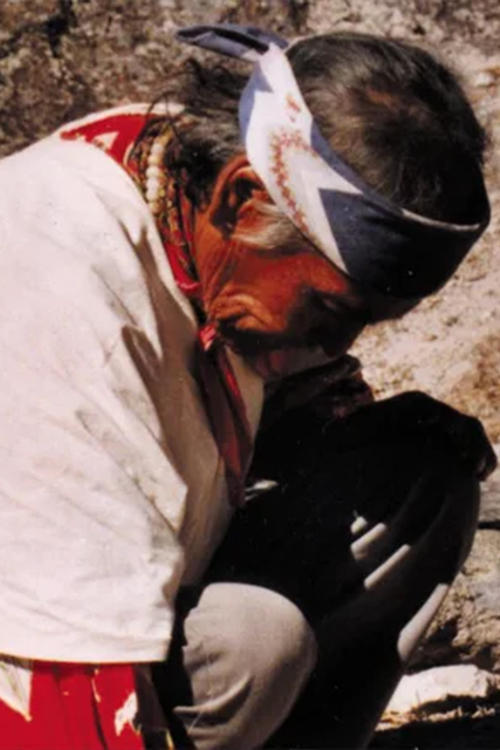
Rites of winter, rites of peyote. A creative documentary based on texts by Antonin Artaud read by Jean Rouch, and the words of the last shaman’s peyote, translated by Raymonde Carasco.
"Erasmo Palma: Matachín dancer, Tarahumaras songwriter, resource for anthropologists, our informer and friend since 1978." (Régis Hebraud)
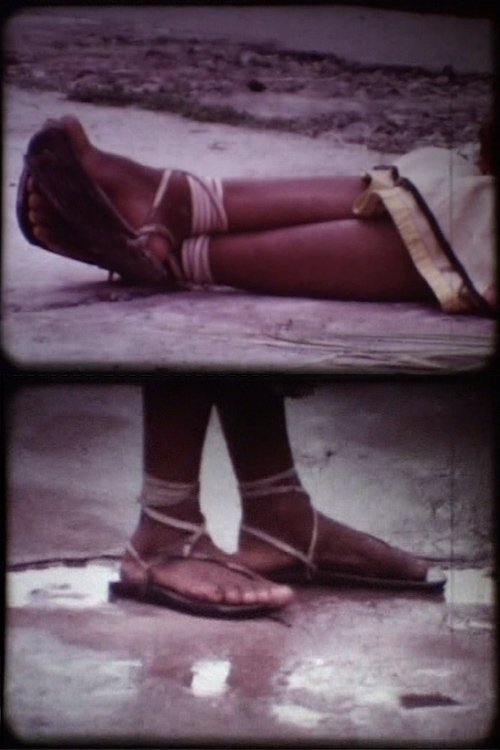
By combining a journey to the locations for Eisenstein’s unfinished opus Que Viva Mexico! with images of an Indian girl walking, Carasco has created a cinematic topos across multiple historical eras. We see figures walking, marching, in motion, as we set out on the trail of a film, and of the Tarahumara – those who run fast.
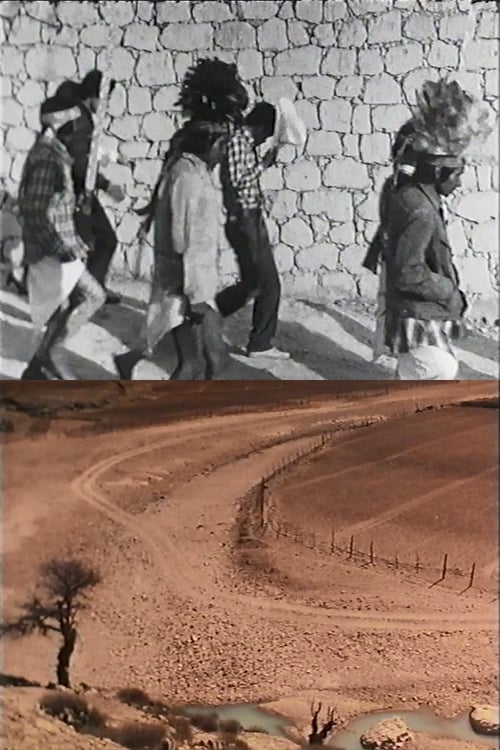
This film was shot during Easter 1985. It shows the preparation and staging of the Passion in the village of Norogachic, Mexico. The initiation rites of two Pascoleros, filmed for the first time, form the center of this document.