Acting
The drama of a young Slovak army officer who gradually realises the horrors of fascism during the fighting in Ukraine. On his return to Slovakia, he joins the SNP. However, he cannot overcome his loner attitude or his doubts about the meaning of partisan activity.
No description available.
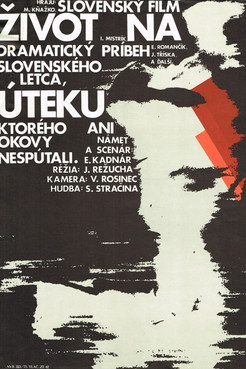
In Slovakia, they often and gladly honored those soldiers who refused to serve the fascist regime and stood against it. Lieutenant Kukorelli also rejected the tempting career of a pilot, instead helping the resistance fighters and later participating in the Slovak National Uprising.
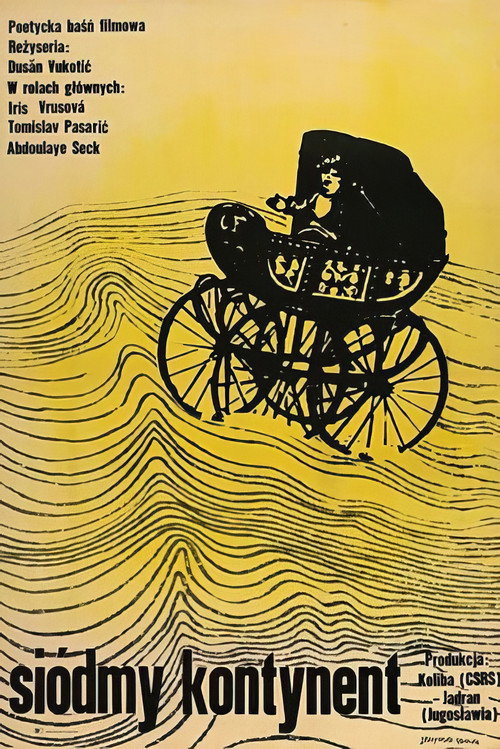
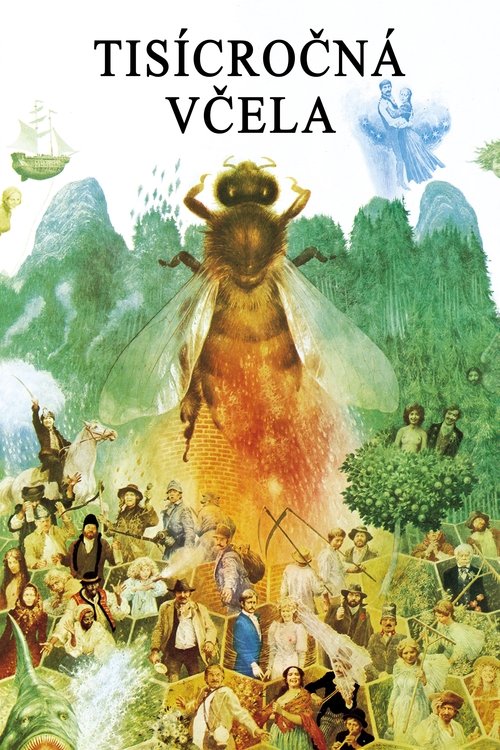
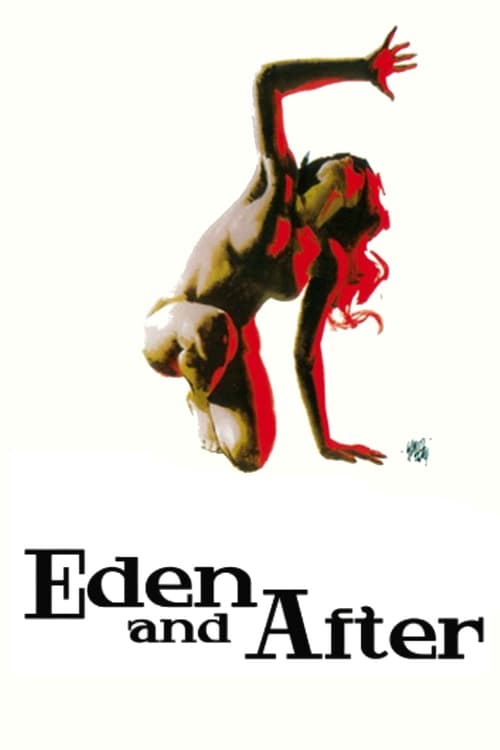
A group of children discover the new continent of the world, uninhabited by adults. Soon, many other children are joining them in that new paradise, leaving their parents and other adults baffled on all remaining continents.
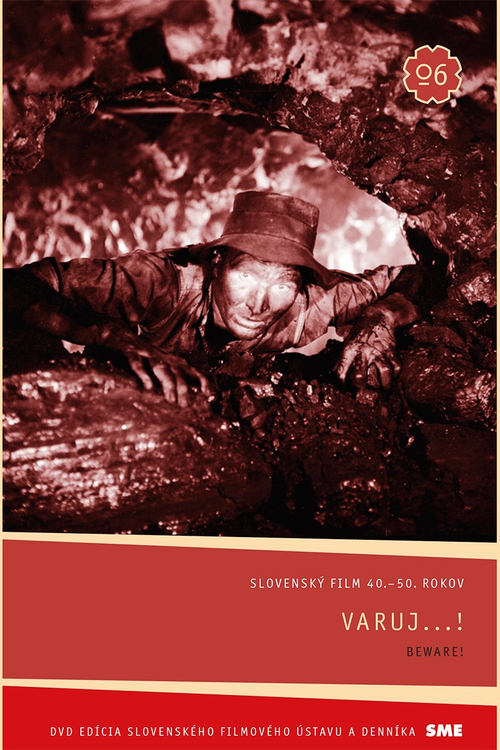
A drama about Slovaks who emigrated before WW I. It is focused on the life of Ondrej Muranica. He emigrates to America because of the hard life that is partly caused by Hungarian landowners. His dreams and hopes for a happier life are destroyed by a disaster in the mines where he works. Ondrej is declared missing.Years later he returns to his home country and finds out his wife married his best friend.
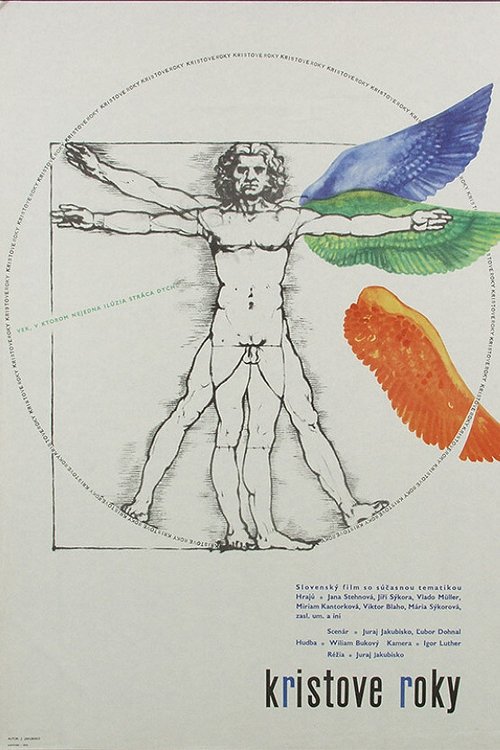
Juraj, a Slovak artist living in Prague, takes stock in his life, realizing that his days pass without purpose. He lives a carefree life. But now he has to choose between two women, between the city and the country, and between creative work and craftsmanship. He has a passion for art but he also has to make a living. Through his relationships with close people, he grows aware of his position and this knowledge helps him to live a more fulfilling and better life.
A family saga taking place mostly in a small Slovak village over a period of thirty years (1887–1917). The first part captures the life of Martin Pichandu in the development of his craft, masonry; in the second part, his son is center stage living in a period of socio-political crisis, which ultimately results in the first World War. After originally airing on Czechoslovakian television in 1983 as a four-part 226-minute mini-series, this production received a 163-minute theatrical release in 1984.
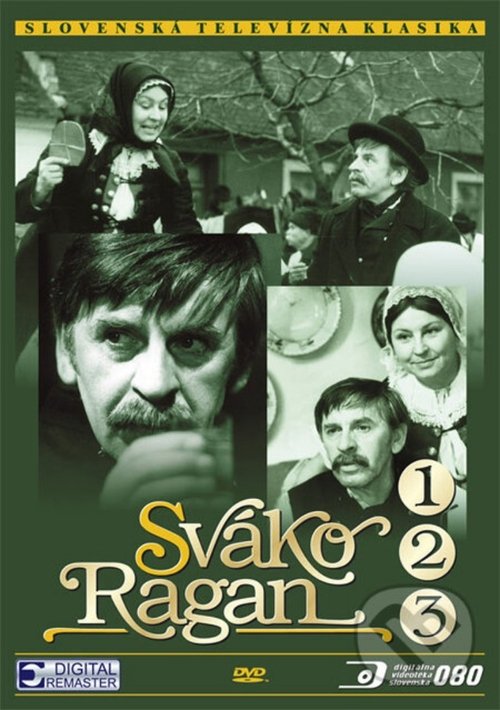
Resourceful tanner Sváko Ragan travels Myjava’s fairs and markets, using wit and dialect to spin both wins and misadventures into profit.
Two friends, who go hunting meet a woman who questions their practice.
A story about a young Slovak peasant boy from the 17th century. After the death of his father, who was hanged for poaching, Adam Šangala decides to leave home and become a gentleman. However, he gets involved in a dispute with Count Markoč, who abuses a peasant girl, beats him up, and forces him to flee from his police officers. On the run, he meets the charming Betka, the daughter of a craftsman from Trnava, with whom he falls in love, but with Markoč's police still hot on his heels, there is no time for love. In his desperate situation, Adam enlists as a soldier for Count Pálfy...
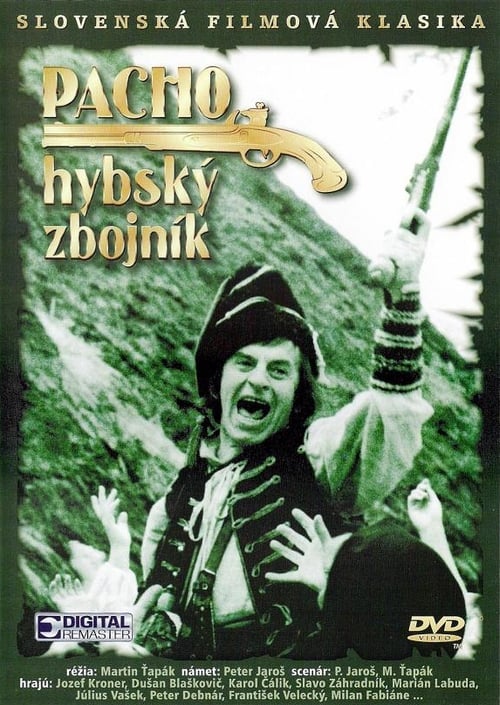
A funny outlaw tale inspired by traditional folk humour. Pacho is no ordinary outlaw. He detests injustice and feudal oppression and he copes with each troublesome situation with the help of his cleverness and wit.
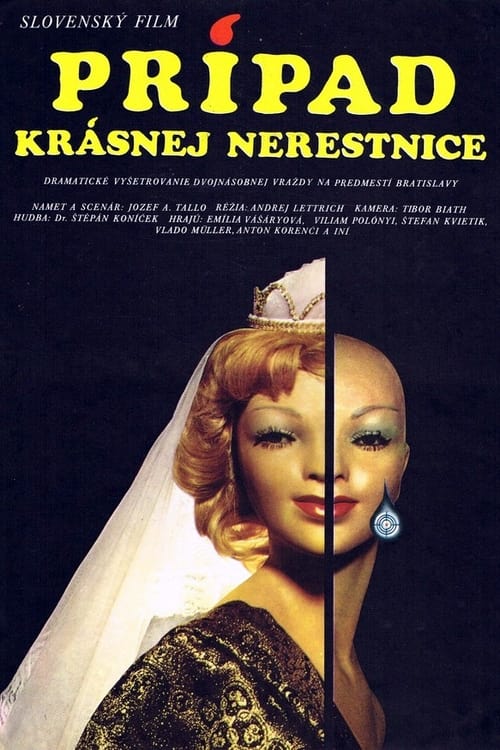
A crime story about a victim who was not entirely innocent. A fashion show is held on board a Danube steamer, where the star is the model Anna Vlčková, nicknamed "the beautiful harlot" because of her acquaintances with wealthy foreigners. Coincidentally, the young police captain Strelková and her older colleague Lieutenant Michalek are also among the spectators. Neither of them has any idea that Vlčková has a crush on the sick Swiss industrialist Langer. However, someone threatens her with death because of her intended marriage to him. Langer dies in the hospital before he can marry the beautiful harlot. However, someone still murders Vlčková with a shot from a hunting rifle. For Captain Strelková, this is the first major case of her career, and it is all the more difficult because the investigator has to make her mark in a world that has been the domain of men until now...
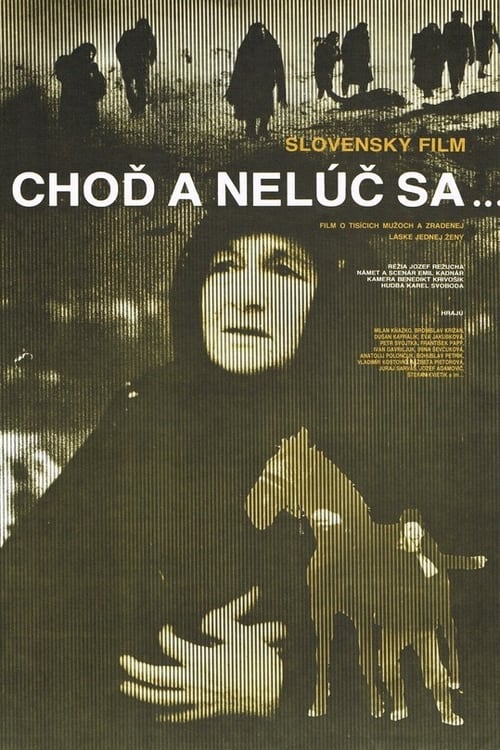
Slovak partisans, bravely fighting against Nazi superiority, would never have succeeded to such an extent if they had not been supported by the villagers. Despite the threat of repression, it is the villagers who care for the wounded, hide them, and behave conscientiously. Although the film was made in the late 1960s, it fully adopts the patterns of partisan stories, perhaps the only thing it can be credited with is a more developed sense of authenticity in the story, characters, and setting.
A group of French students are drawn into the psychological and sexual games of a mysterious man called Duchemin. Once they sample his "fear powder" the students experience a series of hallucinations.
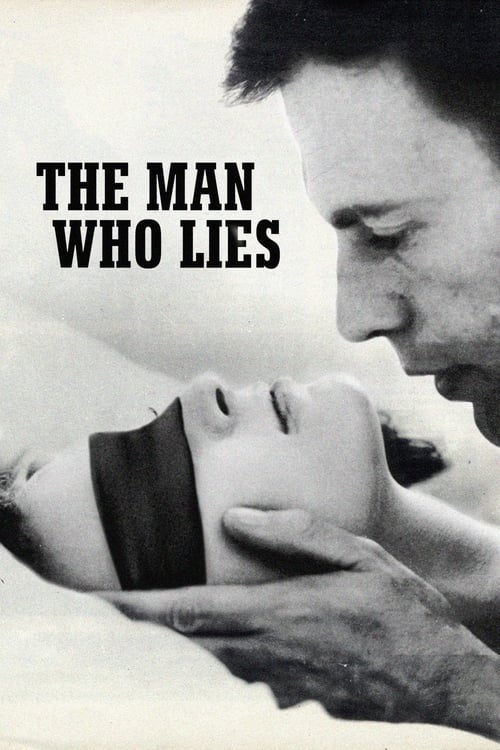
A man may or may not have betrayed a resistance fighter during World War II. He has supposedly been shot down by the Nazis and wanders into town. Mourning the death of an unseen comrade, he is taken in by the family of the dead rebel. He engages in a superfluous affair and witnesses the lesbian relationship between the man's sister and a female servant. When passions subside, the family has doubts about the reliability of the man's story.
The dramatic story captures the hard and dangerous life of the partisan group "Čapajev" led by Ľudovít Kukorelli during World War II. It retrospectively presents the course of the Slovak National Uprising in eastern Slovakia.