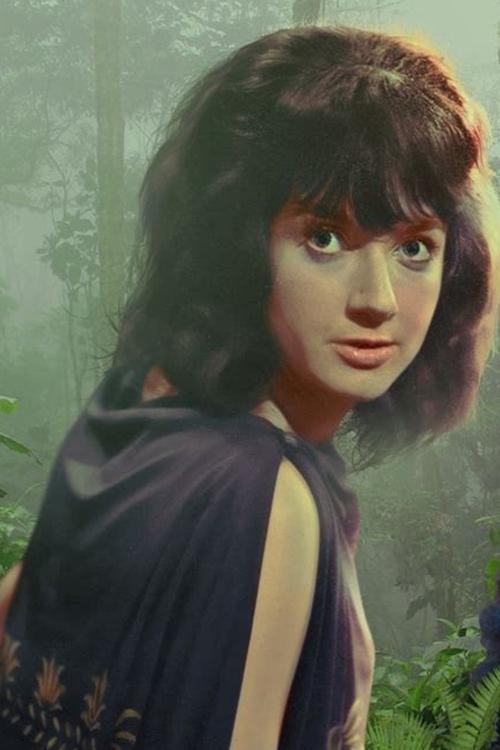
Adrienne Hill
Acting
Biography
Adrienne Hill was an English actress known for her role as Katarina in the science fiction television series Doctor Who in 1965. She was born on July 22, 1937, in Plymouth, England and trained in acting at the Bristol Old Vic. After her appearance on Doctor Who, Hill acted in several small roles before moving to the Netherlands and then to the United States.
Known For
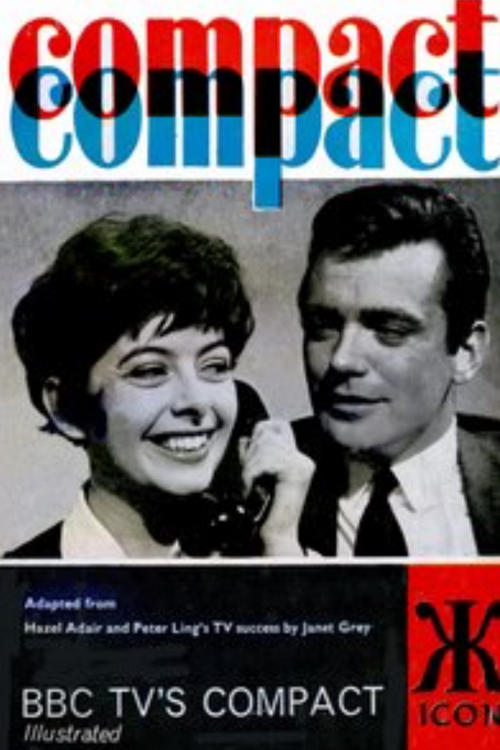
Compact was a British television soap opera shown by the BBC between 1962 and 1965. The series was created by Hazel Adair and Peter Ling, who together went on to devise Crossroads. In contrast to the kitchen sink realism of Coronation Street, Compact was a distinctly middle-class serial, set in the more "sophisticated" arena of magazine publishing. An early "avarice" soap, it took the viewer into the business workplace, and aligned the professional lives of the characters with more personal storylines. The show was scheduled for broadcast on Tuesdays and Thursdays, thus avoiding a clash with ITV's Coronation Street on Mondays and Wednesdays. When Compact began, the editor was a woman, Joanne Minster, yet it was not long before she was replaced by Ian Harmon, the son of the magazine's owner. Despite being largely criticised by reviewers, Compact was popular with the general public, and in 1964 a regular omnibus edition was introduced, broadcast on Sundays. Morris Barry, a some-time actor and BBC director – he directed several Doctor Who stories in the 1960s – took over as producer and was given a brief to spice the series up in view of the criticism it had received from the national press. But the BBC, never comfortable with the concept of soap opera, quietly dropped the series in 1965.
Compact
199 Park Lane is a British television soap opera based around the residents of an exclusive block of apartments in London, and dealt with the intrigues of the Chelsea/Kensington set.
199 Park Lane
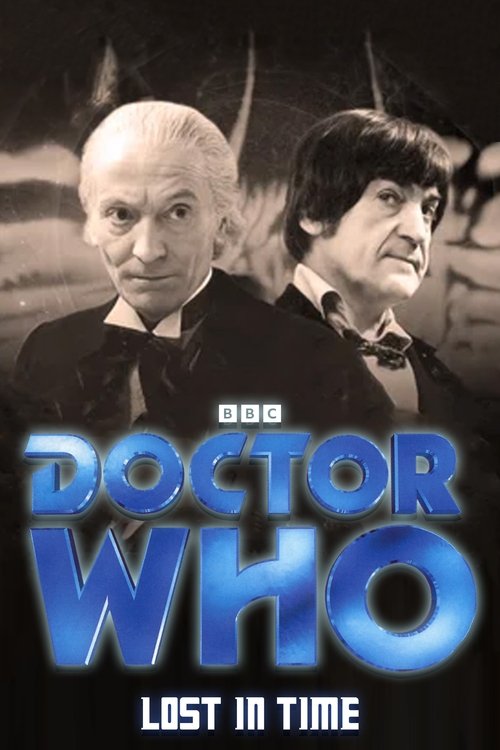
A digitally restored collection of rare 1960s Doctor Who episodes, from stories which no longer exist in their entirety. They offer a unique glimpse at classic adventures which are now lost in time ...
Doctor Who: Lost in Time

Captured in a time corridor, the Doctor and his companions are forced to land on 20th century Earth, diverted by the Doctor's oldest enemy - the Daleks. It is here the true purpose of the time corridor becomes apparent: after ninety years of imprisonment, Davros, the ruthless creator of the Daleks, is to be liberated to assist in the resurrection of his army. Not even the Daleks foresee the poisonous threat of their creator. Indeed, who would suspect Davros of wanting to destroy his own Daleks - and why? Only the Doctor knows the truth. Will he descend to Davros' level of evil to stop him?
Doctor Who: Resurrection of the Daleks
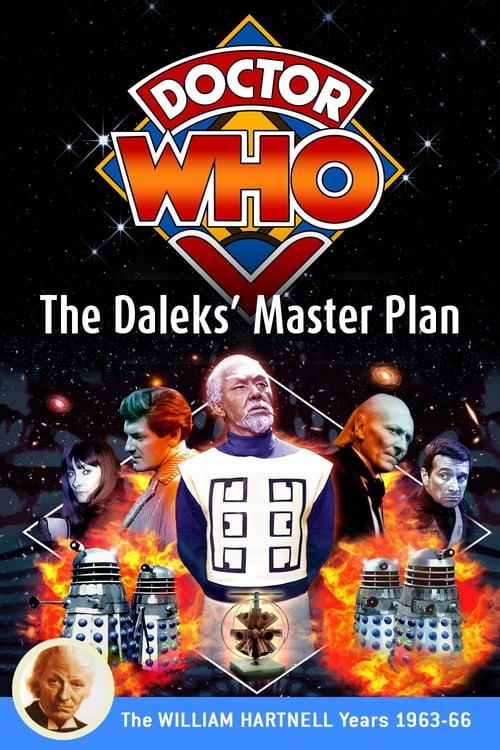
In the year 4000, the Daleks conspire to conquer the Solar System. Their scheme involves treachery at the highest levels and a weapon capable of destroying the very fabric of time. Only the Doctor and his friends can prevent catastrophe — and there is no guarantee they will escape with their lives...
Doctor Who: The Daleks' Master Plan
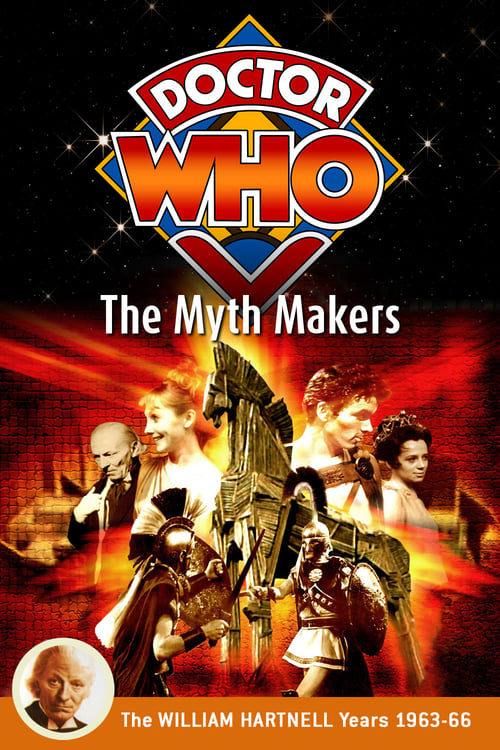
When the TARDIS arrives on the plains of Asia Minor not far from the besieged city of Troy, the Doctor is hailed by Achilles as the mighty god Zeus and taken to the Greek camp. He meets Agamemnon and Odysseus. Forced to admit he is a mere mortal — albeit a traveller in space and time — he is given two days to devise a scheme to capture Troy. Steven and Vicki, meanwhile, have been taken prisoner by the Trojans. Vicki, believed to possess supernatural powers, is given two days to banish the Greeks to prove she is not a spy.