
Sylvain L'Espérance
Directing
Biography
Born in Montreal in 1961, Sylvain L’Espérance studied film and visual arts. For the past 25 years, he has travelled widely, from Quebec to Mali to Greece. He has directed nearly a dozen films that combine direct cinema with experimental research to explore reality through a poetic lens. His films question our relationships with outsiders and marginalized communities. They give voice to migrants, workers, artisans, sailors, fishermen, shepherds, the unemployed and the homeless. These voices are carried by street theatre, song and poetry and merge into a political cry that speaks the unspoken.
Known For
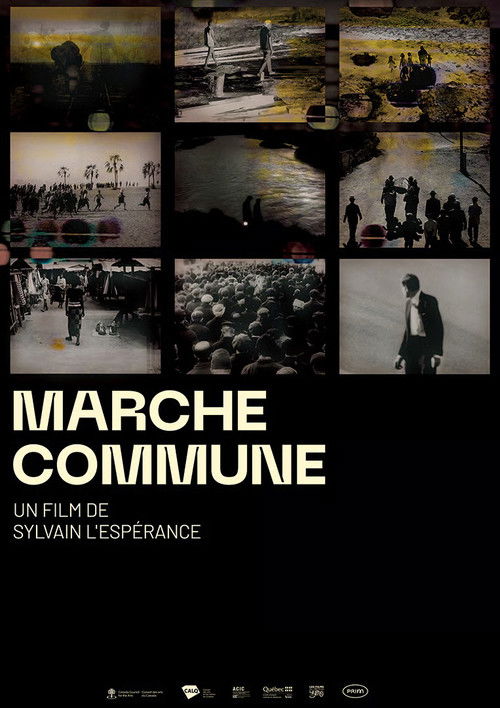
Following his feature film Animal Macula, Sylvain L’Espérance explores with renewed originality the archives of world cinema, often far removed from the obvious landmarks of canon cinephilia. This time, his focus is on the presence of human beings on the move in films. With meticulousness, poetry, and symbolism, this work arranges this similar yet heterogeneous material to form a kind of relay race through eras, countries, and environments. In this way, these individual movements follow one another, respond to one another, or merge, tracing the complex trajectory of an imagined community travelling through a dreamlike, timeless memory. A solitary means of transport and a leisurely stroll, walking is also a vehicle for a common affirmation, collective action, solidarity, and even popular uprising.
Marche commune
From cinema-verite; pioneers Albert Maysles and Joan Churchill to maverick movie makers like Errol Morris, Werner Herzog and Nick Broomfield, the world's best documentarians reflect upon the unique power of their genre. Capturing Reality explores the complex creative process that goes into making non-fiction films. Deftly charting the documentarian's journey, it poses the question: can film capture reality?
Capturing Reality
Nestor, Lei, Pierrette, Mohamed, Hafida, Marius, Marc, Galina, Genady, Mike and Lala: through their presence, Le temps qu’il fait weaves a mosaic of stories in which dreams and disappointments, hopes and worries intertwine with the life that is before them. In counterpoint, there are these new landscapes of financial centers, abandoned industrial spaces and wasteland from which we hear the echo of speeches that call to take the train of the new economy. By their simple attachment to a profession which gives them a living, the men and women of the film put up resistance to these slogans. Little by little, a radical rupture is emerging between economic thought and the movement of life. A break that shapes the present time.
Le temps qu'il fait
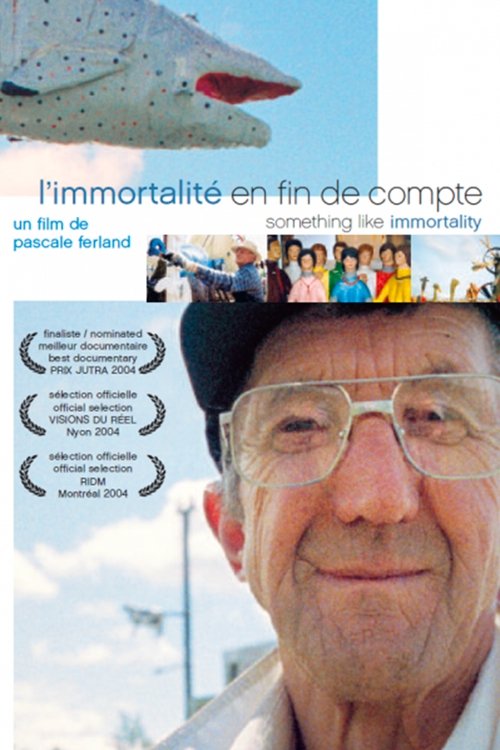
While travelling the roads of the Quebec countryside, one often sees off-beat structures and fabulous installations. These curious constructions are the work of local people who, even with no artistic training, are compelled by an almost-visceral desire to create. This film shows us the work and everyday life of three such artists. Harshly judged by their compatriots, they face the devastating reality of living on the fringe of a society that seeks to ostracize them at all cost.
Something like Immortality
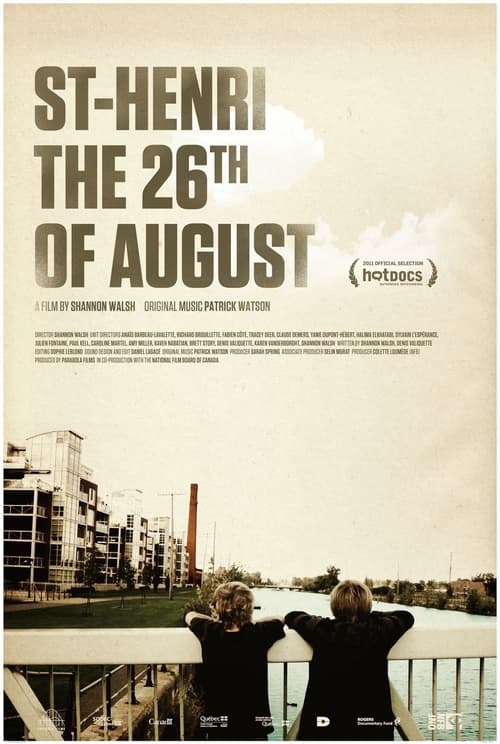
On August 26th, 2010, fourteen filmmakers followed multiple stories in the Montreal neighbourhood of St-Henri. The result is a touching, funny and fascinating day-in-the-life of this eclectic community.
St. Henri, the 26th of August
No description available.
La main invisible
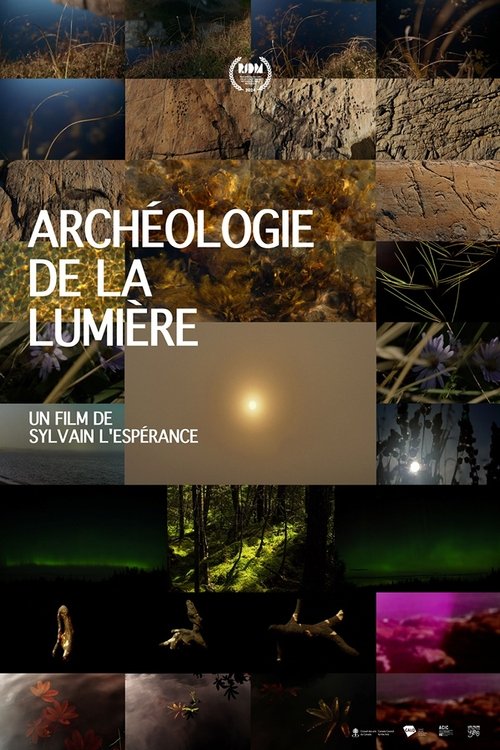
Far from a picture-perfect postcard, this film offers a personal view of the Minganie landscapes in Quebec’s Côte-Nord region. Following the rhythm imposed by the elements, Sylvain L'Espérance patiently observes the sea, plants, rocks, and clouds cohabitate and their interactions with the contrasting sunlight.
Archéologie de la lumière
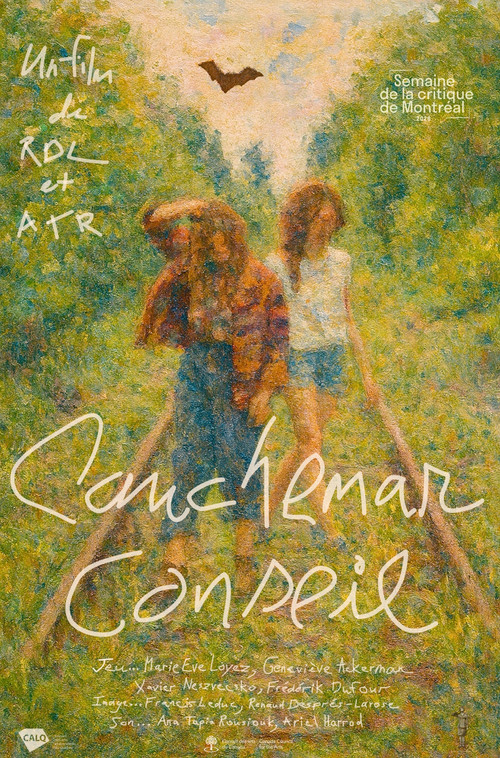
Lucie, a PhD student without a work visa and plagued by insomnia, is trapped in a destructive affair with her thesis advisor while being pursued by a jealous ex. Seeking help from a reclusive shaman on the city’s edge, she meets Béatrice, a young woman as carefree as she is determined to help her.
Nightmare's Advice
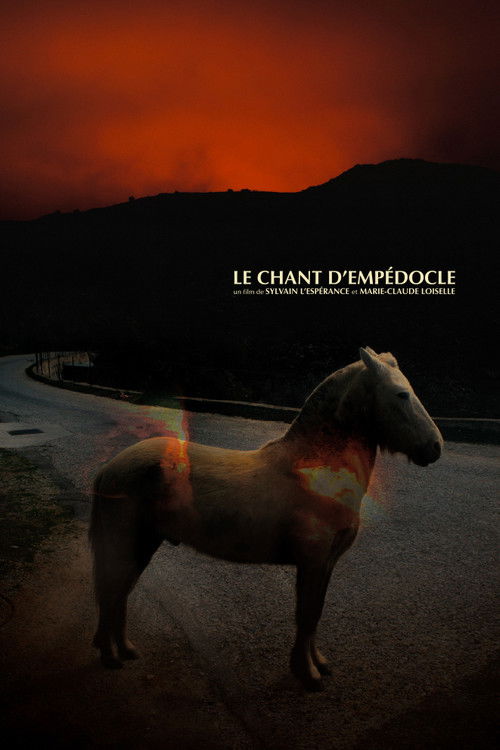
Empedocles imagines the birth of the world from the elements: water, earth, fire and air. His voice merge with the metamorphoses of an invisible Wanderer whose journey reminds us that the stories we believe to be outside of time never pass away.
The Song of Empedocles
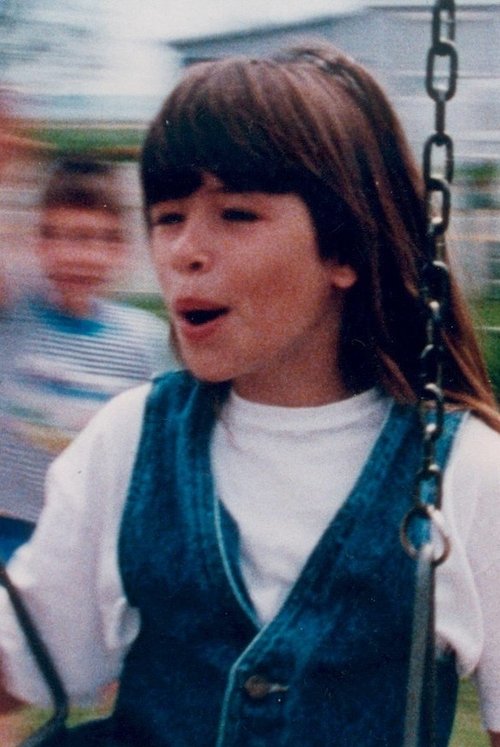
Through the eyes of children and women of different generations, this film reveals the soul of a small village on the Upper North Shore. Mrs. Kennedy has a vital link with the forest: Diane, faced with the difficult path of her life, raises her head; Cathy, at 18, has the biting lucidity of those who have had to fight. The strength and willpower of each of them is echoed by Guylaine, the young soprano who, throughout the film, plays, sings and exudes joie de vivre.
Paysage sous les paupières
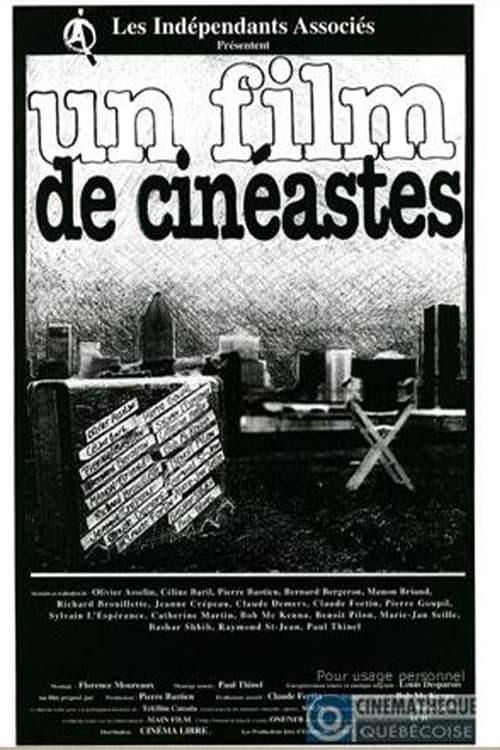
No description available.
Un film de cinéastes
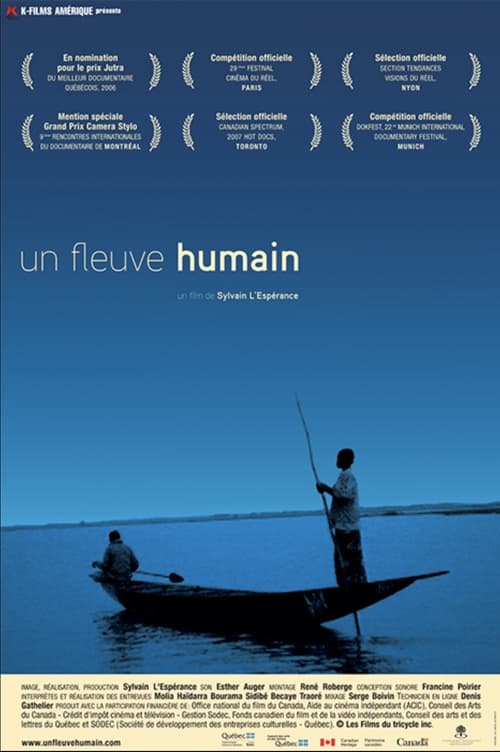
The interior delta of the Niger River is a vast region inhabited by a million people. A unique social, political and communal organization has developed over this territory, giving a profound meaning to living together in relation to the movement of the river. The delta is fashioned as much by the immutable alternation of the seasons as by a state of perpetual metamorphosis. A single place can successively accommodate a spawning ground, then a fishing zone.
Un fleuve humain
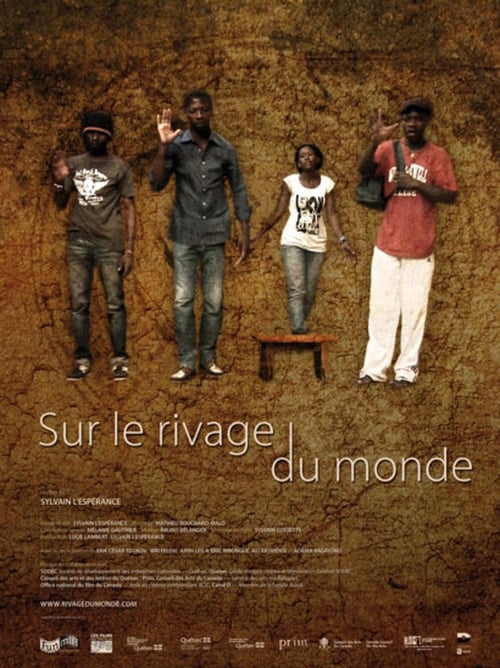
After failed attempts to reach Europe, César, Félou, and Érik end up in Bamako, Mali, deported but determined to pursue their dreams. Amih fights to escape unfulfillment and create a better future for herself and her children. Their paths converge in Bamako, a transit city for migrants whose hopes of entering the West have been shattered. Despite struggles, they seek freedom through poetry, theatre, and song, expressing the inexpressible and standing against oppressive forces. Collateral victims of the global economic crisis, they aspire to live life on their own terms. Their dreams and words resonate with universal truths, embodying power.
Standing on the Edge of the World
An unconventional activist epic, filmed in Greece over several years among the many refugees and amidst some of the mass demonstrations that have rocked the country. The film is at once an essay, guerrilla journalism and poetic portrait. It tackles the socio-political upheavals of a country that stands alone in bringing down the western neoliberal model.
Fighting Through the Night
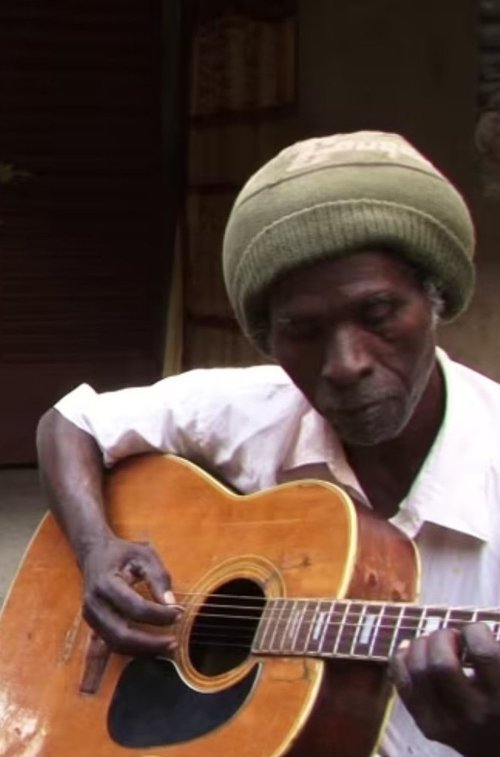
Two musicians perform in a courtyard in Bamako, Mali. A quest for harmony; knowing glances and comforting presences; time marches on.
Bamako, temps suspendu
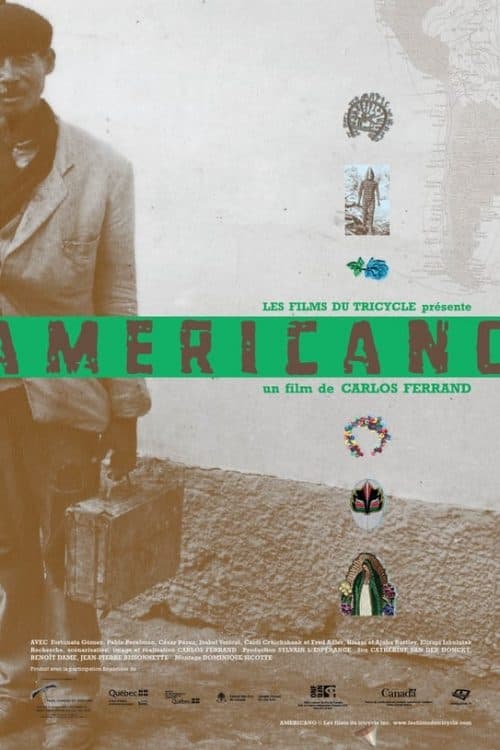
From Panagonia to Nunavut, during four years, Carlos Ferrand visited dear friends, men and women he met wandering the americas. All the while, observing the way of life of the forgotten populations and learning about the fate of some indigenous people.
Americano

Emerging from the multiple perspectives of this film, a memory of a neighbourhood is recreated which tells of the fragility of working class habitats residents and workers from southwest Montréal recount its tragic history: The immigration and settling of the Irish in the 19th century the expropriation of Griffintown the destruction of Goose village. The industrial decline of Pointe-Saint-Charles and surroundings.
Shadows of Spring
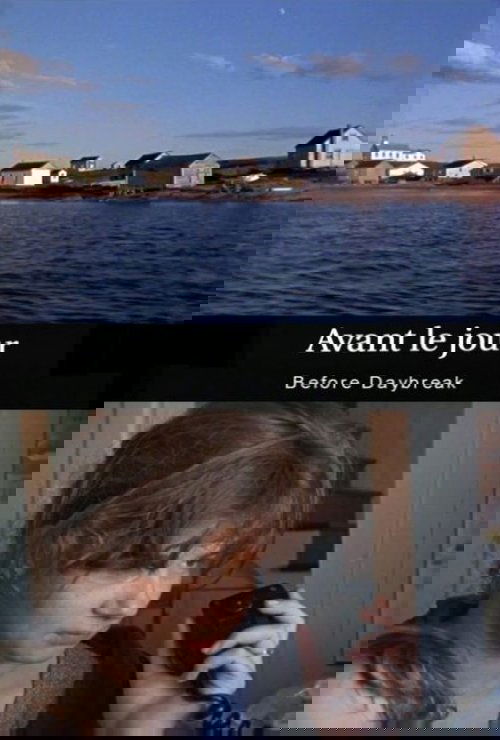
Before Daybreak is a film about how life is passed on, and about the privileged relationship people have with the land they inhabit. In her house on Providence Island, Florence performs her timeless gestures. In Lourdes-de-Blanc-Sablon, Simonne opens her house and heart to guests, friends, people without work. Mireille, Florence’s daughter, affirms her desire to keep living in Tête-à-la-Baleine despite the decline in fishing. Gédéon, an old fisherman, observes the universe through his fertile imagination. The passenger freighter, Nordik Express is the silent witness of the links woven by time in the immense territory of the lower North Shore of the St. Lawrence.
Avant le jour
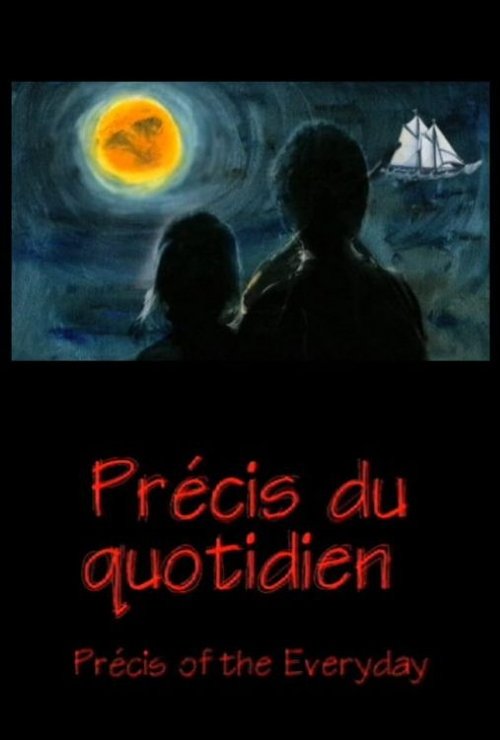
A summer in the life of a mother and her two children. Précis of the Everyday is a tender look at the memory, passing time, imagination and poetry that make every day a unique experience. In her desire to “record every moment”, the mother is humbled by how much escapes her.
Précis du quotidien

The life of a family of fishermen, in the inland delta of the Niger river in Mali, is stricken by the effects of globalization: the rise of the price of oil and basic goods, the collapse of fish stocks and the signs of global warming. The film reflects the passage of traditions, a relation to history and memory in a region where persist traces of the origins of things.