Pedro Guindani
Writing
Known For
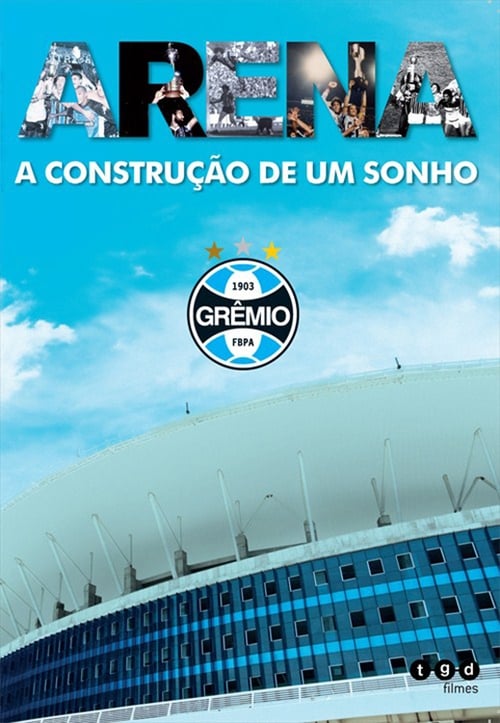
1977: Grêmio lives a dark period in its history, after losing the last eight Campeonato Gaúcho to Internacional. Then there was a crowd that would shake up the structures and prejudices of the universes of the gaucho football and forever mark its name in history: the Coligay, the first organized football group of supporters formed exclusively by homosexuals.
Para o que der e vier
Three women with completely different backgrounds have one thing in common: they loved and were connected to the same man. From the point of view of these women, through an intricate structure moving back and forth in time, Raul enters the story.
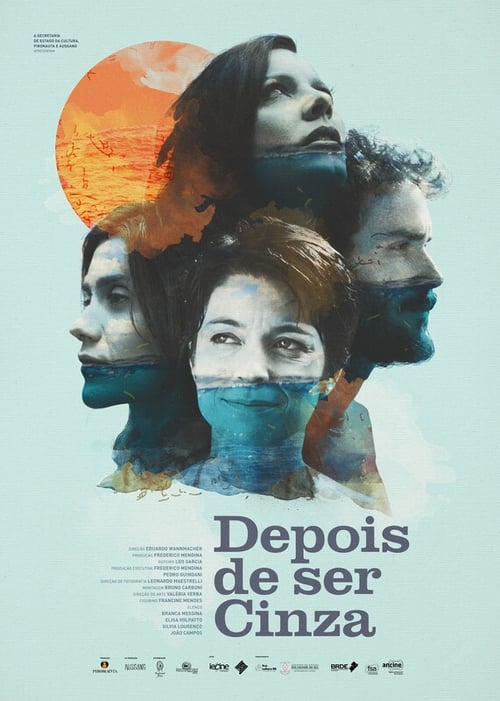
After Being Ashes

Amanda, an introverted 12 year-old swimming athlete, finds safety in her own world: underneath the water. Lacking attention from her parents, she spends most of the time at the swimming pool, training and trying to succeed in maybe the only thing she truly loves. Priscila, an amazing swimmer, becomes her opponent, not only in the pool also in life. A subtle power game begins.
Lane 4
No description available.
Desvios
No description available.
Arena - A Construção de um Sonho
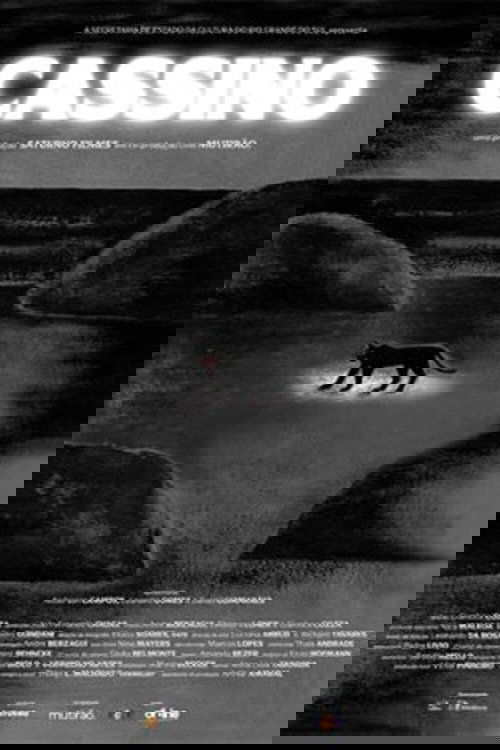
In winter, the biggest beach in the world changes, vacationers return to the city and leave their beach houses empty. Daniel, Tando and Soninho sneak around the streets of Balneário Cassino at night, observing the houses in order to break into them. After collecting some gifts, Soninho explains why he was missing.
Cassino
No description available.
Terraqueos: Vestígios de uma Era Digital
Walking along Av. Oswaldo Aranha, a man decides to be the first to arrive and the last to leave the Lancheria do Parque. Based on this experience, this man observes the functioning and the patrons of one of the most classic establishments in Porto Alegre. A documentary journey through the daily lives of thousands of characters from Porto Alegre takes place.
Osvaldo Aranha, 1086: Um dia na Lancheria do Parque
Alone, brother and sister wait for those who may never return.