Writing
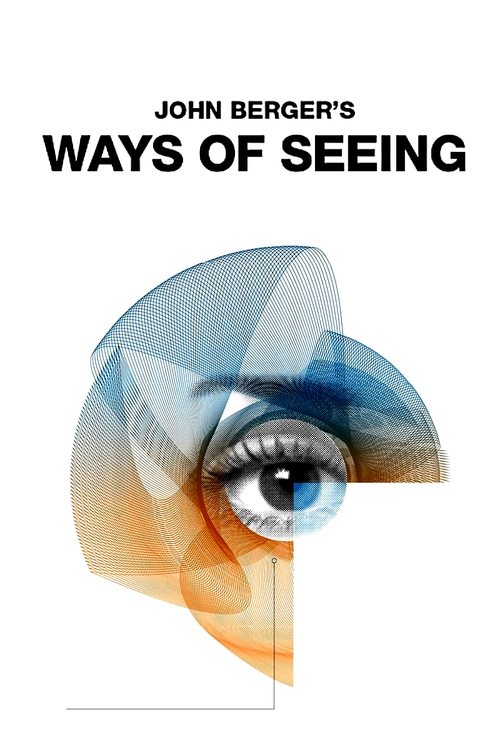
John Berger's Ways of Seeing changed the way people think about painting and art criticism. This watershed work shows, through word and image, how what we see is always influenced by a whole host of assumptions concerning the nature of beauty, truth, civilization, form, taste, class and gender. Exploring the layers of meaning within oil paintings, photographs and graphic art, Berger argues that when we see, we are not just looking - we are reading the language of images.
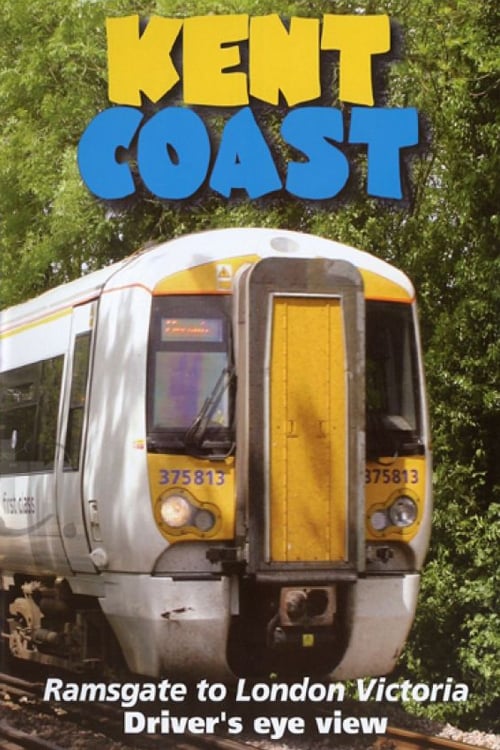
Ramsgate has been on the railway map since 1846. Eventually two rival companies served the town for over fifty years until the Southern Railway built a connecting line between the two. At the time of filming there were two main routes into the town, one via Ashford from Charing Cross and the route we are taking via Chatham into London Victoria. This Driver's eye view was filmed before the introduction of SouthEastern's high speed Javellin services into St Pancras. It therefore shows our 4 coach class 375 Electrostar starting off as the hourly fast service calling at selected stations to Faversham. Here we join up with a similar 4 car set from Dover. We then call at Sittingbourne and the Medway Towns of Rainham, Gillingham, Chatham and Rochester. Once over the Medway itself, our 8 coach train runs fast to Victoria calling only at Bromley South.
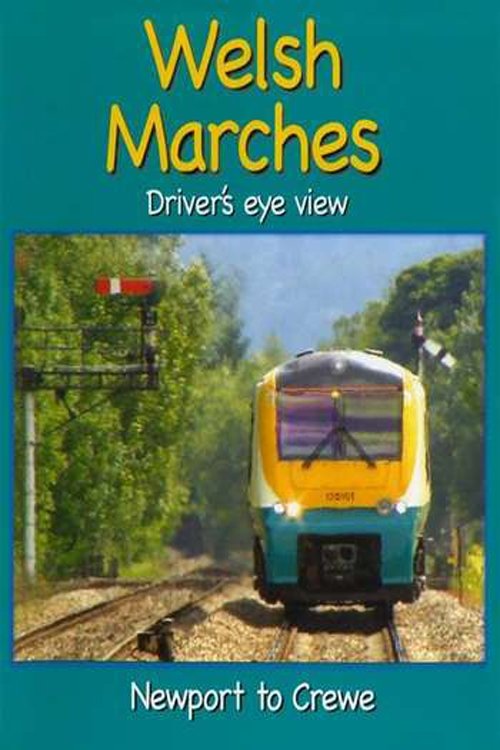
The term Welsh Marches refers to the border area between Wales and England. The railway diverging from the South Wales Main Line at Newport closely follows the border through Abergavenny, Hereford, Shrewsbury and Nantwich. We join a 3-car class 175 Coradia DMU en route from Milford Haven to Manchester Piccadilly on the approach to Newport, the area having only recently been re-signalled to the South Wales Control Centre. From the SWCC, signalling passes to a 1960’s panel signal box at Little Mill and then to traditional mechanical signalling at Abergavenny. Cameras inside all three signal boxes vividly show this technological progression. Dozens of former and existing junctions coupled with some magnificent scenery make this a fascinating route, filmed in mid-summer sunshine all the way to Crewe. Dozens of mechanical signal boxes control our progress, including Europe’s largest at Shrewsbury.
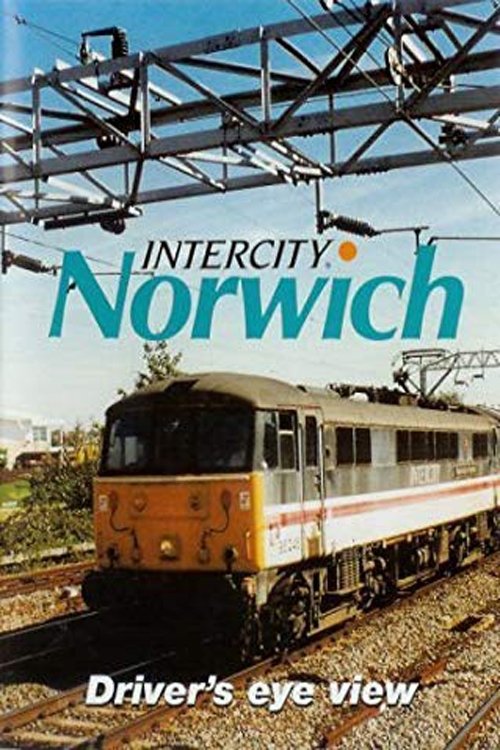
With a top speed of 100 mph, the hourly InterCity trains normally cover the 115 miles between the capital of East Anglia and London's Liverpool Street Station in well under 2 hours. One feature of note is the single line swing bridge built at the time of electrification to Norwich in 1987. It is one of only a handful of operational swing bridges in the world provided with overhead line equipment. Our InterCity express calls at Diss, Stowmarket and Ipswich. South of Ipswich, Anglia trains are joined by those of GER, and at Colchester by Clacton services - all squeezed onto just two tracks signalled for bi-directional working. Relief comes at Shenfield where the Southend lines provide an additional pair of tracks. With freight traffic to Felixstowe and Harwich a wide variety of trains rush past.
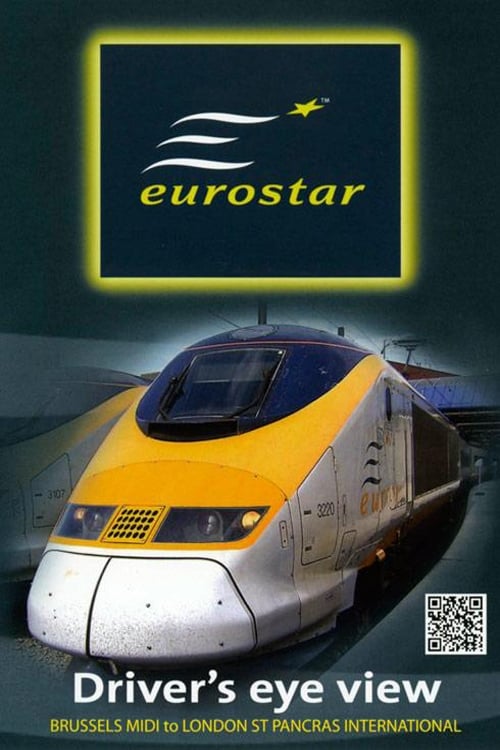
Unprecedented cooperation from Eurostar enabled Video 125 cameras to film a high speed journey from the Capital of Belgium to the Capital of England via the Channel Tunnel. Riding with the driver at speeds of up to 300 kilometres an hour, or 186 miles an hour, is an exhilarating experience. Just click on the preview to see what we mean. The entire route is shown in virtual real time.* As well as calling at Lille Europe and Ebbsfleet International, we follow our class 373's progress from the five control centres which are responsible for our train as it passes through Belgium, France, the Channel Tunnel and England. There are two bonus features: Temple Mills Depot, opened in time for the start of services into St Pancras. Comings and goings at Brussels Midi. While our cameras were set up on the platform we filmed a dozen or more trains to show the diversity of traction and rolling stock.
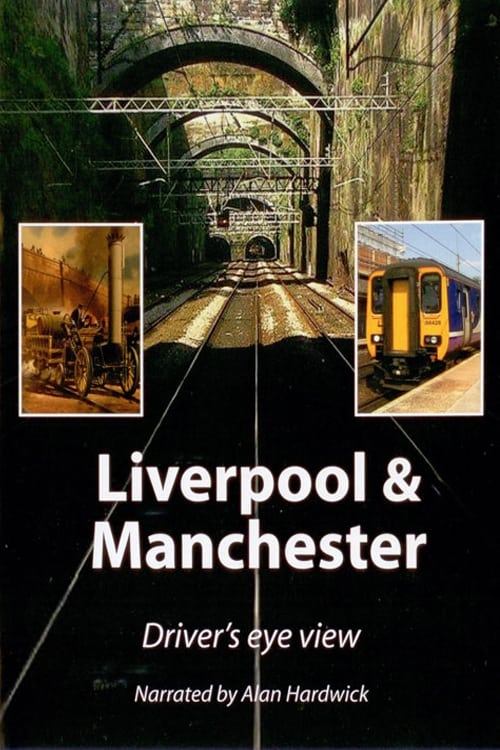
Manchester Airport to Liverpool Lime Street We travel aboard a Northern Rail class 156 Sprinter for an exceptionally smooth ride. This limited-stop service shows us the whole Airport Branch, the Stockport-avoiding line built as recently as 1909 and the approach and through platforms at Manchester Piccadilly followed by the elevated section through Oxford Road. We then join the very original route surveyed and built by none other than George Stephenson. The stone block permanent way has long since gone but the history is still there to be told by former Calendar anchor Alan Hardwick.
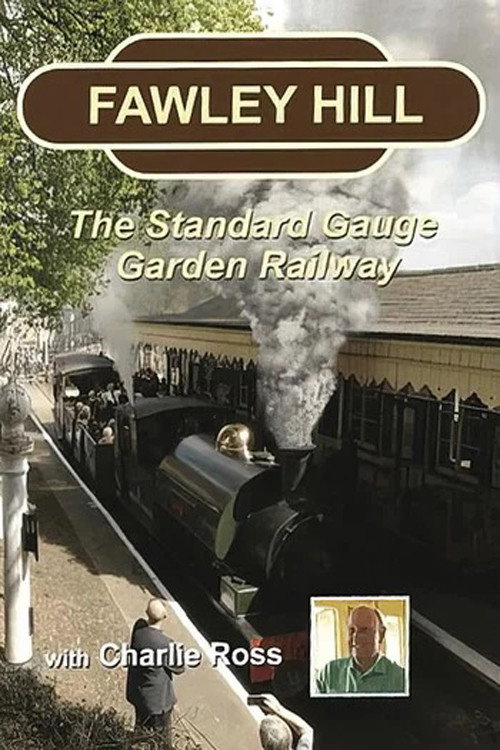
BBC Bargain Hunt's Charlie Ross takes a detailed look around the Late Sir William McAlpine's full-size railway and museum, built in his own back yard. Having been acquired over five decades, Sir William's collection is truly massive. The film starts at the beginning of the year when the ex-BR class 03 diesel shunter is started up. There's a lot of steam action too, with the resident 0-6-0 saddle tank engine, seen charging up and down the incredible 1 in 14 gradient of the hill line on training and public open days. Charlie takes a look around the extensive museum, containing a myriad of railway artefacts. He's shown inside the two royal coaches, the signal boxes, the O gauge model railways and the main station building, re-erected here from Somersham in Cambridgeshire. Sir William's widow, Lady Judy McAlpine tells us about her late husband's insatiable enthusiasm. There's so much to see and appreciate in this unique private railway.
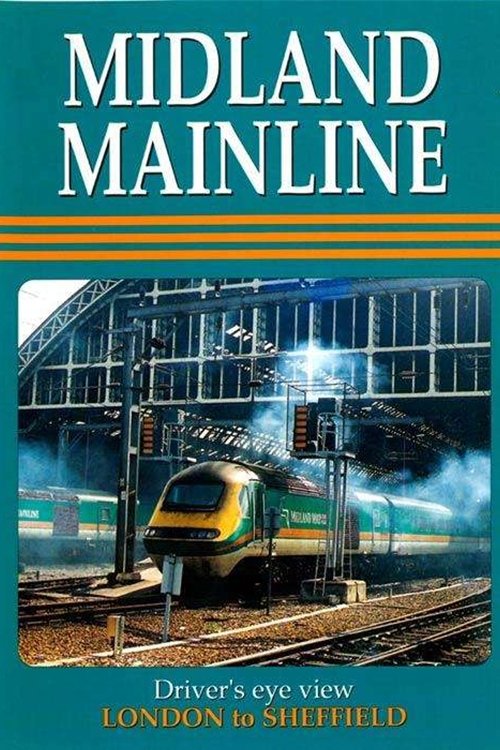
Filmed from the cab of a High Speed Train, St Pancras station was filmed just before the major rebuilding of the terminus to handle Eurostar international trains in 2007. This is St Pancras as we remember it, complete with the famous gasometers which have since been removed.
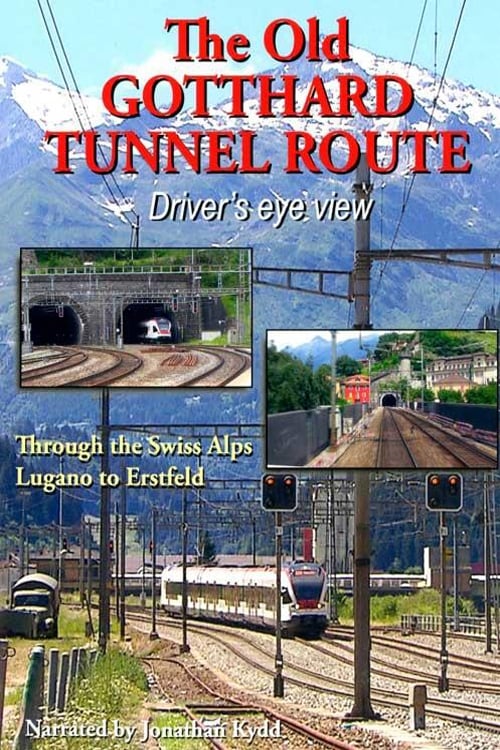
The original Gotthard railway tunnel through the Swiss Alps, took ten years to build and cost 147 lives. It was a mammoth undertaking and required the construction of long ramps on either side totalling 85 miles. Dozens of tunnels, viaducts and bridges were necessary. The ruling gradient of 1 in 37 was deemed to be just about the maximum that the original steam locomotives could handle, even then, trains were usually double-headed and even had banking engines attached at the rear! In order even to keep to this severe gradient, the engineers had to construct a number of additional spiral tunnels to gain height, hewn out of solid rock…
A unique look inside over 70 signal boxes taken from Video 125's archive filmed over a period of 30 years. Features 'boxes of all shapes and sizes, all kinds of operating methods from 19th century mechanical lever frames to 20th century panels to 21st century state-of-the-art Rail Operating Centres.
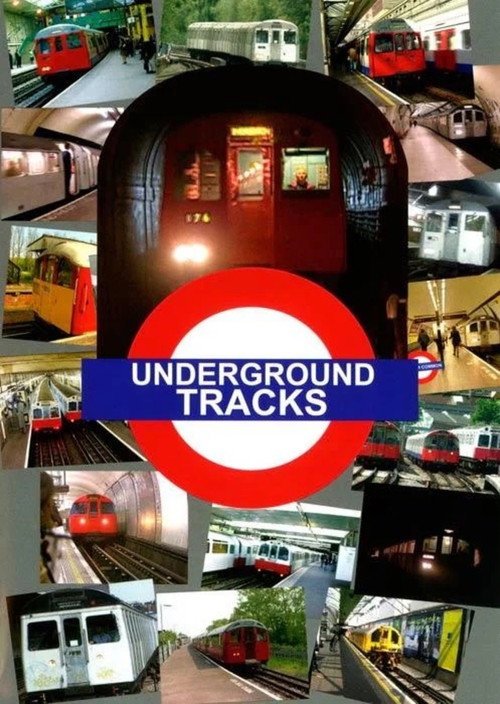
Long before the invention of YouTube and smartphones, Video 125 cameras were out and about filming the London Underground for our Driver’s eye view videos. Although mainly filmed in standard definition, the sound was a different matter. 100% of the time we were using full broadcast television standard microphones and recording equipment. This means that long-since scrapped 1959, 1962 and 1967 tube stock on the Central, Northern and Victoria lines can still be heard in full stereo sound. The long-since scrapped A, C and D sub-surface stock on the Hammersmith & City, Circle, District and Metropolitan, lines also heavily feature in this unique video production filmed between 1988 and 2014.
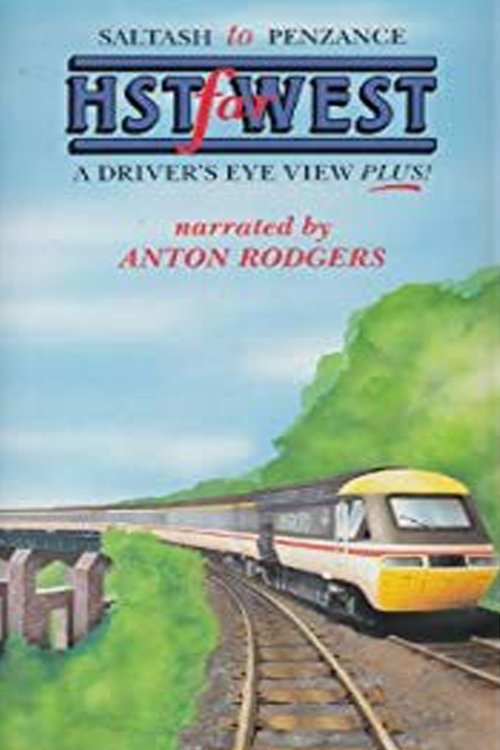
This starts at the Royal Albert Bridge. The 75 miles from Saltash to Penzance contains the greatest number of viaducts per mile on any British Railway and such exaggerated curvature that there is only one dead straight mile of track throughout. Once again, virtually the whole route is shown including the many single line sections. There are dozens of aerial views taken from a helicopter on both of the above productions. Features include the Atmospheric Railway pump house at Starcross, Dobwalls miniature railroad and the Bodmin Steam Railway.
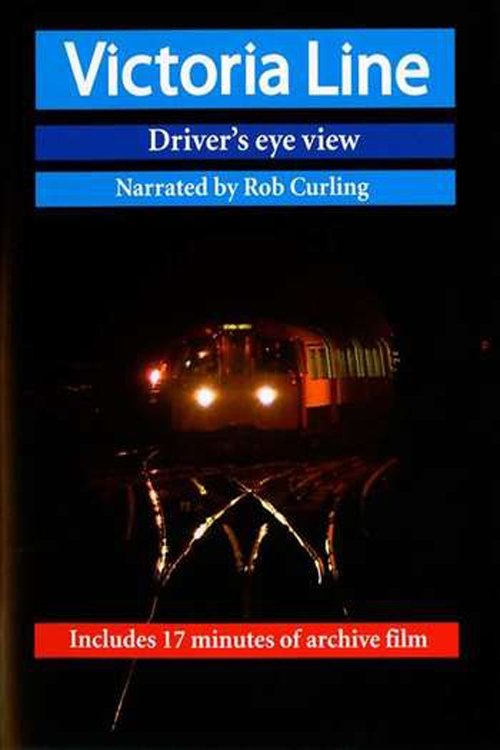
The Victoria Line is London’s busiest underground line. 15 out of the 16 stations provide interchange with other underground lines or Network Rail. The 1967 stock trains were filmed in their last few years of service in 2009. These were the first fully automatic trains in London running on the Victoria line which was opened in stages from Walthamstow in East London. The whole line is seen in virtually real time from the operator’s cab with the aid of additional lighting. This is more than a Driver’s eye view, for we also follow the progress of our southbound train on the track diagrams of the service control centre, we see inside all the stations with their famous tiled murals, the exteriors of many and of course the operator himself.
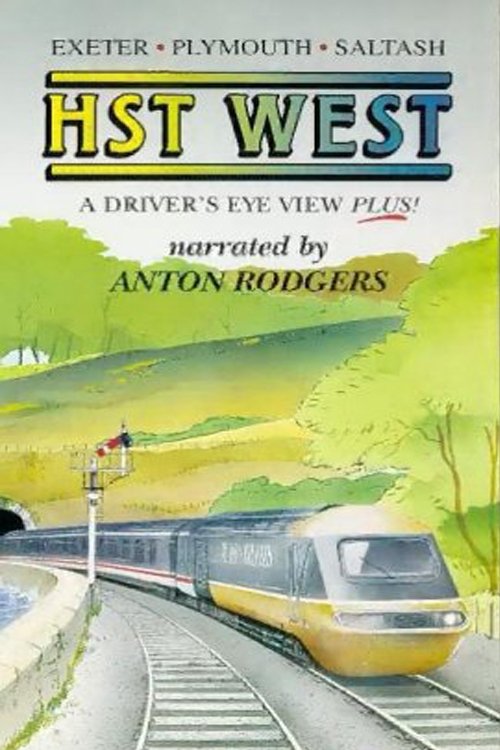
We see virtually the whole of Brunel’s route from Exeter St David’s to Newton Abbot including the notorious seaside section at Dawlish. From there we head inland to Totnes, over the infamous banks at Dainton and Rattery, through Ivybridge on the very edge of Dartmoor and into Plymouth itself. We finish with a driver’s eye view of the Royal Albert Bridge at Saltash. Filmed in 1986 just weeks before the semaphore signals were abolished for ever.
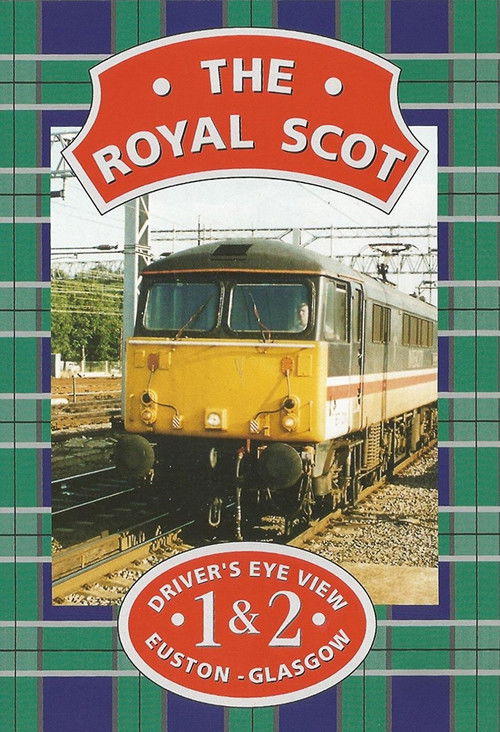
Originally filmed and released in two parts on video cassette, we can now see virtually the whole of the WCML on the one DVD. Part one covers the leg from Euston to Preston, scheduled to run non-stop at a maximum speed of 110 mph behind a classic class 87 electric loco - now nearly all consigned to the scrap heap. The former LNWR main line takes us via Watford Junction, Milton Keynes, Rugby, Stafford and Crewe. Due to a broken rail the train takes an unscheduled diversion onto the slow line for a few miles north of Watford. Part two covers the second leg of the 401 mile journey to Glasgow Central, running via Lancaster, Carnforth, Oxenholme, Penrith, Carlisle, Lockerbie, and Carstairs. Our class 87 manages to maintain a speed of 90 mph over the legendary 1 in 75 banks up to Shap and Beattock summits - an achievement that would have been unimaginable in steam days. Filmed in 1995/1996
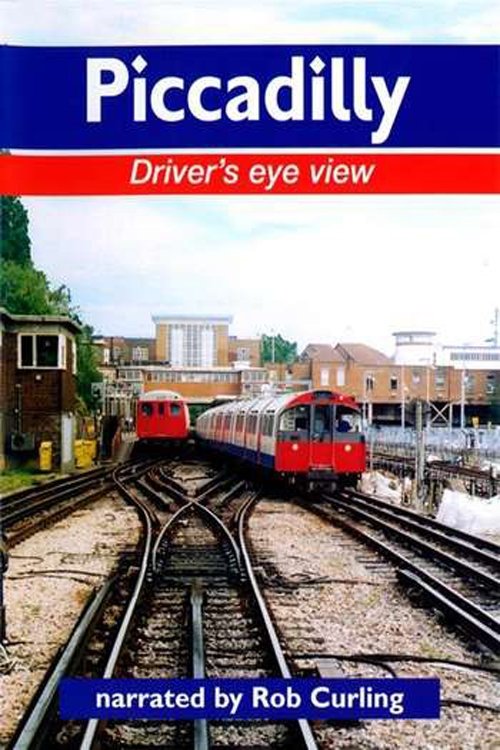
Our 1973 stock train, takes you right through the centre of the capital and out into the North London suburbs. Emerging from tunnel at Arnos Grove our train continues to Cockfosters in Hertfordshire. The section between Acton Town and Hammersmith is unique in being the only 'tube' line to feature express running - leaving the parallel District line to provide the stopping service. We then return to Acton Town and board another 1973 stock train for a drivers's eye view of the Heathrow Airport branch, running via Terminal 4 to end at Terminals 1, 2 & 3. This line, much of which was built by the District Railway, has another unique feature for a tube line, a quadruple track section from Acton Town to Northfields. As well as seeing four closed stations from the driver's cab we also pay a visit to Aldwych, the terminus of the short branch which ran from Holborn but closed in 1994.
Experience the thrill of riding in the cab of an iconic Pendolino tilting train, travelling over the West Coast Main Line, the UK’s busiest. We travel on board the 1220 Virgin Trains’ London Euston to Manchester Piccadilly service running via Stoke on Trent. It’s quite amazing to see the degree of tilt from the driver’s viewpoint and how easily the class 390 takes the curves at speeds of up to 125 mph!
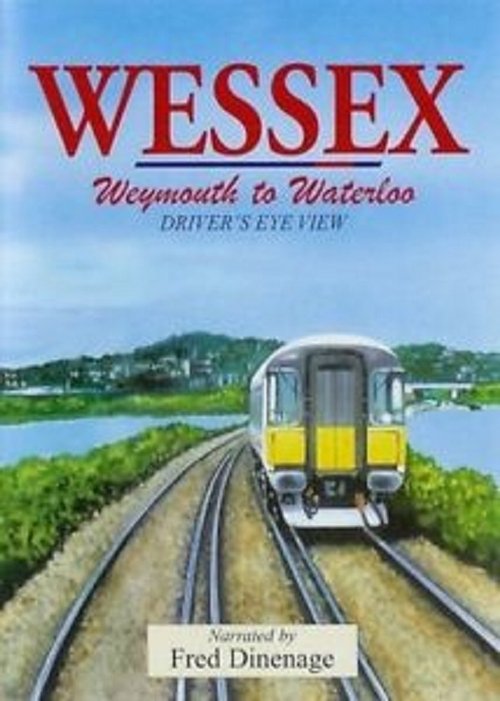
This Driver's eye view begins with a brief look at the unique street-running Weymouth quay "tramway" from a class 73 Electro-Diesel Locomotive. It is unlikely that this line will ever see a train again so it is also included on the DVD as a menu driven bonus. Our main line train is a class 442 Wessex electric still in Network SouthEast colours. We head out of Weymouth and climb up towards Dorchester South, the 5 coach train taking all the power available from the third rail. Turning east the train calls at the intermediate stations as far as Poole and Bournemouth, with their classic causeway approaches. Speeding up, we call at Brockenhurst (for connection with the Lymington branch) and pass through the delightful stretch of unspoilt New Forest to Southampton. We then run non-stop at up to 100 mph along the former LSWR quadruple track main line via Basingstoke, Woking and Clapham Junction into Waterloo. Filmed in 1994
The 13 .5 mile narrow gauge line was originally built to carry slate and for many years was worked by gravity. We travel aboard one of the famous double Fairlie steam engines - "Merddin Emrys" for a ride that is typically rocky in places. The terrain changes from the wide open "Cob" at Porthmadog, to the fertile wooded valley in the vale of Ffestiniog and the Snowdonia National Park, to the slate capital of Wales itself, Blaenau Ffestiniog. Within the first mile of the former LNWR line, on board a class 101 DMU, we pass amongst the old mine and quarry workings and enter the 2ÂĽ mile long Ffestiniog tunnel. At the end of the tunnel is the wild and remote Lledr valley. After Betws-y-coed the line levels out and we dash along the Conwy Valley to Llandudno Junction, on the Holyhead main line. Finally, we traverse the three mile long double track branch to Llandudno, in 1991 still block-worked with semaphore signals. Filmed in 1992
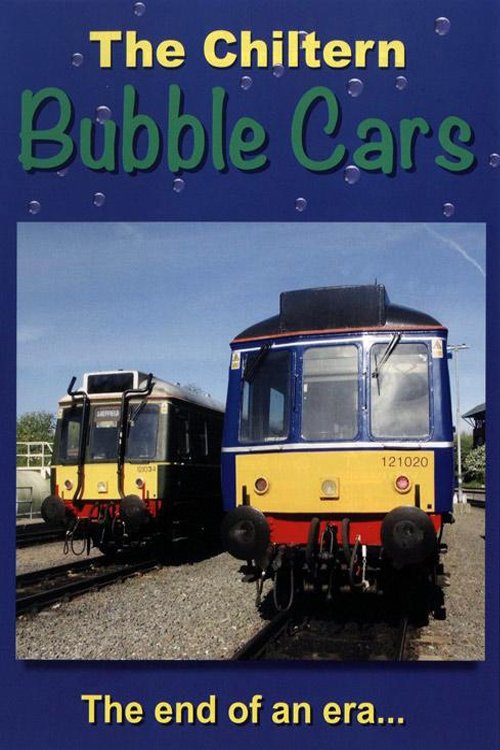
The 19th May 2017 was the last day that first-generation DMUs ran in regular passenger service on Network Rail. These were the two class 121 Bubble cars owned by Chiltern Railways that were used on the Princes Risborough to Aylesbury branch. To record and commemorate the event, Video 125 cameras followed the single units (affectionately dubbed Bubble Cars) in the weeks prior to their withdrawal. The idea for this film came from the former Managing Director of Chiltern Trains Holidays, Tony Parkins, who has been closely associated with Chiltern Railways ever since his involvement with the writing of our Driver's eye view Chiltern Take Two. It was Tony's idea to produce this film and as such has not only co-written and researched the information but actually presents it to camera.