Writing
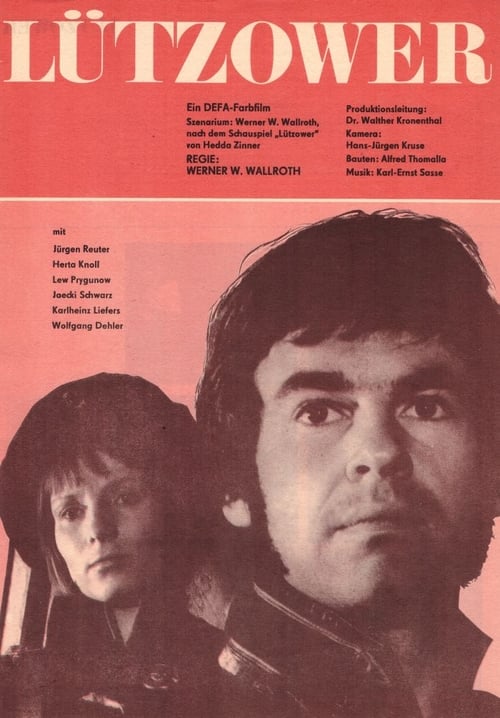
During the Napoleanic Wars, members of the Prussian Lützow Free Corps steal a French war chest from the house of collaborator Kerstinn, but their captain Friesen is captured and sentenced to death. But Friesen is saved by French Sergeant Fleuron and they flee the occupied city together. Kerstinn's daughter Marie is disgusted by her father's disloyalty and has also fallen in love with Friesen. When she learns about a trap that is being set for Lützow Free Corps, she sets out to warn them with the help of her father's clerk Püttchen, a Lützow sympathizer.
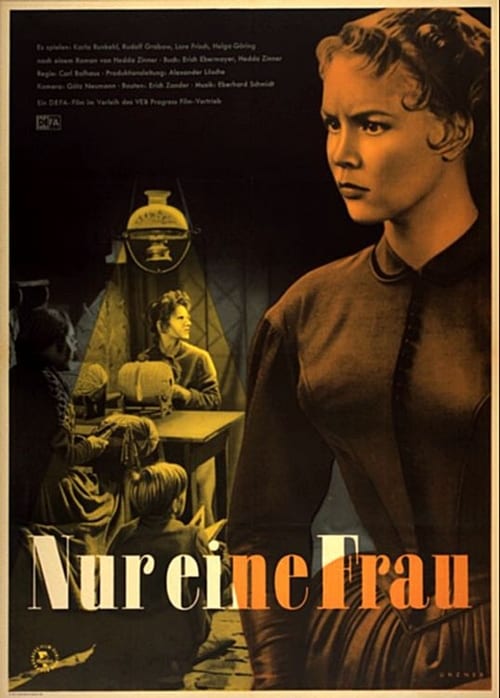
The film tells the life story of Louise Otto Peters, who in the middle of the XIX century in Germany for the first time raised a voice of protest against the unfair treatment of women and their labor. She created the first "women's newspaper" in Germany. The daughter of a famous lawyer, Louise could have easily arranged her life by marrying the wealthy Baron Rodern. But she chose a different purpose in life - to fight for equal rights for women. Through her articles and public speeches, she won the authority and respect of ordinary people.
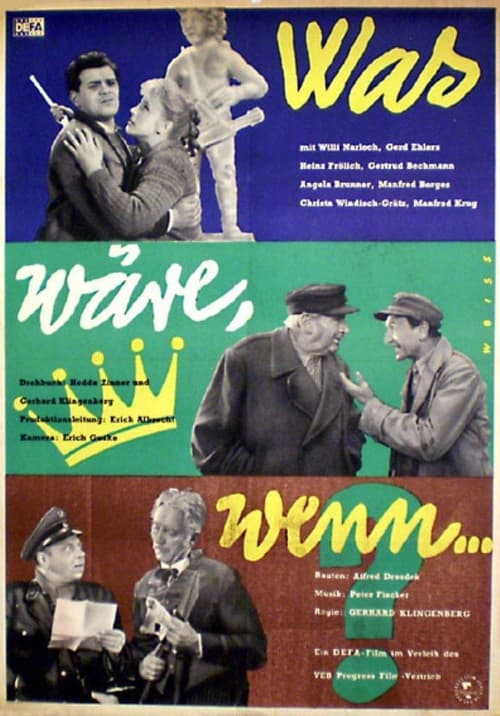
In the late 1950s, the collectivization of agriculture is in full swing in the East German village of Willshagen on the German-German border. Those in charge have to face many obstacles, especially from a large-scale farmer who is unwilling to join the co-op. All of a sudden, mysterious men in a fancy car appear in the village and show an interest in the rundown manor house. Gossip spreads quickly, and some villagers think there will be a re-parceling of properties and a land swap with West Germany. They assume everything will go back to how it used to be and even expect the count to return to his manor. In preparation, the situation in the village escalates at a fevered pitch.
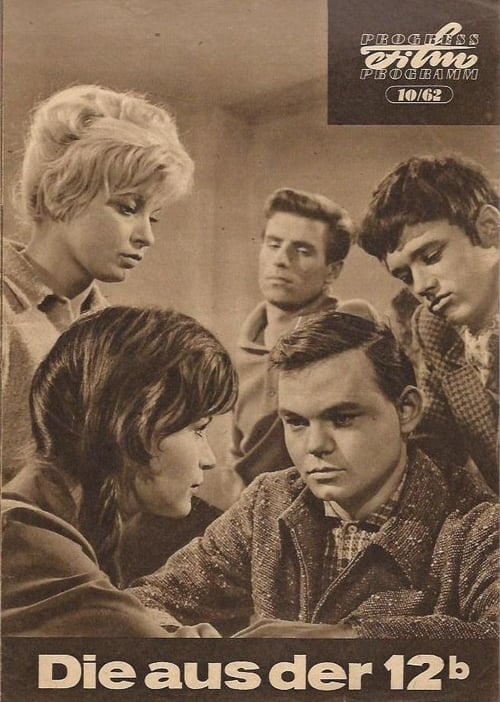
German teacher Miss Platzke starts working in a graduating class. Since she is young and inexperienced, the students soon consider her incapable of doing her job. Their disrespectful and harsh behavior makes Miss Platzke even more insecure, and she reacts with rigidity: On the last day before winter break she orders them to write an unannounced essay, thereby provoking a spontaneous strike.
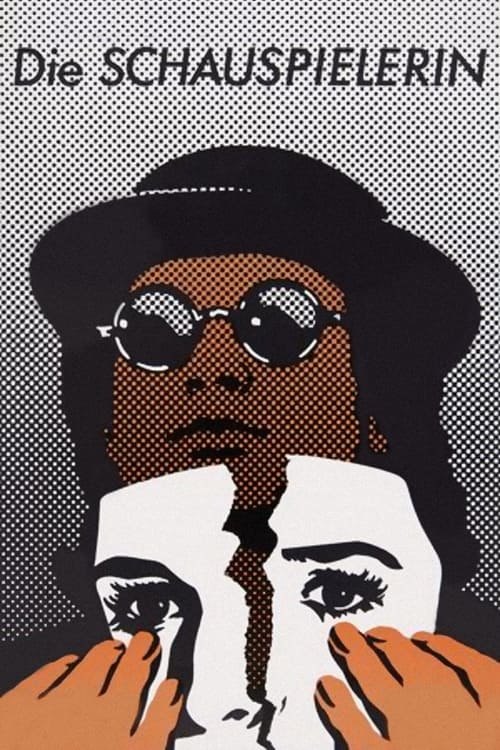
The year 1933: Successful actress Maria Rheine is in love with her Jewish colleague Mark Löwenthal. When the Nazis implement the racist Nuremberg Laws, their relationship is severely endangered. Defiant Maria decides to stay together with Mark and ends her promising career: She assumes a Jewish identity and continues to work under the name Manja Löwenthal. She and Mark perform at the Jewish Theatre in Berlin, until they become victims of an intrigue: Their colleague Judith, who has a crush on Mark, denounces them to the secret police.
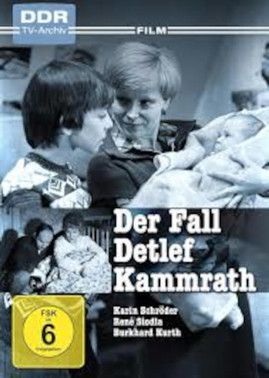
Until he was 11, Detlef Kammrath (René Siodla) had a carefree childhood. But now his parents have decided to go their separate ways and divorce - a catastrophe for the boy. The court awards custody to his mother (Karin Schröder), but Detlef harshly rejects his mother's new partner (Gerd Grasse). He sees him as the person responsible for his unhappiness. Hoping to improve the family atmosphere, his mother forbids the boy from meeting his biological father; this leads to Detlef's absolute despair, and he becomes a "case" for child welfare services.
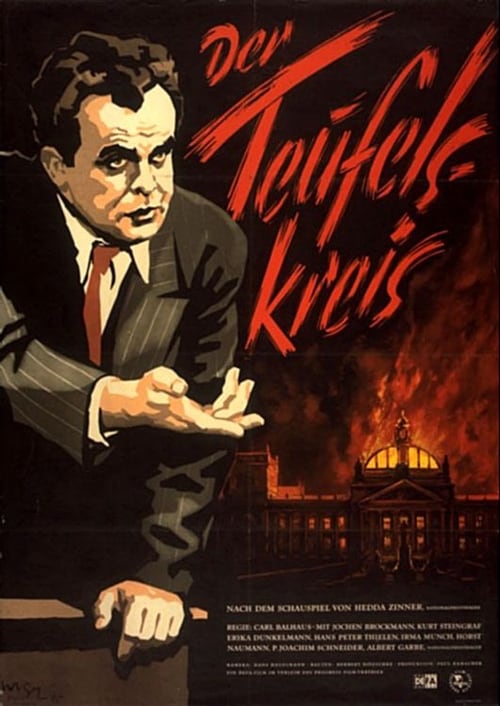
Shortly after the seizure of power by Adolf Hitler at the beginning of 1933, preparations were underway to silence the members of the socialist and communist parties.