
Lucía Torres Minoldo
Editing
Known For
No description available.
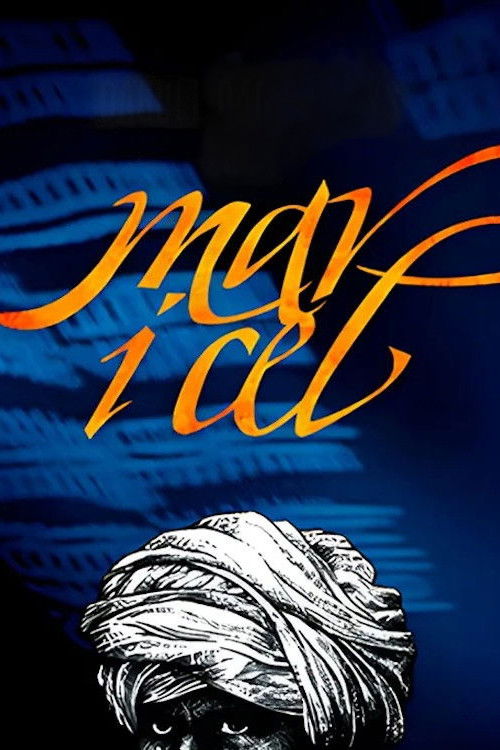
Mar i cel
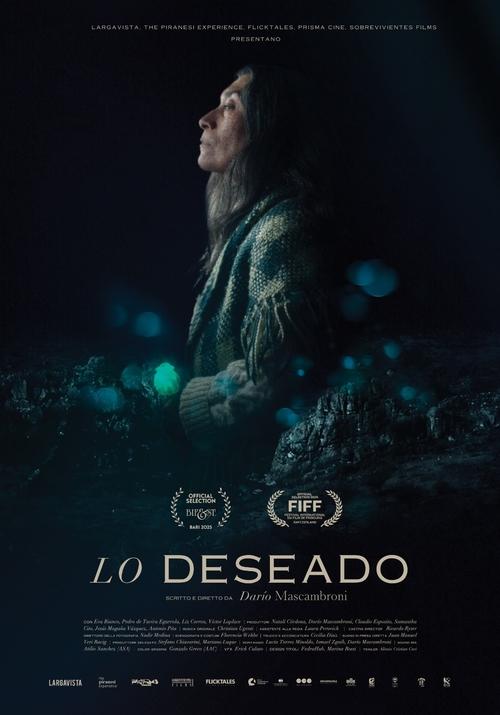
Emma and her father spend a few days in an isolated collection of huts in the Argentinian mountains. It is here that they meet Elda, a solitary figure, who will guide them through the world of pagan beliefs and local legend.
Lo deseado
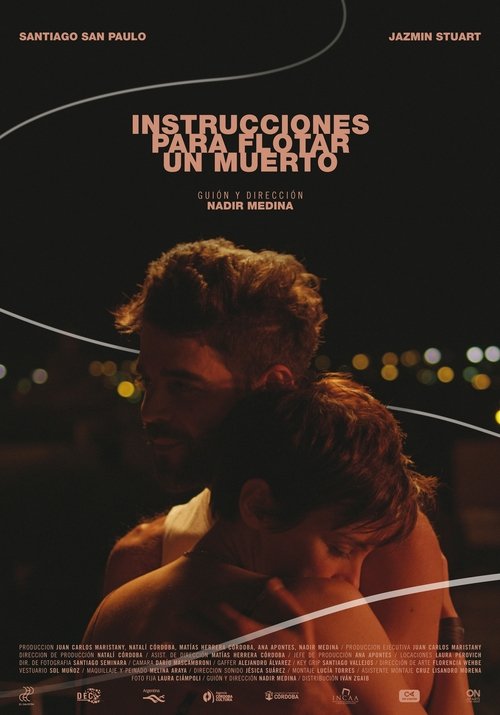
Pablo works in an old hospital in the city of Córdoba. Jesi is stepping into argentine ground for the first time since she moved to Europe. After years of silence and distance, they'll look at each other's eyes again. But there's someone else between them, someone who floods it all.
How to Make a Dead Man Float
No description available.
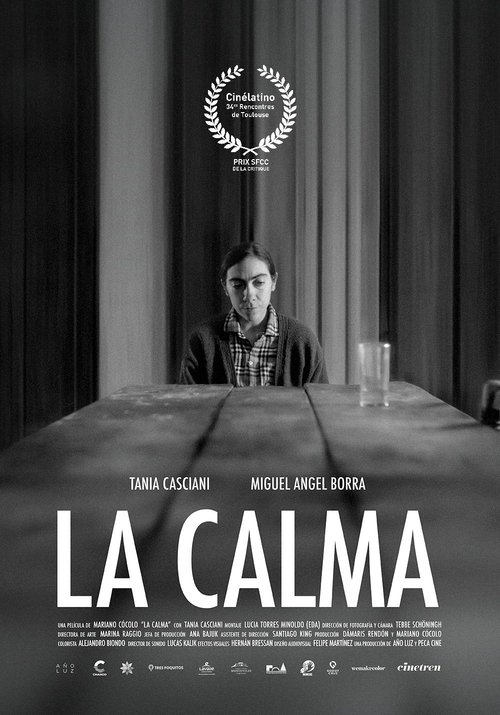
La calma

Today is the day of truth. Tomás, 12, has heard adults' excuses and delaying tactics long enough, today is the day the man who killed his father is being released from prison. And Tomás is ready.
Packing Heavy
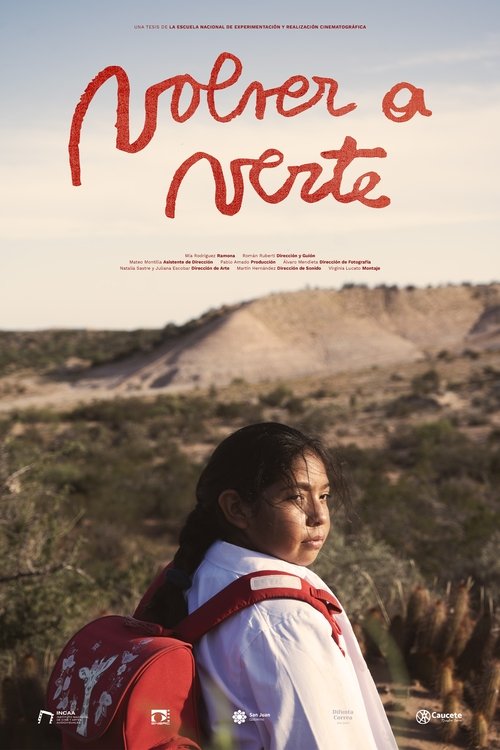
After a family crisis, Ramona develops a crisis of faith in Difunta Correa, a popular saint. She flees to the desert in search of answers. Upon her return, the power of promises begins to reveal itself.
Volver a verte
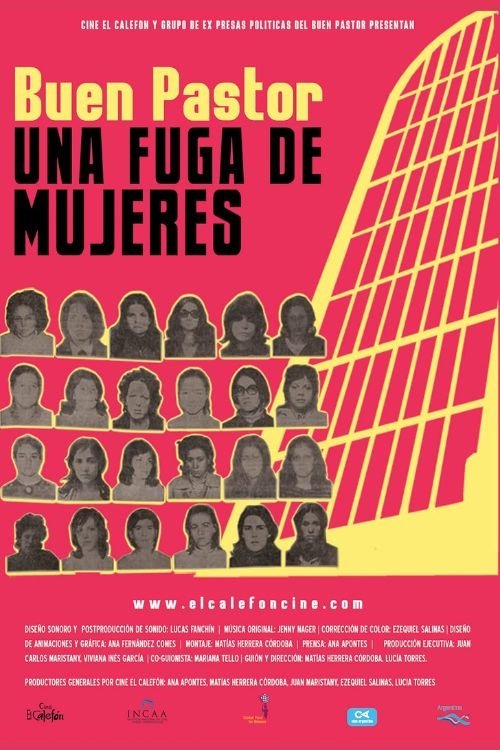
Córdoba, Argentina, 1974. The "Navarrazo" (Argentine Revolution) took place in the capital of Córdoba: Police Chief Antonio Navarro seized the Government House and deposed Governor Obregón Cano. A year later, in May 1975, under the intervention of Brigadier Raúl Lacabanne, 26 political prisoners belonging to different revolutionary organizations escaped from the "Buen Pastor" women's prison (now a shopping mall). This escape marked one of the many milestones of the turbulent Córdoba of the 1970s. The women (who had been tortured in prison) thus regained their freedom and returned to the struggle, although nine of them were disappeared by the military dictatorship. The documentary features testimonies from ten of those women.
Buen Pastor. Una fuga de mujeres

Two working-class young men dream of making it big with their cuarteto band. One night they get caught up in a crime they didn't commit. Knowing that their origin condemns them in advance, they flee with no other option.
La Zurda
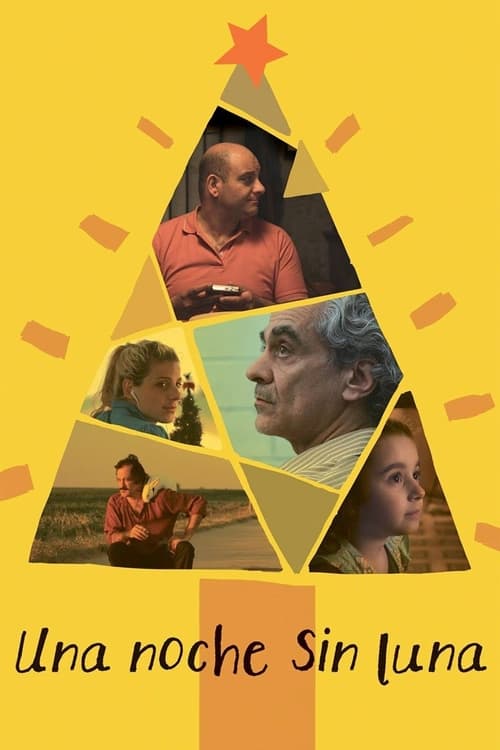
A divorced taxi driver shows up with a black eye at the home of his ex-wife’s new family; he’s been invited to dinner and he desperately wants to reconnect with his young daughter. A professional magician’s car breaks down and he ends up spending an emotionally intense night with a young, widowed toll booth worker. A singer songwriter serving a lengthy prison sentence is released for one night to perform at a local community centre. These three deeply engaging stories about yearning for connection unfold in parallel, one New Year’s Eve in a small town in central Uruguay, balancing the universality of human suffering with a powerful sense of hope.
A Moonless Night
Maria lives with her mother in a village in the interior of the country. She does the housework and works as a masseur in a room in the house. The mother is in a bad way because of an injury caused by Suncho, the dog in the house, and then Maria takes care of her demands. Florence, her younger sister, is moving to the capital with her boyfriend. The early arrival of the couple in the village, to finalize details of the move, triggers movements inside the house.
Los pasos

In his last week of summer, Lucas takes refuge at his friend's house after running away. Thanks to the support of his group, he finds a new perspective and makes a key decision before the end of the holidays.
El fin de las vacaciones
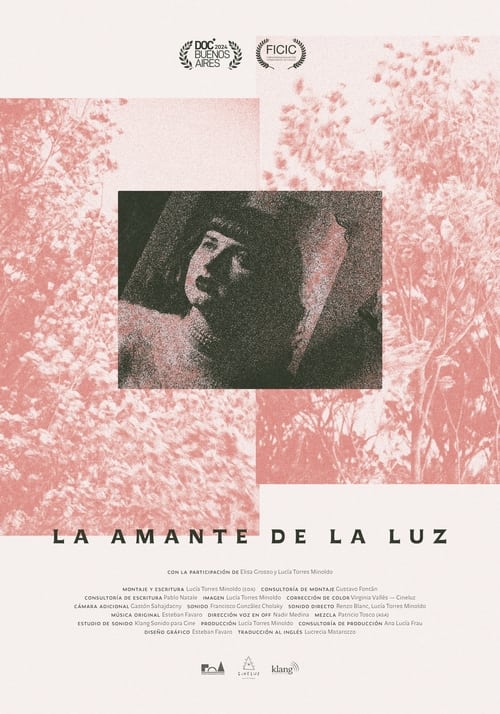
No description available.
La amante de la luz
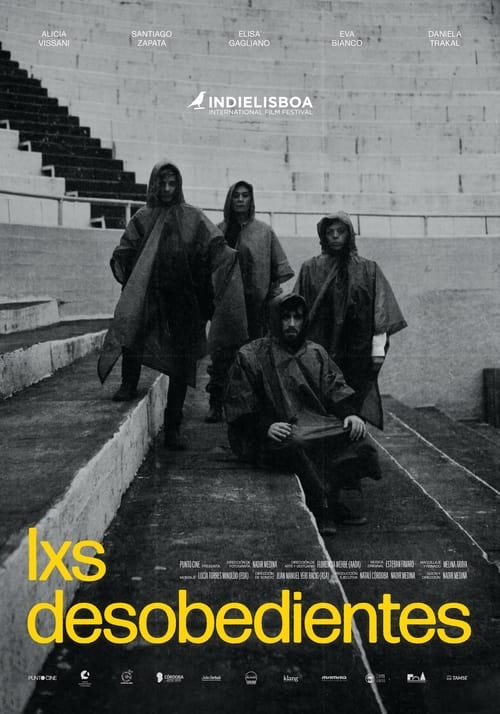
Those who rebel against authority figures disobey. This film echoes “Cordobazo” — a popular rebellion in Cordoba against the Argentine military dictatorship in 1969 — through the story of Alicia, a trolleybus driver who joins an insurrection against an oppressive regime.
The Disobedients
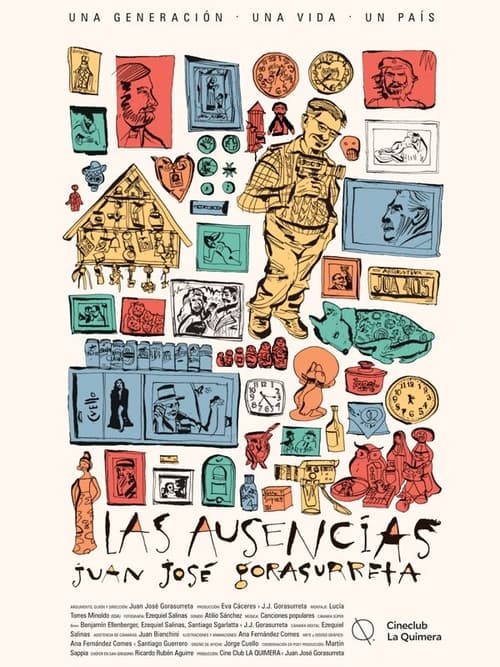
The life of Juan José Gorasurreta is pierced by images. In his new feature film, the historic film society programmer appropriates the films that made him in order to find new relationships and patterns and thus generate a convergence between his personal life, that of Argentina and that of cinema. In The Absences his travels coexist with Orson Welles, activism, Fernando Birrri, the Cordobazo, his studies, Eva Landeck, family, Carlos Echeverría, the Trelew Massacre, Nagisa Ōshima, censorship, film societies, the Malvinas war, his short films. The randomness of this list vanishes as the film progresses, and gives way to a synapse that is as logical as it is moving. “It is a portrait on how Argentine history and my encounter with films designed my sensitive areas” —as he did with his own story, no one could define The Absences better than Gorasurreta himself.
The Absences

Throughout Córdoba, Argentina, there is a wave of looting, and the police are taking several young people. In the midst of this hectic period, teenage Juliana becomes pregnant by her boyfriend, Lautaro. Juliana wants to have an abortion, but she is afraid to do it with pills and they do not have money to pay for an intervention.
The Kids in the Bikes
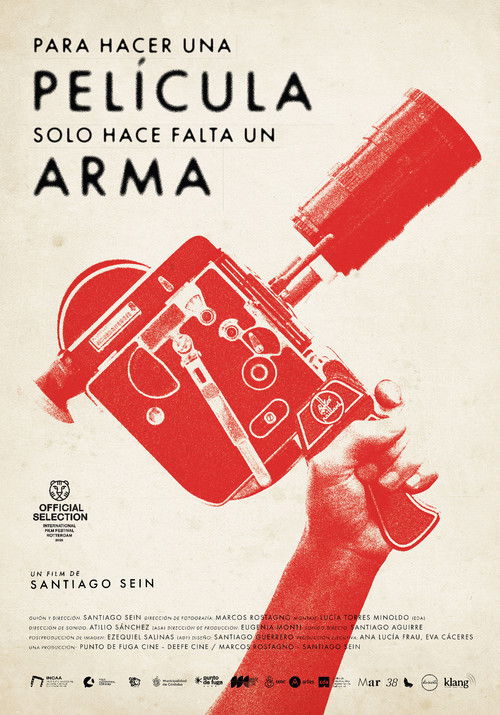
At the end of 2019, dozens of cans with films made by film students in the 60s and 70s were found at the University of Córdoba. Until then, it was believed that they had been destroyed during the last military dictatorship. Fifty years later, those images are projected again, taking us to an almost unknown period of Córdoba cinema and a time of unprecedented political, social and cultural effervescence. Each frame exceeds its original intention, to tell us about a group of young people passionate about cinema and the interests that mobilized them: psychology, militancy, music, sexual freedom. But the appearance of a strange character linked to the fate of the cans reminds us of the abrupt and violent end of the dreams of that generation.
All You Need to Make a Movie Is a Gun
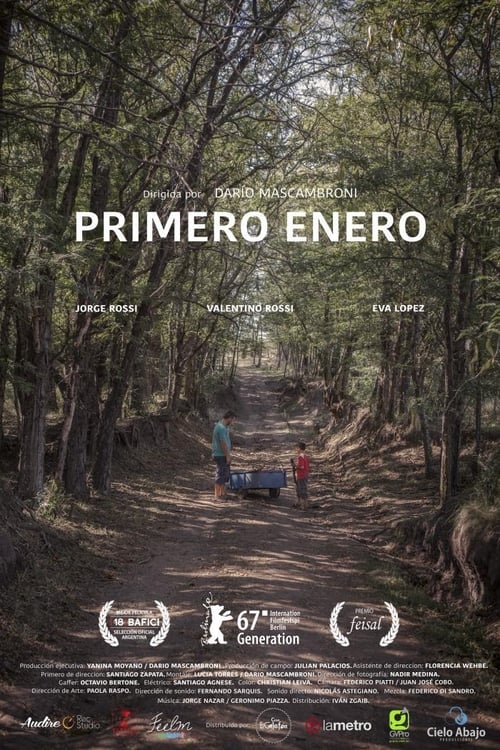
A newly divorced father and his son, spent a last vacation in their mountain house before it goes to sale.
First January

Ana and Isa, two little sisters abandoned by their mother, find refuge in their unbreakable bond. Together, they create a world of their own, filled with fantasy and love.
El Reino de las Nubes
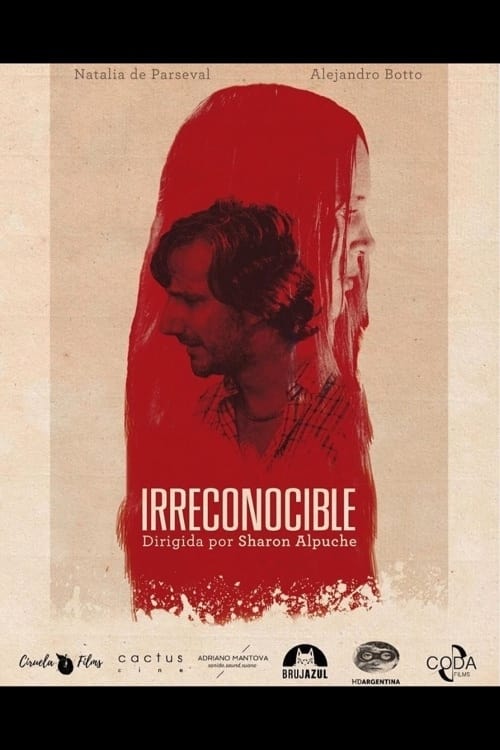
Mexican feature film
Irreconocible

Her father drew and painted. He also created murals and recorded family life with a home camera. He was interested in the intersection of justice and beauty, in everything that enchants the passing of the day and in every event that politically shapes an era. He painted horror, mercy, and imagination; he drew diverse human figures with his brush, sometimes associating them with situations that provoke indignation at a world order that favors the few. This is how Melina Terribili portrays her father, Carlos Terribili, a prominent Buenos Aires artist whose murals, such as "The Grey Angel," epitomize his technique and ideology. Terribili uses diverse materials: those she filmed recently in excellent resolution and in the 1990s on video with lower resolution, as well as fragments filmed on Super-8 and video by her parents.