Acting
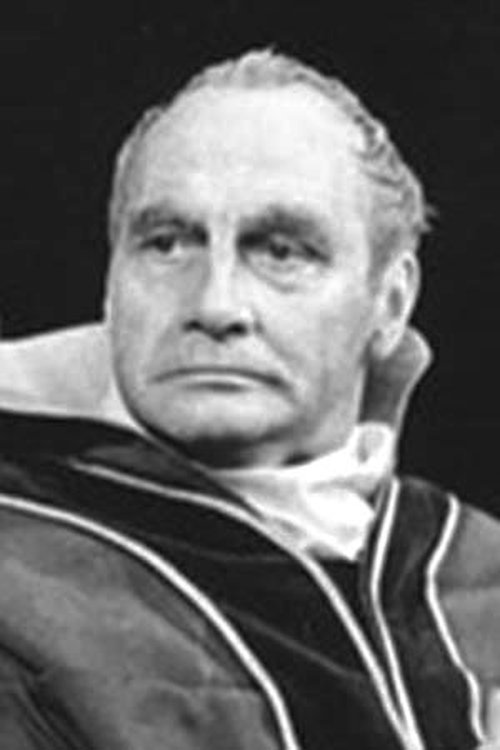
Hermann Stövesand was a German actor.
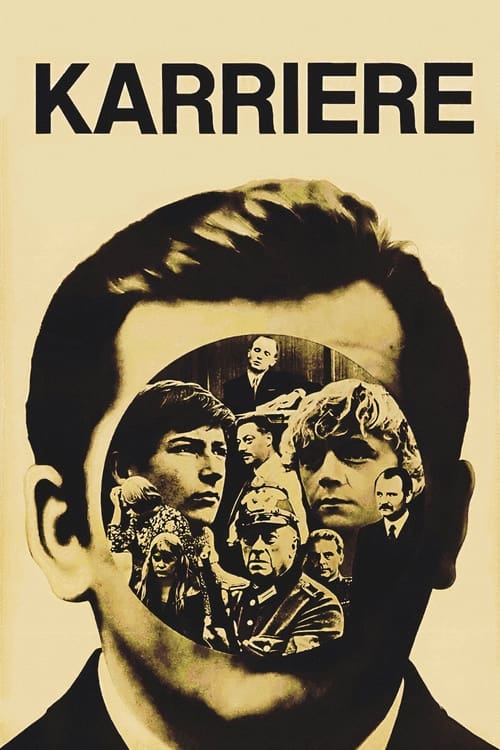
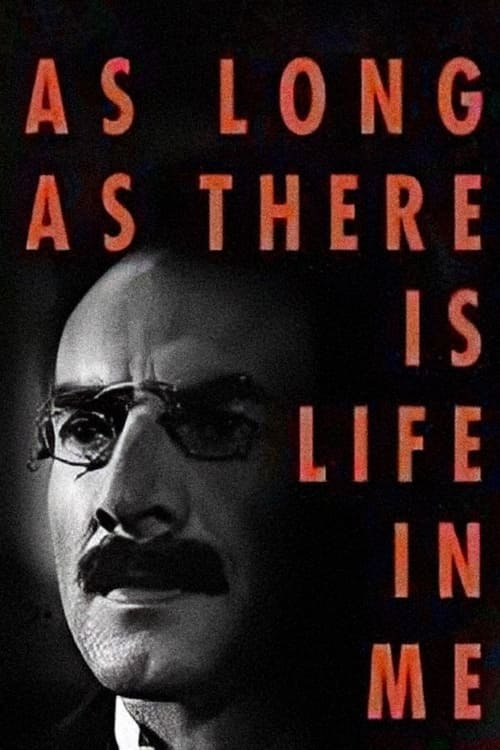
Günter Walcher, 40-years-old, is a hardworking, apolitical West German businessman caught in a moral conflict. He is offered a promotion to become the head of a division—on the condition that he find a reason to fire Zacharias, a communist and the work council chairman.
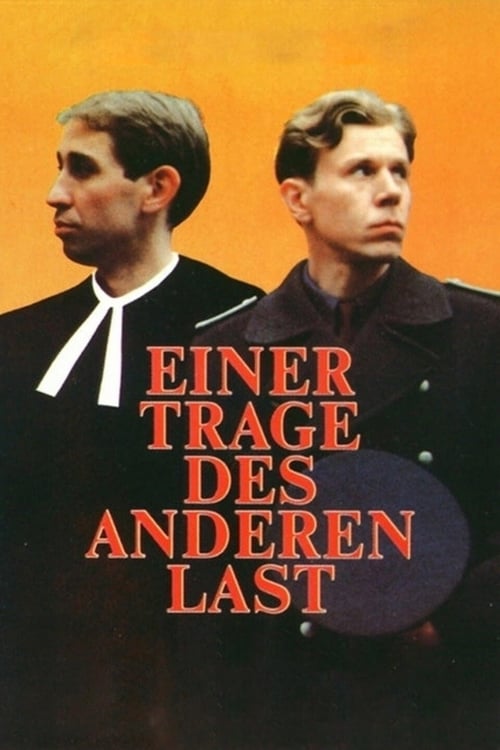
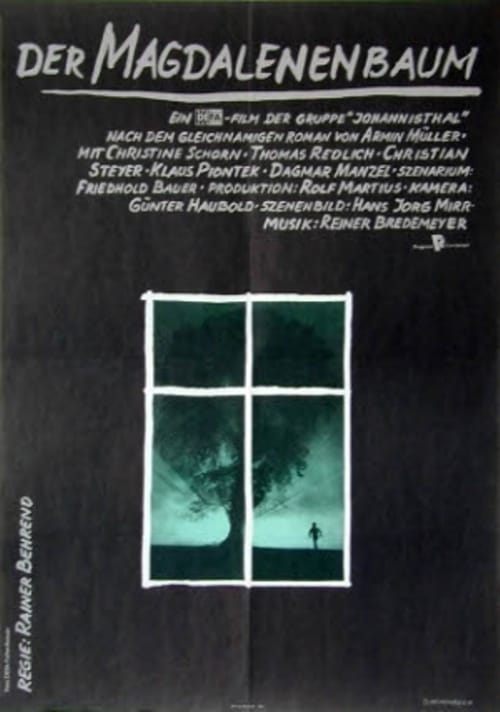
At the beginning of the 50s, two extremely disparate men meet in a private sanatorium for consumptives: an officer in the People's Police, Josef Heiliger; and a young Protestant curate, Hubertus Koschenz. On account of their consumption, they have to share a room. Initially, this is the only thing they have in common. The film explores Hubertus's struggle with his sexuality within the context of both the church and the socialist state.
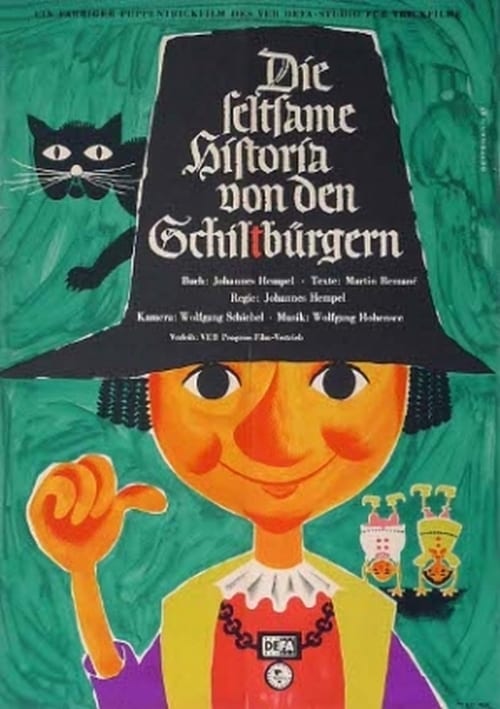
The first animated feature film made in East Germany. The people of Shilda were once welcome at the courts of princes all over the world, but back at the Shilda castle work remained and had to be carried out by the women of the town. The women grew tired of this and called their men back. After many foolish decisions, the townspeople were victims of their own devices, and eventually set fire to their own city. The fire destroyed everything, and the citizens of Shilda fled out into the world.
In the courtyard of a royal castle stands a well from which the residents must fetch their water. The king is very displeased by this; what annoys him most is the farmhand Hans, who appears at the well every day, whistling a cheerful tune. The princess likes the tune and asks Hans to teach it to her. This drives the king’s anger to a fever pitch.
No description available.
This is part one of a two-part biopic about Karl Liebknecht. In 1914, Germany is arming itself for war. Karl Liebknecht, left-wing revolutionary Social Democrat, workers’ leader and a virulent antimilitarist, is one among 110 SPD members of Parliament who vote against approving war loans. From then on, he is considered un-German and a traitor to the fatherland, and his own party’s leadership turns against him. Despite threats, Liebknecht speaks up against the war and writes the manifesto “The Main Enemy Is at Home.” Even when he is arrested and charged with treason, he does not surrender.
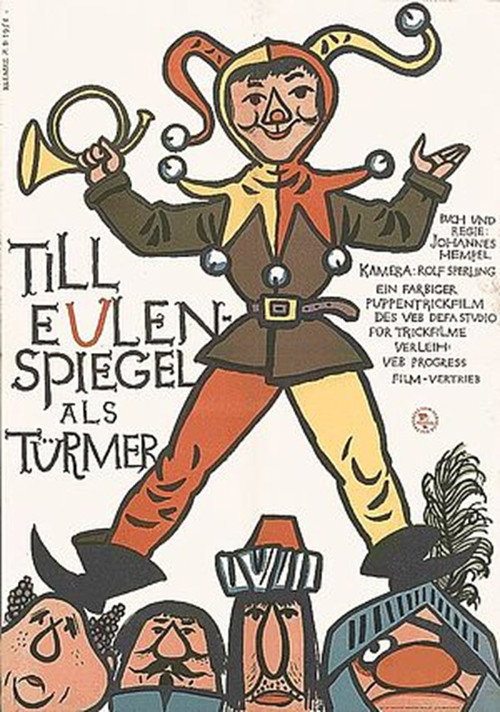
The count, an evil robber baron, appropriates the last of his peasants' cows. Till Eulenspiegel hires himself out as a tower blower to the wild journeyman and causes the count and his cronies to blindly leave the castle by raising a false alarm.
A duke tries to use force to collect the taxes of his peasants for the second time. The peasants want to defend themselves against this.
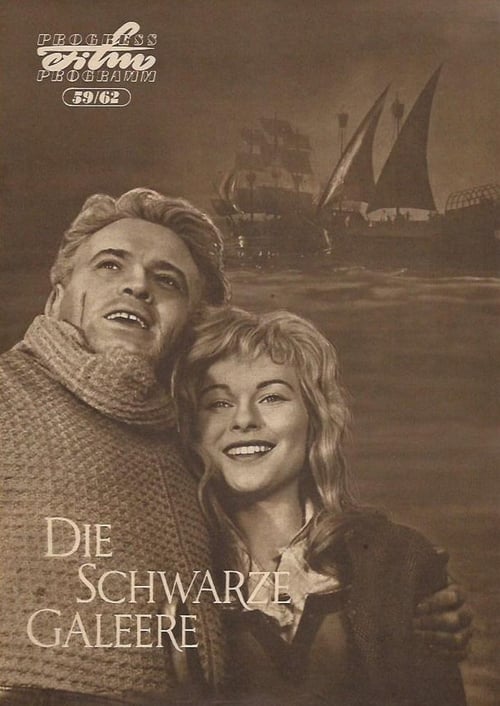
Antwerp at the end of the 16th century. For the second time, the city falls into the hands of the plundering and murdering Spaniards. Jan and Myga are just ten years old. While Myga's father tries to come to terms with the Spaniards, Jan leaves the occupied country with his father. When Jan has grown into a young man, he joins the Geusen and is entrusted with the best ship as helmsman, the "Black Galley". He survives numerous battles and dangers, but one day he is captured by the Spanish. He frees not only himself but also his beloved Myga from the hands of the enemy. In 1609, the Spaniards are forced to finally recognize the independence of the northern provinces.
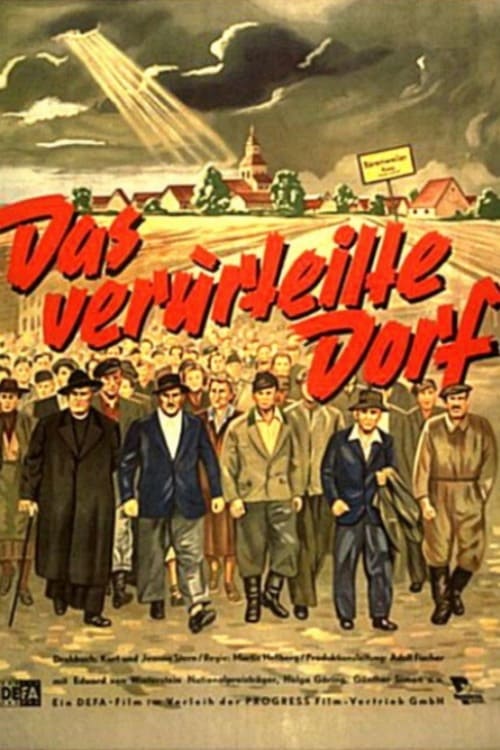
East German propaganda film about an American army base trying to take away land from a West German village.
The young sailor Felix Striebel goes on vacation to a village and visits the fresh grave of "Mother Magda".
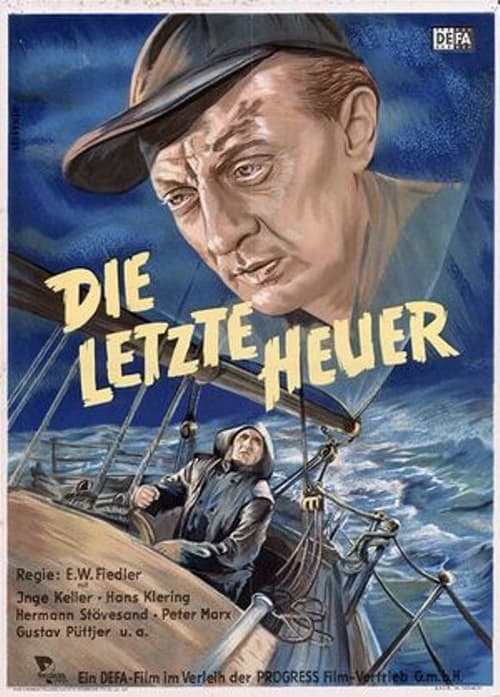
The ship stoker Heini Holler leaves Greece for health reasons and reports to the consulate of fascist Germany. The consul sends him back to Hamburg. He had previously reported him to the Gestapo there as politically suspicious. On his arrival, Holler is immediately arrested. His comrades kidnap the consul and demand an exchange for Heini, which is to take place in Marseille. The Gestapo agree to this as a pretense and secure the support of the French police to arrest the kidnappers. However, the solidarity of the sailors in Marseille is stronger and Heini is able to cure his lung disease in the Soviet Union.