Directing
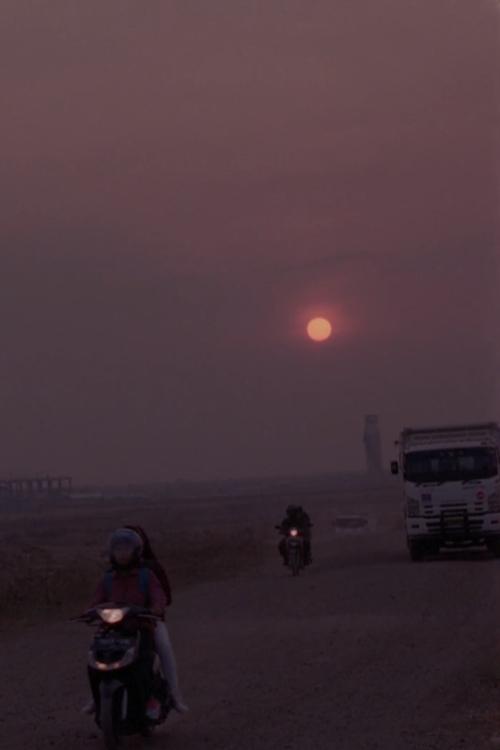
Jatiwangi / The Scent of Jati Trees is a collaborative portrait of the Jatiwangi Art Factory (JaF), their life and work in West Java, Indonesia.
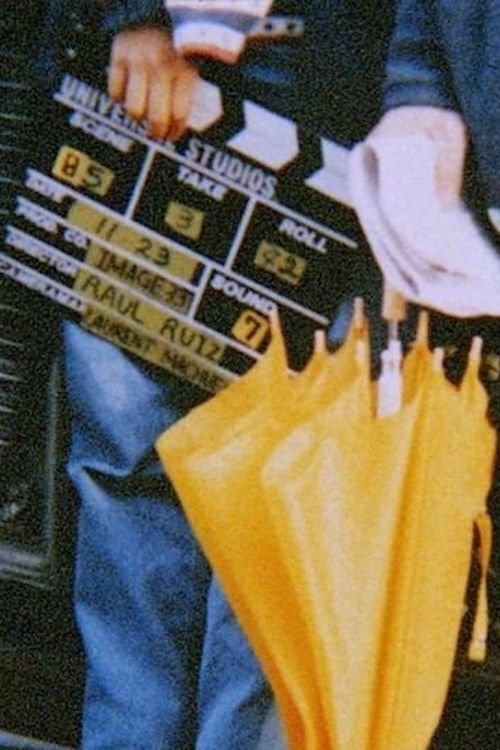
In 1995, Ruiz flew to Taiwan to film Comedy of Shadows / La comedie des ombres. The film was shot but never finished. The incompleteness of Ruiz’s film is the starting point for Double Ghosts, an ongoing project seeking to think through divergent cultural, social and geographical contexts. Considering the echoes of unrealised political histories from the legacy of the short lived socialist government in Chile to life under martial law in both countries, Double Ghosts attempts to use the space of cinema as a site of projection between the past and the present.
“Woven into the film are attempts to understand the docklands as a meeting place between different ecologies, enclosures and epochs, as a point of entanglement of the city and world. The film looks at ways to describe and embody these enmeshed histories from the legacy of police persecution of seaman boarding houses and Indian dockworkers known as lascars to the traces of early Chinatown in Limehouse and the experiences of London by Ayahs and Amahs, predominantly Chinese or Indian nannies brought back from the colonies and abandoned in the city after the voyage.” (George Clark)
‘The Scattered Body or A World Unclouded by Dust’ explores fragmented histories and the invisible work to care for archival objects from a Vietnamese community archive in Hackney to a state film archive in Hanoi. Moving through the archives and their systems of care, the body is both a material and medium to explore the multiple lives of archival objects, the spaces that contain them and the ecstatic labour that sustains them.
On Raúl Ruiz's missing Taiwanese film "La comédie des ombres" and the projection of Clark's "Double Ghost" at the Chin Pao Shan cemetery on 19 august 2018 (anniversary of Ruiz's death and Clark's birthday).
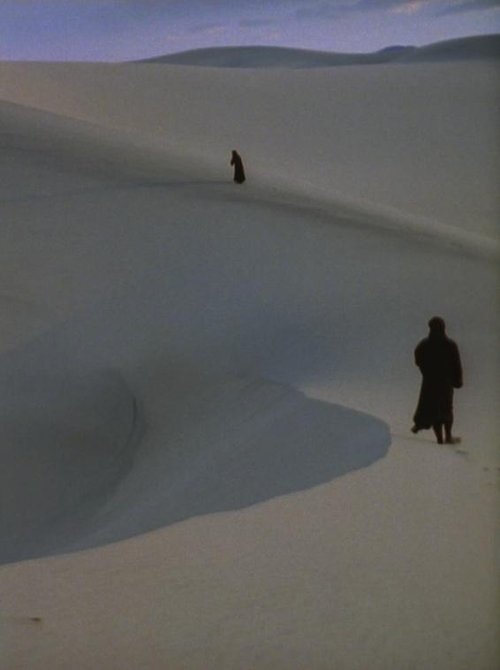
Mythic, quiet, and beautifully shot on 35mm film in the deserts of California, Clark’s film explores themes of culture, cultural excavation and appropriation, and the construction of history. Playing with movement and light in natural settings, with a glorious score, layered with a dialogue of two explorers, the film re-enacts the negotiations of an archaeologist from Cairo with members of an Egyptian tribe who guard ancient culture hidden in tombs lost in the desert. The scenario for the film was adapted from the 1969 Egyptian film A Night of Counting the Years, directed by Shadi Abdel Salam, creating a layered story with echoes of ancient Egypt, reflections on the diversity of desert ecology, and recent archaeological digs for lost Hollywood film sets.
Centred on an exchange of knowledge and experience between an indigenous Ainu elder and a filmmaker during the early stages of her pregnancy, Scent Line on a Moving Mountain pays close attention to the sensations of a type of ecological relationship that is no longer commonly practiced in Hokkaido, Japan. We see the two women foraging and cooking together, finding abundance where it isn’t immediately apparent.
Sea of Clouds reflects on the relationship between images and their possible narration. Filmed on six 100ft rolls of 16mm film in and around the island of Taiwan the film is structured around an interview with contemporary artist Chen Chieh-Jen. The film explores the relationship between film, landscape and rural life and the layered histories of these sites as potential places of self-organisation and resistance. Built around the question of translation and the relationship of what we hear to what we see, the film follows Chen’s retelling of the farmer’s tradition of using film screenings as means of covert political assembly during the Japanese colonial rule of Taiwan.