Production
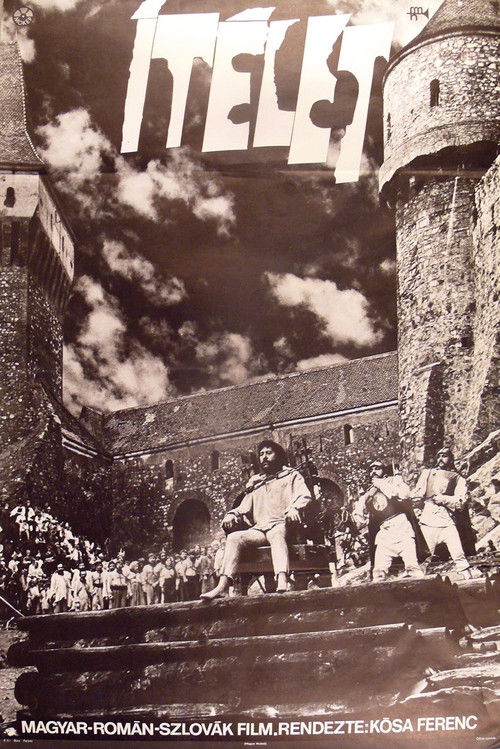
The film is a historic parable about the topicality of revolution. 1514. The peasants' uprising is over, Dózsa has been arrested. Werbőczy tries to get the imprisoned peasant leader deny the revolution and offers him the lives of his people in exchange.
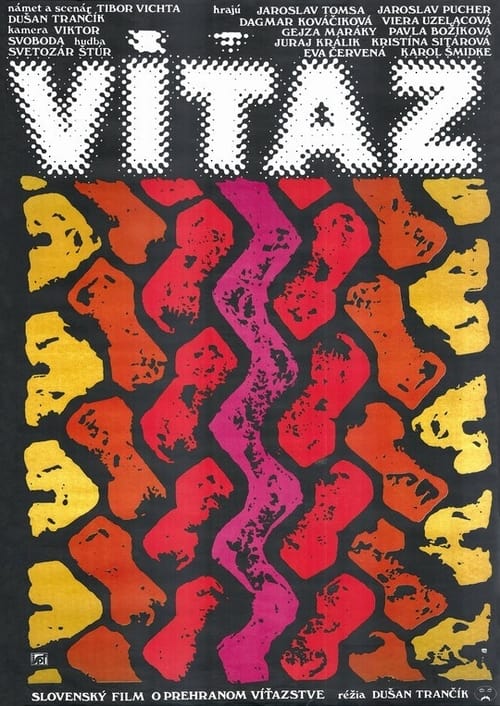
Tou former boxers meet in the ring again after years for a re-run of an old match. The old loser currently works as a factory executive and he is unwilling to reconcile with his old defeat. He challenges the old winner, whose job in a garage puts him on the opposite end ofthe career ladder. The match is a battle fought between two men who stand for two different attitudes to life. The confrontation results in the revelation that the winner is not always the one whose arm is raised by the referee after the last round.
No description available.
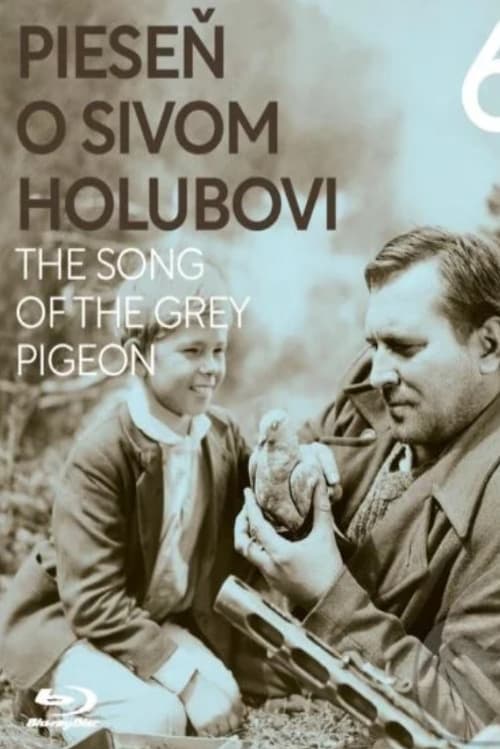
An unusual children's film set during World War II in Czechoslovakia, this compelling drama unfolds five different segments that present the war through the eyes of three youngsters. The three have a series of adventures which include saving a soldier from being captured by the Germans, helping out the resistance fighters, and meeting up with a young Russian woman trained in guerrilla warfare. As they learn more about life and danger, various circumstances constantly recall the reality of war itself. The title comes from a wounded pigeon under the care of one of the youngsters.
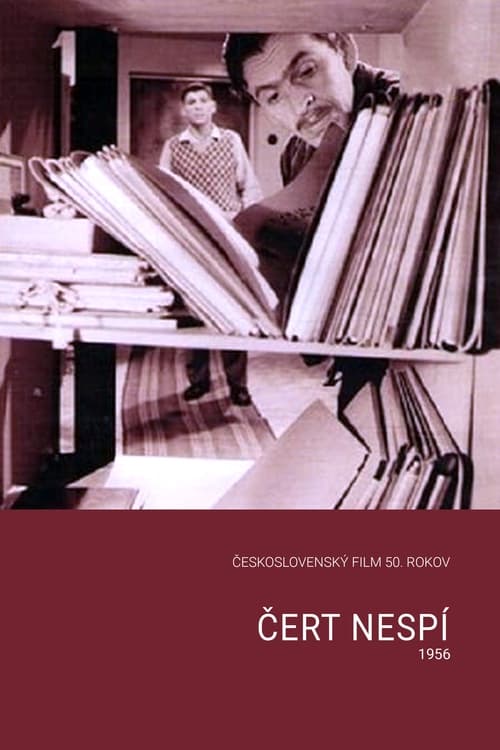
Police Lieutenant Vlado Hronec, together with the curious journalist Zvar, first search for the thief of important production documents, which they might be interested in even behind the Iron Curtain. At first, they think that engineer Kovalský stole them and fled with them across the border. However, when it is discovered that someone killed Kovalský, they have to start the investigation all over again...
Two female clerks using up their savings to enjoy a few days of carefree life, two plumbers looking for an erotic adventure, a building contractor determined to drink away all wages of his workers and a former major who became an alcoholic due to political persecution — these people meet in a ski resort bar somewhere in the High Tatras. During one night they gradually reveal their unfulfilled dreams, illusions and disappointments of ”average" people of those times.
After five years of hard work in America Juraj Hordubal (Anatoliy Kuznetsov) returns back home. He is looking forward to his wife Polana (Libuse Geprtová) and his little daughter Hafie. The family and the village welcome him with hesitation. Everybody believed that Juraj died in America because Polana stopped receiving money from him already two years ago. Polana's farm was prospering first of all thanks to the young stable boy Stepán (Sándor Oszter). Men in the pub first indicate and then say to Juraj directly that Polana has been unfaithful to him with Stepán.
A man changes his behavior according to the term of the year.
A movie built up of three stories about life in a small Slovak town. The Prosecutor: the district attorney is a jazz orchestra soloist at the same time and that is much disliked by the local provincial society. The Defender: is about a young doctor's relation to his patient, who is open about his reactionary opinions. The Judge: it is only after long years that the old judge realizes that his own marriage is in jeopardy.
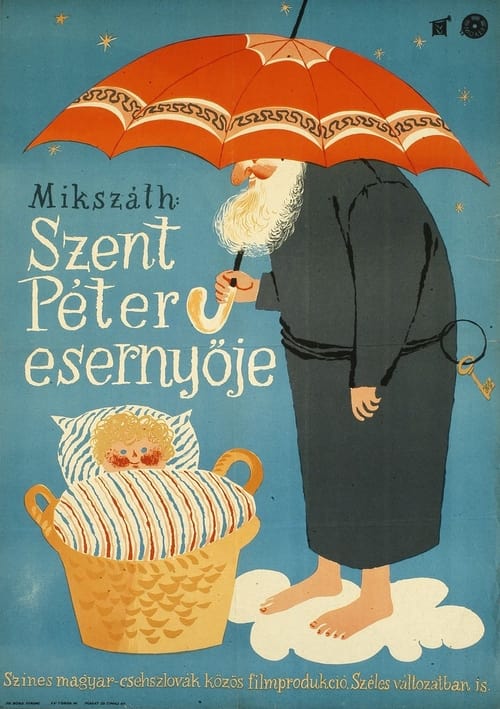
A comedy about a lost inheritance, love and a red umbrella, which, according to a local legend, belonged to St. Peter himself.
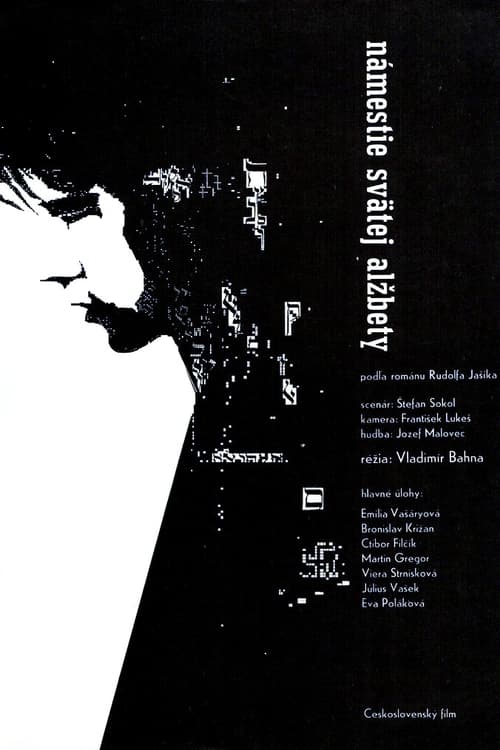
Film adaptation of Rudolf Jašík's novel of the same name. The plot of the film is situated in the forties of our century, in the first years of the Second World War. It captures the political and social atmosphere of one of the Slovak towns that lives seemingly in the lee, far from the world and war. Well, appearances are deceiving. Beneath the surface of peaceful, everyday life, a tragic process is taking place, accelerating people's destinies, the disintegration of their characters, but also the maturing of their relationships. The film is the story of Eva and Igor, their love, violently interrupted by political events. In this era of personal and social tragedies, children become adults almost overnight, honest people become victims, and mentally ill people become murderers. The film about the fates of Eva and Igor, the Jewish cartmen Samko and Maxi, and the careerist Flórik presents a believable, convincing picture of the era marked by the expansion of fascism.
Episodic film consisting of three satirical shorts ('Smutný káder', 'Typický prípad' and 'Vel'korysá kampaň') comically exposing the shortcomings of society. In the interval between each short, a committee recognising themselves in the characters on screen, voice their approval or disapproval of each film.
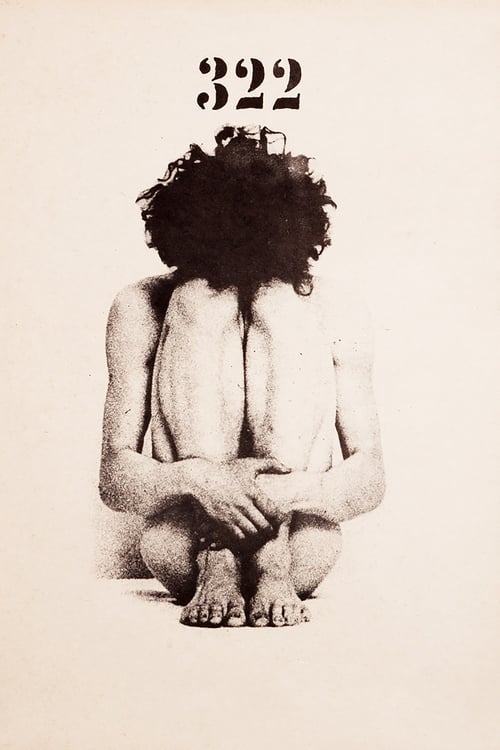
A story of a man threatened by a fatal illness evaluating his life (the number 322 in the film title stands for the diagnosis of one kind of cancer). He understands his illness as a form of punishment for his cruel deeds in the 1950s. In the face of reality and his efforts to cleanse himself he hits a barrier of indifference, lack of interest, and individual and collective selfishness. He has to find his own reconciliation with his illness and his past and present life.
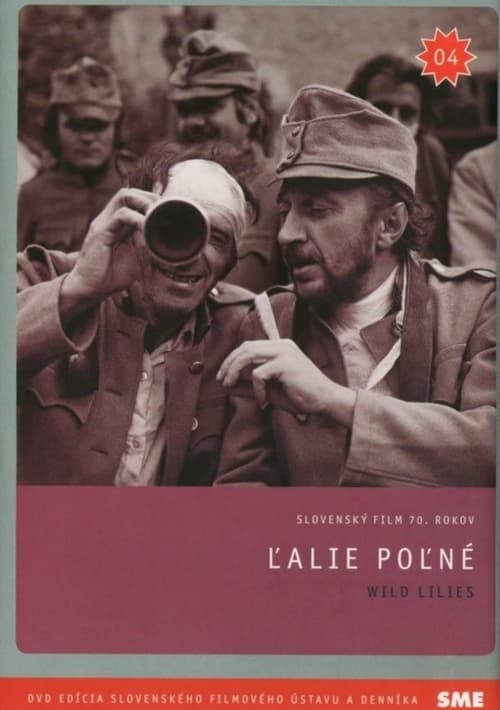
Two repatriated soldiers search for stability and love when they return home after the First World War.
A film about the dramatic lives of the people living in the village of Ráztoka during WW I. Women are left without husbands, families fall apart, finding themselves on the verge of poverty. Eva, the main heroine, is going through difficulties after her husband was drafted to the army. Her defilement and her tragic death cause a rebellion by which the village inhabitants finally stand up against their unbearable situation.
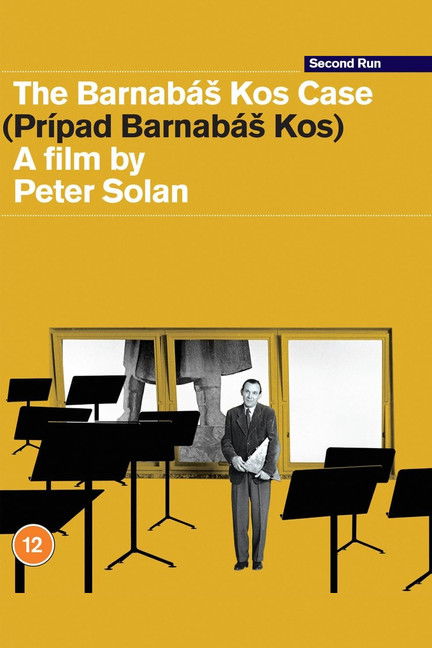
Barnabáš Kos, a meek and modest triangle-player in a state orchestra finds himself unfathomably promoted to musical director. Now drunk with power, the once timid musician turns into a poised, commanding peacock and seeks to transform the orchestra to suit his own agenda and inflated vision.
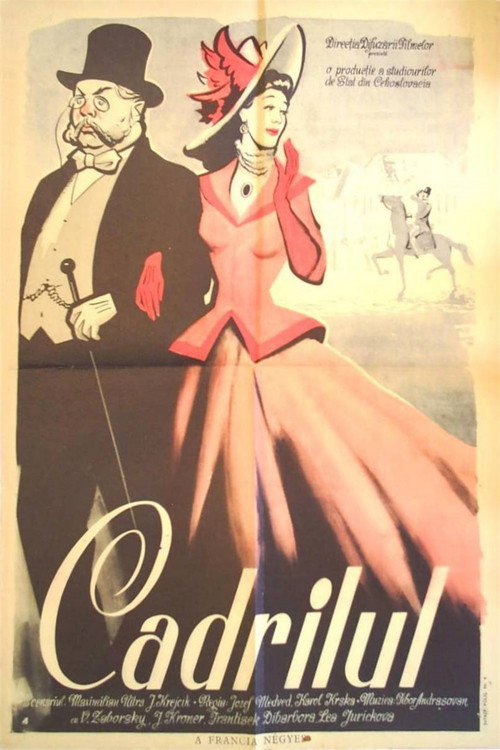
A comedy film taking an ironic view of the bourgeois period prior to the First World War.
Historical satire from the first half of the 19th century, which captures the decay and decline of the landed estate. The impoverished peasants still seem to adhere to the old principles of peasant honor and glory, but the elections will show how easy it is to buy knightly qualities.