A.P. Castro
Camera
Biography
Afrodísio Pereira de Castro often known as A.P. Castro (1893–1975) was a Brazilian cinematographer who worked on more than fifty films during his career. Occasionally he also worked as a sound recordist or a film editor. Wikipedia
Known For
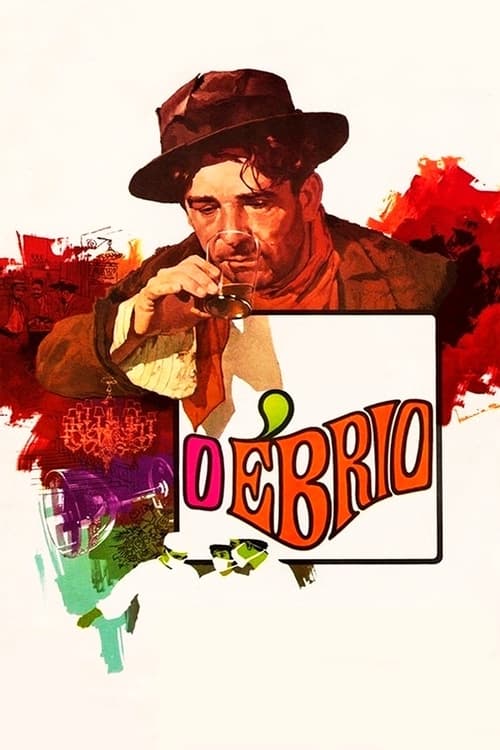
A good-hearted man, betrayed by his wife and friends, fakes his death and takes up a new identity, as a nameless, wandering drunkard.
The Drunkard
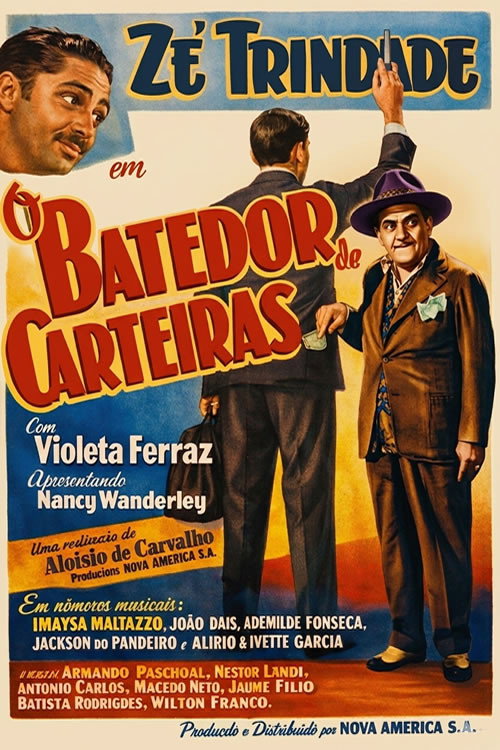
In the Rio de Janeiro Central Station, the infamous pickpocket Mão Leve meets Honorina—a Northeastern girl looking for a job—with whom he falls in love. Willing to conquer her, the thief decides to abandon his life of crime, but soon finds out it won't be easy.
O Batedor de Carteiras
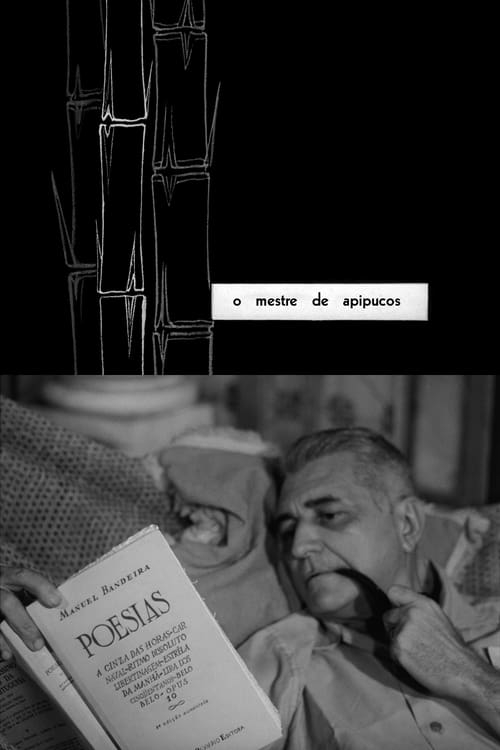
Documentary about influential Brazilian sociologist Gilberto Freyre, made in his country house in Apipucos, Pernambuco (Northeast Brazil).
The Master of Apipucos
An elderly head of the family, unlike his family—wife, daughters, future son-in-law, and servants—horrifies Carnaval, forming a humorous contrast. But, in need of money, he finds himself forced to accept the demands of an old Luzitano, who will only lend him money if he joins his group and joins the revelry.
Está Tudo Aí!

An ordinary thief and two accomplices invade a mansion whose owners traveled to Buenos Aires. They settle there with the whole family, until the real owners return. The owner's natural son saves the thief's situation when he threatens to reveal some compromising documents.
O Samba da Vida

A man is looking for a radio singer named "Dulcineia." For this, he goes through the biggest hassles and problems. The plot, in fact, is an excuse for the exhibition of the musical numbers of the greatest Brazilian Radio artists.
Hello, Hello, Brazil!
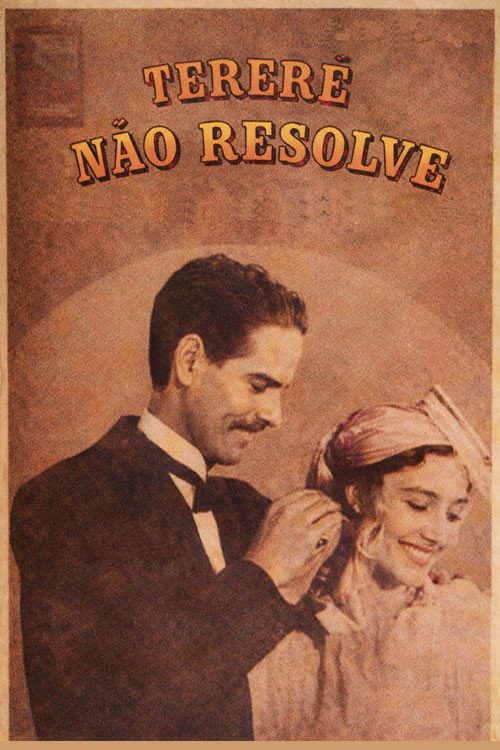
Three couples, two already living in Rio; and the third, with 'the one who hates carnival', coming to visit an aunt. One of the women bets that all husbands are unfaithful. They send invitations to their husbands to the carnival ball. They find a pretext to be able to attend. They, in turn, go in disguise, just like the maid. Hence the confusion at the ball, each one dating the other's wife.
Tererê Não Resolve

Badly advised by a high-class friend (who covets her husband) and by her scatterbrained father (always preoccupied with making cocktails), singer Noêmia forces her husband to abandon suburban life for the noisy 'big life' of Copacabana.
Onde Estás, Felicidade?

No description available.
A Voz do Carnaval
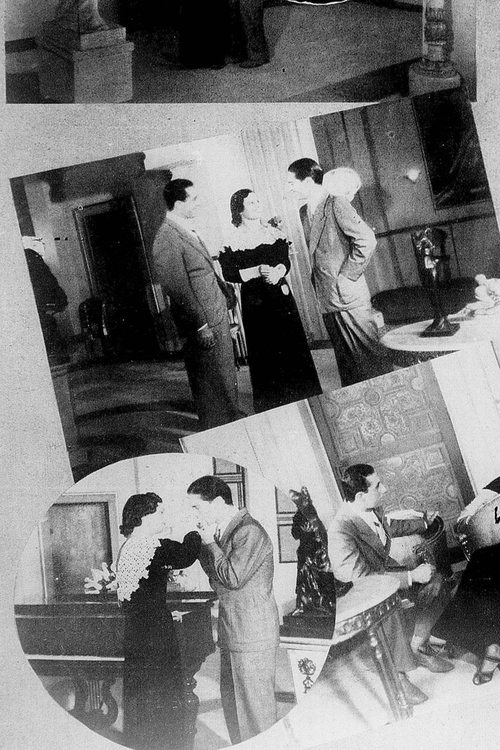
Luizinho is a young man passionate about Flamengo, fortunate enough to have his education paid for by the club, and plays in the team's lower divisions. A pupil of Rubens, the two compete for a spot on the professional team. Until Rubens introduces his friend to the woman he's in love with, Maria Helena. The problem is that she was Luizinho's childhood sweetheart, and the encounter rekindles their passion. A conflict begins between the two players that will be decided on the field.
Alma e Corpo de uma Raça

No description available.
Tem Boi na Linha

No description available.
O Dominó Negro
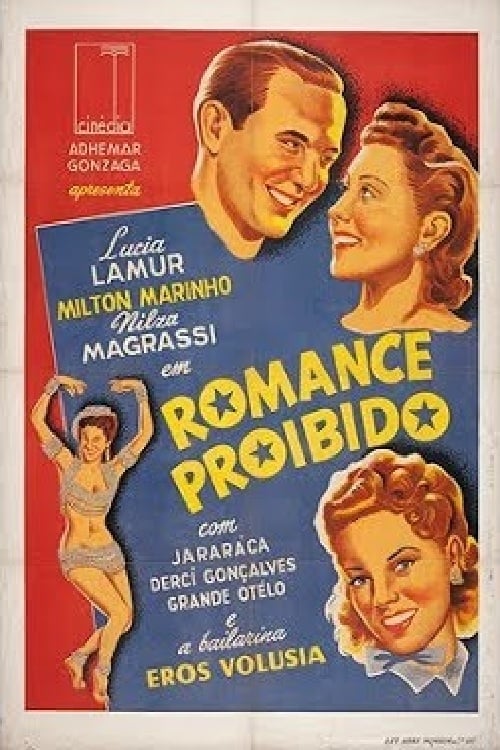
The love misadventures of a teacher, a woman who gives up living in a big city in order to teach country children how to read and write.
Romance Proibido

Alvarenga and Ranchinho have a law firm in a small village and go to Rio de Janeiro to hire artists for the village's radio station.
Blue pineapple

Two authors go look for a business to finance their dream musical.
Alô Alô Carnaval

No description available.
Obrigado, Doutor
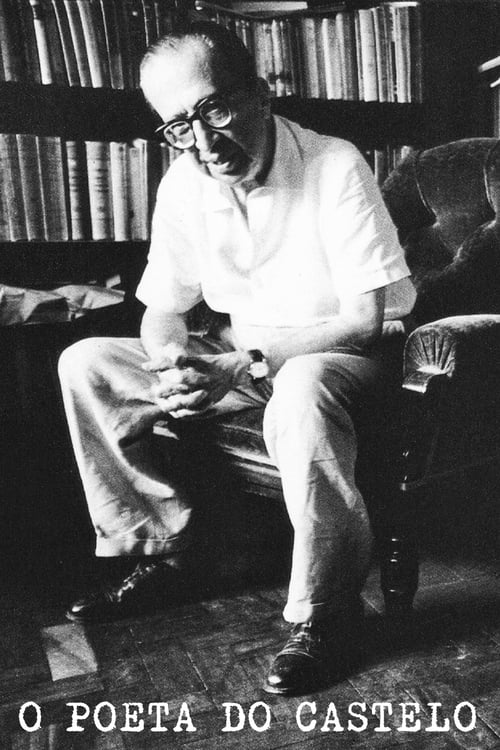
A 10-minute portrait of modernist poet and de Andrade’s godfather, Manuel Bandeira, is clear in its affection for it subject, though like many New-Waveish films of the time, depicts the modern urban landscape as an ominous and alienating force.
The Poet of the Castle
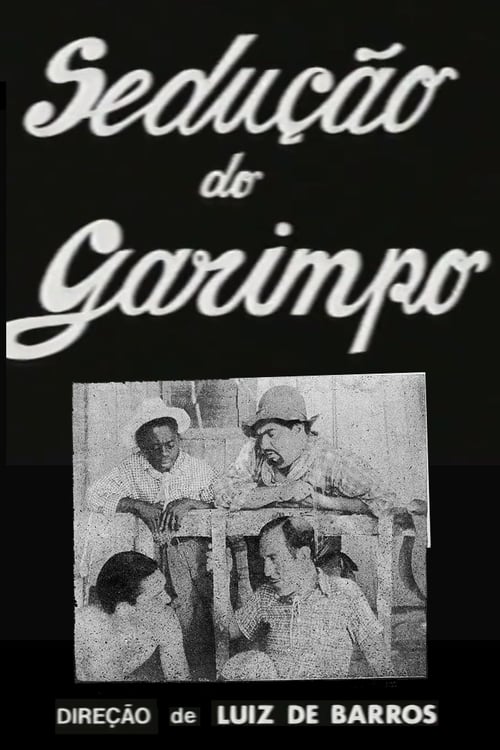
No description available.
Black Diamonds
No description available.
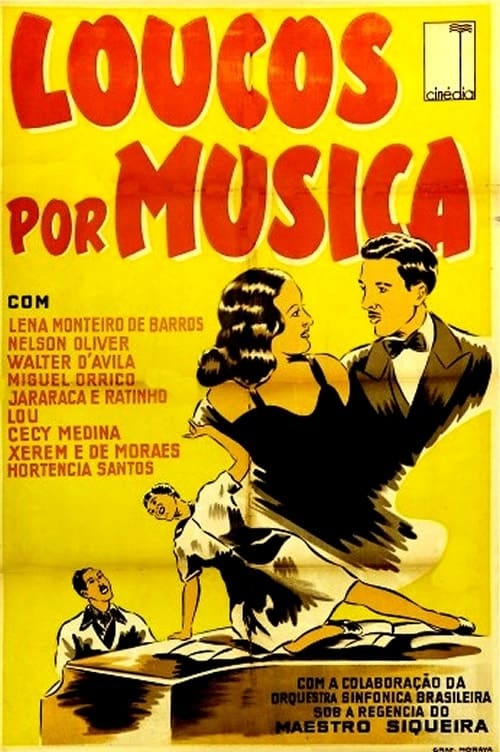
Loucos Por Música

No description available.