Acting
No description available.
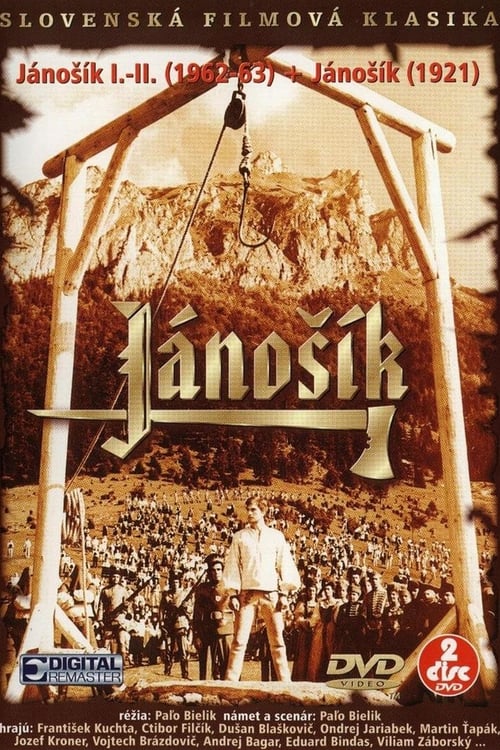
This film is one of the most popular pictures of Slovak cinema and relates the story about the legendary folk hero and brigand Juro Jánošík [1688-1713] and the social situation in Slovakia of the late 17th and early 18th centuries. The first part talks about Jánošík's childhood, studies and return to his native village. In the second part Jánošík leaves for the hills, where he organizes his band of brigands and starts an anti-feudal resistance. The film concludes with Jánošík's execution.
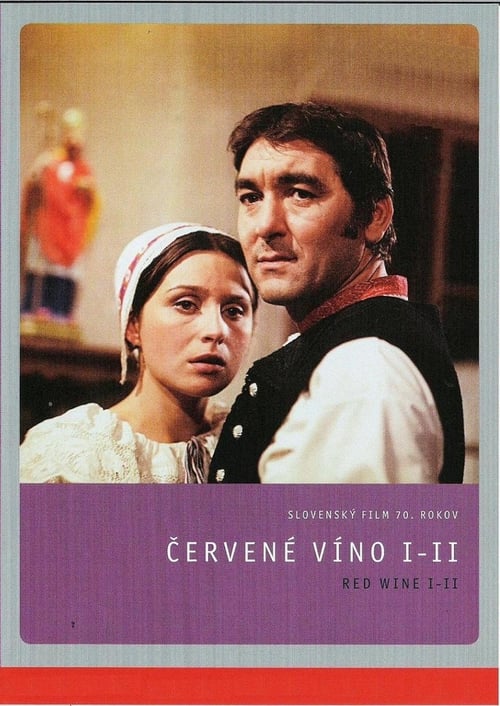
An epic saga of the Habdza family of vineyard keepers set in western Slovakian countryside at the beginning of the 20th century. Director Andrej Lettrich's novel adaptation talks of plotting, forbidden love. family discord, and struggle for heritage and power. The story is engaging thanks to the impressive performances of popular actors, dramatic situations, and sensitive music. Red Wine is not so much inventive in terms of auteurship as it is a work of excellent craftsmanship. The resulting picture is a costume production neatly adapted to the character of Slovak rural life in the past.
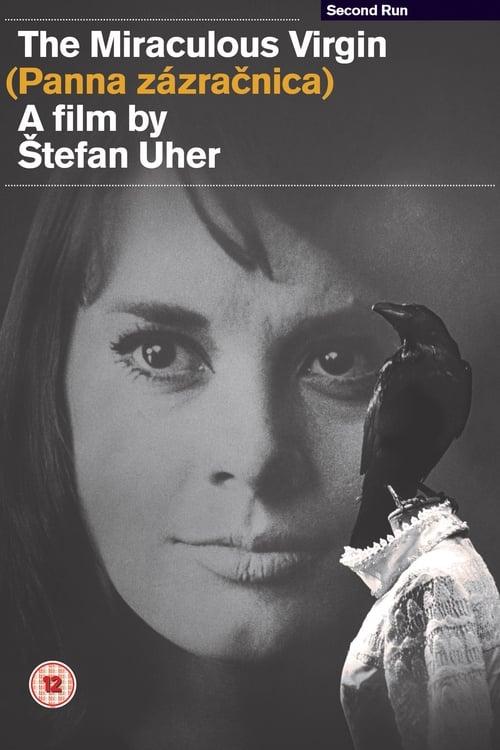
A film adaptation of the novelette of the same title written by Dominik Tatarka depicts the life of a young generation of artists that was formed in Slovakia during the war. Anabella, a young and beautiful girl meets a group of artists. She awakens their erotic desires but also pure feelings of love; she becomes the object of their secret fantasies as well as their artistic inspiration. And it seems that the boundaries between reality and fantasy suddenly cease to exist.
The film presents a parade of customs, music, songs and dances of the Slovak people in four seasons, based on a theatre play by I. Teren and K.L. Zachar from the first years after the liberation.
Existentialist drama based on the play of the same name by the Slovak writer Ivan Bukovčan. The story of ten apparently randomly selected people placed in a beer hall of a small town during the Nazi occupation of Slovakia. Slowly, facts begin to emerge, characters are drawn, and the story begins to gather a dangerous pace.
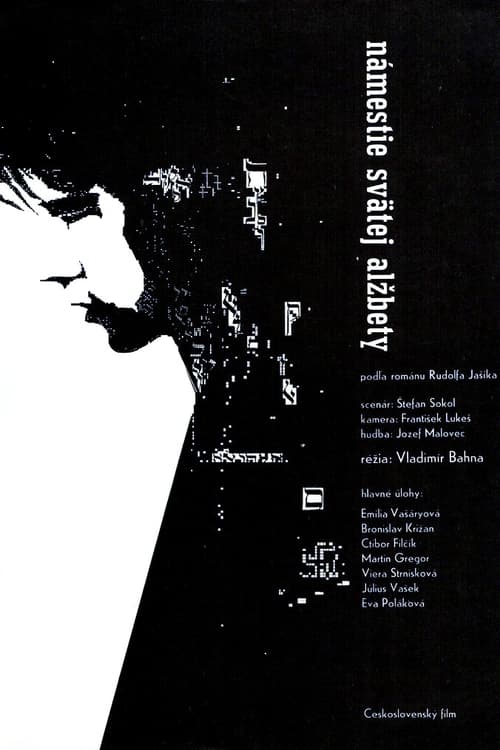
Film adaptation of Rudolf Jašík's novel of the same name. The plot of the film is situated in the forties of our century, in the first years of the Second World War. It captures the political and social atmosphere of one of the Slovak towns that lives seemingly in the lee, far from the world and war. Well, appearances are deceiving. Beneath the surface of peaceful, everyday life, a tragic process is taking place, accelerating people's destinies, the disintegration of their characters, but also the maturing of their relationships. The film is the story of Eva and Igor, their love, violently interrupted by political events. In this era of personal and social tragedies, children become adults almost overnight, honest people become victims, and mentally ill people become murderers. The film about the fates of Eva and Igor, the Jewish cartmen Samko and Maxi, and the careerist Flórik presents a believable, convincing picture of the era marked by the expansion of fascism.
A young doctor and a group of injured are hiding in an underground shelter and are liberated by Soviet soldiers.
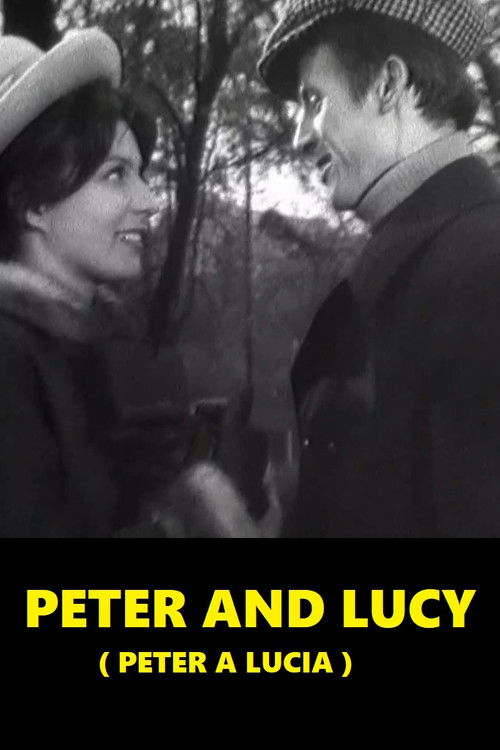
Television production about love killed by the rampage of war. It depicts two months of a fragile relationship between a student, Peter, and an amateur painter, Lucie. In Easter week, the young couple's love was supposed to reach its climax, but the lovers' fate is tragically fulfilled - they die in a bombing raid in the ruins of a church.
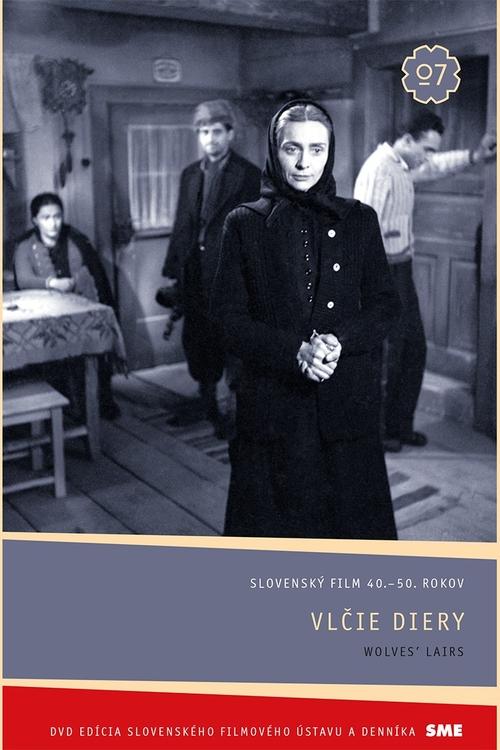
This drama from the times of Slovak National Uprising is situated in a small Slovak village. It is the tragical story of a widow and her four sons who fight alongside the partisans against the German occupants.
A TV adaptation of a novel by Austrian writer Stefan Zweig. The tragic love story of a lame girl and a lieutenant provides a framework for reflection on human compassion. A young officer wants to gain status and is looking for a "good match." He insinuates himself into the home of a local wealthy man, partly because he loves his niece. Under unfortunate circumstances, he discovers that the wealthy man's daughter has been paralyzed from the waist down for some time. She takes the officer's apologies and frequent visits as a sign of affection. She believes him and begins to hope again that she will recover. This is also so that she can be an equal partner to him, like other women. At first, the officer plays along.
Slovak movie is based on the novel by the prominent representative of Slovak prose František Hečka, who was in 1952 awarded the State Prize. The novel and the movie successfully capture the development of Slovak village after the liberation in 1945. The narrative is centred around the characters of the old Púplava, who after the liberation begins to organise a new village life, and his struggle for the construction of settlements Mrzáčky, burnt by the fascists. It is centred around the conflict, greatly reflecting the situation of the countryside at this time: the conflict between the rural poor and the rural rich. In the movie, a rich personal and emotional life of other heroes pulsate besides the main storyline. The movie ends with the final defeat of the reactionary forces by Communists in February 1948, taking over all power in the state of workers and peasants. - "The Wooden Village" is released in celebration of the 7th anniversary of the Communist February Victory.
A poetic melodramatic documentary inspired by the death of Jan Palach. The footage from the funeral is accompanied by the words of Maxim Gorky's Old Woman Izergil (On the Flaming Danek's Heart), sung by Kühn's mixed choir, solos by Milada Sýkorová and Jiří Němeček. The apotheosis of a leader who sacrificed himself to save his people, warning of the cowardice of the crowd.