Daniel Králik
Acting
Known For
No description available.
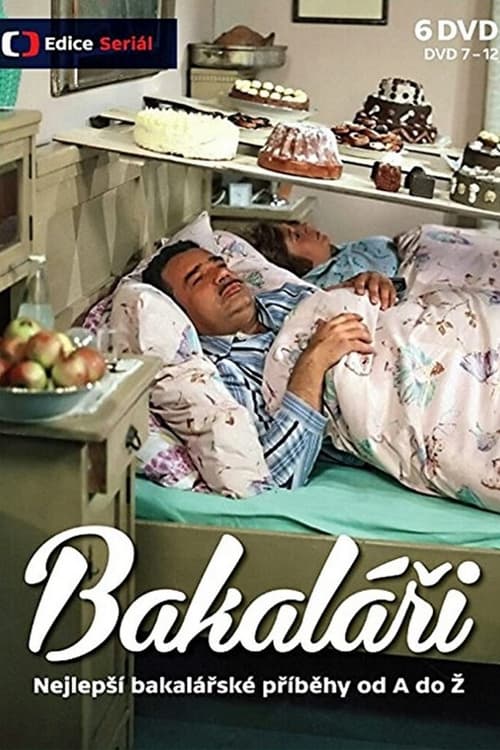
Bakaláři
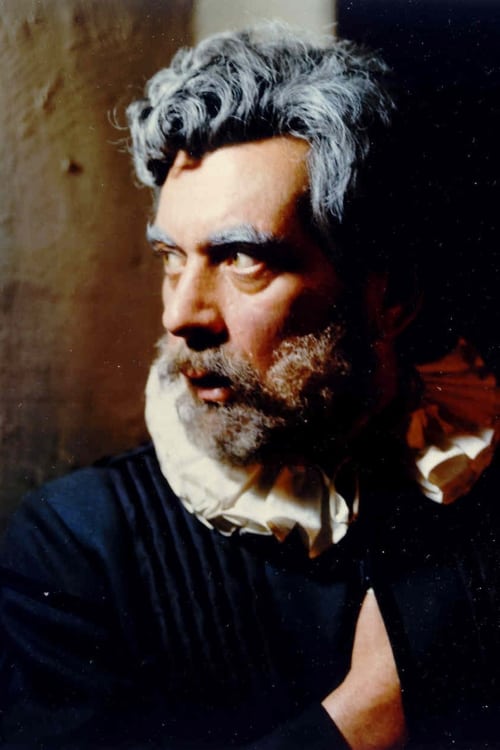
Series about the life of Renaissance anatomist, scholar and politic Johannes Jessenius. Already legendary series today, was produced by Czechoslovak Television Bratislava, directed by Slovak director Miroslav Luther in the first half of 80's in Barrandov Studios in Prague. The story and screenplay of the series wrote Czech writer Vladimír Körner. Five-episodes epic historical narration is a biographical story of distinguished Renaissance scholar, anatomist and politic of Slovak origin, Johannes Jessenius (Ján Jesenský, 1566–1621). It displays his life from the first studies and successes. In 1594 he became professor of surgery and anatomy on Wittenberg University, which he had attended years before. From that moment, his life went through social and personal wins and losses, to the sad end on the Prague Old Town Square gallows, among 27 noblemen, knights and burgenses, after lose Bohemian Revolt in 1621. His destiny was coupled with key events of Czech history in the break of 16th and 17th century, when Renaissance and European humanism slowly fade out.
The Physician of a Dying Time
No description available.
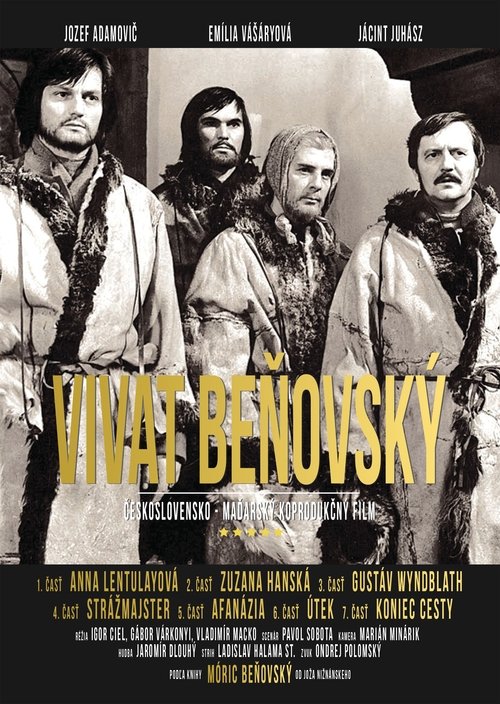
Vivat Beňovský!
No description available.
V službách zákona
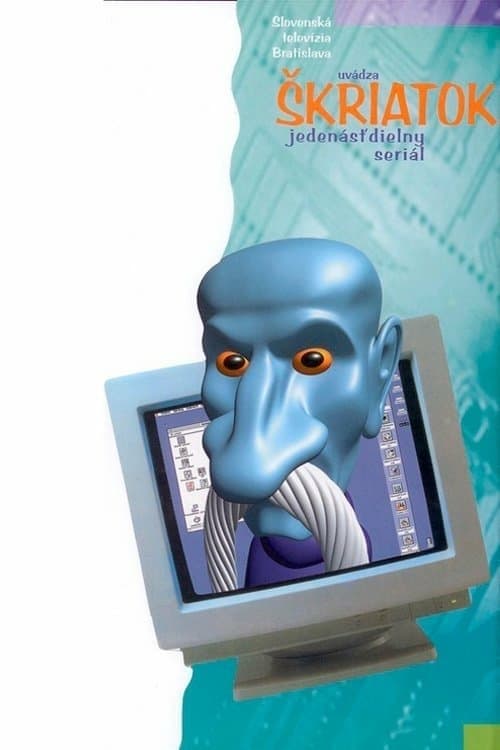
A family series about the modern computer technologies and a books heroes like Peter Pan, Three Musketeers and others...
Elf
The series depicts the history of Slovak society in the first decades of our century and leaves a deep faith in humanity and the nation. It tells the life story of Pavlínka, the daughter of a laborer and innkeeper, whose fate is filled with love, social ambitions, and unfulfilled dreams, and who ultimately returns to the basics of life, to naturalness and wisdom.
Život bez konca
A comedy film taking an ironic view of the bourgeois period prior to the First World War.
Štvorylka
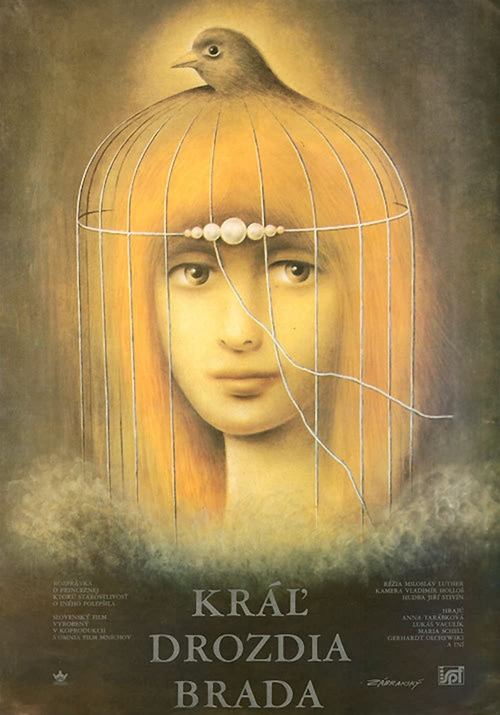
When a selfless king learns of a beautiful princess in a neighboring kingdom who callously turns down every suitor with an insult, he tries his luck to no avail. So, he hatches a plot with her father in which the princess is married to him, in disguise as a beggar, so he can teach her lessons about humility and compassion.
King Thrushbeard
Zypa Cupak - with this strangely distorted name, the arduous journey of father Ďur to his nephew's wedding in Belgrade begins. After all, not understanding a foreign language can mean great difficulties and many misunderstandings. And although father Ďur is helped everywhere to reach his destination, he cannot avoid problematic situations.
Zypa Cupak
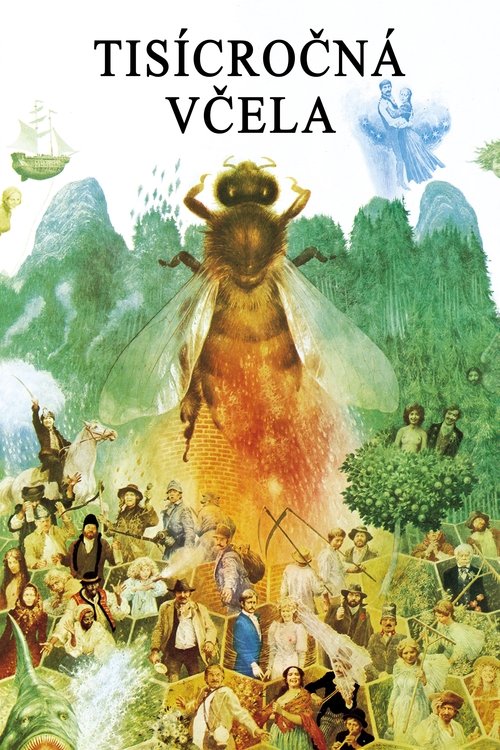
A family saga taking place mostly in a small Slovak village over a period of thirty years (1887–1917). The first part captures the life of Martin Pichandu in the development of his craft, masonry; in the second part, his son is center stage living in a period of socio-political crisis, which ultimately results in the first World War. After originally airing on Czechoslovakian television in 1983 as a four-part 226-minute mini-series, this production received a 163-minute theatrical release in 1984.
The Millennial Bee
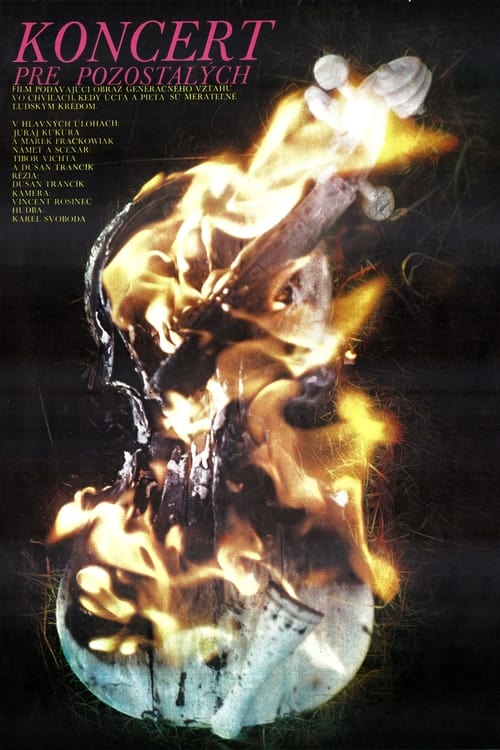
A picture of generational confrontations between children and parents. A young and ambitious violin virtuoso, Peter, lives in long-lasting conflicts with his father. Only after his death Peter realizes how much he had been hurting his father. Still, not even the tragedy can make a change in his shallow life in stereotype.
Concert for the survivors
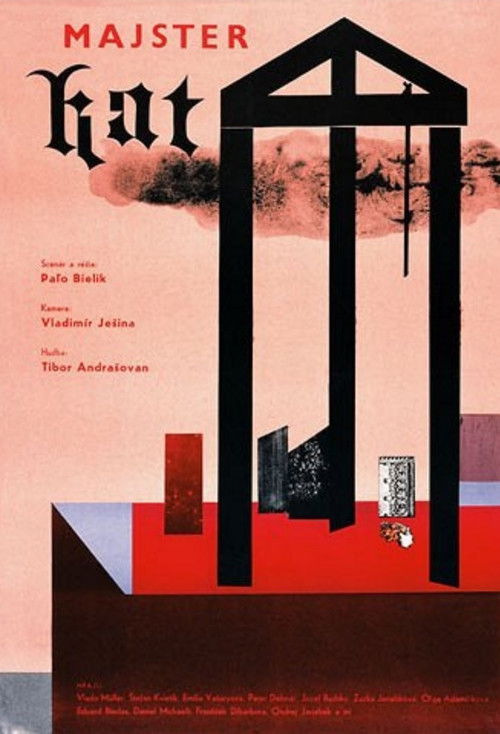
A dramatic story about two friends - fisherman Richardus and municipal executioner Emil Targo takes place at the river Danube, in places that used to be targets of Ottoman raids. But their attraction to the same woman and Emil’s betrayal change their indissoluble friendship to an equally strong hatred. And as it usually goes - after twenty years by a trick of fate Richardus’ daughter Agajka becomes the wife ofthe sun of his sworn enemy.
Master Executioner
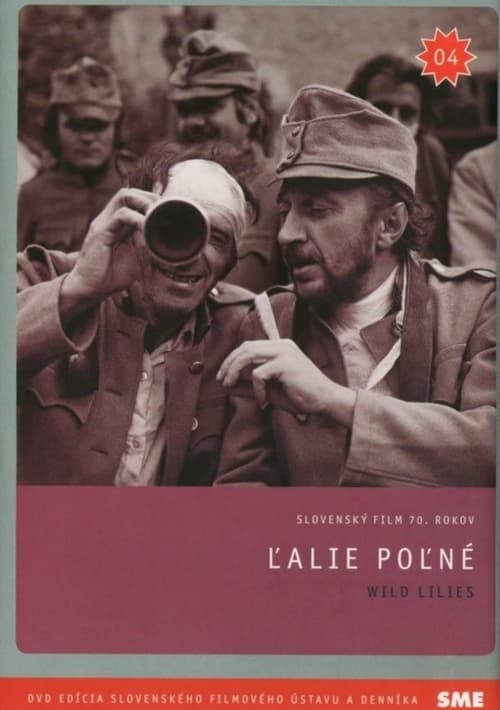
Two repatriated soldiers search for stability and love when they return home after the First World War.
Field Lilies
An unconventionally seen story from the period of the Slovak National Uprising will especially interest you with the character of the village lad and brawler Vince Kucek, played by Ivan Romančík. Hours and hours spent in the pub, riots with friends, scenes of jealousy towards his old rival Petr Chuťek, now a partisan commander, hostile memories of the strict teacher Machoň – all this fills the seemingly carefree days of the self-confident farmer, father of two small children, husband of the faithful, devoted Eva. However, the situation in the village is getting worse. Some of the men go to fight in the mountains, but the stubborn Kucek refuses to go with them.
Ako sa Vinco zaťal
No description available.
Hra na telo
The myth of the anti-fascist resistance in Slovakia was one of the important themes of normalization cinema, of course, treated with an emphasis on the leading role of the communists. This primitively illustrative film depicts the heroic enthusiasm shown by the members of the resistance group, heroically and with constant commitment of life fighting against the treacherous police of the Slovak state and ultimately against the German Gestapo.
Do posledného dychu
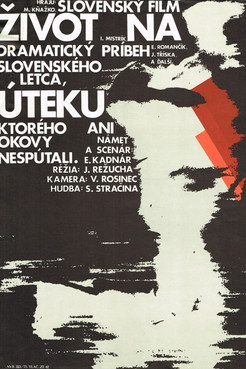
In Slovakia, they often and gladly honored those soldiers who refused to serve the fascist regime and stood against it. Lieutenant Kukorelli also rejected the tempting career of a pilot, instead helping the resistance fighters and later participating in the Slovak National Uprising.
Život na úteku
No description available.
Demokrati
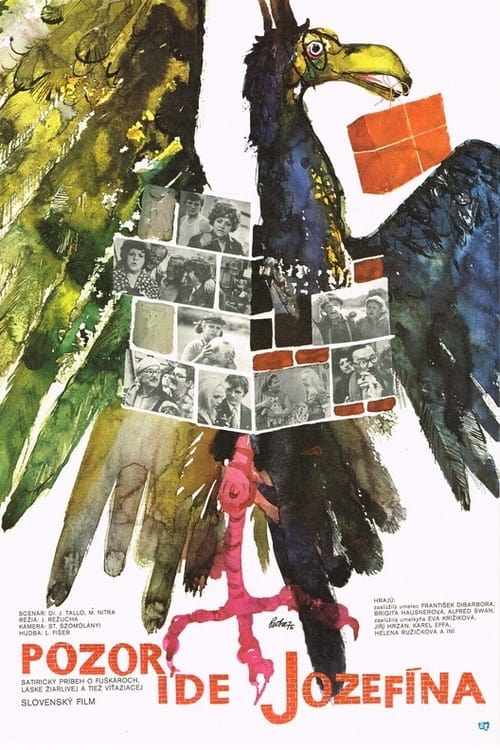
A satirical story about a young teacher, Josefína, who resolutely embarks on a fight against a group of bricklayers who demand exorbitant prices for their dubious and poor-quality services and, under the pretext of helping, rob the inhabitants of a western Slovak village...
Pozor, ide Jozefína...
No description available.