Marián Minárik
Camera
Known For

No description available.
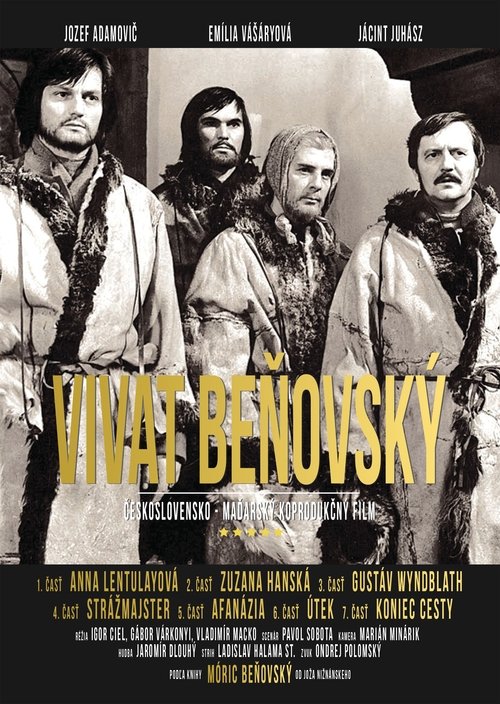
Vivat Beňovský!
No description available.
Serenáda
No description available.
Rembrandt van Rijn
No description available.
Čarovná čaša
No description available.
Sesternica Beta
No description available.
12 mesiačkov
No description available.
Louis Pasteur
A two-part TV drama about the life and work of Jozef Murgaš, a world-renowned inventor, talented painter, and Slovak patriot. The first part focuses mainly on his life in Slovakia and describes Murgaš's student years. He leaves the picturesque surroundings of his native Tajov to attend high school in Banská Bystrica and later, at his mother's request, continues his studies in theology at the Esztergom Seminary. However, his studies did not end with graduation from this faculty. His love of painting was stronger and led him first to a one-year art preparatory course in Budapest and then to the Academy of Fine Arts in Munich. However, he was unable to complete his studies due to brutal intervention by the authorities. The second part depicts Murgaš's life in Wilkes-Barre, Pennsylvania, in the United States. He worked there as a priest in the local church, which he built together with other Slovaks. He also contributed to the establishment of a school for Slovak children in Wilkes-Barre.
Reverend
No description available.
Poštár Lábus
No description available.
Parížski mohykáni
No description available.
Ľudia z kanálovej štvrte
No description available.
Barbora Rösselová
No description available.
Namiesto pamätí
No description available.
Drotárskym chodníkom
No description available.
Husári
No description available.
Svetlo na spodnej haluzi
No description available.
Traja z 9. poschodia
No description available.
Čaj u pána senátora
A dramatization of a novella by American writer Henry James. This subtle, psychologically profound story is narrated by young literary scholar Henry Jones, who, while searching for documents related to the romantic poet Jeffrey Aspern, finds himself in Venice at the end of the 19th century. Juliana Bordereau, whom Aspern sang about in his work and who owns much of his correspondence, still lives there. However, Juliana refuses to show it to Jones because these letters are the only link connecting her to life. Jones therefore decides to resort to trickery. He moves in with Juliana under a false name as a lodger and, by pretending to be in love, wins over her niece Tina, who is ultimately willing to help him. However, it soon becomes clear that such manipulation of people, even if motivated by a noble goal, does not pay off.
Listy Juliane

No description available.