Jiří Pavlica
Sound
Known For

No description available.
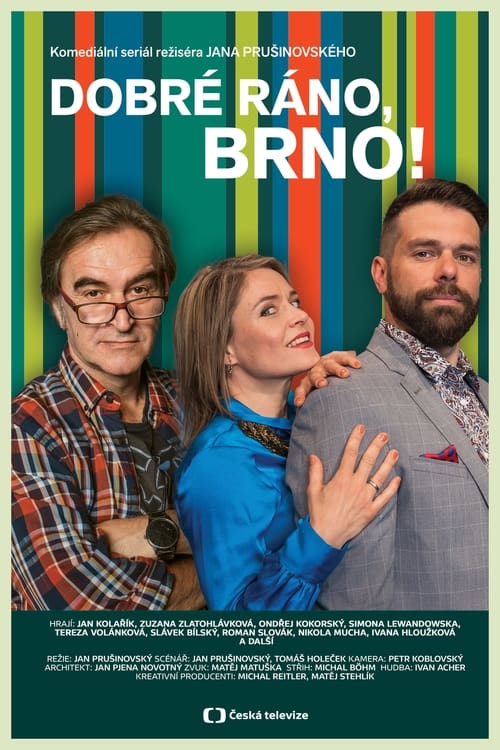
Dobré ráno, Brno!

No description available.
Příběhy českého jazzu

No description available.
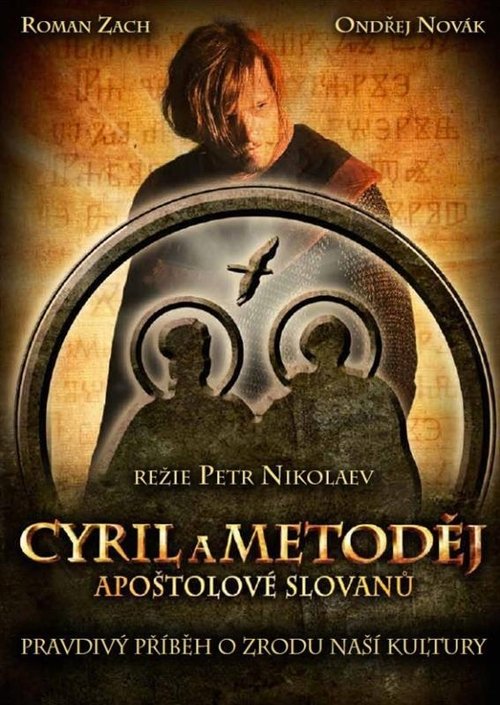
Cyril a Metoděj – Apoštolové Slovanů

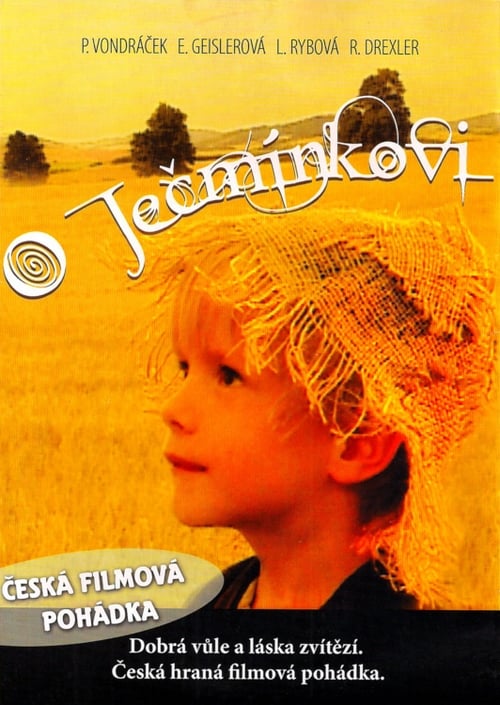
A TV fairy tale based on a legend from the Haná region. Jan, Margrave of Moravia, falls in love with a simple girl named Marína and marries her. But things start to get complicated at their lavish wedding. The evil fairy Plevelice, in the guise of a beautiful countess, does everything she can to subjugate Jan to her power. His love for Marina fades, and everything is further complicated by war. Marina, who flees the castle to escape her husband's growing anger, gives birth to a boy named Ječmínek. The more she hides with him, the louder the tales of the little heir's goodness and supernatural abilities become. When Jan meets his son, all evil spells disappear, and goodwill and love return to the land of golden fields.
O Ječmínkovi

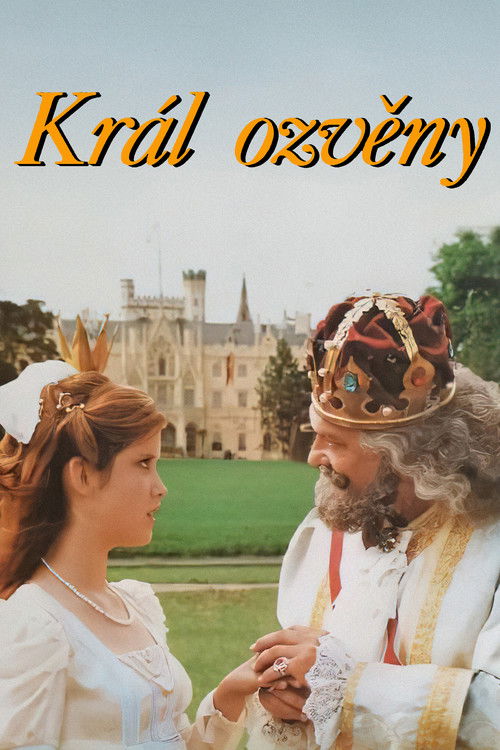
King Henry disapproves of the love between his daughter Doubravka and Thomas, the gardener and son of a friend who died for him in battle. He is convinced that Thomas cannot take over the kingdom because he is not of noble birth and, moreover, is too kind-hearted. And a ruler must be tough. The noble Prince Arthur of Nebesníže, who can also talk to echoes, would be a more suitable groom. Tomáš and the princess defend their love and each in their own way defy the king's will. Tomáš fights the prince of Nebesníže with echoes, and Doubravka runs away from the castle. If it weren't for the good flower fairy from the castle greenhouse, Anna's nanny, and the old gamekeeper, who knows how their young love would have ended.
Král ozvěny
No description available.
Písně českých básníků
No description available.
Jiří Pavlica a jeho světy

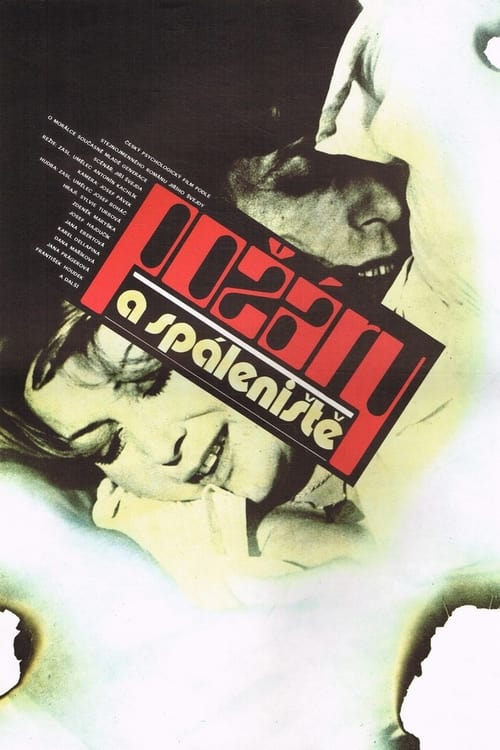
Antonín Kachlík wanted to make committed films about the moral dilemmas of the working class, but in the era of normalisation, he could only proclaim how faltering individuals would eventually come to the desired thinking. This is also true of the adaptation of Jiří Švejda's book about the wavering career of a young brickmaking technologist - the simplistic drawing of characters and plots, the posterishly lifeless language and the textbook discussion of social ills are all objectionable; the ideal becomes the code of the socialist builder.
Požáry a spáleniště
When the Hradišťan ensemble created the program O slunovratu (About the Solstice) in the music and dance world years ago, it was clear after the premiere that it would be a hit with listeners and viewers. This fictional journey through the year, with its feelings and moods rooted in local folklore, is easy to understand thanks to the Moravian folk lyrics and poems of Jan Skácel and the music of the experienced Jiří Pavlica. For the television visual form, authors Petr Hajn, Petr Vejslík, and Milan Popelka chose an hour-long mosaic of images for each song, combining visualization with a music video approach. The program was filmed over almost two years in various locations in Moravia and in all seasons. Viewers will also find hits such as Modlitba za vodu (Prayer for Water), Masopust (Carnival), Dušičkové rozjímání (All Souls' Day Contemplation) and Sonet o lásce a modrém portugalu (Sonnet about Love and Blue Portugal).
Slunovrat

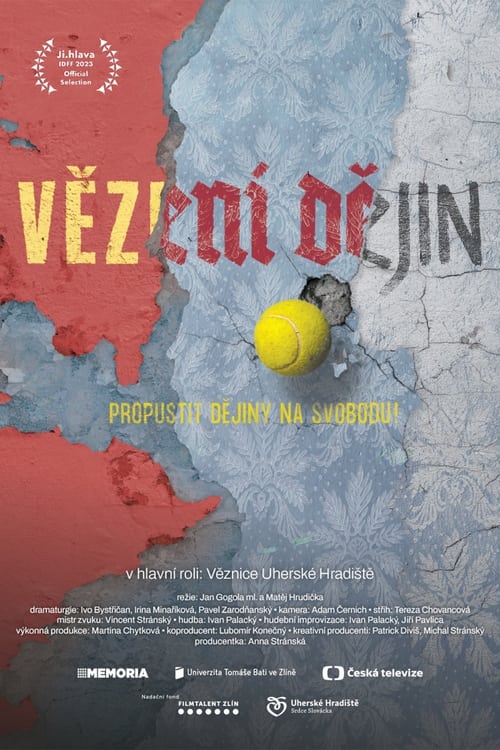
Set history free. A modern history, enclosed for more than a quarter of a century in an abandoned prison in Uherské Hradiště with unique rooms preserved from the 1950s. The authors fill the emptiness of the premises with situational encounters with the building, nature and people who are united by their experience of the place and who are often divided by their life experience. A shared past as a starting point to a shared future.
The Prison of History
No description available.
Hajajú, hajajú
No description available.