Acting
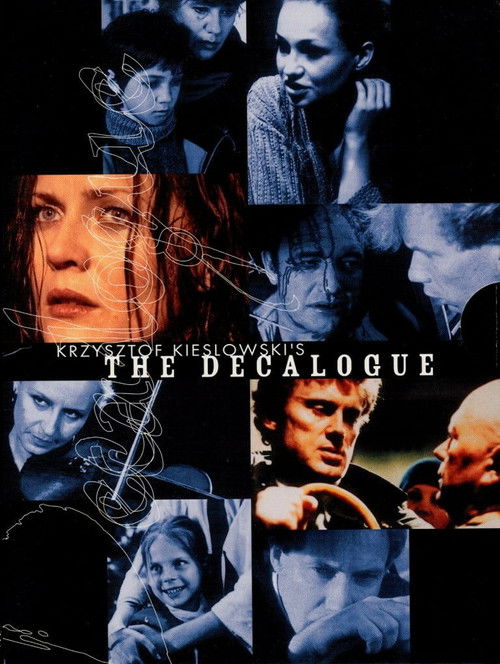
The Ten Commandments, exact and uncompromising, literally cast in stone, continues to provide a source of moral conflict in contemporary society. In the ten part collection of films, The Decalogue, Krzysztof Kieślowski examines the dilemma of fundamental sin in the lives of ordinary Warsaw citizens.
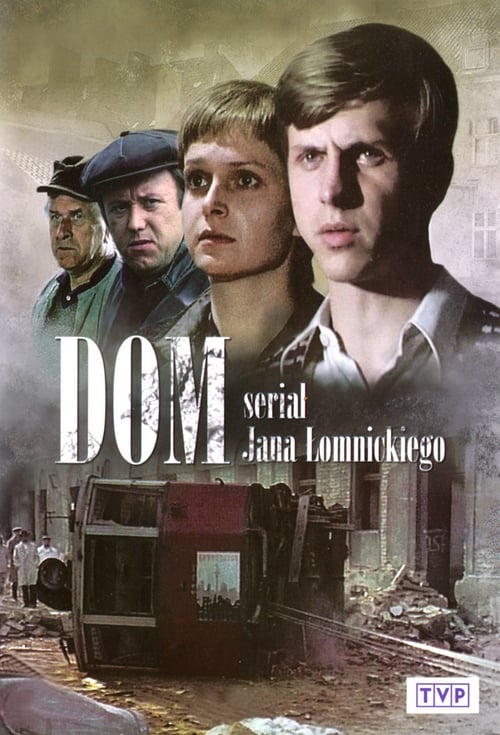
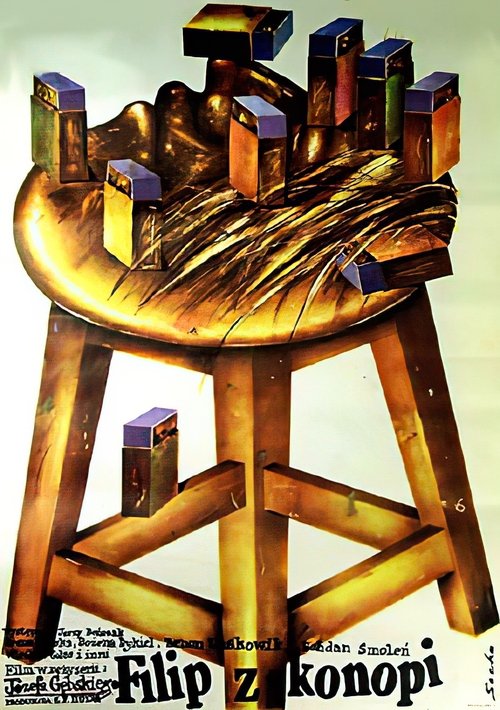
The story of the residents of a tenement house on Złota Street in Warsaw from 1945 to 1980.
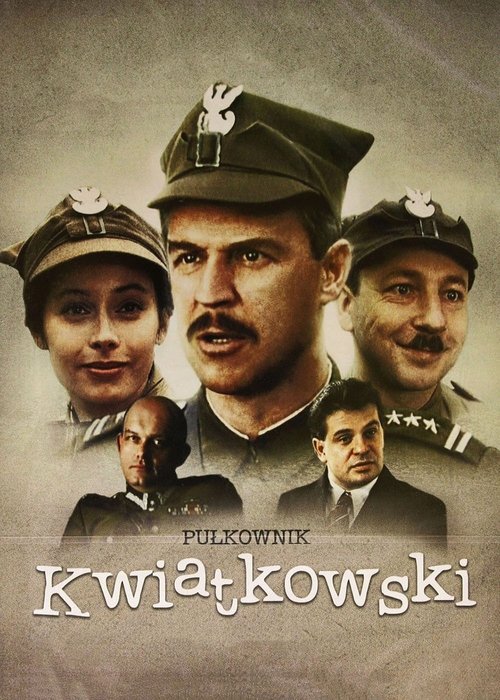
Military doctor Kwiatkowski, serving in a barracks hospital on the Western Territories, is rewarded with a week’s leave after successfully operating on Colonel Kiziora of the UB. He and his friend steal a truck bound for Warsaw, where among the ruins of his former home he meets his prewar neighbor Krysia, instantly falls in love, and, after a brawl with a Russian officer at a dance in the surviving “Polonia” hotel, pretends to be a high-ranking UB colonel to save face.
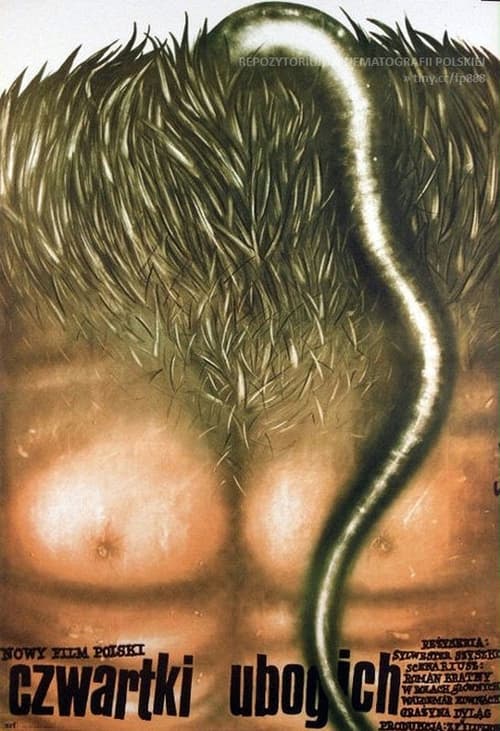
A young doctor has been assigned to a hospital in the provinces, in the lakes district of northern Poland. The area is a playground with hunting lodges for the priviledged, the local politicians cover up any leaks to the public. The doctor discovers a case of drunken driving but is silenced by blackmail in the court. He tries to fight back but has a love affair with the unfaithful wife of the town's Mayor.
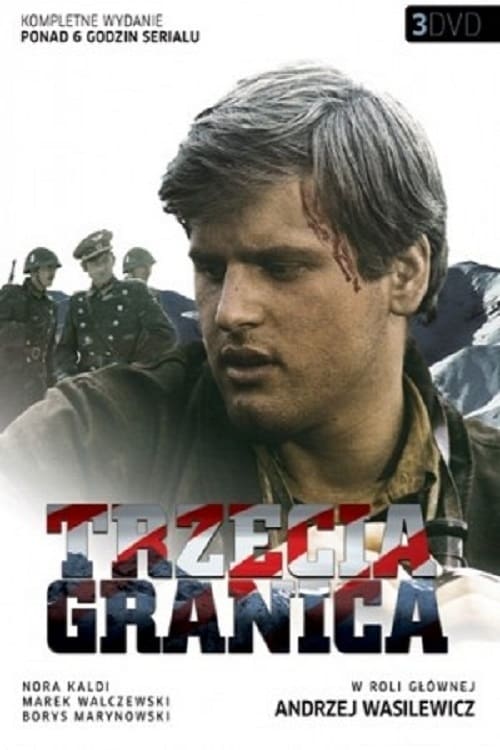
No description available.
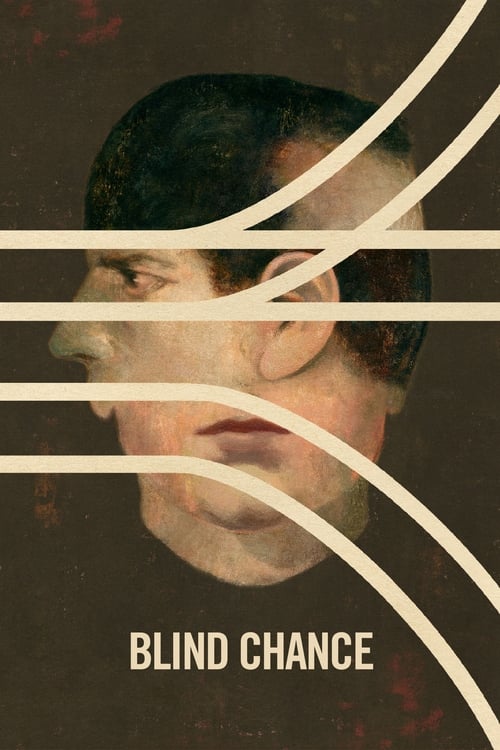
Jacek, an angry drifter, murders a taxi driver, brutally and without motive. His case is assigned to Piotr, an idealistic young lawyer who is morally opposed to the death penalty, and their interactions take on an emotional honesty that throws into stark relief for Piotr the injustice of killing of any kind.
Witek runs after a train. Three variations follow on how such a seemingly banal incident could influence the rest of Witek's life.
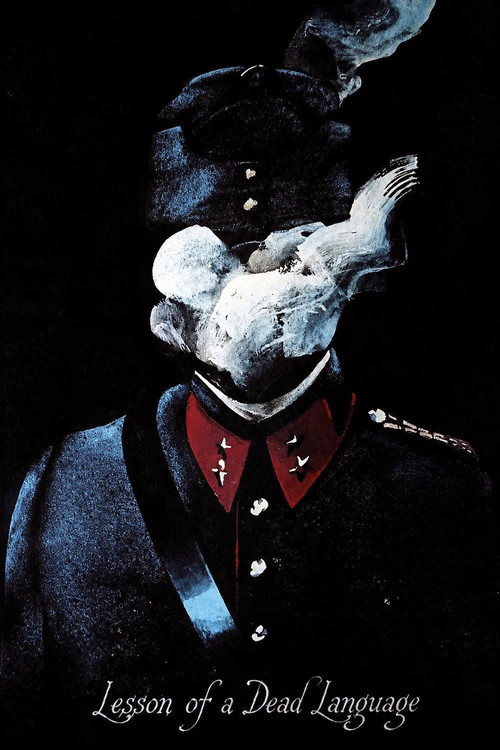
An officer stationed in a remote Ukranian outpost at the end of the First World War is dying of consumption. Suffering from feverish dreams and hallucinations, he begins to collect religious art and attends seances.
A moral conflict between a young assistant and an associate professor arises during a university linguistics camp.
Ryszard Ochódzki receives a special assignment for UB - infiltrating the "Solidarity" party branch in Suwałki. His arriving there coincides with the imposition of martial law on Poland.
Dialogue-free short detailing the daily tasks of a man and his wife.
An epic tale of a hundred years of Polish history from the perspective of women, the titular maidens and widows. Set against the backdrop of turbulent historical events.
Poland, Christmastime. A band of hyperintelligent, bloodthirsty Martians take over the country and enlist hapless television newscaster Iron Idem as the voice of their propaganda machine. But when Iron dares to go off message, he makes an enemy even greater than the aliens—the state itself.
When a delivery of coffins foreshadows a harsh winter, residents of a retirement home escape their confines and rediscover the world outside.
Pernat finds himself in a police interrogation, accused of a murder, and unable to recall any details of the crime, or even his own life. He's released back into a world of raving lunatics and deranged dentists, murderous doctors and scientists who believe the secret of human creation is inside the walls of a cast-iron oven.
Prior to her wedding a nineteen years old Anna can't stop wondering whether she made the right choice? So she decides to seek the advice of a well-known sexologist...
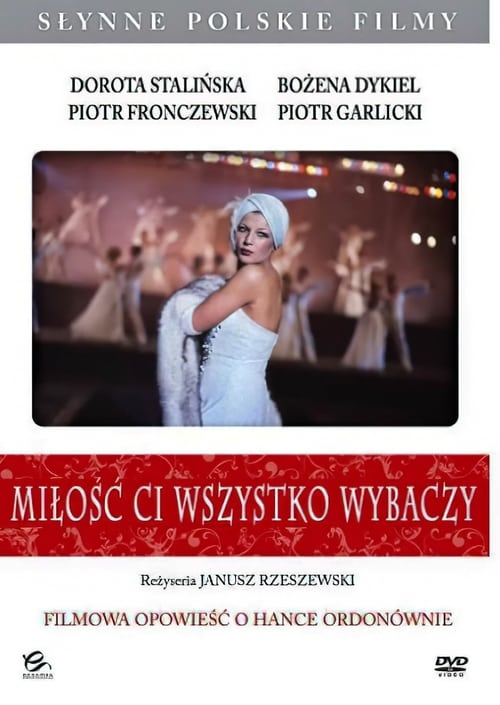
Hanka Ordonówna is a star of pre-war Polish cabarets. The film begins in 1942 in the Middle East, in a British military camp located near the front line. Hanka runs a shelter for homeless Polish children. In her moments of respite, the singer, who is suffering from tuberculosis, recalls the various stages of her career.
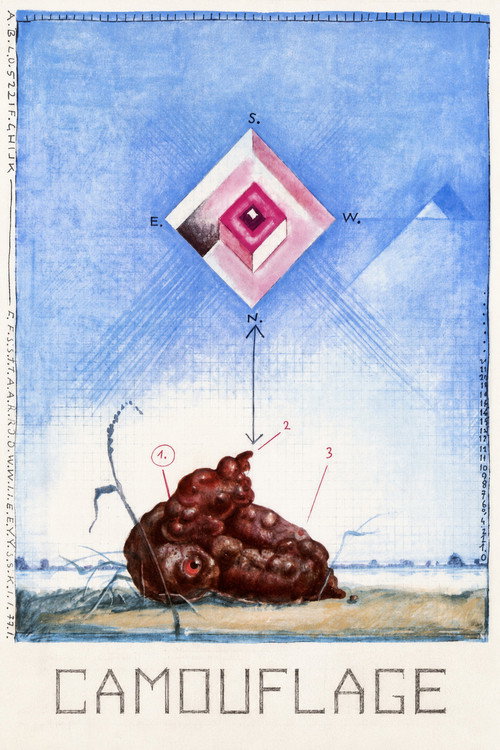
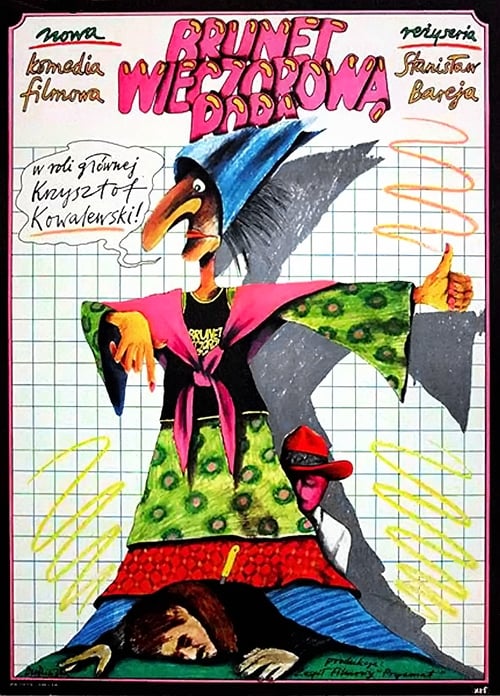
Modest editor, has shipped his wife and kids for the weekend, and is trying to relax in his house at the outskirts of Warsaw. His quiet evening is only disturbed by the accidental forecast made by a Gypsy woman, that at evening time he will murder a mysterious brunet.
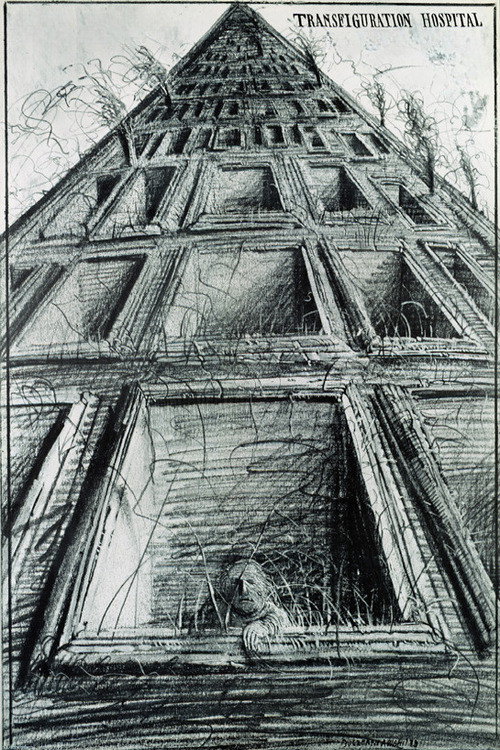
The beginning of the occupation. A closed mental world for the sick. Dr. Kauters values only methods of resolution, Dr. Rygier is a believer in strong authority, Dr. Marglewski considers psychic property a form of haunting, Dr. Nosilewska left Austria after the Nazi occupation. The writer Sekułowski seeks shelter. The young, newly arrived doctor, Stefan, refuses to remain passive in the face of the situation and events...