Acting
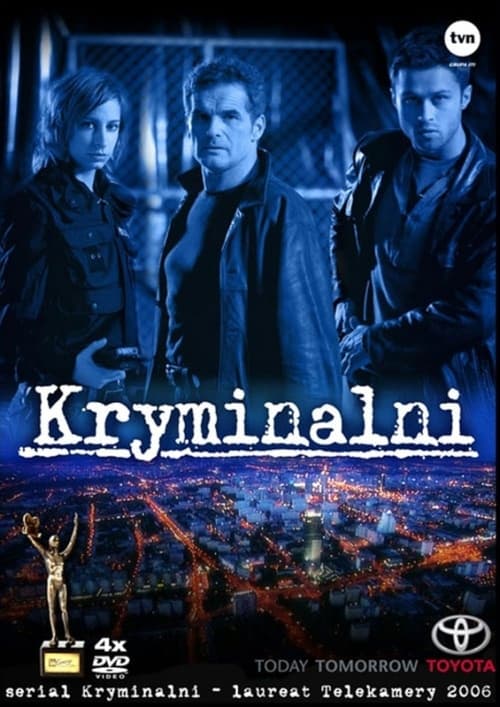
Kryminalni was a Polish crime drama television series that aired on TVN network from September 18, 2004 until May 24, 2008. It ran for 8 seasons and 101 episodes were broadcast in total. It was created by Polish director and screenwriter Piotr Wereśniak and produced by MTL Maxfilm studio. The series followed life and work of police officers from the elite Criminal Terror and Murders Division of the Warsaw Metropolitan Police; the title refers to police officers in the crime section. The three main characters were Adam Zawada, an experienced, tough cup, his younger colleague Marek Brodecki and Barbara Storosz, an ambitious female officer who in the first season joins the team just after graduating. Although none of the main actors had had star status before the series debuted, all three of them rose to prominence and popularity during the 5-year-long run. Many of Poland's best known actors guest starred, usually playing roles of people involved in just one particular investigation. The serial was one of the most popular in Poland: each week it had an audience of 4 million.
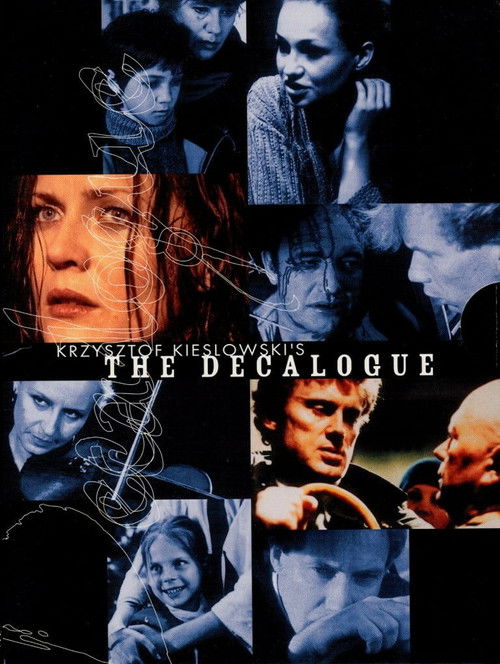
The Ten Commandments, exact and uncompromising, literally cast in stone, continues to provide a source of moral conflict in contemporary society. In the ten part collection of films, The Decalogue, Krzysztof Kieślowski examines the dilemma of fundamental sin in the lives of ordinary Warsaw citizens.
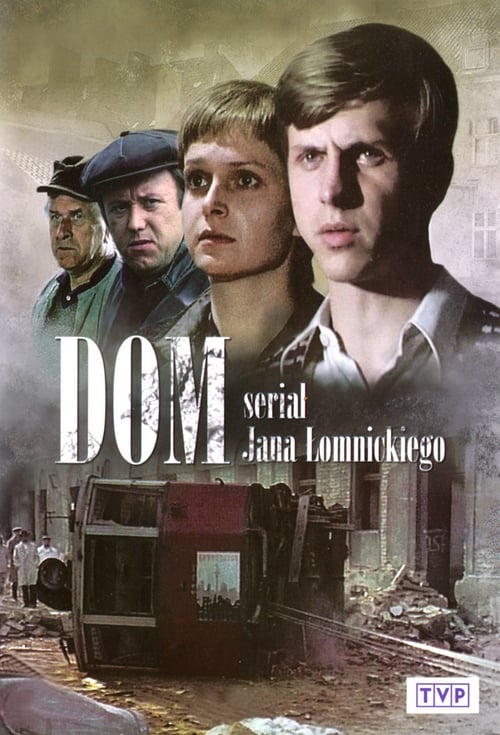
The story of the residents of a tenement house on Złota Street in Warsaw from 1945 to 1980.
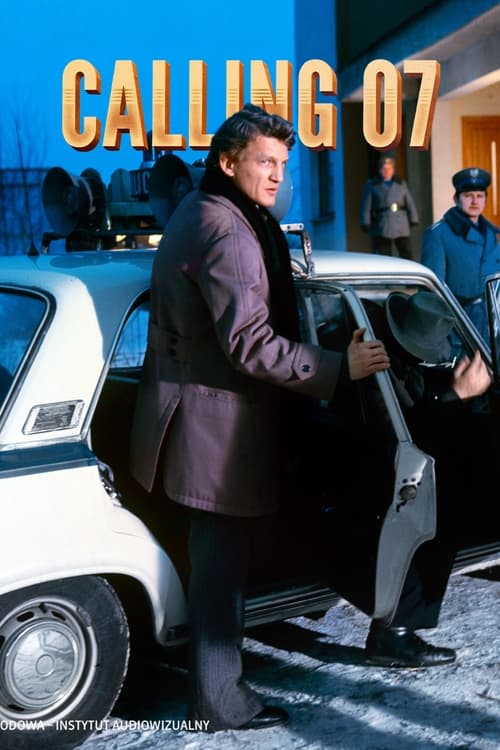
The series centres around the investigations of Police Lieutenant Sławomir Borewicz. Each episode features a different case being solved by Borewicz.
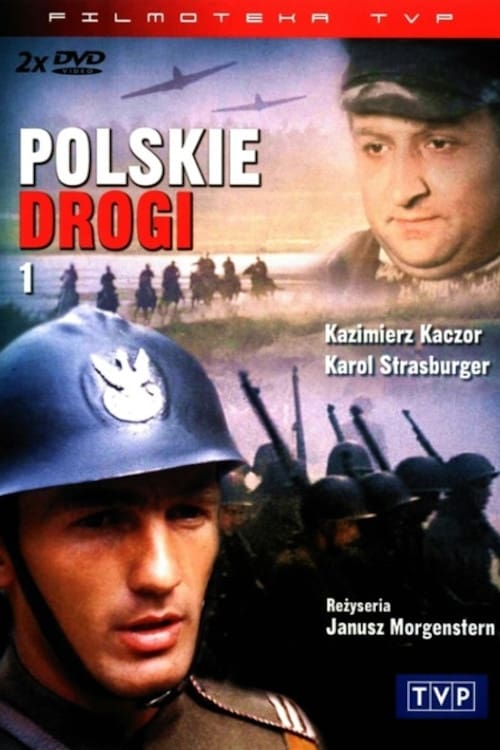
An epic, multi-threaded story about the fate of Poles during World War II. "Czas pogardy" was shown primarily from the perspective of two main characters - Lieutenant Władysław Niwiński and Leon Kuraś - a petty crook, but not without heroic traits. The authors of the series sought to show, in particular, everyday life under Nazi occupation in Poland.
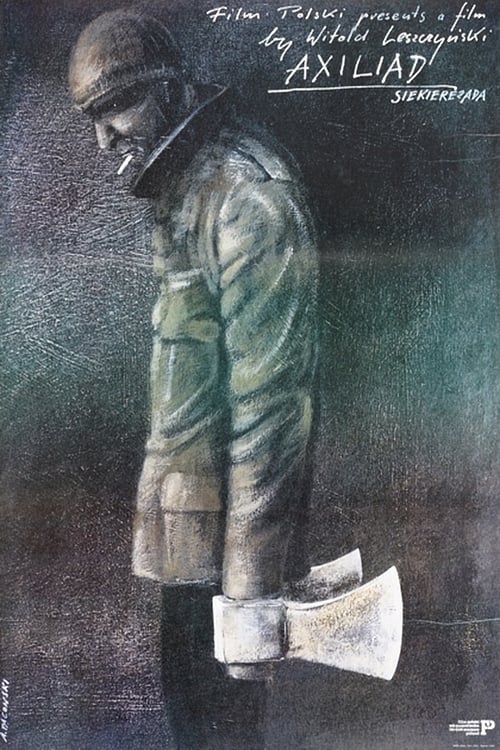
A young, idealistic poet, turns his back on civilization and goes to small, backwood village, rents a bed in the house of an old woman, and decides to make his living as a lumberjack. Soon he realizes that the world around him is far from perfect.
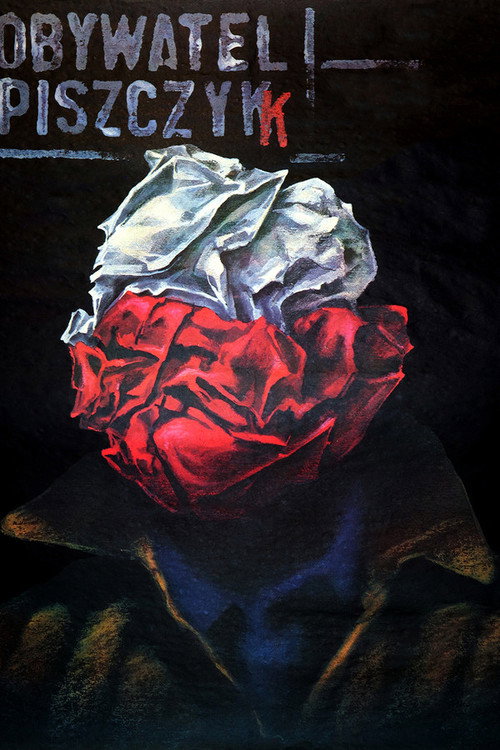
No description available.
It’s Christmas Eve, and Ewa has plotted to pass the hours until morning with her former lover Janusz, a family man, by making him believe her husband has gone missing. During this night of recklessness and lies, the pair grapple with choices made when their affair was discovered three years ago, and with the value of their present lives.
"Mieso" (Meat) is a satirical and irreverent revision of the most recent history of Poland.
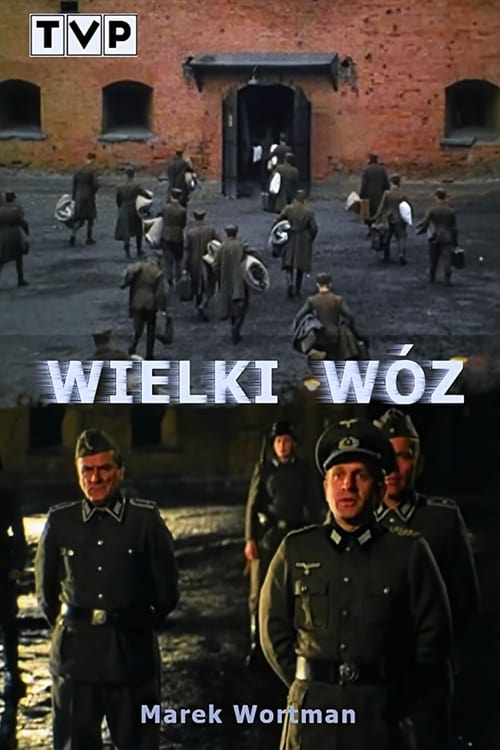
The film is based on true events. Officers locked in a POW camp make a desperate attempt to get out. A group of daredevils undertake to dig an underground tunnel through which they can escape. We learn about their moral dilemmas, solidarity and loyalty to their friends. This is especially emphasized in the last scenes of the film.
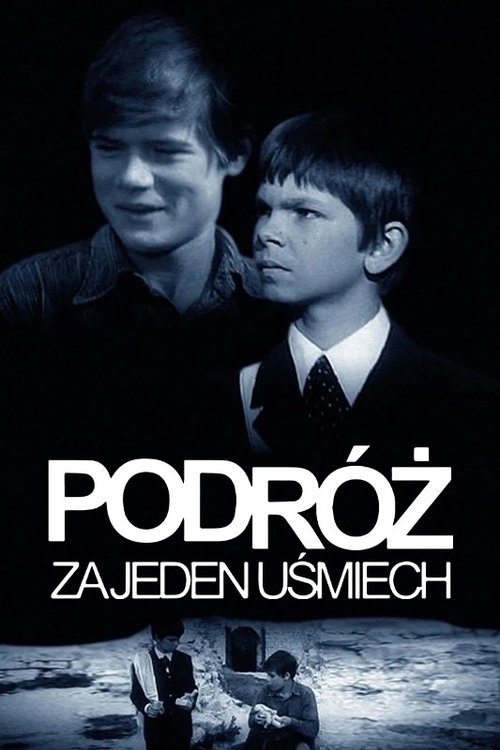
Two boys set out by train from Kraków to the seaside but lose their travel money and decide to continue their journey “for a smile,” hitchhiking and using every transport they can find.
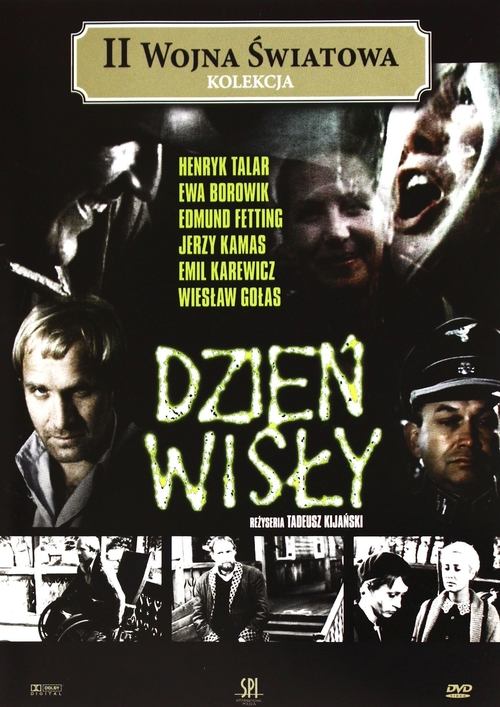
September 13, 1944. On the right bank of the Vistula, a group of young people is getting ready to cross to help the fighting Warsaw. Tadeusz, a young poet with amputated legs meets Katarzyna. Two officers of the Home Army and the AL, Polish and Soviet soldiers come here. A fight ensues with the Nazis trying to get out of the encirclement. Katarzyna is raped by one of them in front of the powerless Tadeusz. . . Two boats are sinking crossing the Vistula. Tadeusz falls into the river with a wheelchair ...
Warsaw elites meet at a ball in Baron Neman's palace, where they discuss the political situation in Poland.
This film is a sequel to Munk's Zezowate Szczescie and it's much the same, only more so. The film begins in a cinema, where the last scenes of Zezowate Szczescie are being shown. Born unlucky, a victim of the errors and distortions of Stalinism, he is released in 1956. He meets a politically feverish woman, her influential parents, and finally becomes the father of her child. But bad luck, or perhaps an unlucky era, will not let him forget.
Warsaw 1941. Gestapo captures a Home Army soldier who knows the code needed to read the list of agents working in Reich. Tortured Wójcik asks the doctors for poison.