Production
TV's most-watched history series brings to life the compelling stories from our past that inform our understanding of the world today.
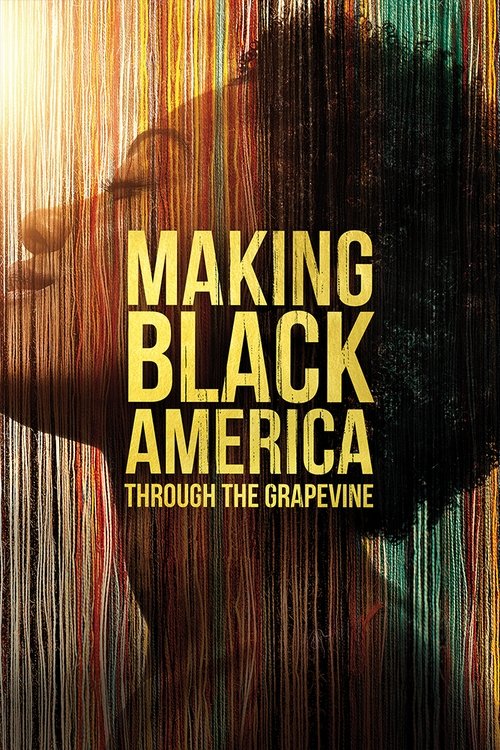
A chronicle of the vast social networks and organizations created by and for Black people—beyond the reach of the “White gaze.” Professor Henry Louis Gates, Jr. sits with noted scholars, politicians, cultural leaders, and old friends to discuss this world behind the color line and what it looks like today.
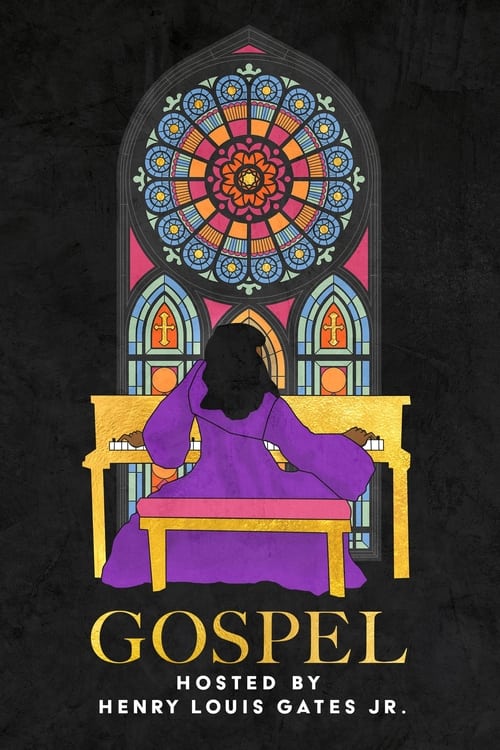
Dig deep into the origin story of Black gospel music, coming out of slavery, blending with the blues tradition, and soaring to new heights during the Great Migration. From Mahalia to Kirk Franklin, in the last century, gospel music has become the dominant form of African American religious expression and provided a soundtrack of healing and uplift to those at the front lines of protest and change.
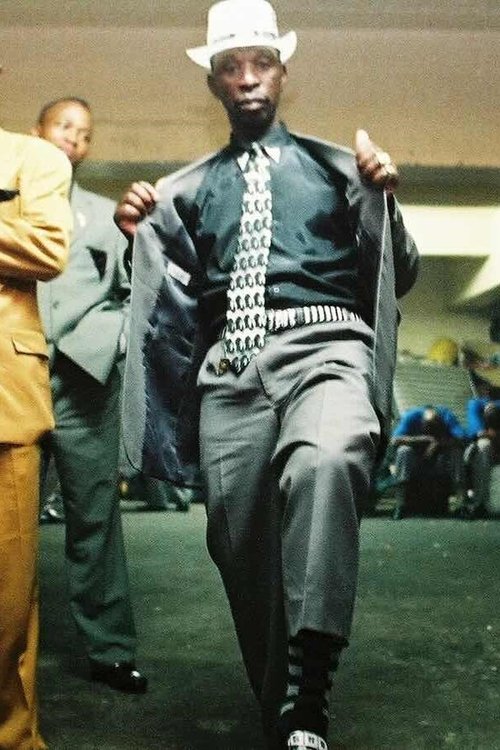
An examination of the male oswenka pageant in South Africa on the 10-year anniversary of the abolishment of the apartheid regime.
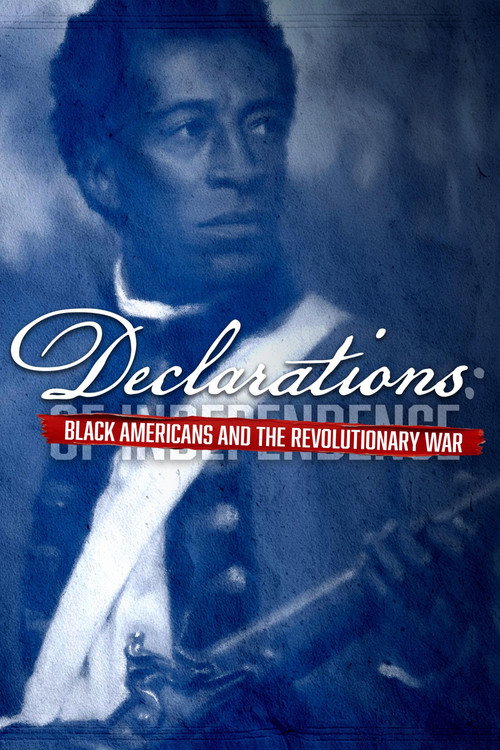
When the Declaration of Independence was signed 250 years ago, the Founders – many of whom were slaveholders – declared: “all men are created equal.” As their aspirational words and ideals of freedom were signed into existence and spread throughout the colonies, Black people recognized that these ideas included them. DECLARATIONS: BLACK AMERICANS AND THE REVOLUTIONARY WAR examines how they fought for these tenets of democracy for themselves, their families, and their communities. The film features insights from historians and scholars including Leslie Alexander, Danielle Allen, Edward Ayers, Christopher L. Brown, Woody Holton, and others.
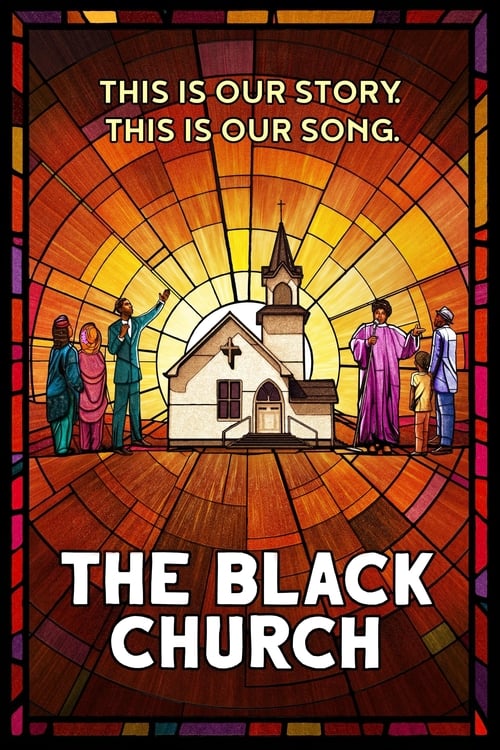
The 400-year-old story of the black church in America, the changing nature of worship spaces, and the men and women who shepherded them from the pulpit, the choir loft, and church pews.
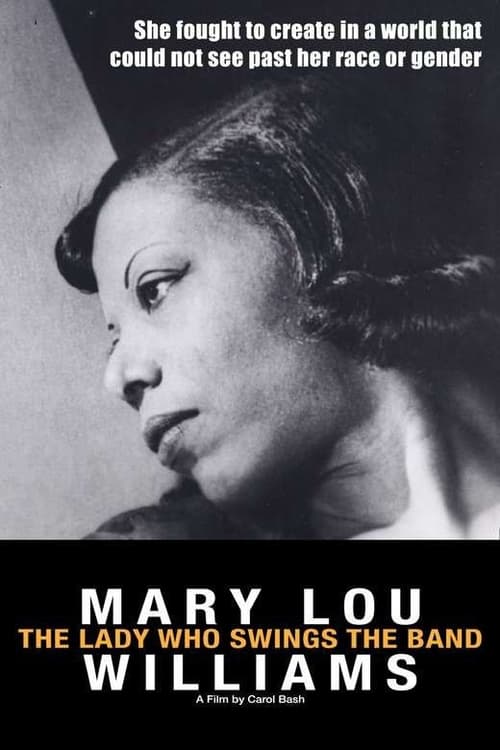
Jazz pianist Mary Lou Williams was a genius ahead of her time. From child prodigy to "Boogie-Woogie Queen" to groundbreaking composer to mentoring some of the greatest musicians of all time, she never ceased to astound those who heard her play. But for a Black woman in the early 1900s, life as a star did not come easy.
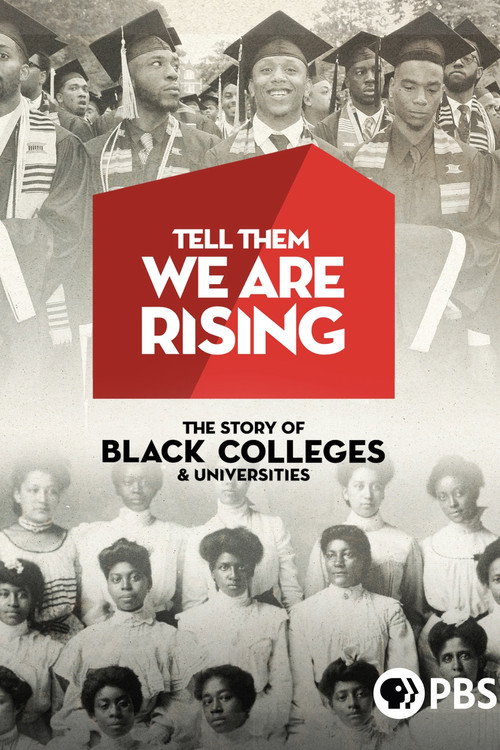
A haven for Black intellectuals, artists and revolutionaries—and path of promise toward the American dream—Black colleges and universities have educated the architects of freedom movements and cultivated leaders in every field. They have been unapologetically Black for 150 years. For the first time ever, their story is told.
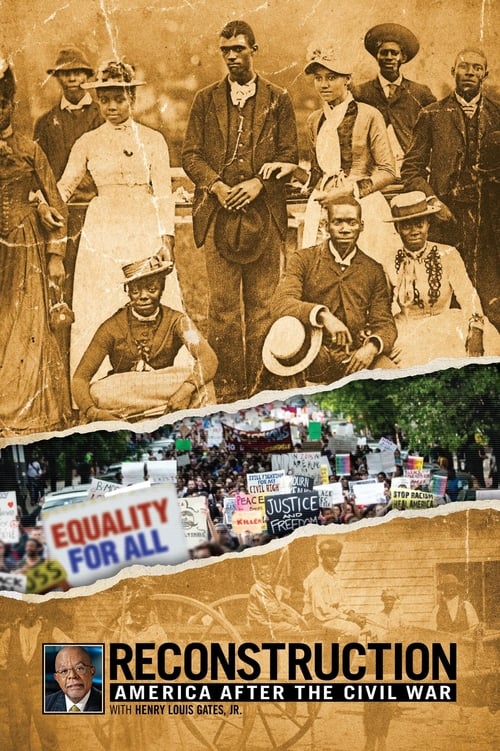
The series explores the transformative years following the American Civil War, when the nation struggled to rebuild itself in the face of profound loss, massive destruction, and revolutionary social change. The twelve years that composed the post-war Reconstruction era (1865-77) witnessed a seismic shift in the meaning and makeup of our democracy, with millions of former slaves and free black people seeking out their rightful place as equal citizens under the law. Though tragically short-lived, this bold democratic experiment was, in the words of W. E. B. Du Bois, a ‘brief moment in the sun’ for African Americans, when they could advance, and achieve, education, exercise their right to vote, and run for and win public office.