Directing
Lew Hohmann is a German filmmaker and scholar.
No description available.
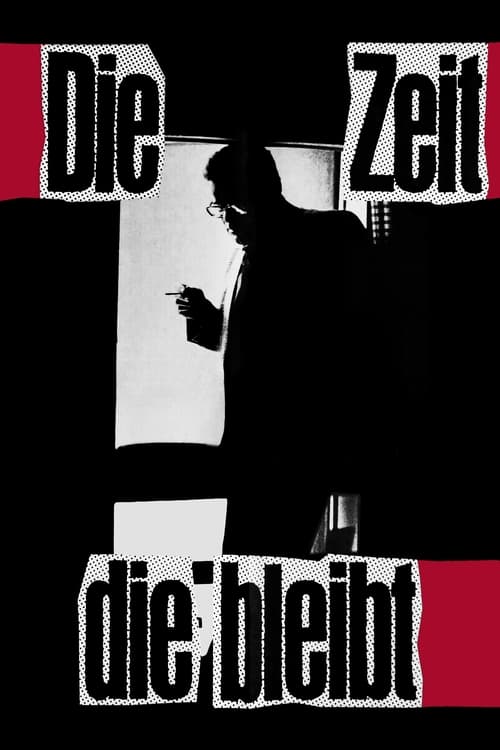
A documentary about German director Konrad Wolf (1925–1982).
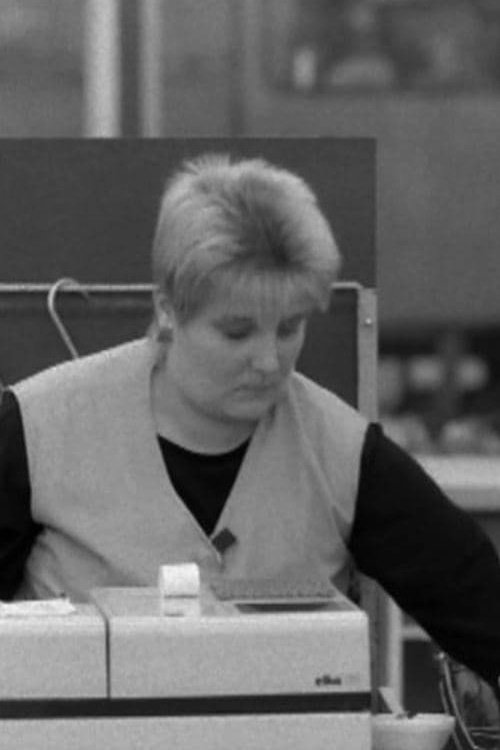
Sketches from a store cashier's everyday life.
Documentary film.
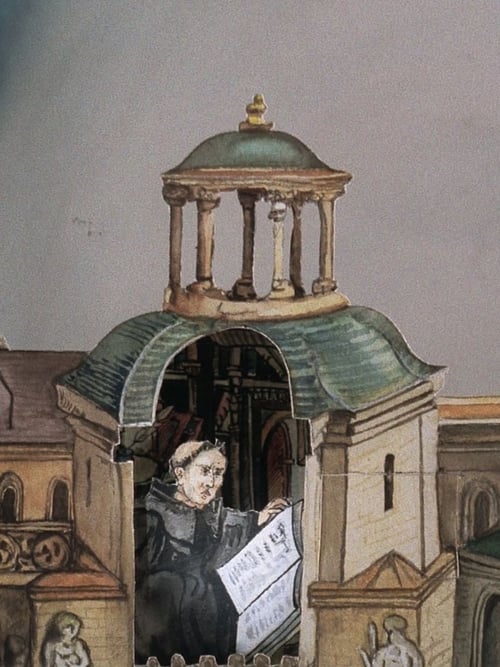
A short animation film on Martin Luther and the origins of the Reformation, one told with wry humor and paper cut-outs.
On the 60th anniversary of the October Revolution, street surveys and interviews with citizens of the Federal Republic of Germany provide information about what they know and think about this event.
Documentary about Markus Wolf.
At the end of the 1980s, a film team is about to visit Lukas Wolf, Friedrich Wolf's eldest son, who lives in the state of New York, USA. They carry with them a letter from his half-brother Markus Wolf the Stasi chief from GDR. The brothers have not seen each other since 1933; on the other hand, Lukas met his other half-brother Konrad Wolf once in New York City, where they got along very well, after many years of separation. Johanna and Lukas come from Friedrich Wolf's first marriage with Käthe Gumpold, Markus and Konrad, from the second wife Else Dreibholz.
Can Liechtenstein maintain prosperity despite relaxation of banking secrecy and the withdrawal of billions of clients' money or is it in danger of falling back into the poverty of past days?
There is excitement in the village of Niklashausen in the Tauber Valley when a folk play about the lay preacher Hans Böhm is to be performed again. Known today as 'Pfeifer Hans', he was burned as a heretic by the bishop in the 15th century after preaching a new kingdom of God without an emperor and pope to hundreds of convinced peasants. While preparations for the play are underway, conversations with the villagers show how much this past still moves them today.
The history of Baden-Württemberg begins in 1952 with an imposed fusion. In 1956, opponents of the merger have organized themselves to the point that a referendum is to reverse the decision after the fact. The referendum does not take place until 1970 with a turnout of 62.5% and ends with a vote in favor of the merger of 81.9%. The example of the Baden-Württemberg fusion is used to illustrate how such a fusion takes place, how conflicts are settled, and what the final outcome is.