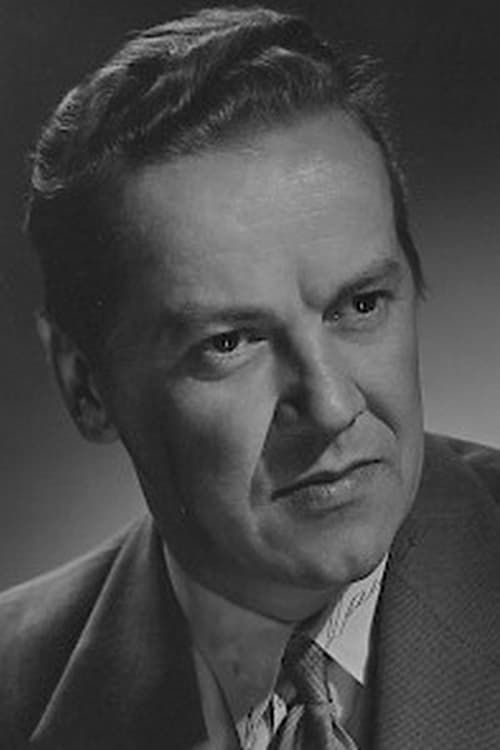
Aarne Laine
Acting
Known For
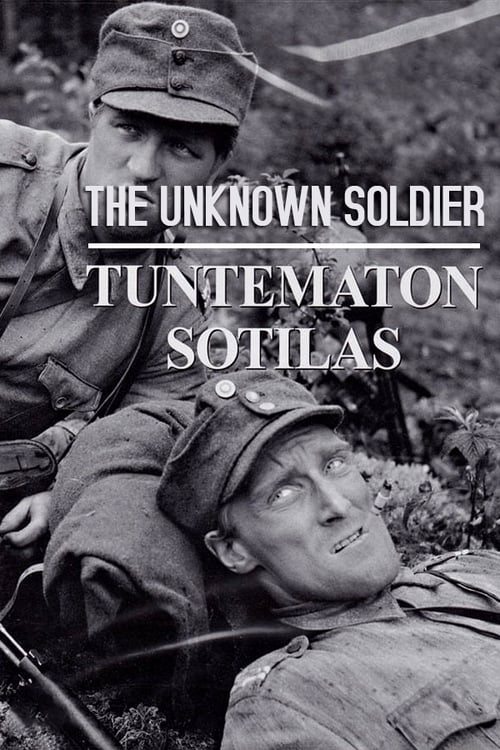
It is the summer of 1941. An eastern-Finnish machine gun company receives an order to turn in their surplus equipment. The company is transferred to the front lines. The next morning the soldiers wake to the sound of guns – the war has begun.
The Unknown Soldier
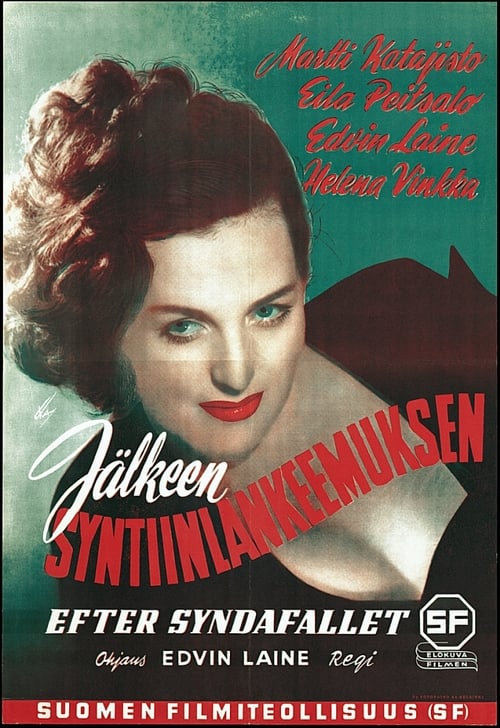
Schoolboy Klaus is convicted of theft and sent to prison. At his release Klaus feels that his life has changed a lot. Despite all his hardship and difficulties he keeps up his studies under the supervision of the grim Master Kahari.
Jälkeen syntiinlankeemuksen
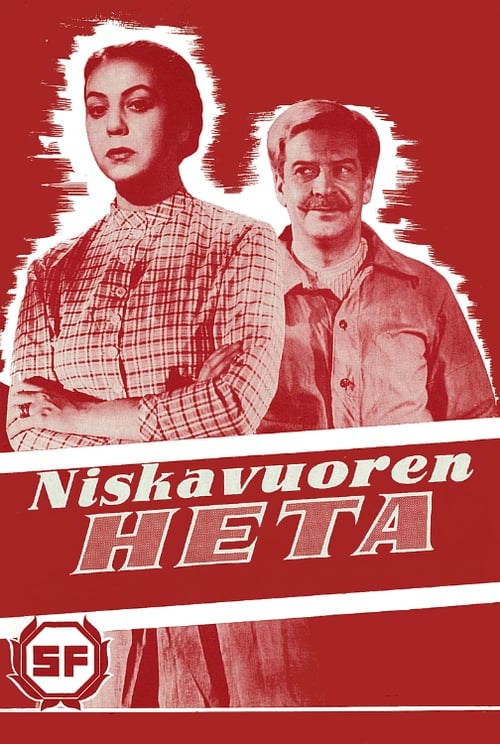
Heta, the strong-willed daughter of the Niskavuori family, who is pregnant, marries Akusti, a farmhand, and remains bitter toward Santeria, who broke her heart. Heta and Akusti begin their life together on the modest Muumäki farm, where they are assisted by their loyal maid Siipirikko.
Niskavuoren Heta
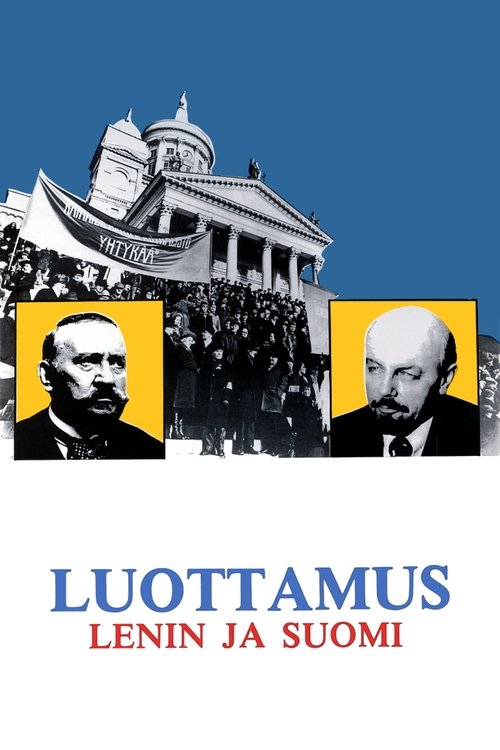
In December 1917, a Finnish delegation arrives in St. Petersburg to meet Vladimir Lenin to seek recognition of Finland's independence.
Trust
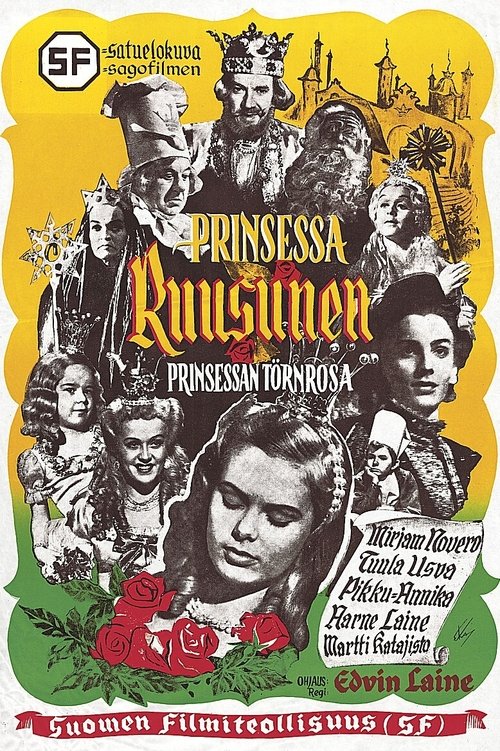
Princess Sleeping Beauty is cursed by Tuonettare and falls into a hundred-year sleep, from which she can only be awakened by a kiss from the prince.
Prinsessa Ruusunen
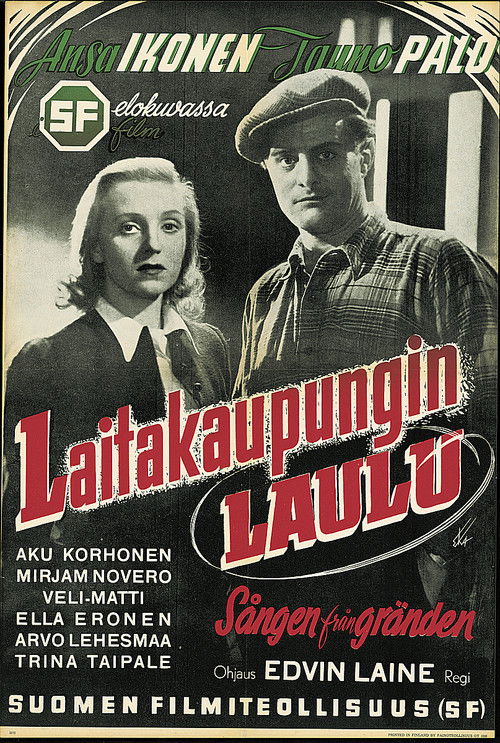
The new idealistic welfare officer Helmi tries to improve conditions in "Sin Alley," but difficulties arise, particularly with the leader of the petty criminals, Jukka, whose son Reino also drifts into a life of crime.
Laitakaupungin laulu
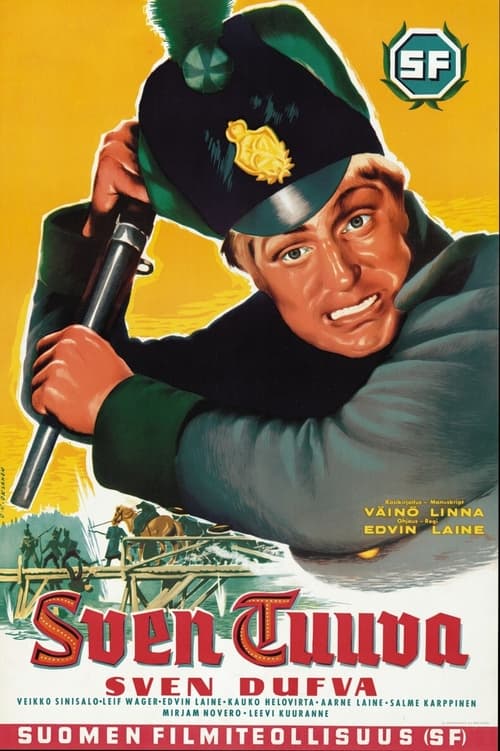
For six hundred years Sweden had controlled most of Finland until the war with Russia that ended in 1809, when Finland became a Grand Duchy of the Russian Czar. This period drama is set during that early 19th-century war and focuses on one of its heroes, Sven Tuuva. Sven is a decent yet not too brilliant soldier, and his exploits are partly balanced here by the charms of a compatriot.
Sven Tuuva the Hero
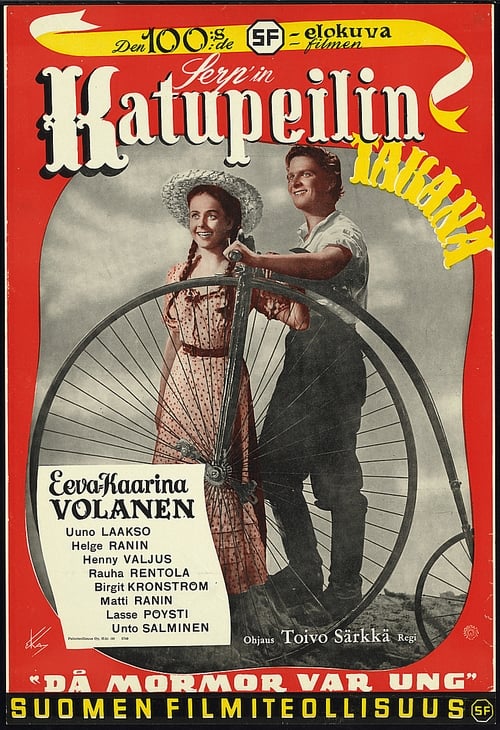
1892. Vappu Biörcke and Kaarlo Härkönen get to know each other during the summer in the countryside at the birthday of Vappu Jalle-sedä. In Helsinki, the young people continue their courtship under the supervision of Vapu's aunt, Moster Mella. However, Vapu's father, business advisor Ossian Biörcke, is not as accepting when his daughter's actions begin to be revealed.
Katupeilin takana

Niskavuori's Aarne (Arne från Niskavuori) is a Finnish drama film from 1954. It is based on Hella Wuolijoki's play Niskavuori's Bread. In chronological order of the Niskavuori series, the film is the fourth. Aarne has married Ilona and left the house in Niskavuori, which he hosts, where his former wife Martta still lives, while the old mistress is holding the reins. Aarne and Ilona live in Helsinki, but Aarne has not been able to completely break away from Niskavuori, but keeps secretly in touch with the headmaster and gives instructions on the farm management.
Niskavuoren Aarne
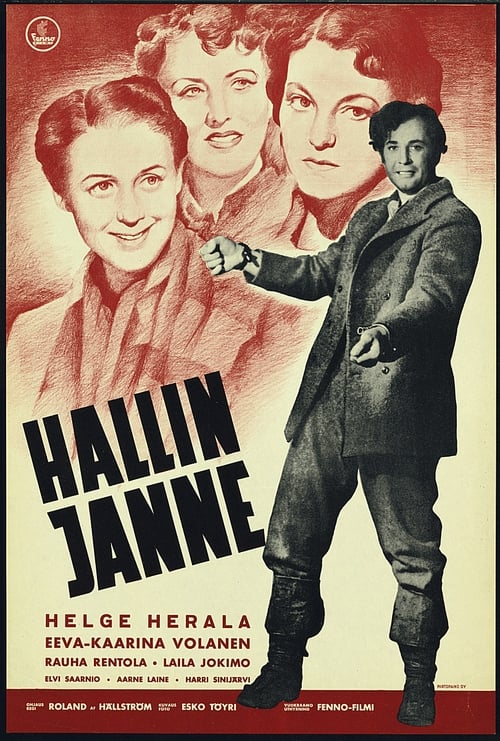
In the late 19th century at Längelmäki two men kill a mailman and rob all the money he carried. Based on actual events.
Hallin Janne
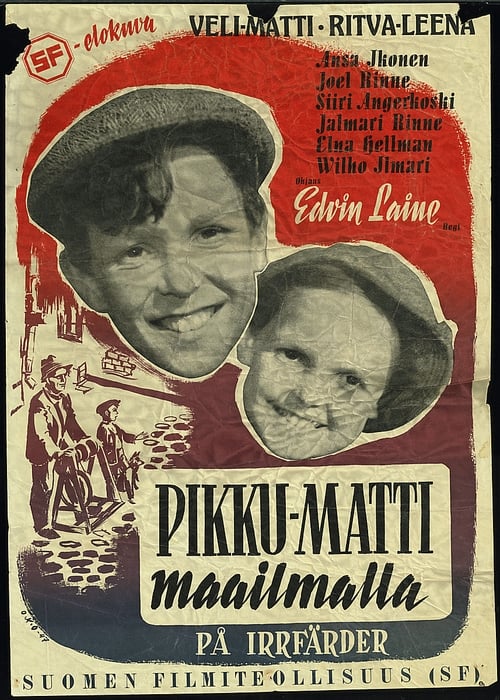
Little Matti, who has been living in the countryside with his grandmother, leaves for Helsinki to search for his missing mother, Kerttu. In the city, he is helped by Taneli, a homeless alcoholic artist, and Salme, a girl who lives with her alcoholic aunt.
Pikku-Matti maailmalla
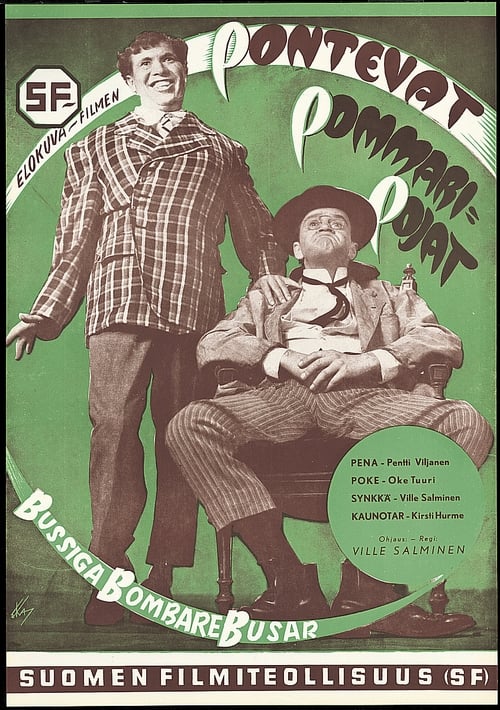
Poke and Pena, two private investigators in debt, see an advertisement in the newspaper about Dr. Peltonen's disappearance and the promised reward for finding him. The boys retreat to investigate the case in a house they have rented in the countryside, which happens to be next door to the criminal gang that kidnapped the doctor. The gang's boss, 'Synkkä' (Gloomy), and his sister, 'Kaunotar' (Beauty), try to distract the boys by hiring them to guard their villa.
Pontevat pommaripojat
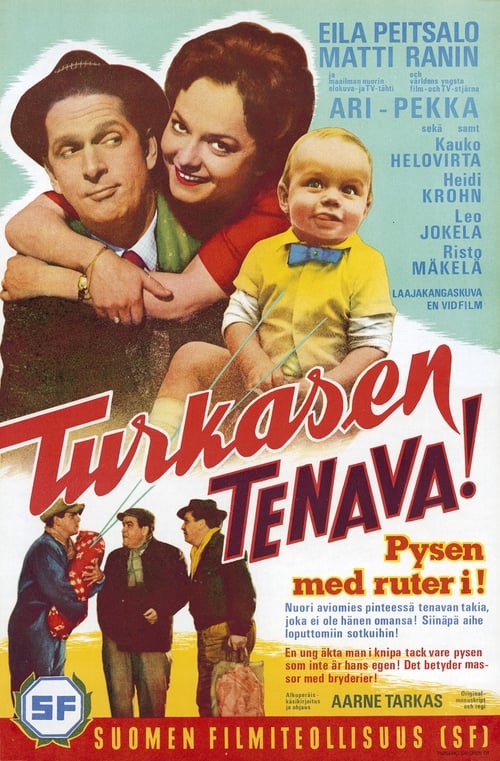
Architect Matti picks up Ritva and her young son while on a business trip. When the car runs out of gas, the travelers are forced to spend the night at a guesthouse, pretending to be a married couple. During the night, Ritva runs away, leaving the child in Matti's care. Matti tries to cope with looking after the child and keeps it a secret from his wife Maija.
Turkasen tenava!
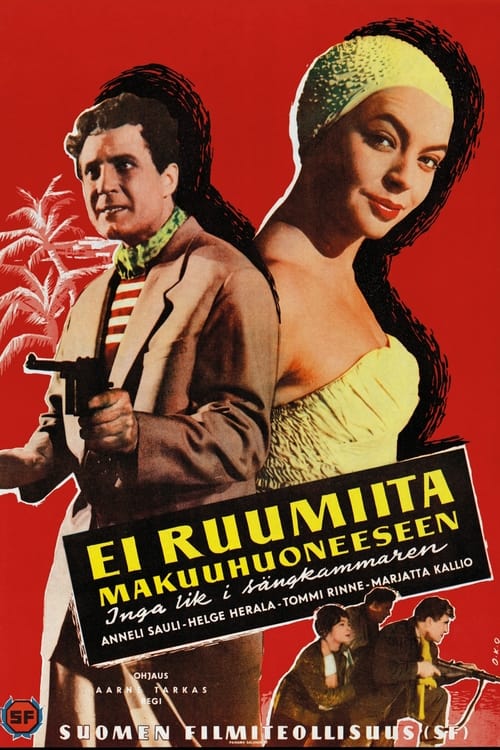
Two Finnish PI:s are hunted by a gang specialized to counterfeit banknotes from Malaga to Finland and Mallorca and back. The counterfeit money printing plates are desperately searched by the gang and our heroes try to hide from them by travelling to Mallorca, where some of the local hoods try to kill them and retake the missing plates.
Ei ruumiita makuuhuoneeseen
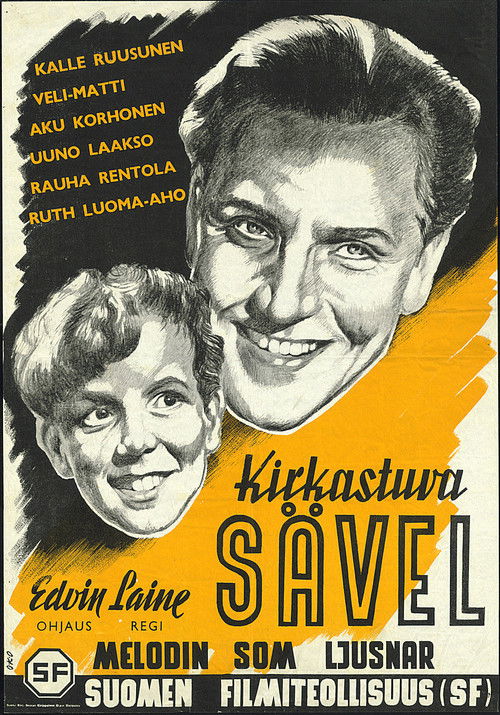
A story about the life of Eero, a machine shop worker, and his younger brother Martin in the working-class neighborhoods of Helsinki, and the change brought about by a conductor and his daughter who move in next door.
Kirkastuva sävel
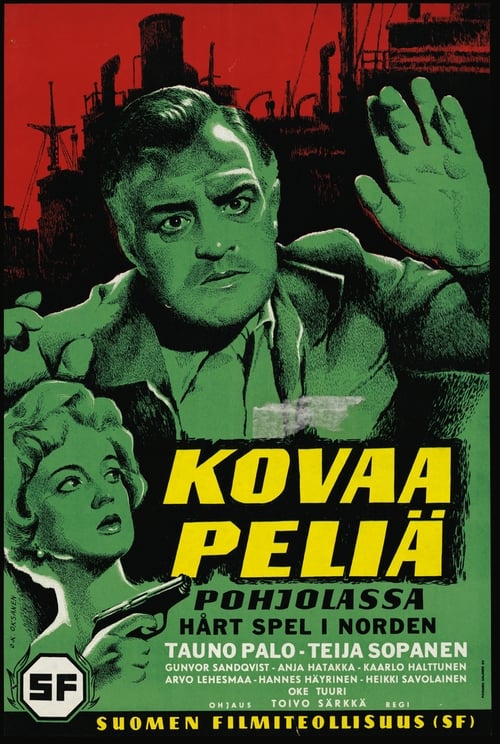
An ex-finnish army officer Kari Kivi returns to Finland after 12 years of absence. He is quickly hired by a businessman named Östermalm to be his stand-in to escape the ring of spies threatening his life. Many beautiful women cross Kivi's path before the spy ring is eventually crushed.
Kovaa peliä Pohjolassa
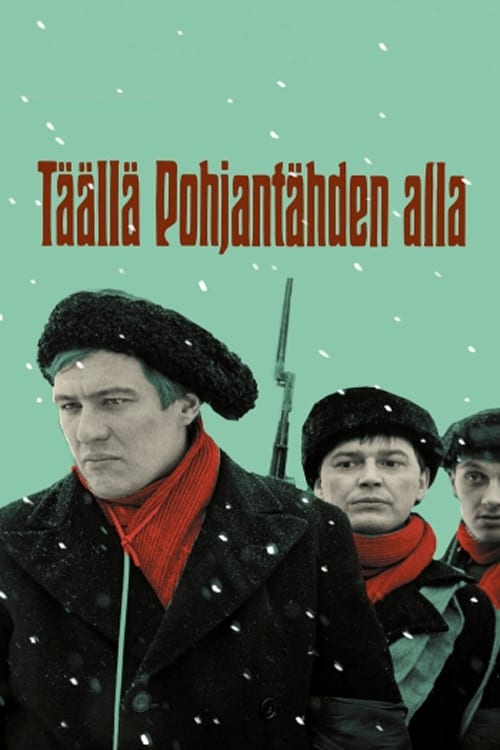
Täällä Pohjantähden alla is based on the book with the same title. It is a story of the little village. The movie starts in the 1890's and it ends to the Finnish civil war in 1918. Story concentrates around a tenant farmer family, although it gives us a good look at the society at whole. While the class struggle depends, people of the village are driven to bloody civil war.
Here, Beneath the North Star

Pete and Runt misinterpret the messages of a career choice machine and try to create a career as African dancers.
Pekka ja Pätkä neekereinä
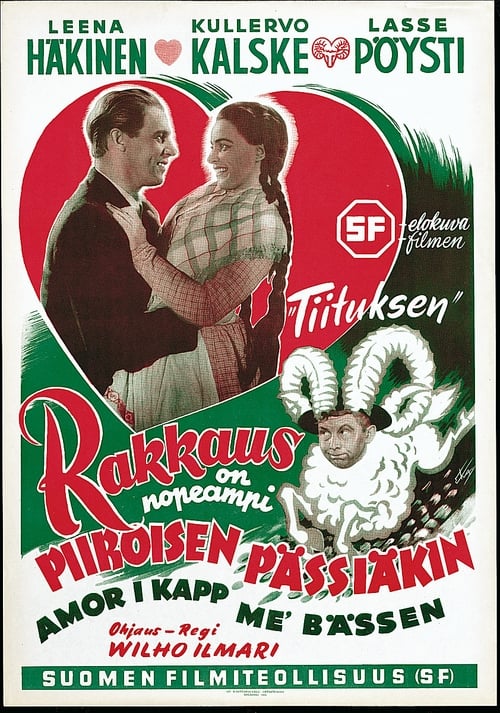
In the heart of Savo, police officer Kontkanen is searching for Heikki, a man suspected of selling alcohol. At the same time, he tries to catch the ram that has escaped from Piiroinen's farm and win the heart of Annastiina, the farmer's daughter, who is also sought after by other suitors.
Rakkaus on nopeampi Piiroisen pässiäkin
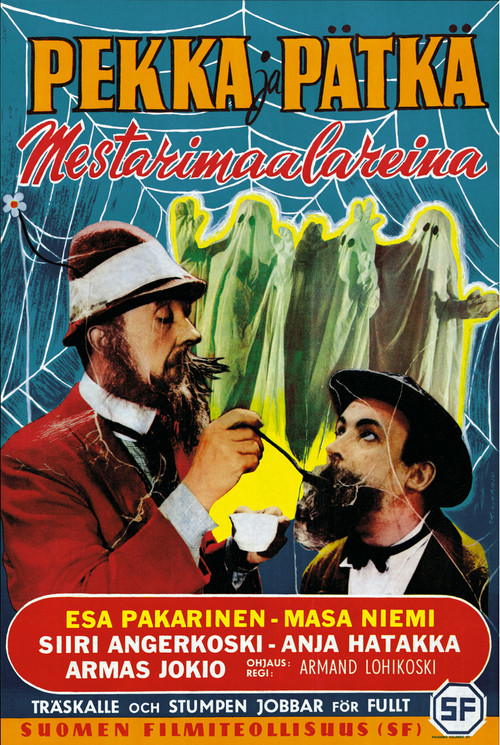
Justiina pushes Pekka and Pätkä to take painting lessons after realizing that art can be a way to earn a living. With the help of the yard children, a painting is created that wins first prize at a contemporary art exhibition. In the meantime, the men, along with their assistant Miss Kaihokielo, have been charged with art theft. After the misunderstanding is cleared up, the Puupääs use the art prize money to convert the house's bomb shelter into a children's clubroom.