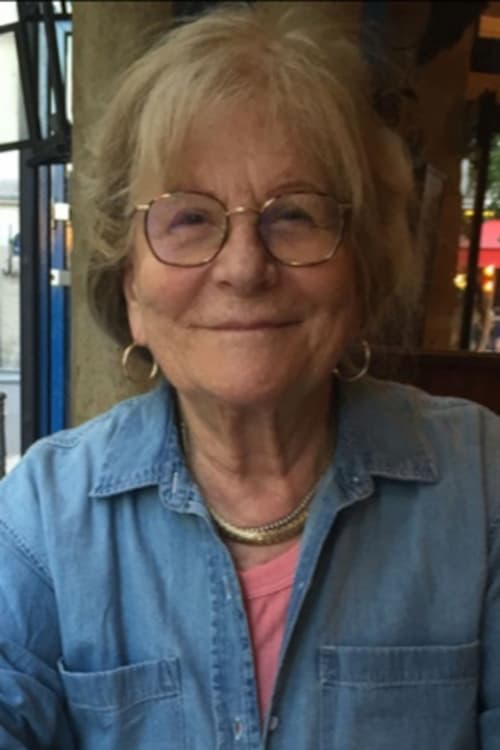
Ioana Wieder
Directing
Known For
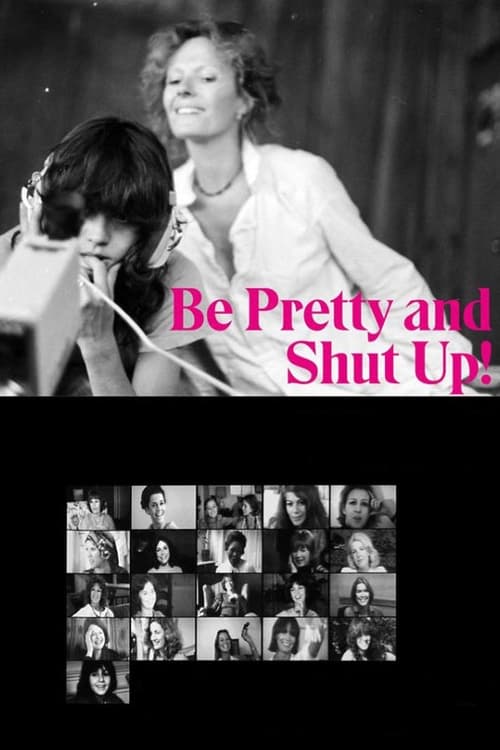
The film is a series of interviews with various well-known film actresses, including Jenny Agutter, Maria Schneider, and Jane Fonda. The title, which is borrowed from a 1958 film with the same name by Marc Allegret, refers to the sense the actresses have of what is expected of them by the film industry.
Be Pretty and Shut Up!
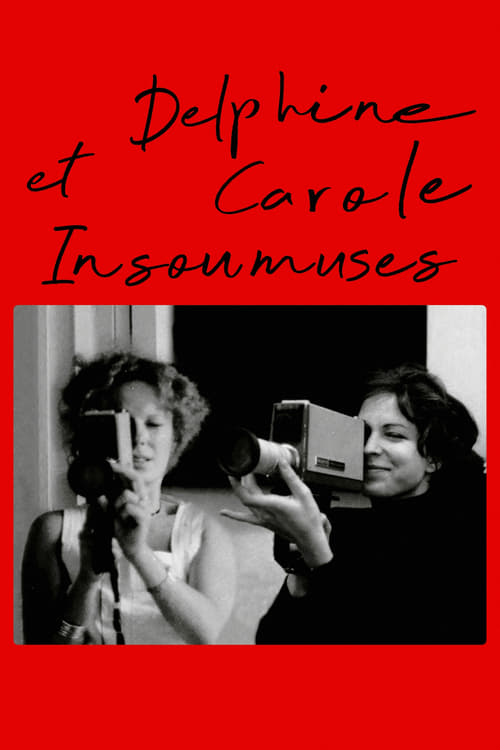
In the 70s, actress Delphine Seyrig and director Carole Roussopoulos, both militant feminists, were the pioneers of video activism in France. They documented the demonstrations of French feminists and used the new technologies to counter the poor representation of women in the public media.
Delphine and Carole

The year 1975 is declared “year of the woman”. On this occasion Bernard Pivot invited Françoise Giroud on television, then Secretary of State for Women. Faced with statements, a group of women filmmakers parody the issues in a provocative way.
Maso and Miso Go Boating
In two parts, it documents the litigation of Brigitte Fontaine, Monique Piton, Mireille and Erin Pizzey with Éditions de femmes in 1976 and those of Catherine Leguay and Brigitte Fontaine in 1977.
Il ne fait pas chaud

No description available.
Accouche!
A few hours after Sanchez Bravo's execution, his sister recounts the condemned man's last night. Otaegi's mother talks about her son's life and the last conversation she had with him. Txiki's mother speaks of the solidarity of her village, where she has lived for eleven years, a widow with seven children. She denounces the "phantom" trial, the torture and murder of her son.
Les mères espagnoles

After a series of rapes in broad daylight in 1985, a demonstration takes place in September. Leaflets accuse the "immigrant criminal underworld." Immigrants and Muslims are blamed. Eight feminists: Claire Atherton (editing), Claire Auzias, Marie-Jo Dhavernas, Catherine Deudon, Anne Faisandier (camera), Liliane Kandel, Nadja Ringart and Ioana Wieder want to testify and fight sexism wherever they come from and whoever the authors are. They decide to realize a documentary. They meet Souad Benani and Malika Bennabi, activists of the group Les Nanas Beurs, then Fatima and Rosa, activists of SOS Racisme. Then three anti-racist activists : Harlem Désir, Adil Jazouli, Sami Nair to discuss it.
Les racistes ne sont pas nos potes, les violeurs non plus
Women walk in protest against executions of Basque militants by Franco regimen.
La marche des femmes à Hendaye
Margo Jefferson, a journalism lecturer in New York, and Ti-Gracen Atkinson, a writer and feminist theoretician, talk to Flo Kennedy, a Black American lawyer, about racism, minorities' rights and the E.R.A. (constitutional amendment to garantee women's rights).
Flo Kennedy, portrait d'une féministe américaine
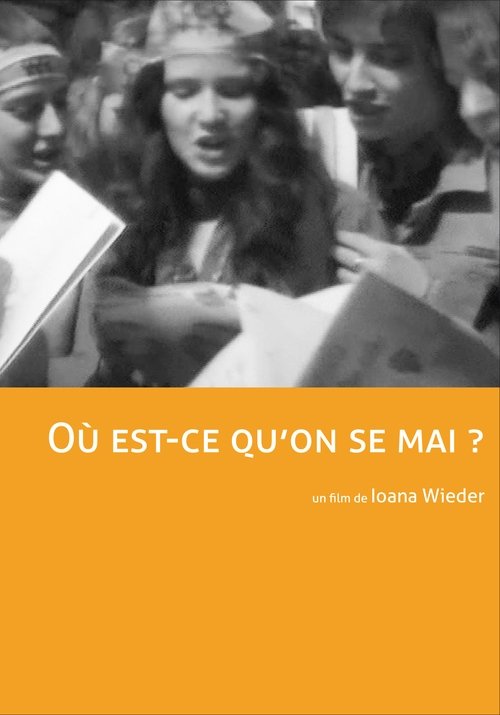
Documentary about feminist protests on the 1st of May of 1976
Où est-ce qu'on se "Mai"?
Documentary about women screen directors from 1900 to 1960, produced with the support of archival photographs and uotations selected from the following dictionaries of the cinema: Dictionnaire du cinéma by Jean Talard, published by Robert Laffont and Dictionnaire des cinéastes by Georges Sadoul, published by Seuil. Carole Roussopoulos uses pictures and quotes from Movie Dictionaries in this tribute to women filmmakers from 1900 to 1960.