Pierre-Henri Gibert
Directing
Known For
A French current affairs show.
La Case du siècle
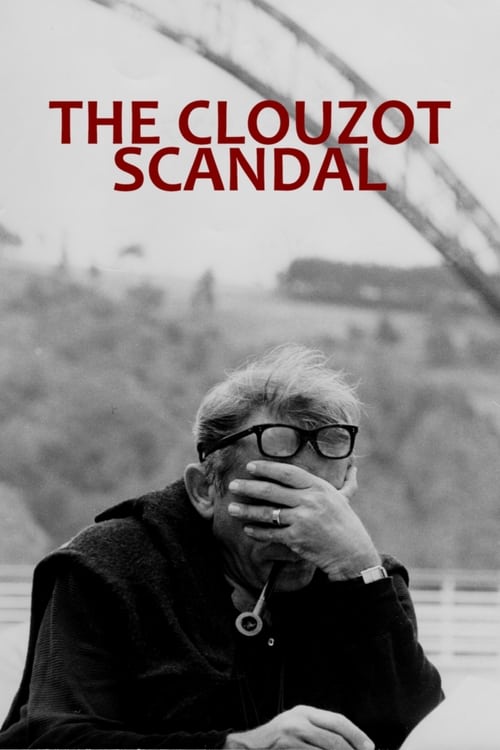
Great filmmakers claim the artistic influence of French director Henri-Georges Clouzot (1907-1977), a master of suspense, with a unique vision of the world, who knew how to offer both great shows and subtle studies of characters. Beyond the myth of the tyrannical director, a contrasting portrait of a visionary, an agitator, an artist against the system.
The Clouzot Scandal
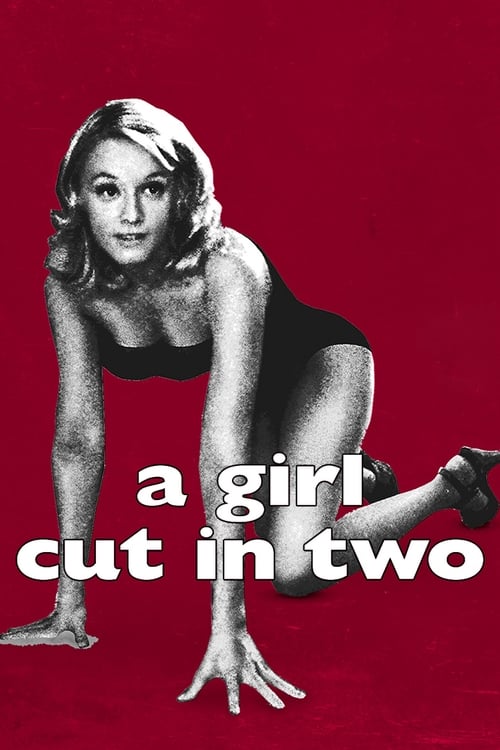
A TV weather girl is torn between an older man, a famous married author whom she loves but who won't leave his wife, and a semi-deranged young heir to an industrial fortune who loves her.
A Girl Cut in Two
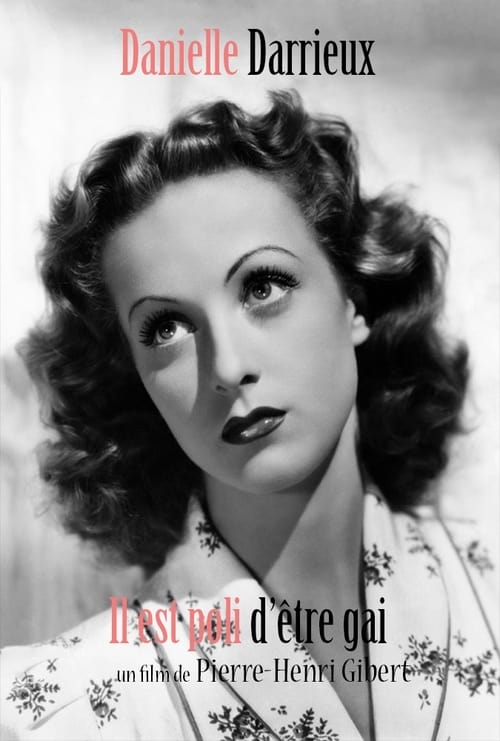
Danielle Darrieux - icon and actress of the century: as a 16-year-old, the French actress perfectly embodied what we would call an "It Girl" today. She conquered Hollywood at a young age with elegance and charm. She defied the taboos of patriarchal society. The documentary takes a look back at Darrieux's 80-year career.
Danielle Darrieux : Il est poli d'être gai !
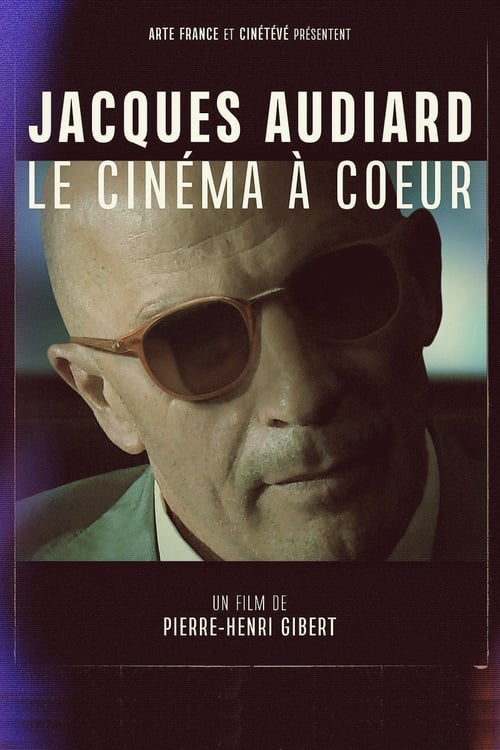
In eight films, Jacques Audiard has renewed French cinema, without alienating either the critics or the success. It is only at the age of 42 that he starts directing, after having been an editor and a scriptwriter. In 1994, he directed his first film, "Regarde les hommes tomber", whose conflicting shooting was an ordeal for this misanthropic beginner. It was with "Sur mes lèvres", in 2001, that he forged his cinematographic language: contained lyricism, deliberate imperfection of images, ellipses plunging the audience into a maelstrom of sensations. With each of his films, Jacques Audiard intends to renew himself, at the cost of challenges and doubts always more vivid.
Jacques Audiard, le cinéma à cœur
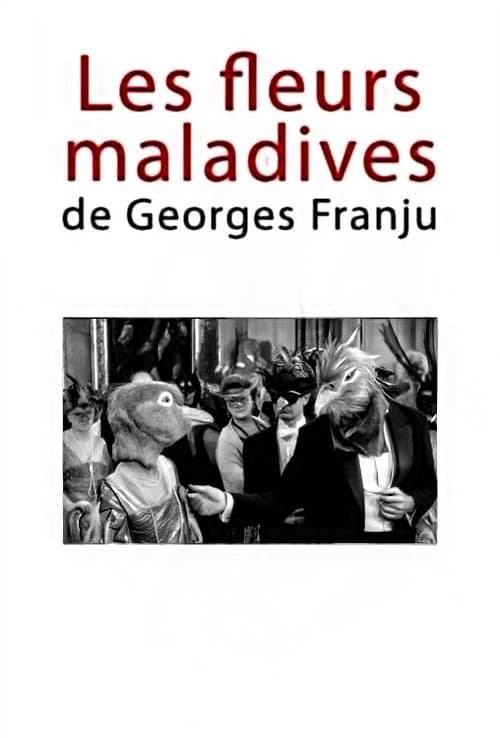
A short documentary about Georges Franju.
Les fleurs maladives de Georges Franju

Paris, 1940. German occupation forces create a new film production company, Continental, and put Alfred Greven – producer, cinephile, and opportunistic businessman – in charge. During the occupation, under Joseph Goebbels’s orders, Greven hires the best artists and technicians of French cinema to produce successful, highly entertaining films, which are also strategically devoid of propaganda. Simultaneously, he takes advantage of the confiscation of Jewish property to purchase film theaters, studios and laboratories, in order to control the whole production line. His goal: to create a European Hollywood. Among the thirty feature films thus produced under the auspices of Continental, several are, to this day, considered classics of French cinema.
1940: Taking over French Cinema
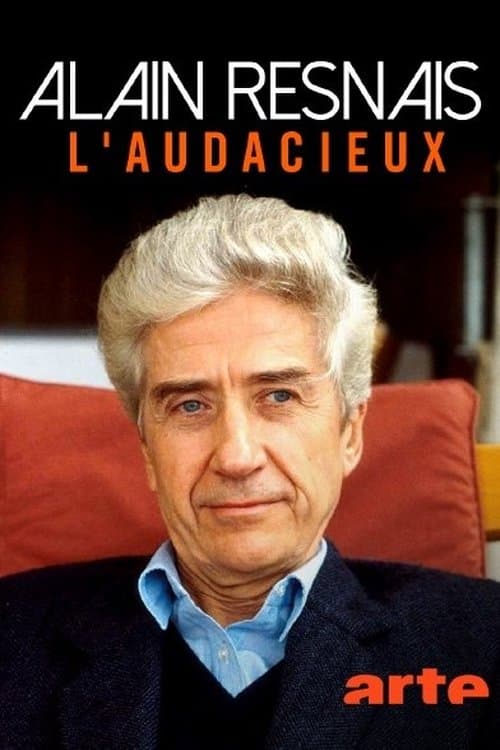
A genius inventor of forms, Alain Resnais is one of the fathers of cinematic modernity. This portrait, rich in archives, looks back on the career of a discreet non-conformist, in perpetual search of renewal to fight against anxiety.
Alain Resnais, the Audacious
No description available.
La Renaissance de Claude Sautet
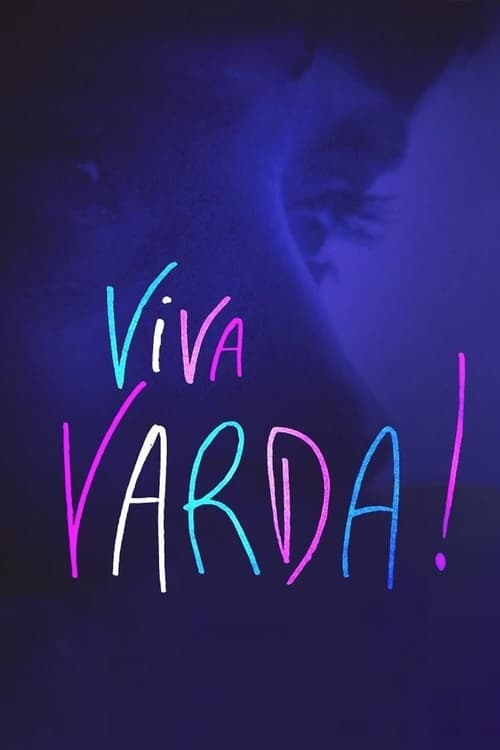
A pioneering post-war female film director, an instigator of the New Wave who was honored by Hollywood in her own lifetime, Agnès Varda has become a source of inspiration for a whole new generation of young filmmakers. With movies like Cléo de 5 à 7, Le Bonheur, Sans toit ni loi, Les Glaneurs et la glaneuse, she created a quirky, open to the world, sensitive to the disenfranchised, often silly body of work. Always one finger on the pulse, she shook everything up, including cinema itself which she refused to constrict to pure fiction or long-form films.
Viva Varda!
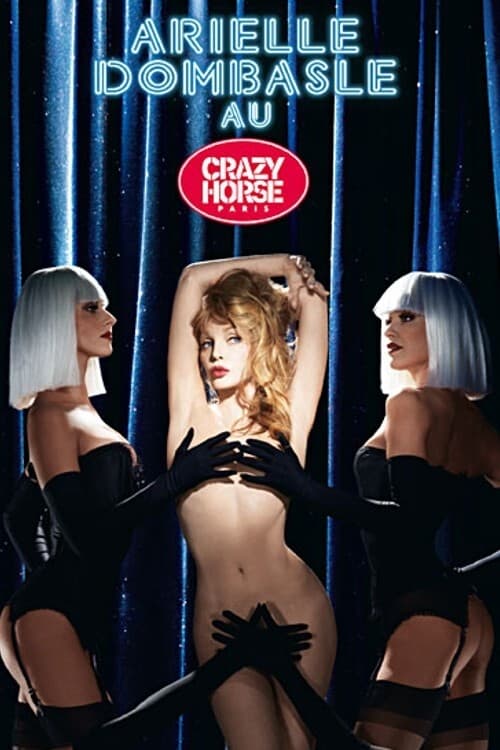
No description available.
Arielle Dombasle au Crazy Horse
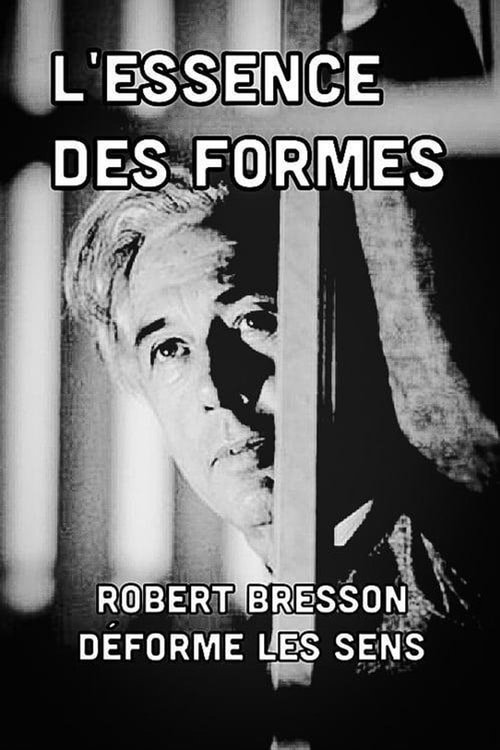
L'essence des formes (The Essence of Forms), a documentary from 2010 in which collaborators and admirers of Bresson’s, including actor François Leterrier and director Bruno Dumont, share their thoughts about the director and his work.
The Essence of Forms
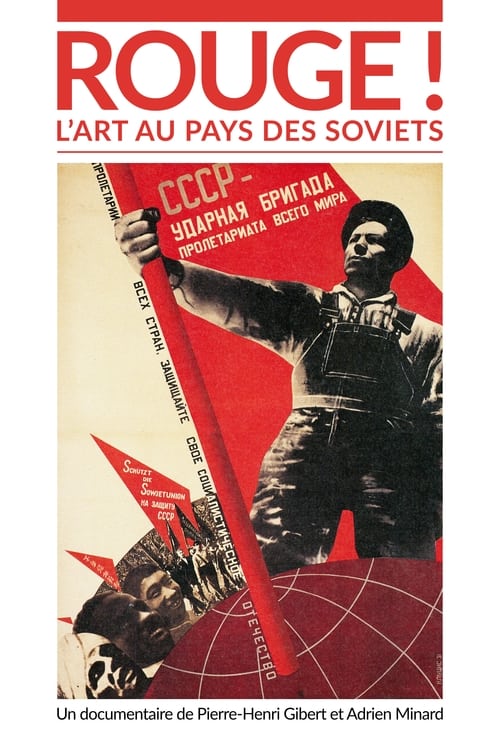
In the Russian Empire of the 1910s, a group of visionary painters revolutionized the aesthetic norms of their time and opted for radical abstraction. In the years between the seizure of power by the Russian Bolsheviks and Stalinism in the 1930s, the avant-gardists developed a new form of art that ushered in modernism.
Rouge ! L'Art au pays des soviets
No description available.
Éclats du monde : regards croisés de cinéastes
No description available.
Signé Clouzot !
The original image or the first image. That of the first film, that of all the promises. The matrix image announcing all those to come. The history of cinema is full of legendary first movies, master strokes rather than test shots. There is a lot to be learned from the early plants of estrean directors who later became great filmmakers.
The Original Image - David Lynch
No description available.
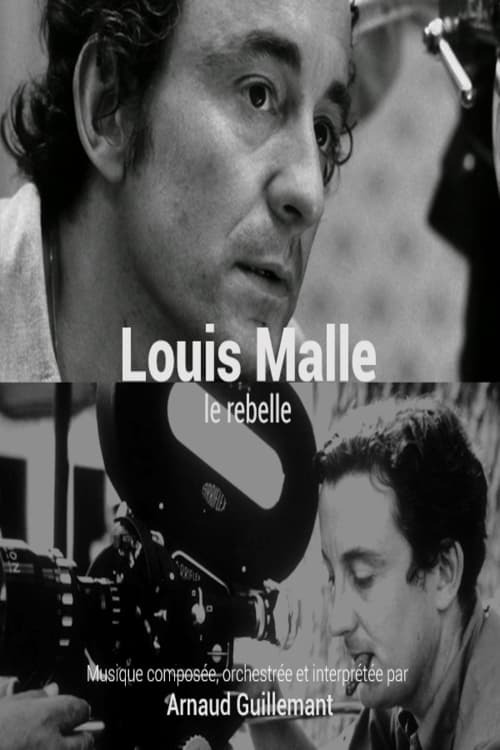
Louis Malle, le rebelle
A short featurette on "Cesar and Rosalie"
Three-Way Serenade
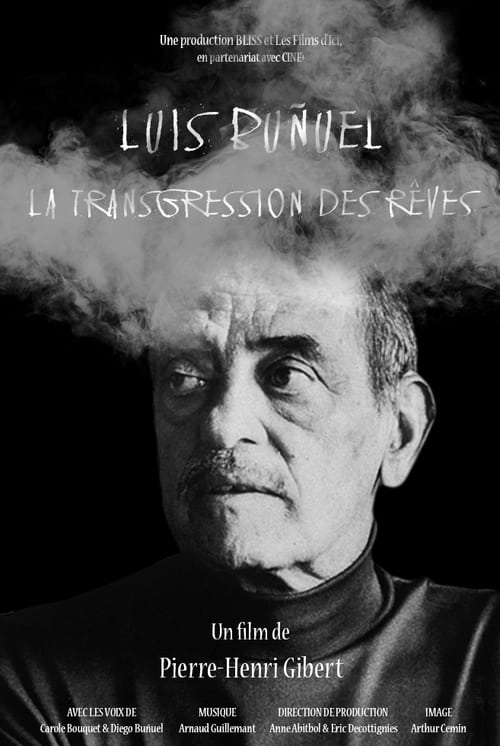
Based on unpublished interviews with the family, Jean-Claude Carrière, his writer and biographer, family archives, mini-fictions that dramatize the memories evoked and in constant echo with the upcoming films whose images seem to crystallize over the narrative, we wish to reinterpret Luis Buñuel's work through these decisive years, revealing hidden coherence, originality and beauty.
Luis Buñuel, la transgression des rêves
No description available.