Writing
The film shows the national festival that was held on the 100th anniversary of the Althing at Þingvellir at the end of June in 1930.
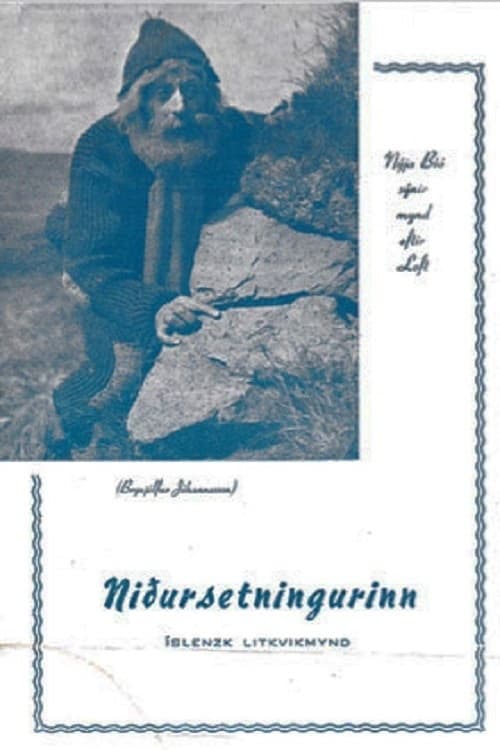
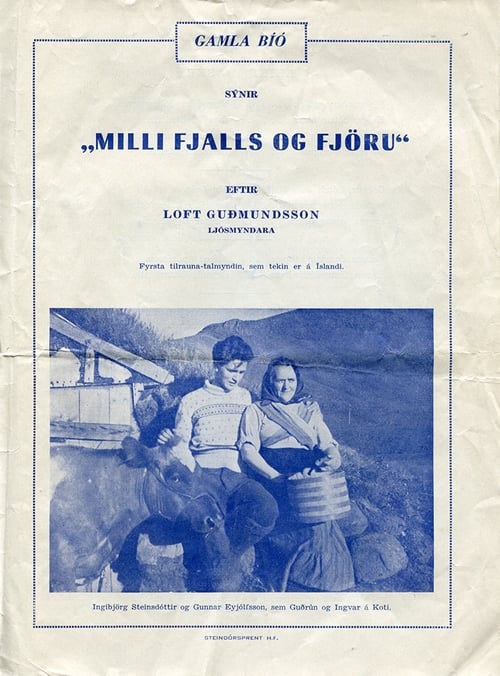
A film showing icelandic farmlife with elements of icelandic folklore mixed in.
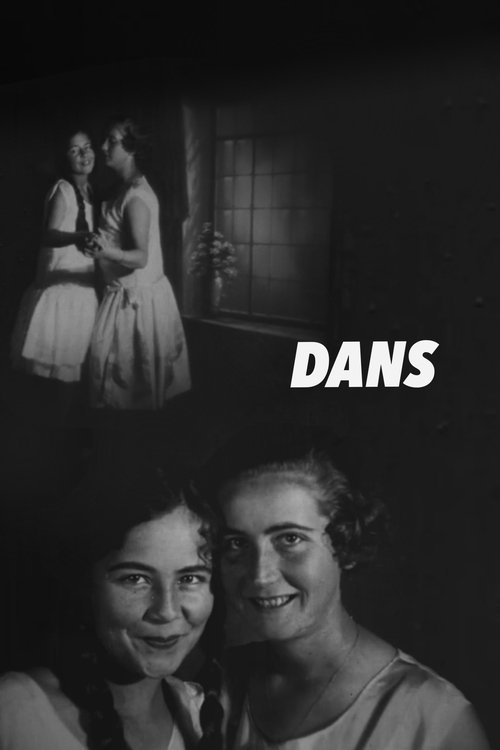
Ruth Hanson was of Danish descent, trained in dance and gymnastics in Denmark but then returned home. In 1927, Ruth hired Loft Guðmundsson, a photographer and filmmaker, to film a short instructional film on Flat-Charleston dancing. Ruth Hanson was 21 at the time, and her dance partner in the film was her 14-year-old sister, Rigmor.
The film shows the most diverse branches of industry and public life, but the longest continuous section is from Reykjavík. Other chapters of the film are from all over the country, such as Mývatn, Siglufjörður during the herring fishing season and of the eruption at Hekla.
No description available.
Newsreel depicting the second visit of Christian X, king of Denmark and Iceland, to Iceland in 1926. Iceland was from 1918 - 1944 a sovereign state united with Denmark under a common king.
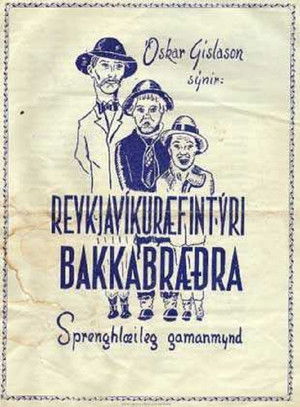
Follows the adventures of the Bakkabrothers while on their visit to Reykjavík
19th century Iceland: Ingolfur, the son of an impoverished farmer, is courting a wealthy merchant’s daughter. Things are complicated when he’s wrongly accused of stealing sheep. Based on a true incident.
Newsreel depicting the stay of Lowell Smith and Erik Nelson in Reykjavik during their 1924 flight around the world.
Loftur Guðmundsson films the Icelandic industry. Although only a few industrial companies are shown. They are, Ölgerðin Egil Skallagrímsson, Brjóstsykurverksmiðjan Nói, Kaffibrennsla Ó Johnson & Kaaber, Verksmiðjan Hreinn, Kornmylla and Mjólkurstöð Mjólkurfélag Reykjavíkur. In the film you can see a machine culture that is rising up in the city. However, the aforementioned companies paid Loftur for the film and it can therefore be said that this is an advertisement for individual companies.
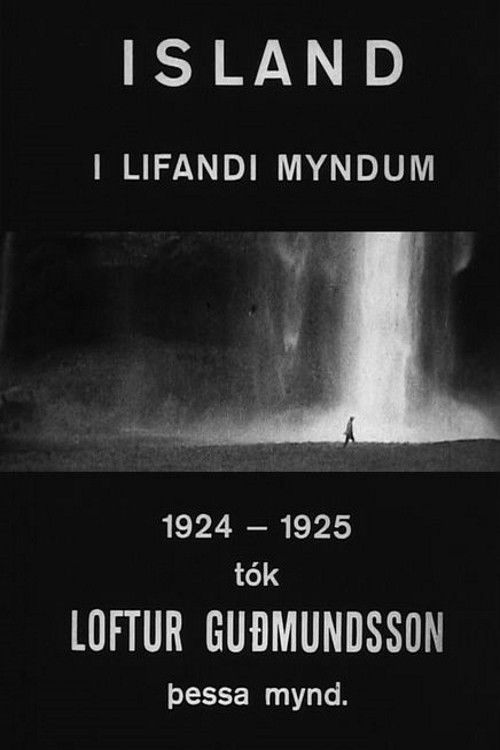
There is very little information available online on this little gem, the first 'feature-length' film shot exclusively in Iceland by an Icelandic director, the pioneer Loftur Guðmundsson. Director and crew travelled all around the country with the ambitious goal of documenting all the aspects of the local life at the time. Fishing plays an important role (being then, by far, the number one national industry); one can also witness the humble beginnings of 'city-life' in the capital, one of the first (or was it the very first?) cars driving in Iceland, beautiful pastoral shots of farm-lands, ladies posing in the national costume, as well as fighters indulging in the national sport, 'glyma'. The 21st century traveller will be able to recognize a number of landmarks. The images are often naive, genuine, and captivating. In my opinion one of the most valuable Icelandic films. --Ewolve
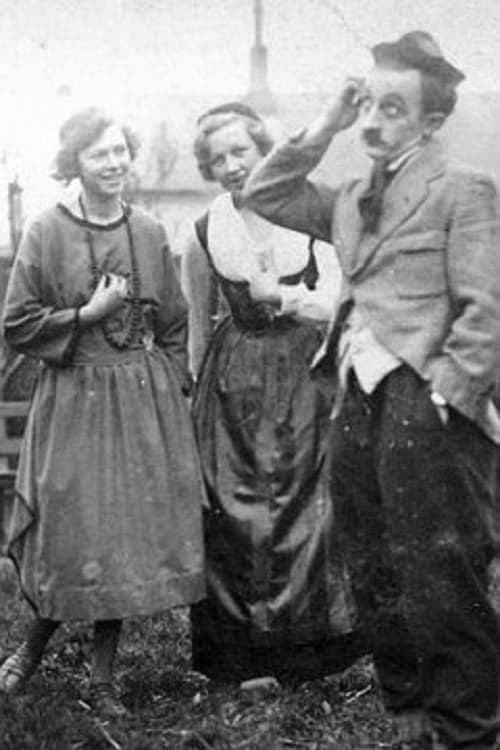
The Adventure of Jón and Gvendur is a silent comedy inspired by Charles Chaplin. It is regarded as the first Icelandic feature film as it was directed, written and produced by Loftur Gudmundsson.
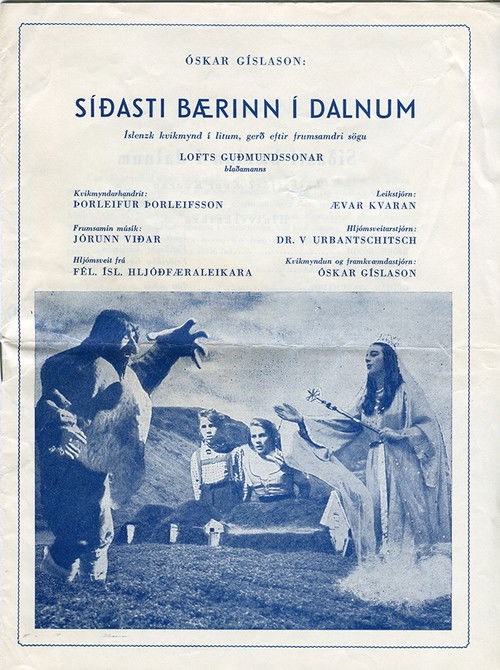
"Síðasti bærinn í dalnum" is in the spirit of old folktales, a classic fairy tale about the struggle of good and evil. In the countryside, all the farmers have fled because of pestering trolls. One farmer, however, holds his ground with his family as the grandmother keeps a magic ring that protects the inhabitants from all evil. The trolls try to steal the ring and thus set in motion a series of events where forces of evil, a dwarf who can make himself invisible and an elf queen come to light.