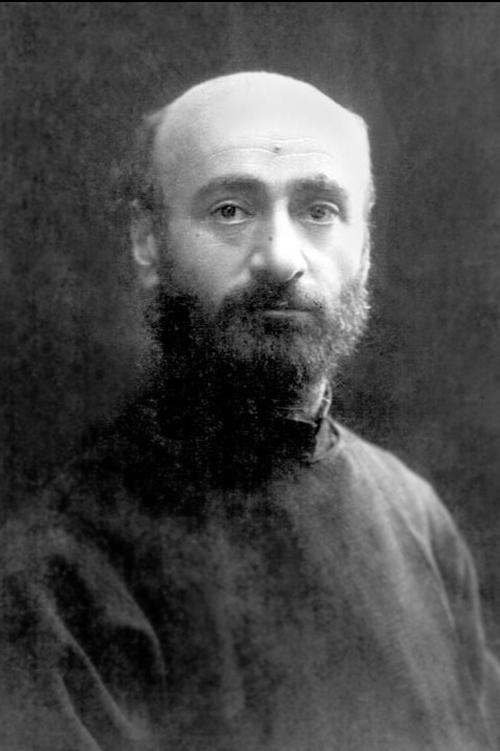
Komitas
Sound
Biography
Komitas (born Soghomon Soghomonian) was an Armenian composer, musicologist, and priest, widely regarded as the founder of modern Armenian classical music. He studied music in Paris and dedicated his life to preserving Armenian folk music, transcribing hundreds of traditional songs. Komitas combined Western classical music with Armenian folk elements, significantly influencing Armenian music. During the Armenian Genocide in 1915, he was arrested and traumatized, which led to mental health issues. He spent his final years in a psychiatric hospital in Paris. Komitas is remembered as a key figure in Armenian cultural heritage.
Known For
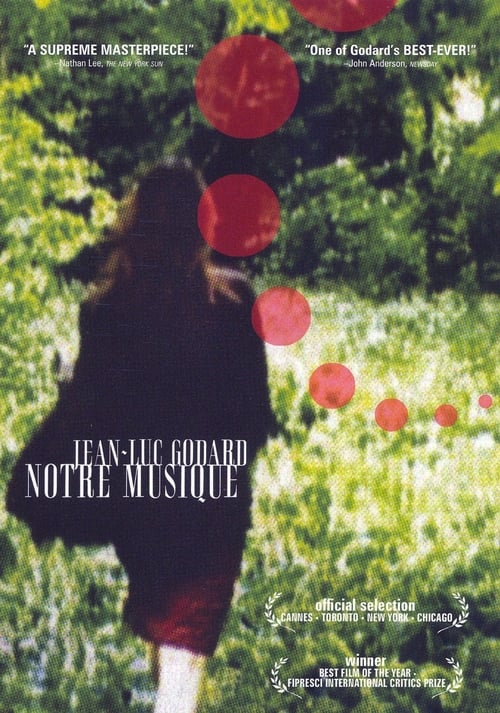
A three-chapter (Hell, Purgatory and Paradise) meditation on the city of Sarajevo in the wake of the Bosnian war, on Palestine and Israel, and on war itself.
Notre Musique

The story of how Aurora Mardiganian (1901-94), a survivor of the Armenian genocide perpetrated by the Ottoman Empire (1915-17), became a Hollywood silent film star.
Aurora's Sunrise

This movie tells the story of the centuries of cross-stones and how firmly they stand on the face of the earth, but at the same time, people forget about them.
Tombstone
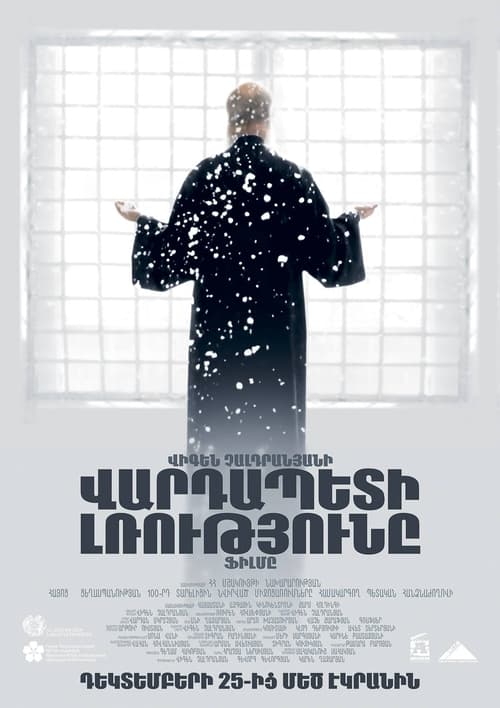
A film about the great Komitas, one of the victims of the Armenian Genocide, who wasn't killed, but went crazy and kept silence for 20 years
Alter Ego
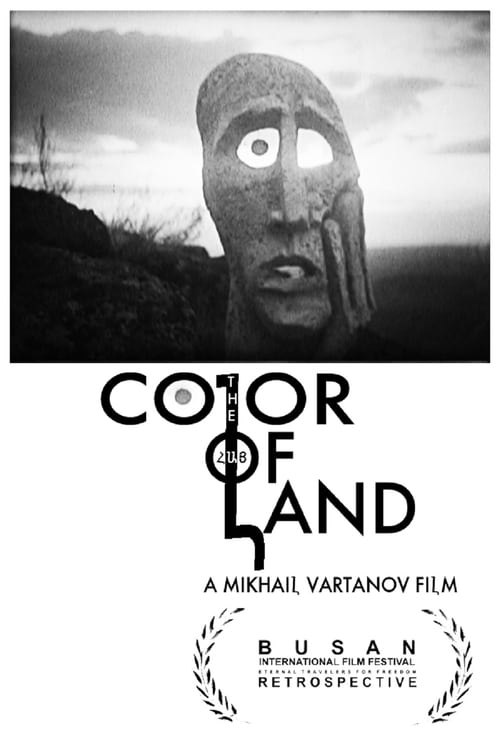
In his wordless debut film, Mikhail Vartanov presents the ancient and modern art of Armenia through the post-impressionist painter Martiros Saryan’s silent commentary of gestures. Biblical landscapes, the ruins of temples, frescos, cross-stones, contemporary sculptures of Tchakmakchian (Chakmakchyan), the first appearance on film of iconic modernist painter Minas and his paintings, as well as the world famous behind-the-scenes episodes of Sergei Parajanov’s landmark "The Color of Pomegranates (Sayat Nova)." The film had its first public screening at one of the world’s largest and prestigious cinematic events, the Busan International Film Festival, 43 years after it was made.
The Color of Armenian Land
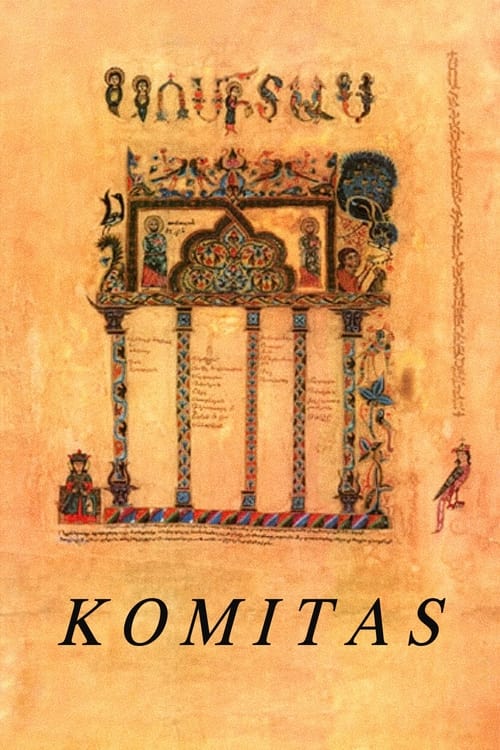
The film is dedicated to the Armenian monk and genius composer Komitas, and the 2 million victims on his people in Turkey in 1915. The final 20 years of Komitas life were spent in various mental hospitals. The destiny of Komitas? This is the magic beauty of Armenian culture and the abhorrent brutality of Armenian history. A cultural and artistic world that was slaughtered with a curved knife. A humanity that doggedly advances towards an apocalyptic catastrophe, that does not recognize its own original purpose, eradicates its own memory, its final roots.
Komitas

The film tells about the famous Armenian sculptor Ara Harutyunyan.
Ara Harutyunyan's Komitas

The suitcase is packed and placed in the middle of the room, the door to the apartment is open, but something is preventing him from leaving. KROONG ( Կռունկ ) - Crane. In Armenian culture,Crane is a symbol of migration and the melancholy associated with departure, which resonates with the broader themes of Armenian history and culture.That's why movie called KROONG
Kroong
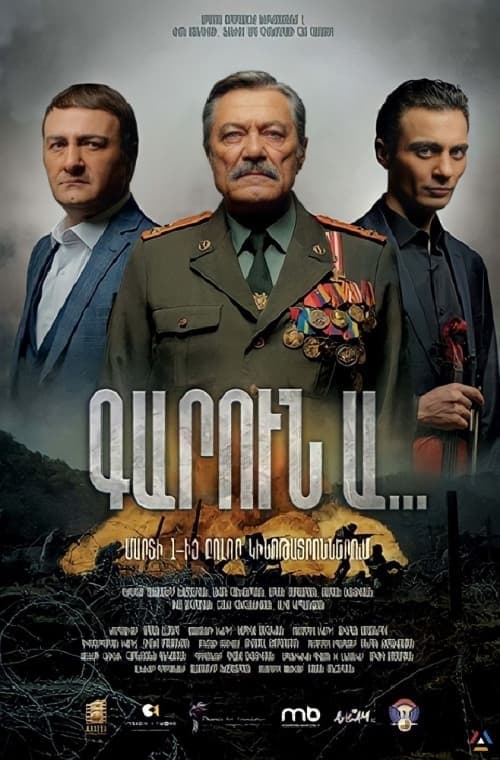
The film is about war, love, the devotees of our days, unity, the formation of state thinking and patriotism.
It's Spring…
The documentary represents and describes Hovhannes Tumanyan and Komitas as individuals, citizens, national figures, and those who raised national values to a new level.
Crossing Roads
In 1988 the largest demonstrations and strikes ever in the history of the Soviet Union took place in Armenia. The immediate cause for it was the demand of Nagorno Karabakh, an autonomous area in Azerbaijan, to be an administratively accounted Armenian territory.