
Pēteris Vasks
Sound
Biography
Pēteris Vasks is a Latvian composer.
Known For
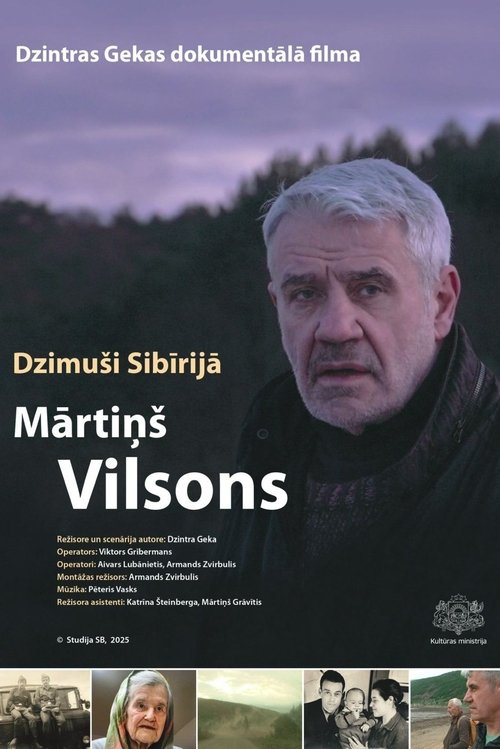
The years 1941 and 1949 became a fateful turning point for thousands of Latvians who were taken away without warning to an unknown destination. In a foreign land and harsh conditions, they tried to preserve their humanity, create a new life, and raise their children. These children grew up far from their homeland, in a foreign environment where they felt like outsiders. They learned a foreign language, lived among strangers, and asked questions that even adults were afraid to answer. One of these children is actor Mārtiņš Vilsons, who was born in exile in the Magadan region of Russia to the family of Zenta Vilsone and Rolands Čehovičs. In this documentary, director Dzintra Geka portrays his life story as a personal testimony to the fate of the exiled Latvians, their search for identity, and their return to a contradictory reality.
Dzimuši Sibīrijā. Mārtiņš Vilsons
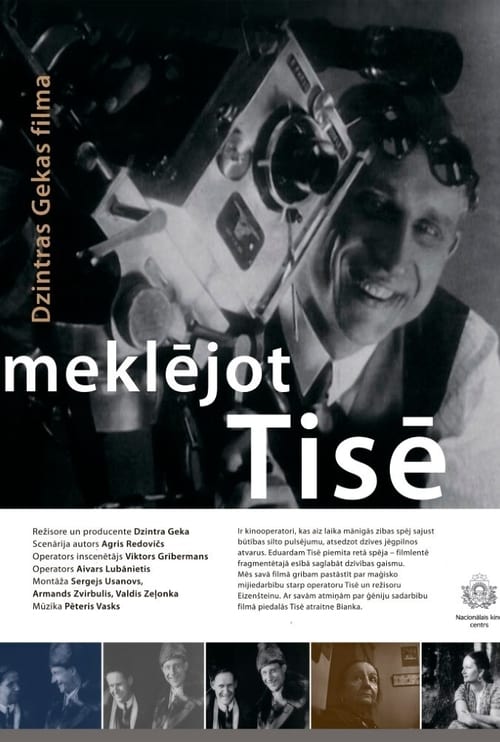
The story of the world-renowned Liepāja-born cinematographer Eduard Tisse, whose wife was convinced it was he who created all the famous films of Sergei Eisenstein. The creators of the film develop the story and cross the lines drawn by biography, trying to understand the magic interaction between a cinematographer and a director, between the cinematographer and the object in front of his camera.
Seeking Tisse
At fifty years of age, film director Ivars Jansons has been unlucky in both his personal life and his creative work. Something inside him has broken under the constant pressure of compromise. Having left the big city and returned to his homeland, Ivars tries to rebuild his broken relationships with his wife, his son who grew up without him, and his friends who are trying to revive their creative imagination with the help of memories. The illusion of returning to the dreams and ideals of his youth and his selfish focus on himself prevent him from deeply and truly feeling the experiences of his loved ones and averting the impending tragedy.
Sižeta pagrieziens

A musical tale about the seasons.
Both Ends White, the Mid is Green
Why did we travel to Siberia for 20 years? Why did we make this film? How did we see Siberia? People who were deported as children in 1949 and 1941 searched for the places where their loved ones were buried. After 2014, we were watched more closely, we were not allowed into museums, we were followed, and the people we had met were interrogated. When we found graves, we were not allowed to take out our cameras and film. And yet... we would never have believed that Russia would attack Ukraine, threaten the Baltic states and the Western world.
Tālā zeme Sibīrija. Kāpēc mēs braucām?
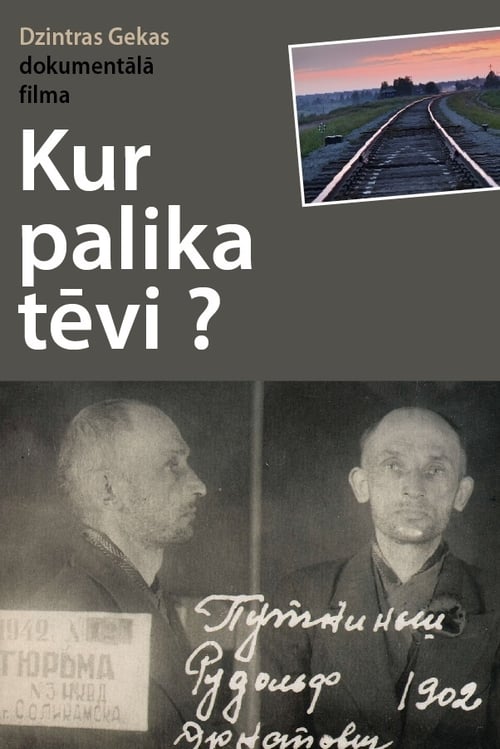
The children who were sent to Siberia in 1941 have not seen their fathers – in their memories they recollect: “My father was arrested, he was sent to Vyatlag camp. He died there in March, 1942. He was not convicted. Father was tried in the autumn of 1942, when he was already dead, Moscow Troika verdict: 10 years in prison and confiscation of property...”The railcar moves along overgrown rails. For 70 years, the twelve participants of the journey have wanted to go to the places from where their fathers did not return. Among the harsh nature the tension on their faces shows.
Where Did The Fathers Go?
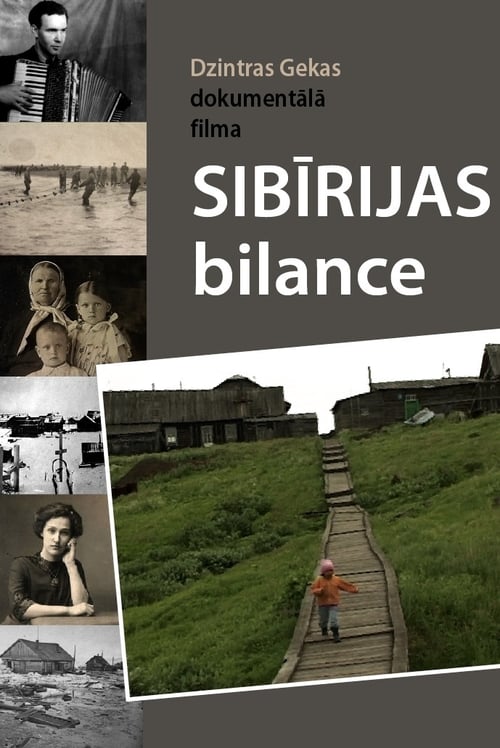
The year 2011 marked the 70th anniversary of the deportations of June 14 1941, when 15 425 residents of Latvia (Latvians, Jews, Russians, Poles) were deported to Siberia. Among them there were 3 751 children aged up to 16. During the process men were separated from their families and sent to gulags, where many were sentenced to death, while others were imprisoned in labour camps. The facts of history and dry and few, but many of the victims and their children and grandchildren are still among us. During the summer of 2010, people who were deported to Siberia in 1941 as children joined their own children and a video production crew to travel back to the far North of Russia.
The Balance Sheet of Siberia

The calamities of a turtle family which is driven out of its natural environment. European pond turtles (Emys orbicularis) are the only species of turtles living in Latvia and they are endangered.
Turtles
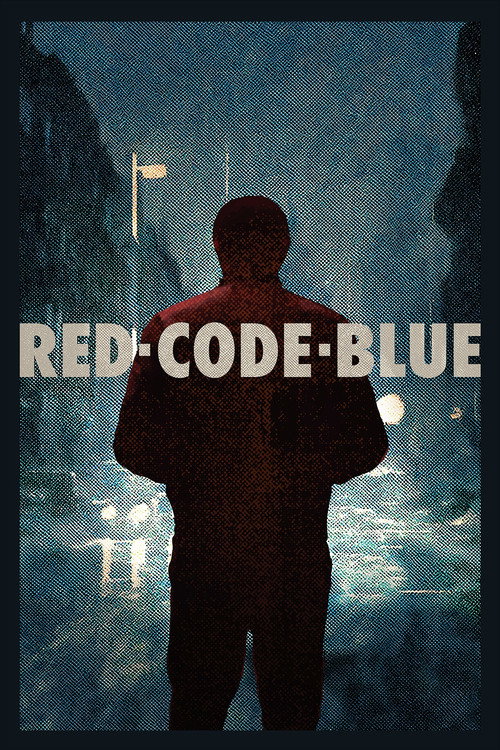
Young police detective Romāns Skulte joins the Riga Central Precinct in the mid-1990s. In no time at all, Skulte’s youthful enthusiasm clashes with the harsh reality of the streets, leading him to the realisation that in order to purge the city of crime, ethical and legal boundaries must be breached.
Red Code Blue

Latvia. The end of the 19th century. In a corner of a parish on the shore of a lake, two families live side by side. The Dievlodziņi and the Vilkači. With a long-standing hatred in their relations. True, the manifestations of hatred are felt only in the Dievlodziņi homes. How could it not! They are increasingly unlucky, diseases and livestock diseases strike, and the crops do not yield. In contrast, in the Vilkači, everything grows in a whirlwind, and diseases also continue to take a detour. This leads us to think that the Vilkači family achieves its prosperity by pestering and practicing witchcraft. Over time, they have also managed to turn the other people of the parish against them. However, the essence is completely different. The Vilkači people, being Christians, have not forgotten the ancient traditions and customs of the Latvian people, which are rooted in human life, not separating themselves from nature.
The Heiress of Werewolves
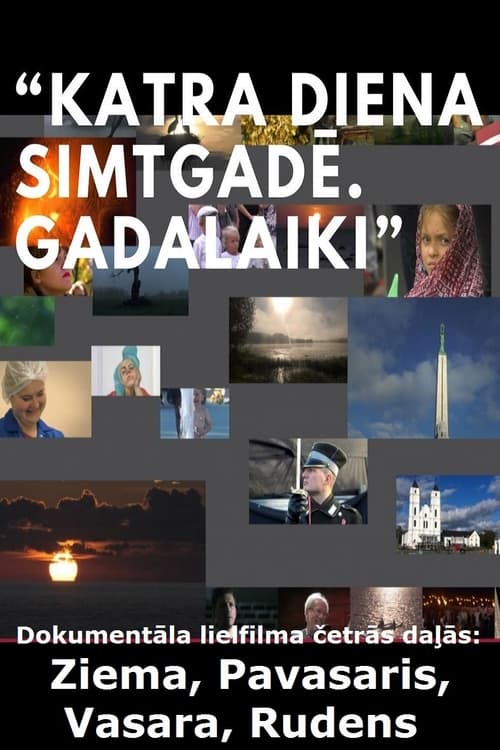
The film is a reflection of the Latvian people in the year of the country's centenary – viewers will easily recognize themselves and their personal stories in its scenes. Starting on New Year's Eve, January 1, when the first centenary baby, little Jete, arrives in the world to the sound of fireworks, and ending with piano music playing over a snow-covered and sunlit panorama of Latvia, the film captures the lives of hundreds of people. In addition, by filming each of the 365 days, sometimes with several cameras, and observing the processes of nature, in the countryside and in urban environments, in the lives of individuals, families and society, the cameramen have vividly captured the different facets of this story through the lens of the camera: the beautiful, the bitter, the grand, the meaningless, the comical and the absurd.
Katra diena simtgadē. Gadalaiki.
Residents of the Cēsis district – Vizma Rass, Zigrīda Perevalova, and Andris Eglītis – recount their suffering during their school years, the deportations of 1941, and their memories of Siberia. The emotional narrative is supplemented by excerpts from other films shot by Dz.Geka: "The Occupation of Latvia," "Children of Siberia," and "Greetings from Siberia."
Atcerēties vai aizmirst?
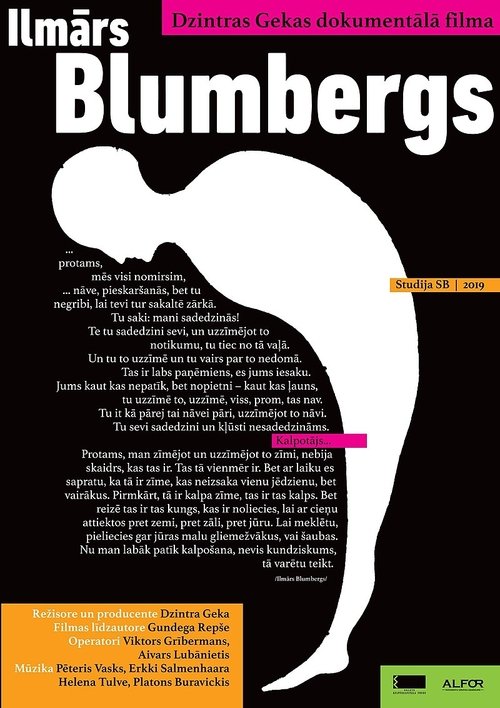
The story of the secret of self-creativity, the loneliness of the soul, the meridians of con-sciousness and the scope of man. Ilmārs Blumbergs (1943-2016) is a concept in life than can be classically proven if we analyze his work in set design, poster art, painting and multimedia work. The personality of Blumbergs, however is a shifting and intangible material which ensures superior value, wonderfulness and intimacy to all that he created. Those who analyze his art and world perceptions, recognize the work as seeming to come from antiquity, but it can never be catalogued or recorded in bookkeeping. How fortunate that it also cannot be consumed.
Ilmārs Blumbergs

The protagonist's adventures tell a story about the water supply system.
Ūdensbrīnums
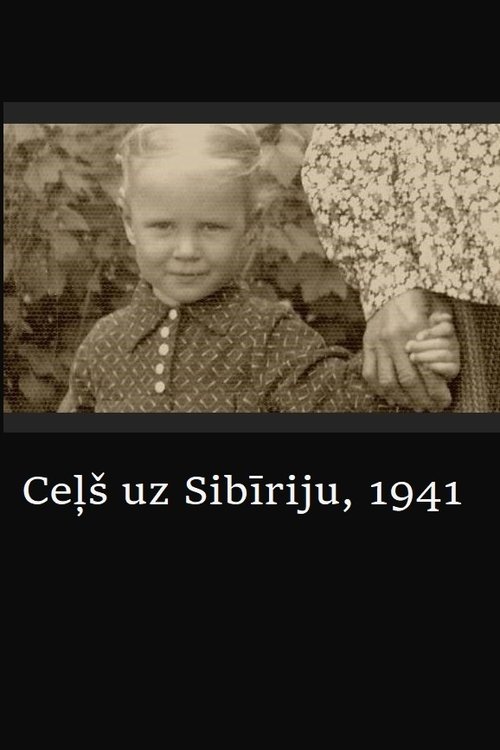
On June 14, 1941, 15,424 Latvians were deported from their country, including about 4,000 infants, children and adolescents. Many of the youngest died on the way, others died later from starvation, disease and over work in the Soviet camps. Some of the deported children survived and returned to Latvia, others remained in Siberia for their whole lives. Dzintra Geka's latest documentary "Road to Siberia, 1941" is an emotional account about those deportees who grew up in Siberia, far from their homeland.
Road to Siberia, 1941
The film’s protagonists Ieva and Apollon are former workers of a collective farm. Once they loved each other passionately. Yet it was in "another" life, the time of kolkholzs. The attempt to revive that love ends up in a tragedy. However the story goes on. The events around their burial are so intriguing that mass media raise them to the level of the United Nations.
Dragon's Egg
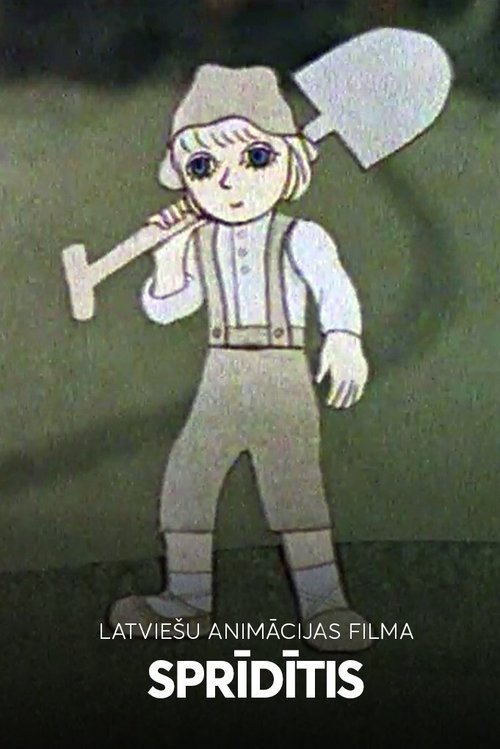
An animation film based on the play by Anna Brigadere.
Tom Thumb
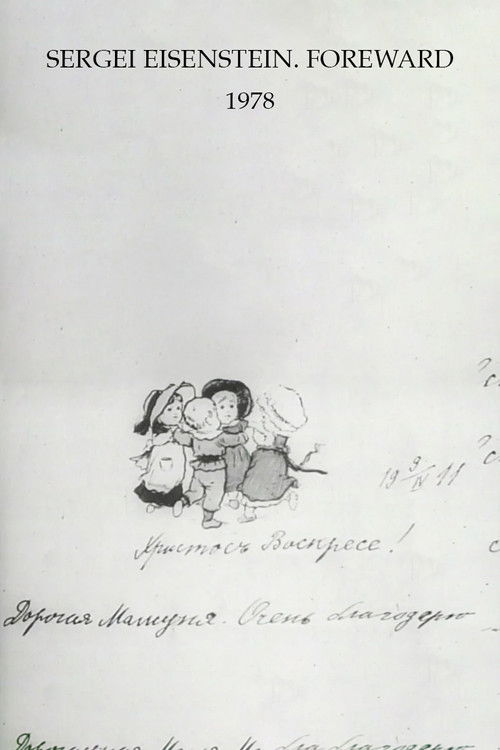
A documentary exploring the childhood of filmmaker Sergei Eisenstein in Riga, examining how the multicultural city and his early encounters with art shaped the future pioneer of Soviet cinema.
Sergei Eisenstein. Foreword
A film about the outstanding chess player and world champion Mikhail Tal. The director, in collaboration with the cinematographer, has discovered a technique for showing not only the psychological portrait of the film's protagonist, but also the movement of his thoughts and the passage of time.
Mihails Tāls. Pēc divdesmit gadiem
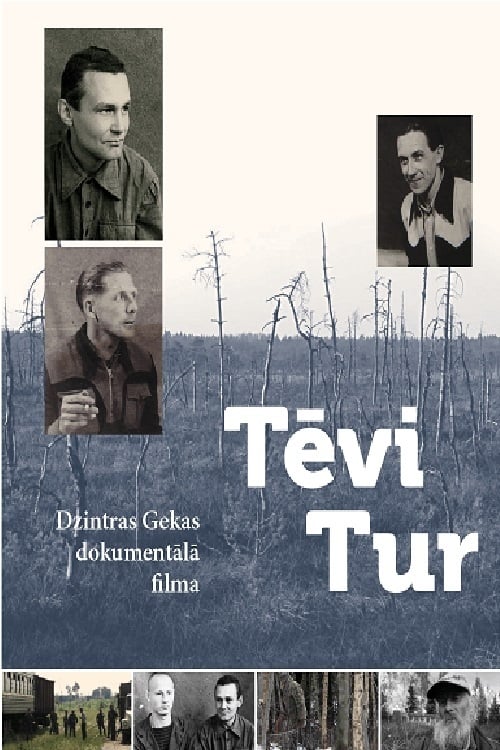
Andris Caune, Ojārs Grensbergs, Imants Grāvītis and Jānis Zemtautis spent many years in the Gulag camps. They survived. In 1954, a riot broke out in Jezkazan, Kazakhstan. The men’s camp and women’s camp joined together and held on for 40 days. Then came the tanks that killed more than 1,000 of them. Austra Vērpe met her future husband there. They were lucky to stay alive. The dream of the musician Zigfrīds Muktupāvels was to find the grave of his paternal uncle in far-off Kazakhstan. He was named after his uncle, who never came home. Zigfrīds and a cousin headed off into the steppes to look for a monument reading “Zigfrīds Muktupāvels.” The next round of deportations occurred in 1949, and whole families were sent to Siberia. Fathers were tried in court, a great many ended up in punitive camps in Vorkuta and Inta. Skaidrīte Jostmane and Māris Landers travelled to Vorkuta to find their father’s gravesite.