Peter Yam
Production
Known For
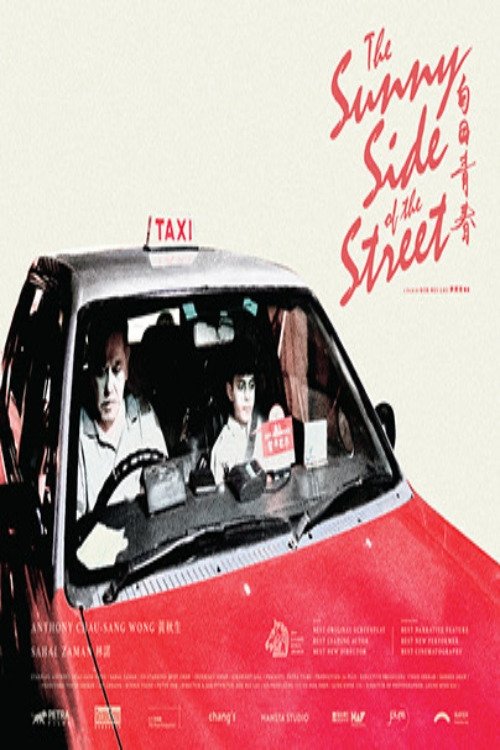
A confrontation between two Hong Kong immigrants – one a cab driver from Mainland China, the other a lawyer and refugee from Pakistan – spells disaster for their families, especially the lawyer's young son.
The Sunny Side of the Street
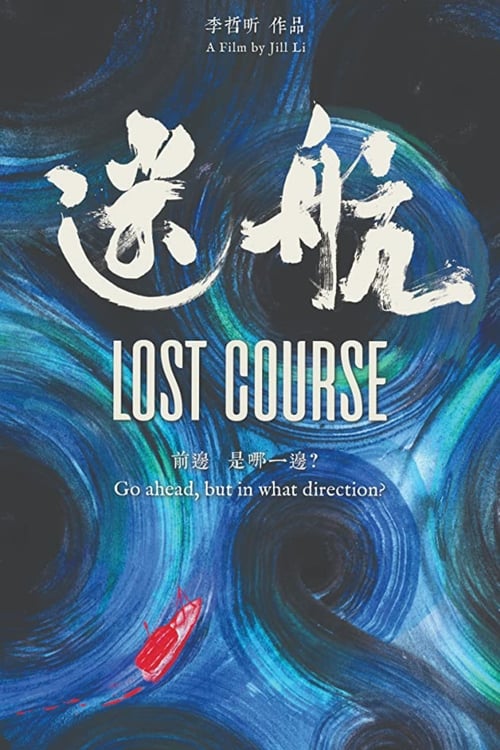
Lost Course chronicles a grassroots democratic movement in the southern Chinese village of Wukan. The villagers protest against the corrupt local officials before ousting them and organising elections of their own. However, after taking control of their destiny, the villagers find themselves beset by the same corruption and cynicism endemic. Following three main characters, Li reveals the complexities of their struggles, triumphs and setbacks from the inside.
Lost Course
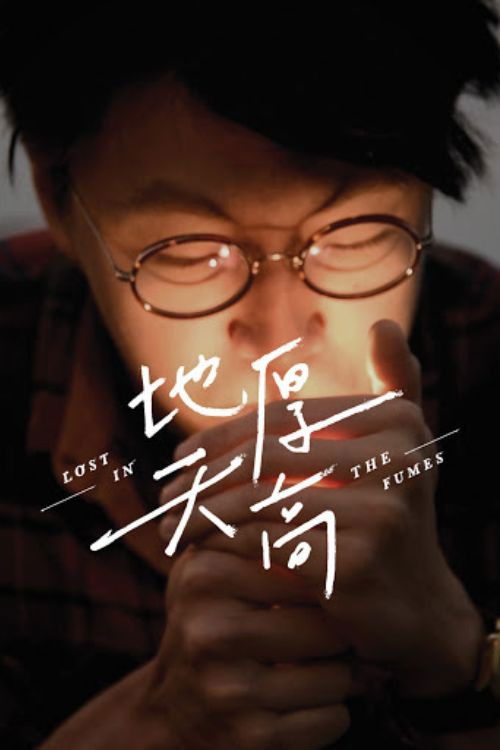
Edward Leung was an average student before he unexpectedly finds himself at the focal point of two Legislative Council elections. Despite winning over 60,000 votes in the by-election, his ticket to LegCo is forfeited when the regime imposes extra measures in the nomination process. On the other hand, Edward finds his free days numbered as he faces rioting charges for taking part in the Mong Kok Protest.
Lost in the Fumes
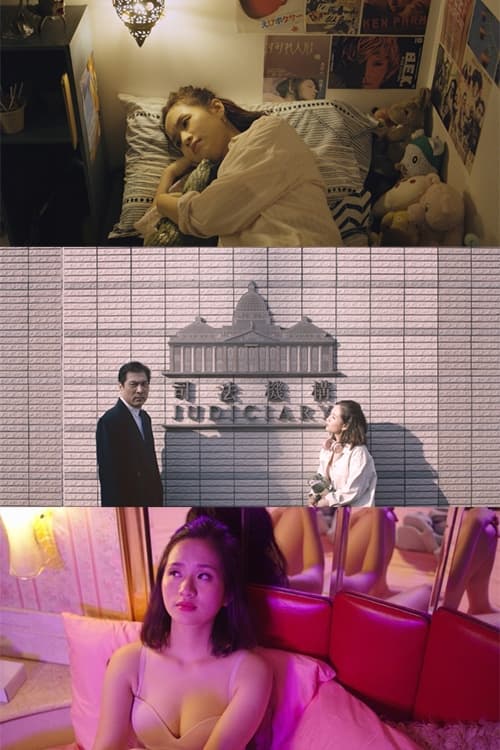
Call girl Ruby dates men for pay. Arrested, she seeks help from a lawyer client. He advises her to seek letters of mitigation from people with high social status, and to play along with the probation officer. By performing an act of penitence, Ruby may be given a more lenient sentence. The lies she tells the officer, initially mere tales to solicit sympathy, slowly reveal a heartbreaking story of someone let down by adults all her life.
Call Girl And The Pimps
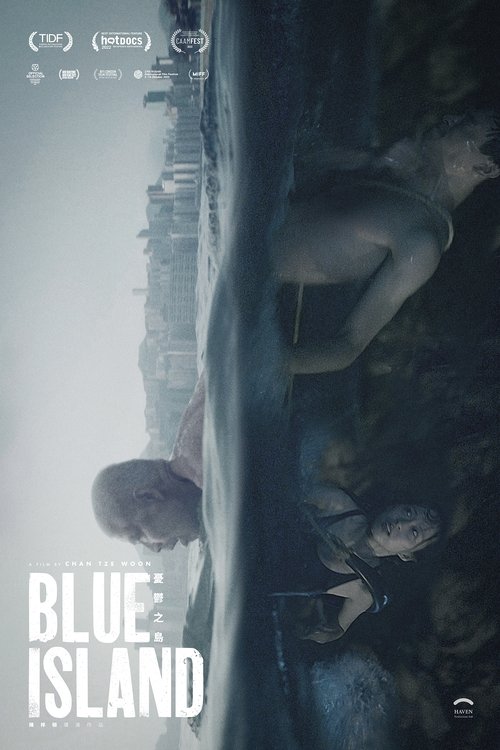
Although the Chinese government promised that Hong Kong would retain separate status until 2047, in recent years the Chinese state has consolidated its power over the metropolis. Large-scale protests by the populace have been brutally suppressed. This mix of documentary, fiction, and visions of the future reveals the current state of desolate depression among the people of Hong Kong. “A desperate attempt to capture the final moments of a sinking island”, as maker Chan Tze-woon himself puts it.
Blue Island
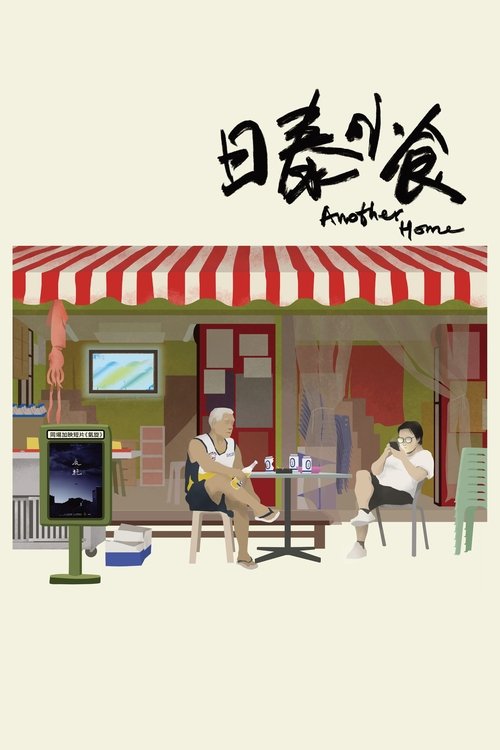
Cheung Chau, once a fishing village in Hong Kong, has transformed into a tourist spot. Ri-Tai, a food stall run by A-Cheung, reflects local life, absurdities, and societal realities. A-Cheung spends his days playing games with customers like Plumpy, forming bonds that transcend generations. However, the onset of COVID-19 disrupts this sense of community, leaving the island deserted and questioning whether Ri-Tai's simple way of life will vanish.
Another Home
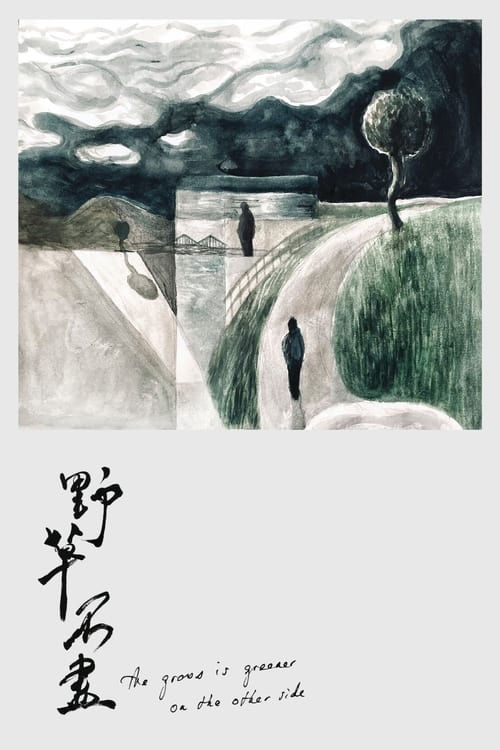
Thousands of Hongkongers, still living in the shadow of the 2019 protests, are immigrating to the UK to forge a freer future. This film documents their struggle to break free from a homeland that is no longer welcoming, while holding on to the Hongkonger identity in which they find purpose. In exile, can the Hongkonger identity persevere, or is it destined to obscurity? Can they really find a place to call home?
The Grass is Greener on the Other Side
An international project that spans across Korea, China, and Japan, Lash challenges viewers to think fundamentally about the human existence and humanity. The three chapters titled “Messenger,” “Message,” and “Messiah” feature workers of a Chinese sex doll factory, a politician dreaming of innovating the Japanese political system with AI robots, and a middle-aged Japanese man living with a sex doll.
Lash
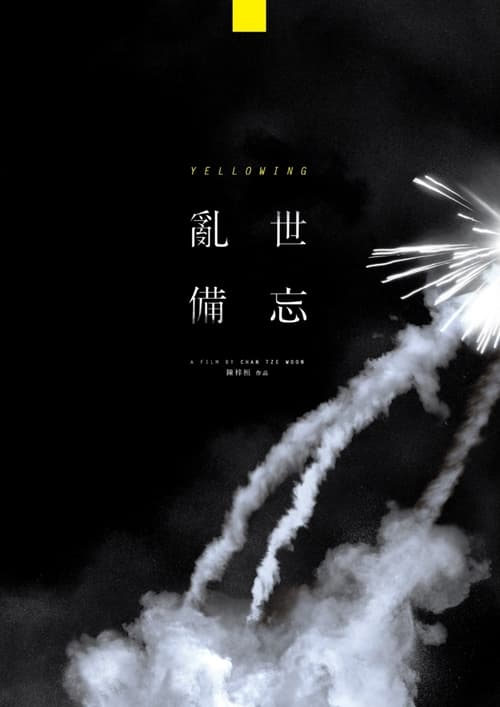
The turmoil that has overtaken Hong Kong since its return to Chinese sovereignty in 1997 has spawned a new generation of young, passionately committed activist filmmakers; they want to tell Hong Kong's story with Hong Kong voices. And the best indie documentary to have emerged so far from the HKSAR is this year's Yellowing, by Chan Tze Woon, a 29-year-old with degrees in policy studies and film production. Hong Kong's fraught, tense relationship with its mainland Chinese overseers came to a head with the Umbrella Movement of 2014. A crowd of protesters stormed Civic Square on September 27. The next day police shocked most residents of the HKSAR by attacking the growing crowds with volleys of tear gas, whereupon a wide cross section of Hong Kongers occupied the streets in several areas and stayed for almost 6 weeks. Chan took his camera on the streets for 67 days during these events.
Yellowing

Still Life (2024) is a self-reflexive documentary and intimate portrait of renowned self-taught painter Yeung Tong Lung (b. 1956, Fujian), best known for his large-scale figurative paintings that capture daily life in Hong Kong’s busy urban landscape. With a cinematic quality, Yeung’s paintings compress multiple perspectives and spaces into one canvas, coaching his audiences in different ways of seeing. The film follows Yeung over a three-year period, including his preparations for his 2021 solo exhibition Daily Practice at Hong Kong’s Blindspot Gallery.