Veli-Matti Saikkonen
Directing
Known For
No description available.
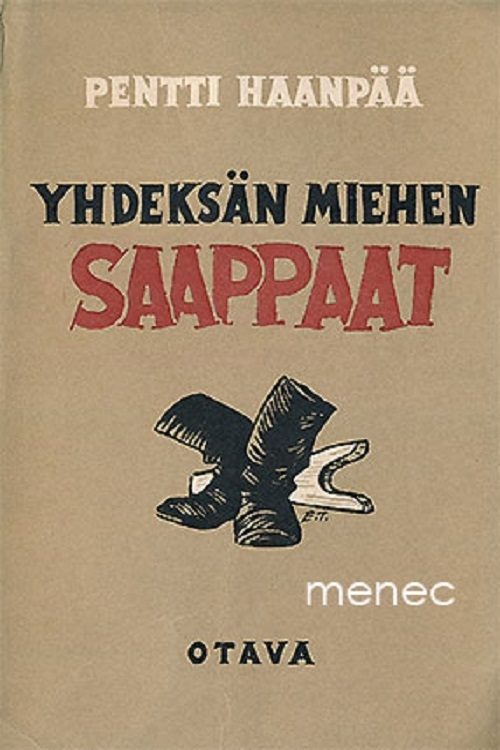
Yhdeksän miehen saappaat
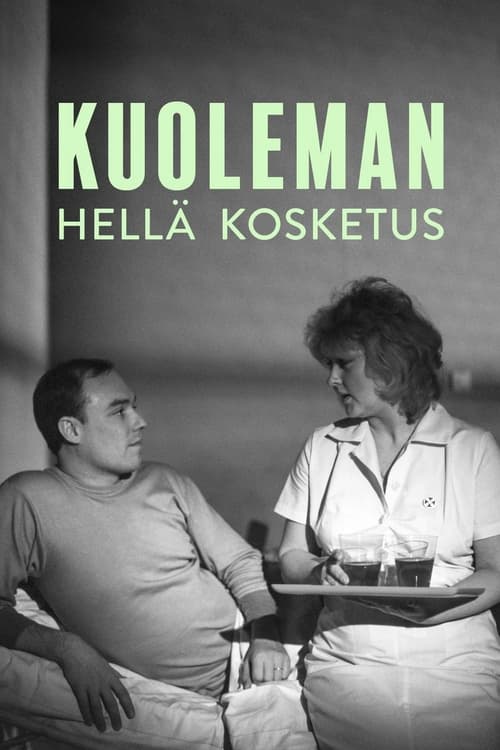
A young man finds himself in conflict with military order and purpose.
Kuoleman hellä kosketus
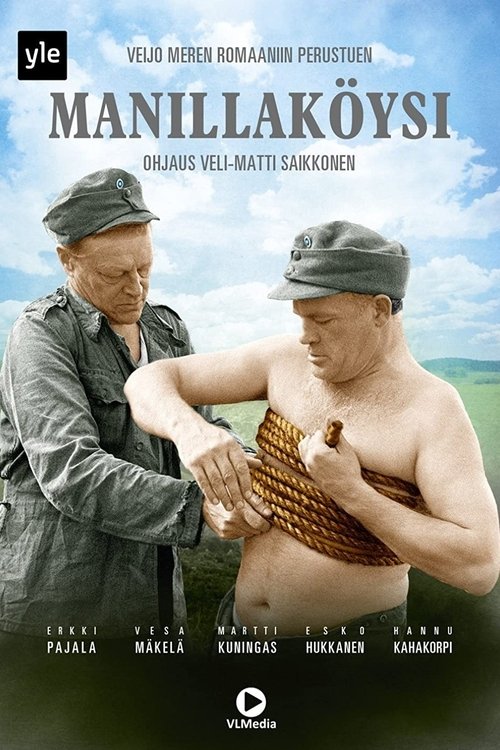
Manillaköysi is a cult status holding TV-movie adaptation of the satirical war novel by Veijo Meri. Manillaköysi has an endless list of classic one-liners, but it is still not based on cheap laughs or anything like that. The whole humouristic aspect of it comes from describing the absurdity of war, and the whole military system, by looking it with the eyes of a simple man, who's thrown into it, and who simply does not give a rats ass of it all. The tone of it is not overly preachy or moralizing. If I would have to describe it with one word, it would be: unglamourizing. The main point of Manillaköysi is pretty much compressed in one of the most famous quotes of it: There is nothing supernatural about war, it is just work like anything else.
The Manila Rope
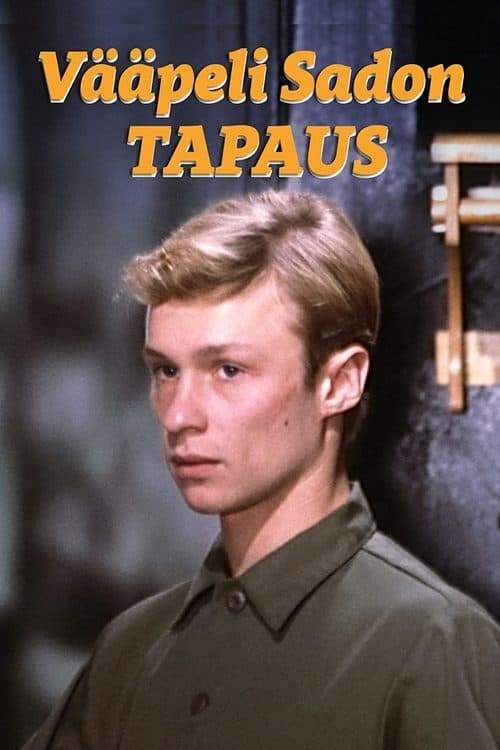
A TV movie based on Pentti Haanpää's novel, which tells the story of the power struggle between Sergeant Sado and Corporal Kärnä.
Vääpeli Sadon tapaus

Aaro Saarinen is a foreman in the paper mill. The new generation continually questions his authority in both at work and at home.
Takiaispallo
Harri, a usually calm middle-aged man, loses his temper at a bar. His behavior towards the bartender Raija weighs on his mind, so he returns to make things up to her. This ends up being the catalyst for an unlikely and unwitting relationship between the two.
Miehen sydän
No description available.
Sano Oili vaan
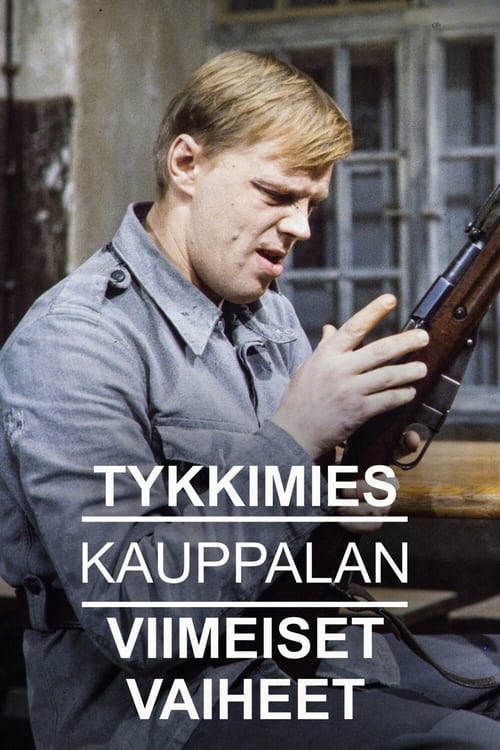
The story of a man raised in a boy's home and prison who doesn't conform to the rules and discipline of the military.
Tykkimies Kauppalan viimeiset vaiheet
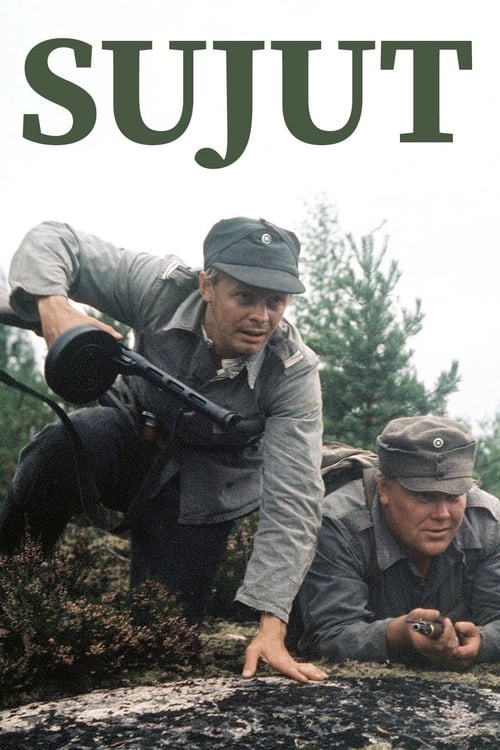
The Finnish army retreats during the war summer of 1944. Corporal Lauri Ojala is left on the wrong side of the Vuoksi River. He decides to break ranks with the army and goes home. Two months later, Ojala is forced to dig his own grave.
Sujut
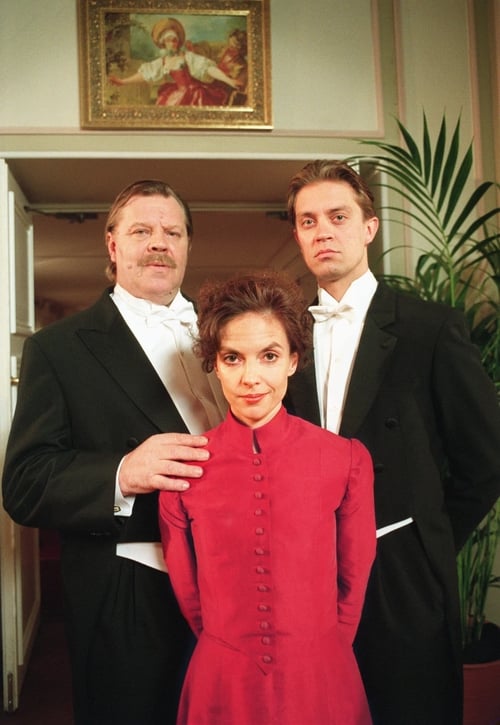
L. Onerva and Eino Leino - two people, two rebels, prisoners of a difficult love relationship. Along with two passionate poets, there will be a third wheel, a young and talented composer Leevi Madetoja.
Tähtikeinu
The story of a woman who leaves her family in Finland because she is offered a job at a refugee camp in Africa.