Writing
The spectrum of topics ranges from political history with a focus on contemporary history (especially National Socialism and post-war history) to cultural history and social history. In addition, ZDF-History also regularly deals with pre-modern history, art and cultural history.
At 7:14 am on 30 June 1908, the largest explosion recorded in human history to date reverberated throughout our planet. The force of the explosion was two thousand times that of the Hiroshima bomb. A woodland area the size of Luxembourg was eradicated in the Siberian taiga. This incident is recorded in history books as the Tunguska catastrophe. To this day, internationally renowned scientists of various disciplines argue about the causes of this disastrous explosion. The documentary discusses the latest and most controversial insights of these leading scientists. It identifies the reasons why Tunguska has evolved into a phenomenon and points out the curious results produced by this mythical event in culture and economy.
No description available.
Conversations with prisoners in the Russian labour camps in Pelym and with inhabitants of the surrounding barren region.
As a 25-year-old legal trainee Sebastian Haffner experienced the assumption of power of Hitler in Berlin in 1933. He became a witness of a dramatic upheaval which changed also his life fundamentally. His best friend had to emigrate hastily, the love to a young Jewish woman broke up. Haffner himself could avoid the whirlpool from terror and seduction less and less. His life became a dangerous tightrope walk between adaptation and refusal. He emigrated to England in 1938. Decades after the war he was one of the most famous journalists of the Bonn republic.
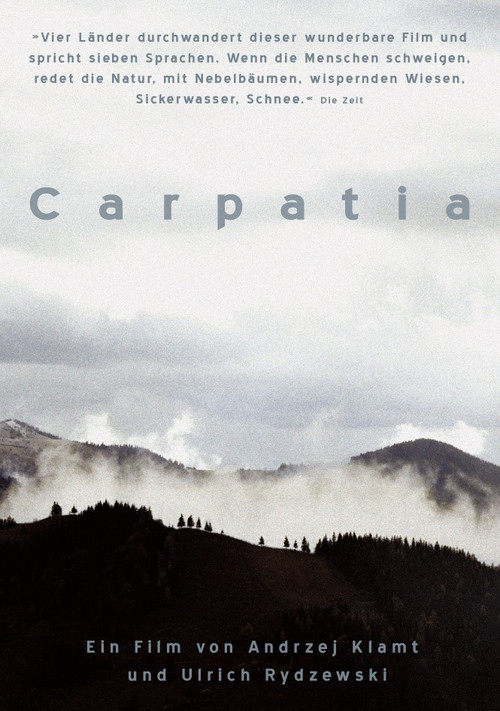
This mountain region that reaches across several countries in Eastern Europe is the home to gold diggers, wizards, cow herders and old Hassids.
A look back over nine years of the Syrian Civil War, an inextricable conflict, like a black box, due to the competing interests of the many factions in presence and those of the foreign powers.
The film draws attention to the fate of over 300,000 German citizens who were deported from the Soviet-occupied sector to the Soviet Union towards the end of World War II and until the 1950s and sentenced to forced labor as human reparation. It is confronted with shocking fates without hiding the fact that German omnipotence fantasies were at the beginning of this path of suffering.
Jewish people, who once called the small Polish town of Będzin home, embark on a journey into their past, one marked by fear, despair, and shame toward their murdered fellow human beings. The images of what they were forced to endure continue to haunt them and shape their lives.
Short directed by Vladimir Majdandzić