Jiří Fried
Writing
Known For
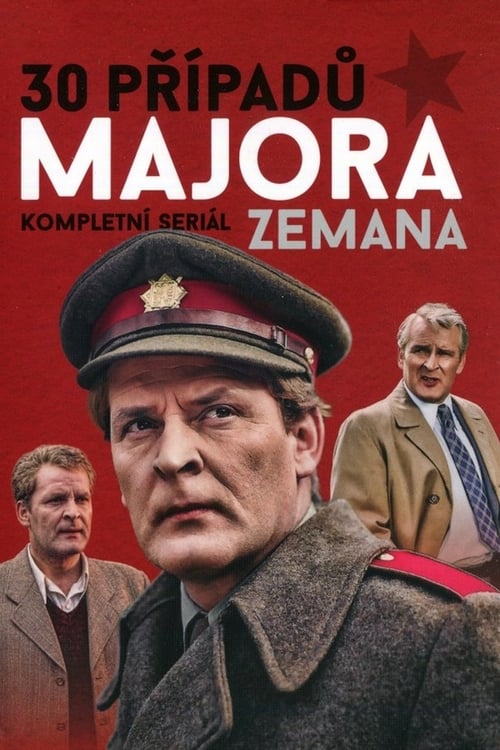
Thirty Cases of Major Zeman is a Czechoslovak action-drama television show intended as a political propaganda to support the official attitude of the communist party. The series were filmed in the 1970s. Each episode encompasses one year, and investigations are stylized to that year. Most are inspired by real cases. The series follows the life of police investigator Jan Zeman during his career from 1945 to 1975.
Thirty Cases of Major Zema
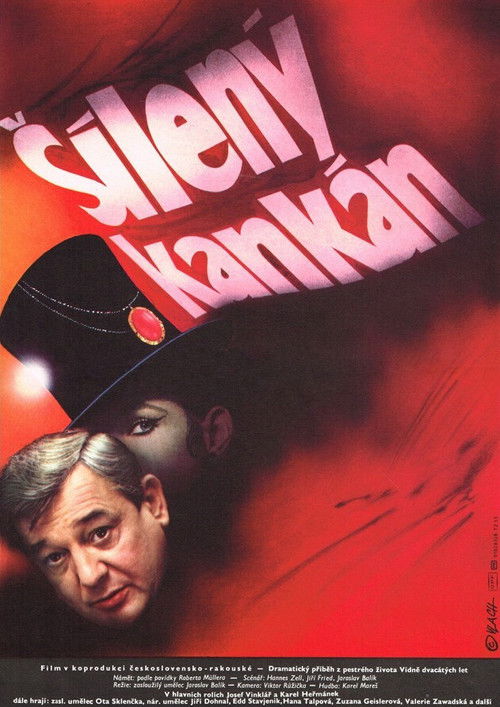
During the First World War, the crooks Scholef and Krumka sell weapons on the black market. After the collapse of the monarchy they try their hand at speculation on a grand scale.
Šílený kankán
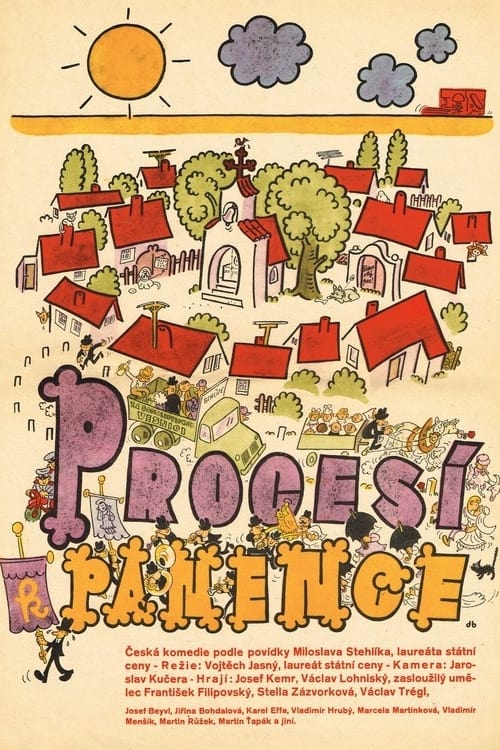
Farmers get away from their arguments by embarking on a religious pilgrimage, enjoy a picnic en route, and on their return decide to form a cooperative.
The Pilgrimage to the Holy Virgin
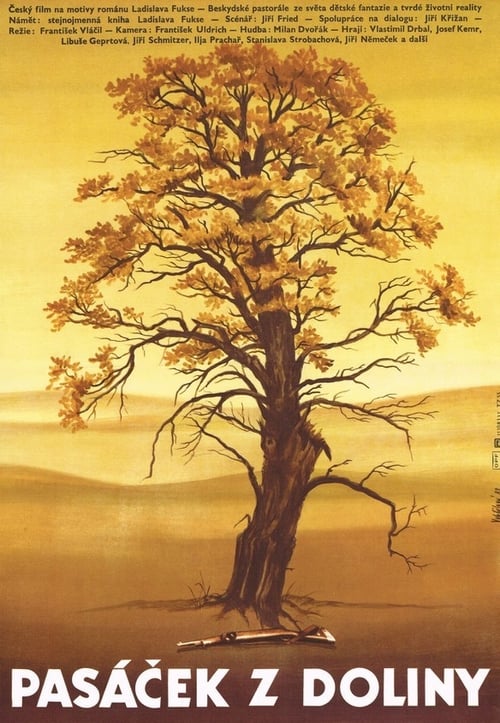
In 1947 by the Beskid mountains, the traces of war still linger, destroyed tanks dispersed throughout the farmland creating an eerie backdrop. This film follows a ten-year-old boy and the strange visions he encounters, his world of fantasy exacerbated with ample time, space, and a lack of companionship or guidance. We see the adults that influence and dominate his life, for better or for worse. Surreal and packed with an excellent study of human emotions and motivations compounded by their rural, isolated vacuum of a town, this is a timeless and severely underrated film from a brilliant Czech director.
The Little Shepherd Boy from the Valley
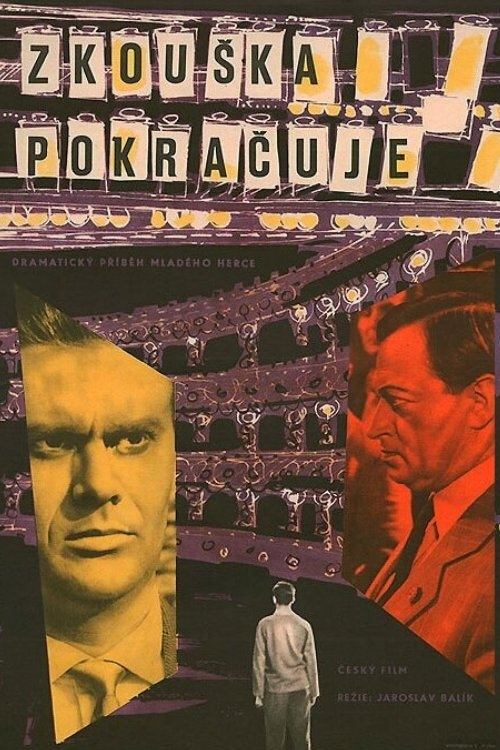
As a young actor František Lukávec and his teacher Vladimir Tuma became enemies. František insisted that Tuma was dismissed from the school as a reactionary and hostile to the new government. Many years passed, and here they met again on the stage of a theater. František is assigned the role of Julius Fucik, Tuma plays the role of a Gestapo man in the same play. In the course of the action, the Gestapo man beats Fucik. Taking advantage of this opportunity, Tuma beats up his old enemy during the dress rehearsal. Frantisek's face is bleeding, but he will still play. The rehearsal continues...
Zkouška pokračuje
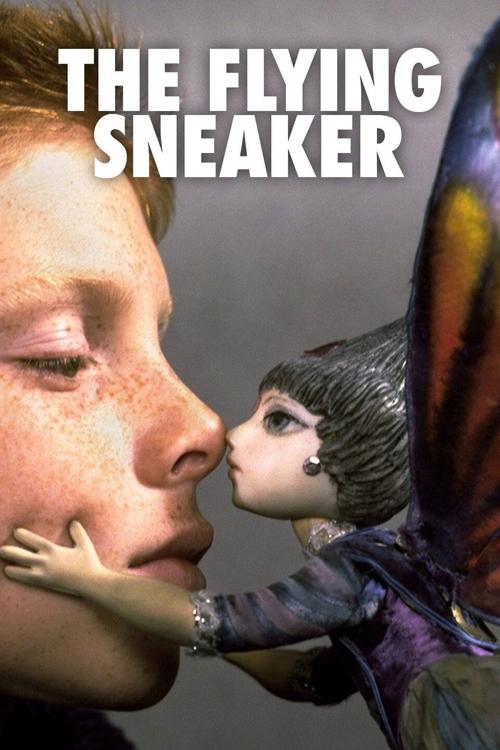
Little Rehor isn't allowed to play with the other boys. His only friend is the girl next door, Luci. Rehor's father is doctor on a boat and he has sent Rehor a package with butterfly larvae. When they hatch he discover a fairy who can do magic tricks.
The Flying Sneaker
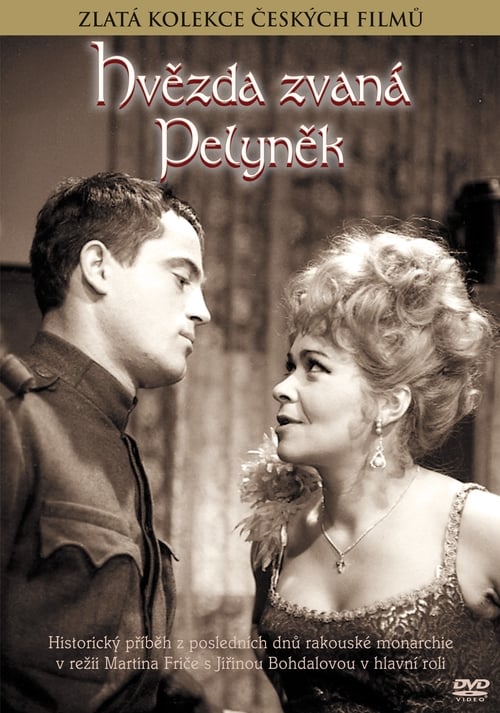
At the end of May 1918, released prisoners return to the Rumburk garrison from Russian captivity, hoping that the war is over for them. The only thing they want is to get their withheld ...
A Star Named Wormwood
The story of how it turned out when a young lawyer tried to intellectually elevate a cute dancer from Prague's bohemian milieu. Journalist Šmíd introduces his long-time lover, a cheerful but simple girl Fanynka, to his friend, a young lawyer. He decides to take good care of the girl, buying her gifts and even furnishing her with a nice apartment. When he is called up to the army, he asks his friend Šmíd to look after Fanynka for him. After all, he himself intends to employ her and educate her intellectually. He gives her the task of reading serious literature once a week, about which the girl is to give him extensive testimony in a letter. But Fanynka soon starts to get fed up with the intellectual diet...
Co je platno kárat, co je platno kázat
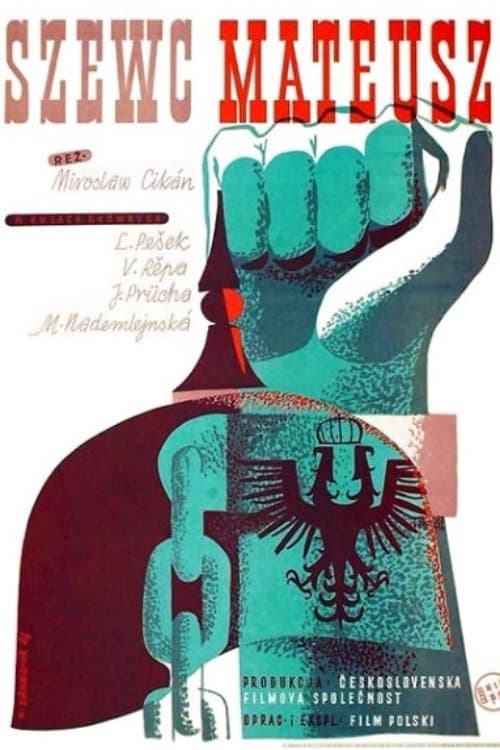
The revolutionary year of 1848 brought great hopes among the hitherto silent classes, awakening social and national hopes. The response also penetrated the remote countryside, even as far as the Podkrkonoše Mountains. The young shoemaker there began to take an interest in social and political events, and he also experienced disappointment in later developments.
O ševci Matoušovi
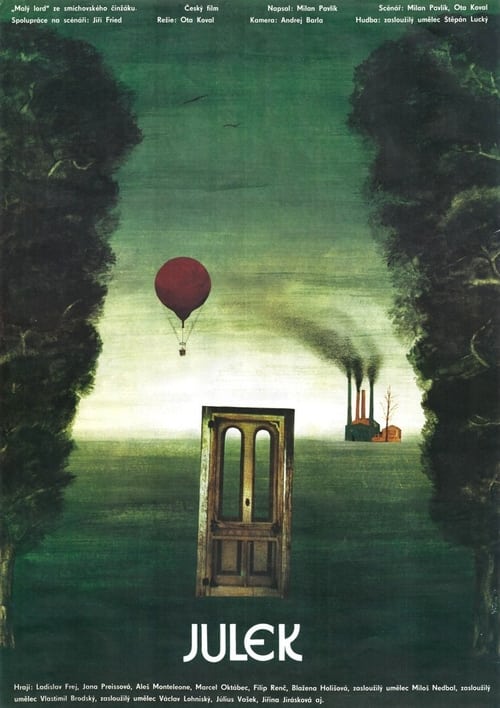
The future communist journalist Julius Fučík had a stimulating childhood and youth in a working-class environment, when his moral maturity was already showing. The authors of the film recall that the young Julek was a star of the suburban operetta scene, and in three episodes they depict him both in his early childhood and already at the gymnasium, when the outbreak of the World War shaped his determination.
Julek
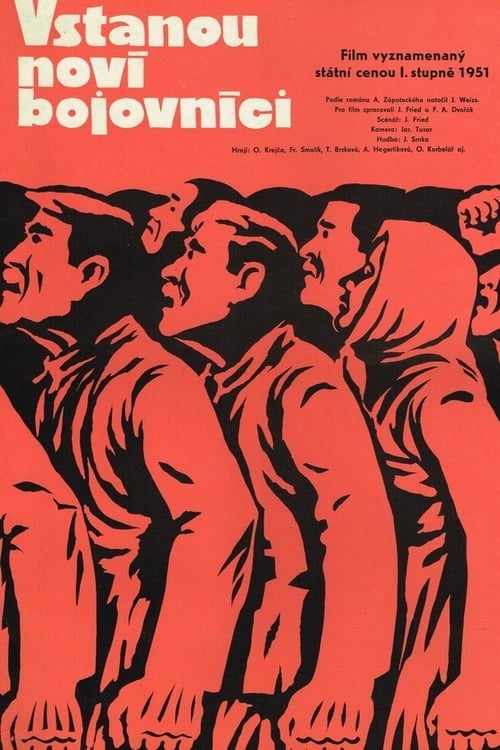
The leader of the emerging organized labor movement in the 1880s, Ladislav Zápotocký-Budečský, is exiled to his native village, where he works as a tailor and continues to raise social awareness among members of the working class.
Vstanou noví bojovníci
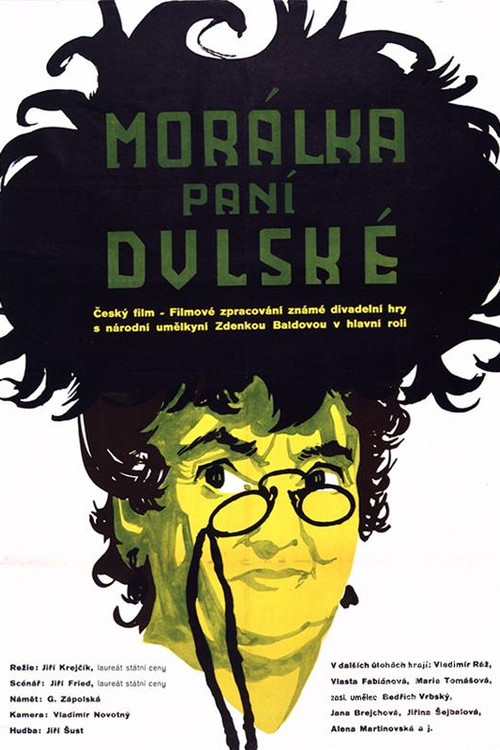
The suffocating conditions in a bourgeois family were depicted in several films in the second half of the 1950s - this one is one of the lesser known, although it achieves great emotional impact, free from the first ideological pressures. The title character, the owner of the tenement house Mrs. Dulská, controls her relatives and tenants with a firm and despotic hand. To achieve her goals, she masterfully combines tears, blackmail and insidious intrigues, or does not hesitate to abuse the trusting and handsome maid Hanka when she wants her son not to fool around. Everything suddenly turns around when Hank gets pregnant... But the appearance of a good reputation is more important to her than anything.
Morálka paní Dulské
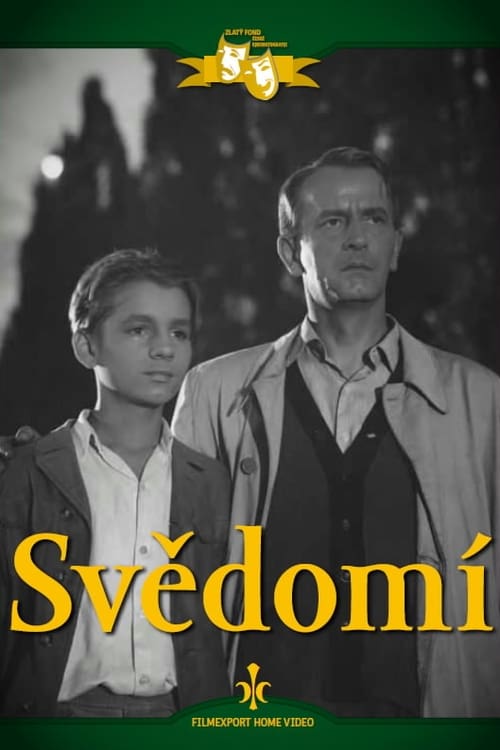
Karel Doležal, insurance clerk and exemplary father of a family, leaves for a business trip with his secretary Vlasta. After spending the night together, they both return home. However, thanks to a small moment of inattention, they run over the boys. Karel runs away from the scene of the crime. He won't tell anyone what happened. Then when he reads in the newspaper that the boy did not survive the accident, he begins to feel guilty. He confides in his wife about the accident, not the infidelity. Their son Jirka overhears everything. His father has always been his role model, and that's why he doesn't want to accept his guilt.
Conscience
No description available.