Writing
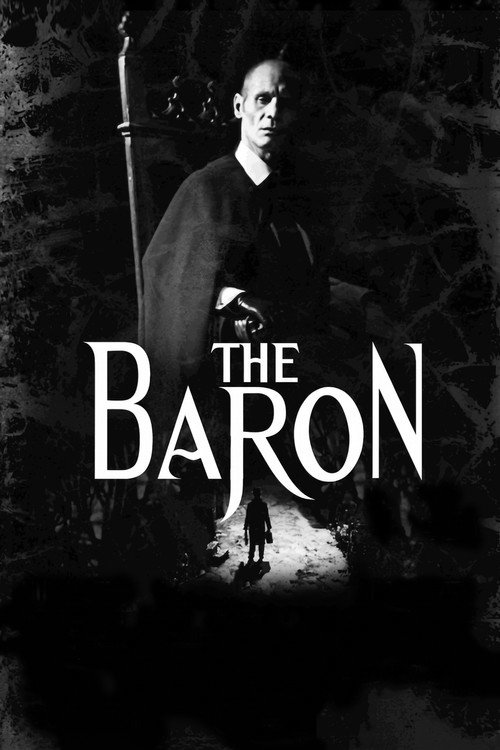
A school inspector travels to the baron’s fiefdom to write a report on a heathen teacher. Having arrived, he is invited to stay with the baron, who makes predictions about women, horses and politics while the mysterious Idalina serves food and drink. The inspector becomes inextricably entangled in the baron’s world.
A TV movie inspired by the work of renowned writer Luísa Costa Gomes. The story of Maria do Carmo, a successful woman in advertising and communications, with a carefully constructed life that crumbles when she is unexpectedly summoned to the Logical Surveillance Center. Without any explanation, Maria do Carmo finds herself trapped in an indefinite wait, confronted with others who have been there for years, with no clear reason and no visible way out. Her professional and personal responsibilities drive her to despair and protest, as she seeks to anticipate the solution to her problems, even if it forces her to go beyond all limits. But the system provides no answers and punishes those who demand them.
About love and death, between a man and a woman.
No description available.
The opera Corvo Branco (White Raven) by Philip Glass, staged at Teatro Real Madrid.
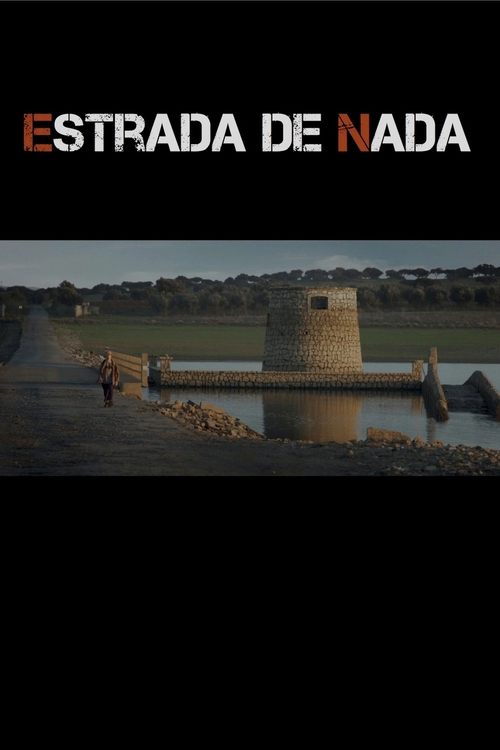
Life is as unchanging as ever in the village: the sun sets between memories. The arrival of a young outsider changes everything. The old are offered a new gift and they accept it. The dreams awaken an old song which pulses through the village. 'With Fate driving the cart of everything along the road of nothing.'
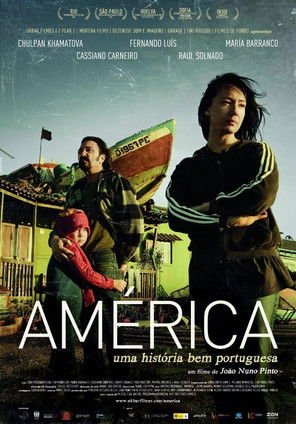
In a Portuguese village by the sea, a family sees their house become a transit point to innumerous migrants due to a passport forgery business created by its patriarch, Vítor, and his Spanish ex-wife Fernanda. His Russian wife Liza and his son Mauro—who stops talking—see the newcomers alter the dynamics, relationships and aspirations of the house's residents.
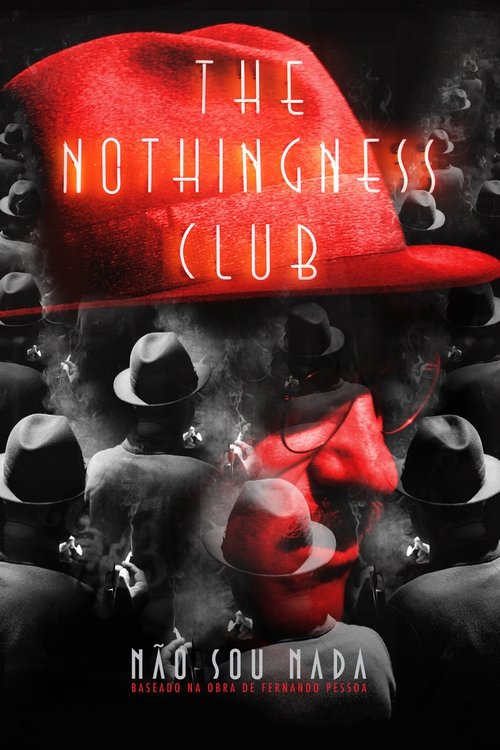
Pessoa famously published under many heteronyms: around 75 different names, each with fully fleshed-out backgrounds, styles, appearances and philosophies. Taking this a step further, Não Sou Nada gives flesh to these characters, all working together under Pessoa, enacted by Miguel Borges, at the publishing house The Nothingness Club.
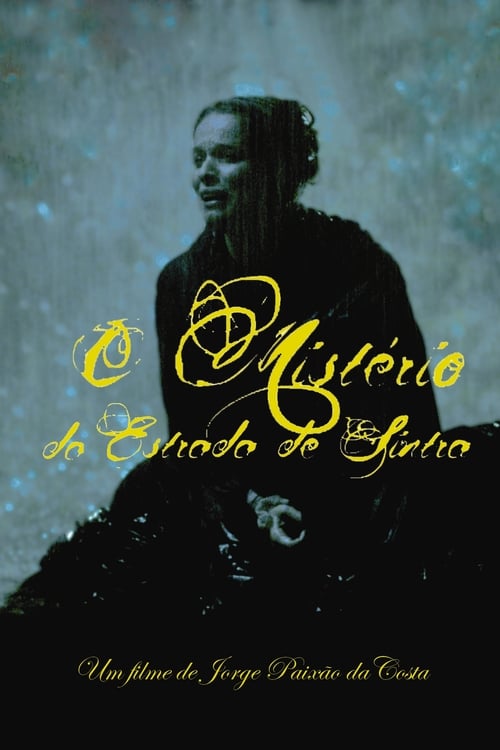
Summer of 1870. Two writers, Eça de Queiroz and Ramalho Ortigão, decide to write a four-handed whodunit for the daily "Diário de Notícias". Could it be that the story they wrote as fiction is based on a real case? This question fuels the conflict between the two writers and drives them to a nearly fatal duel. Lisbon is in commotion. One crime follows another in a story in which love is stronger than tradition. Everything happens at frenzied pace, as in a game.