Directing
Alexandra Juhasz is a professor of Film at Brooklyn College, CUNY.
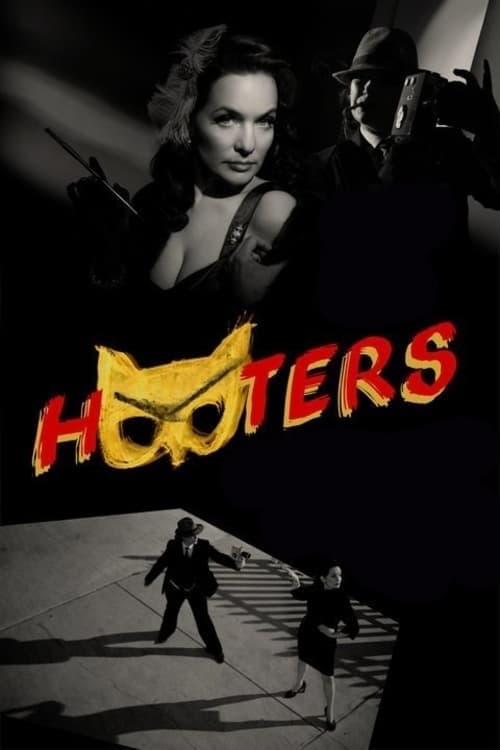
“Hooters!” explores lesbian culture, with humor, insight, and artistry, through the collaborative film making process used in Cheryl Dunye’s new seminal film, “The Owls”.
A young black lesbian filmmaker probes into the life of The Watermelon Woman, a 1930s black actress who played 'mammy' archetypes.
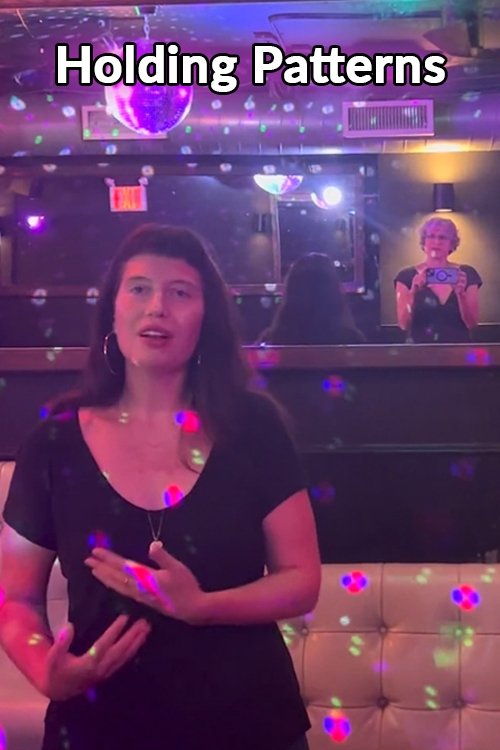
A meditation on technologies of memory, with close attention paid to medium specificity, this installation considers how Zoom and other pandemic technologies composite onto screens, and also into rooms, flattening and deepening connection, attention, and care.
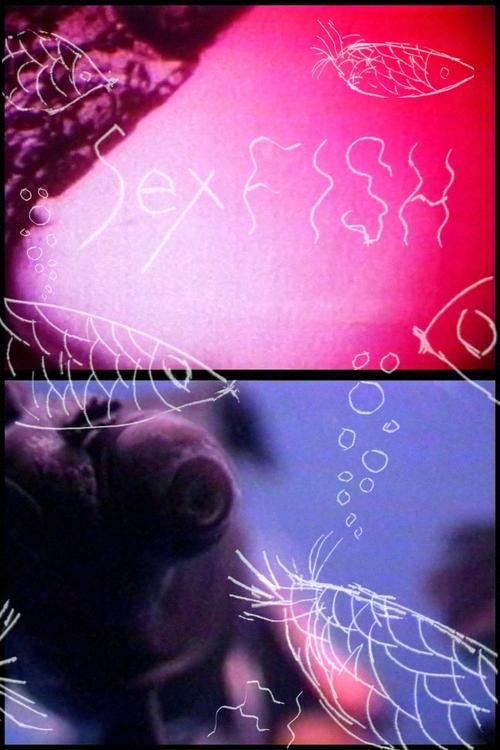
A euphoric lesbian sex video features a group of women in a frenzy of erotic scenes with poetry, slowly dripping water, fancy goldfish, and an ecstatic score by Sheila Chandra. Experimenting with pro-sex feminist media practices and pornography, Sex Fish was made as a collaboration known as E.T. Baby Mania.
Two jewish lesbians hold a naming ceremony for their baby in a melding of old customs and new ideas.
A documentary structured around private and poetic letters to her son from the feminist activist filmmaker, Alexandra Juhasz. The film shows the present situation of the director and five of her friends who went to university together. The women, who shared a set of values and a common faith under the feminist political umbrella, now live their own lives with their own families. Each of them struggles to define ‘family values’ in her own words, free from traditional heterosexuality, femininity, and religion.
For the 2016 Day With(out) Art, Visual AIDS commissioned COMPULSIVE PRACTICE, a video compilation of compulsive, daily, and habitual practices by nine artists and activists who live with their cameras as one way to manage, reflect upon, and change how they are deeply affected by HIV/AIDS. This hour-long video program was distributed internationally to museums, art institutions, schools and AIDS organizations.
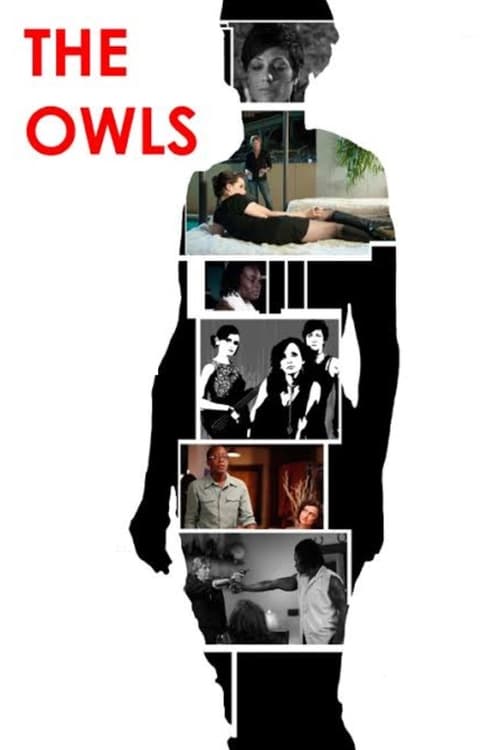
Two middle-aged lesbian couples accidentally kill a younger girl and decide to cover it up. But their crime comes back to haunt them when an unexpected stranger appears in their lives, bringing tension and discord.
In 1993, Alex shoots an interview with her best friend Jim as he tries to recount his life as he is dying. In 2004, she re-works this haunted video, playing it in real-time but letting bleed in a host of present day interviewees who also reflect upon AIDS, death, activism, and video. What remains is this woman's contemplative, loving memorial to one gay man lost to AIDS that also marks what changes and lasts after death, across time, and because of videotape.
An experimental documentary engaging with decades of DIY activist media, two death bed/legacy videos, and the wisdom of many living AIDS workers, as we all sit together in one (changing) format, video—VHS, hi-8, digital, Zoom—to address these and other questions: How do neighborhoods, sweaters and scarves, videotapes and queer bars hold ghosts? How do we let them go?
The Women's AIDS Video Enterprise (WAVE) was a unique "video support" group sponsored by the Brooklyn AIDS Task Force and arts funding organizations. For six months, seven women of diverse backgrounds met to talk and learn about AIDS and video. "We Care" is the group's final project.
Self-reflexive video/super 8 film starring James Robert Lamb, Carolyn Lesjak, Alexandra Juhasz and neighborhood folks from the LES, 1989
Documentary that highlights 18 women and covers a period of time from the 50's to the 90's. The women chosen were selected because they represent the real diversity within both feminism and independent film and video. They range in age from 65 to 25. They are black, white, Puerto Rican, Yugoslavian, Asian American, biracial. They are straight, gay and bisexual. What they share is a need to express their own interpretations of what American culture is and could be and a belief that this work is made particularly powerful through the media.