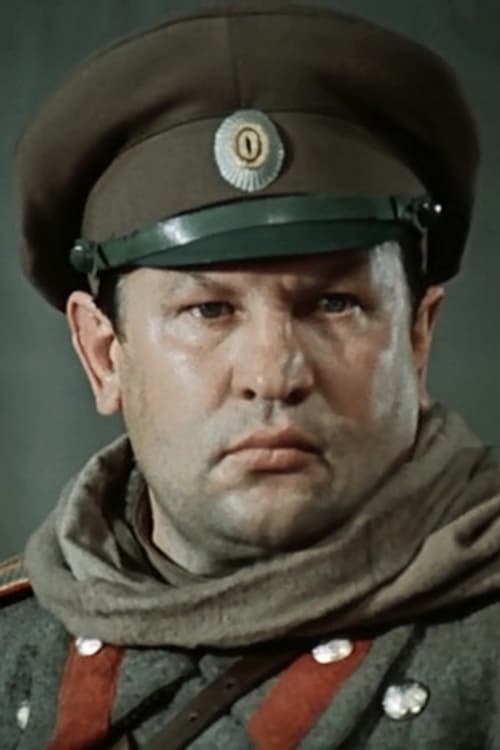
Aleksandr Konyashin
Acting
Known For
Fitil is a popular Soviet/Russian television satirical/comedy short film series which ran for about 500 episodes. Some of the episodes were aimed at children, and were called Фитилёк, Fitilyok, Little Fuse. Each issue contained from the few short segments: documentary, fictional and animated ones. Directed by various artists, including Leonid Gaidai who presented his famous trio of Nikulin, Vitsin and Morgunov into the cast. It was called in USSR as "the anecdotes from the Soviet government".
Fuse

Platon Ryabinin, a pianist, is traveling by train to a distant town of Griboedov to visit his father. He gets off to have lunch during a twenty minute stop at Zastupinsk railway station. He meets Vera, a waitress, after he refuses to pay her for the disgusting food he doesn't even touch and misses his train due to police investigation of the incident. His passport is then accidentally taken away from him by Andrei, Vera's fiancé, and his money is stolen as he waits for the next train to Griboedov. Vera learns that Platon is about to get sentenced and sent to prison in the Far East for a car accident he isn't guilty for. During the few days that Platon has to spend in Zastupinsk he and Vera develop feelings for each other...
Station for Two

In July 1942, in the Second World War, the rearguard of the Russian army protects the bridgehead of the Don River against the German army while the retreating Russian troops cross the bridge. While they move back to the Russian territory through the countryside, the soldiers show their companionship, sentiments, fears and heroism to defend their motherland.
They Fought for Their Motherland

A thief named Egor, having served a term in prison, goes to the country to meet his pen-friend Lyuba, a kind genial village woman. Egor comes to love Lyuba sincerely. Now he has friends, work and a beloved woman, he decides to break with his criminal past and start a new life. However, his former criminal associates interfere brutally.
The Red Snowball Tree
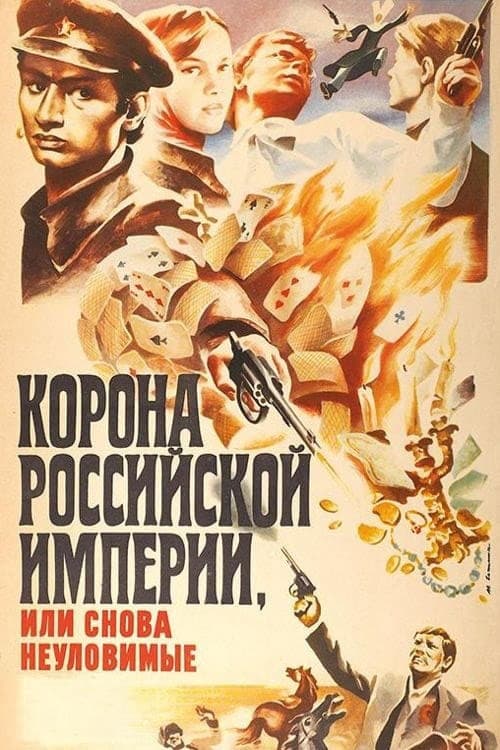
The Russian Civil War is over and the White Guard are all dead or abroad. Some of the exiled nobles are attempting to crown a new Tsar/Emperor abroad, and a couple of impostors are vying for the position. At the same time, some of the Elusive Avengers' old foes are trying to return to Russia, for mysterious reasons. The avengers are assigned the task of finding out what's going on. Turns out the bad guys are after the Russian Crown, which is encrusted with many diamonds and jewels. It is not clear whether the crown is only wanted for the coronation ceremony or if the bad guys are trying to sell it to the highest bidder, but either way they must be stopped. The avengers are after them. Two go to Paris to infiltrate the emigrant community, and the other two work on the Russian soil.
Crown of Russian Empire, or the Elusives Again
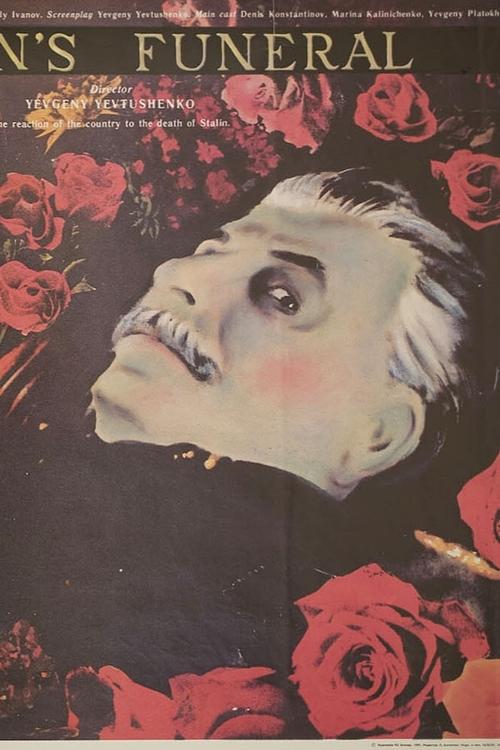
1953 year. Moscow says goodbye to the leader. In the funeral crowd, Eugene met with Elya. During the long hours spent in the funeral procession, they managed to learn a lot about each other ... But Elia absurdly dies. So Zhenya begins another, adult life ...
Stalin's Funeral
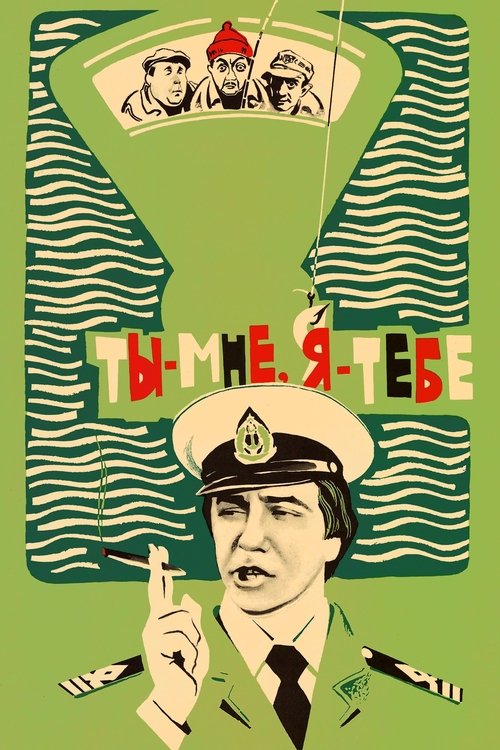
Ivan Sergeevich Kashkin — the bath attendant of the most prestigious metropolitan bath. It’s not easy to get to him: reputable diplomats, well-known footballers, and the heads of the ministry are seeking the honor to steam. But Kashkin himself does not need to achieve anything, everything is at his service — from black caviar to tickets to the conservatory. And the hero’s cloudless life would have flowed, but then his twin brother Sergei fell ill and asked Ivan to replace him in his equally strange work.
You to Me, Me to You
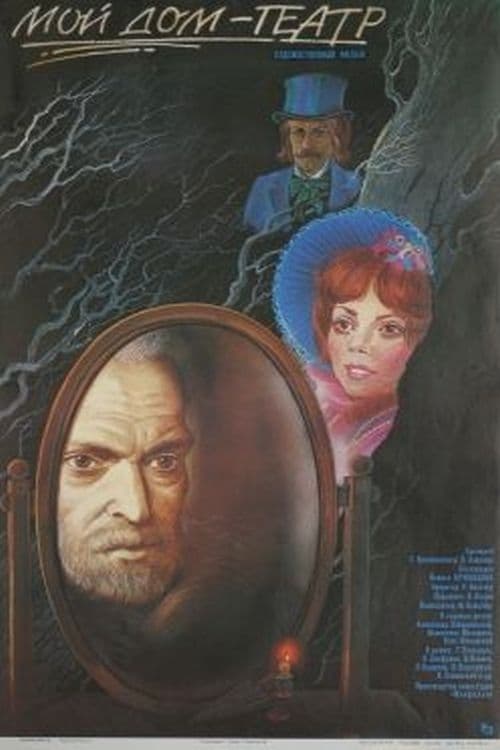
A.N. Ostrovsky recalls the first period of his creative work (1849–1859), when he began collaborating with the Maly Theatre and with masters of the Russian stage such as L.P. Kositskaya, M.S. Shchepkin, and P.M. Sadovsky. Almost every character in this film is a real historical figure.
The Theater Is My House
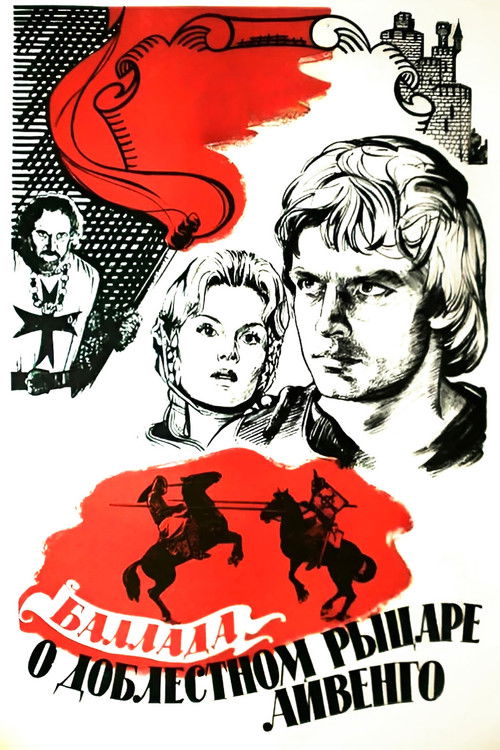
Ivanhoe is the story of one of the remaining Saxon noble families at a time when the nobility in England was overwhelmingly Norman. It follows the Saxon protagonist, Sir Wilfred of Ivanhoe, who is out of favor with his father for his allegiance to the Norman king Richard the Lionheart. The story is set in 1194, after the failure of the Third Crusade, when many of the Crusaders were still returning to their homes in Europe. King Richard, who had been captured by Leopold of Austria on his return journey to England, was believed to still be in captivity.
The Ballad of the Valiant Knight Ivanhoe

No description available.
There Was No Sorrow
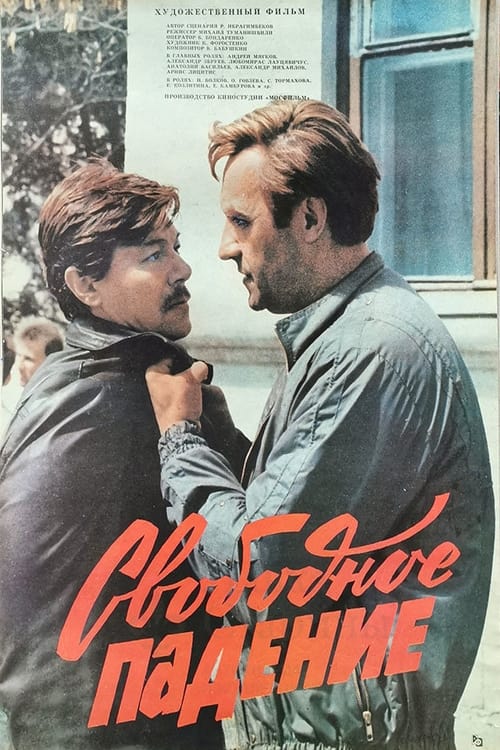
Having once again successfully performed at the competition, five paratroopers, seeing off one of their friends to the airport, witnessed the collective beating of the boy. Without hesitation, the athletes rushed to help, and later learned that a man had died in a fight, while one of the athletes fell under suspicion. The investigator even figured out his first conviction. Only a few days later the mistake became obvious and the true killer was found, but for now the friends tried to answer the question themselves: who is to blame and is it to blame?
Free Fall
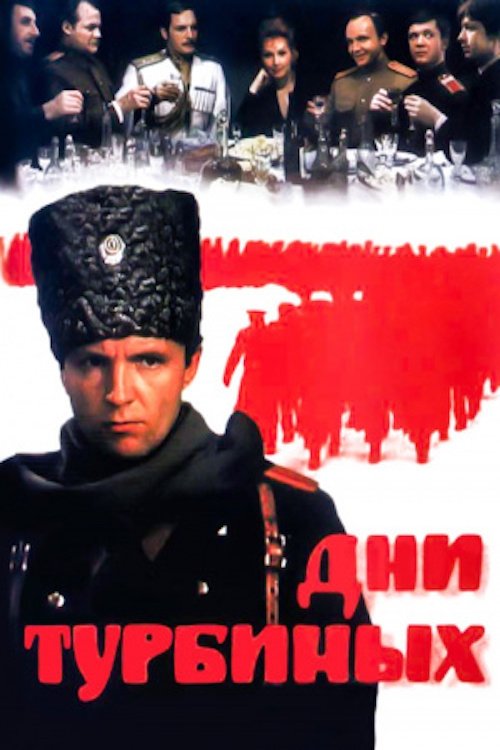
Masterfully done re-telling of Bulgakov's brilliant play (itself a version of the novel, "White Guard"), "Days of the Turbins".
Days of the Turbins

Having saved money for a summer cottage and having chosen a suitable house, the couple of Petrovs decided without hesitation to enter into ownership rights. Right from the savings bank, the wife goes to the garden plot, and the husband has to pay the owners in Moscow. However, a thick bundle of money disappears from his pocket ...
Country House

Musical fantasy based on the play by M. Gorky.