Jamal Soleiman
Acting
Biography
Jamaal Soualymaan is a is a prominent Syrian-born producer, director and actor of television, film, and stage. He was born in 1959 in the Syrian capital of Damascus. Soulaymaan studied at the acting department of the Higher Institute of Dramatic Arts in Damascus. He started his career acting on stage and producing television series. He then continued his studies in Britain and obtained a Masters degree in theatrical studies from Leeds University. “Kessat mawt mo’lan i.e. The story of a foretold death”, “’Azeezy Maraat al-meskeen i.e. Dear poor Marat”, “Monamnamaat tareekheyya i.e. Historical miniatures”, “Al-kamaan al-sehry i.e. The magic violin”, “Khaadem sayyedayn i.e. A servant for two masters” and “Al-Motanabby” are among his famous stage plays. Among his most important silver screen appearances are; “’Aaed ila Haifa i.e. Returning to Haifa”, “Al-motabakky i.e. The remaining” and “Al-terhaal i.e. The departure”. In TV, Jamaal participated in a large number of series such as; “Al-thorayya i.e. The Chandelier”, “Al-mahkoum i.e. The convict”, “Shabakat al-‘enkaboot i.e. The spider’s web”, “Al-Doghry”, “Ekhtefaa rajol i.e. A man’s disappearance”, “Khaan al-hareer i.e. The silk market”, “Al-fossoul al-arba’a i.e. The four seasons”, “Hejrat al-koloub ilal-koloub i.e. The hearts-to-hearts migration”, “Shaam Shareef” and “Al-taghreeba al-Felastineyya i.e. The Palestinian estrangement”. Jamaal Soulaymaan was appointed Ambassador of the United Nations Population Fund in 1999.
Known For

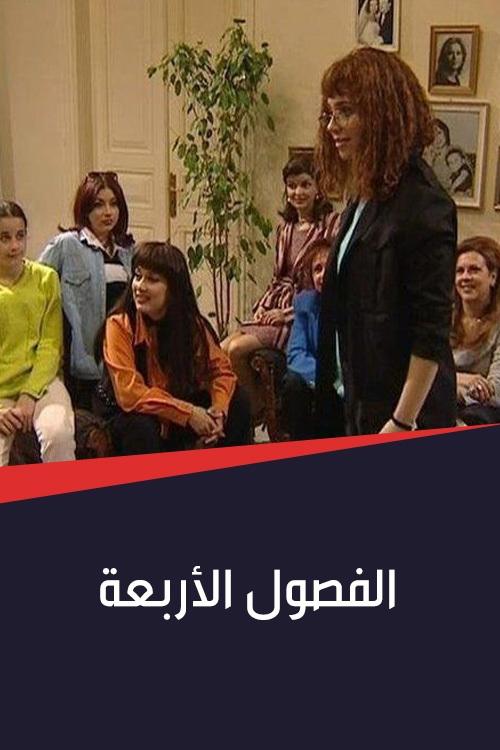
Damascus in the late 1990s. Kareem and Nabila are raising five very different daughters — each with her own personality, ambitions and complications — alongside a scene-stealing aunt Jamila. Every episode centres on a family issue that brings everyone together to argue, laugh and muddle through. Warm, witty and deeply rooted in Syrian daily life, it remains one of the most beloved family comedies in Syrian television history. Stars Jamal Suleiman and Khaled Taja.
The Four Seasons

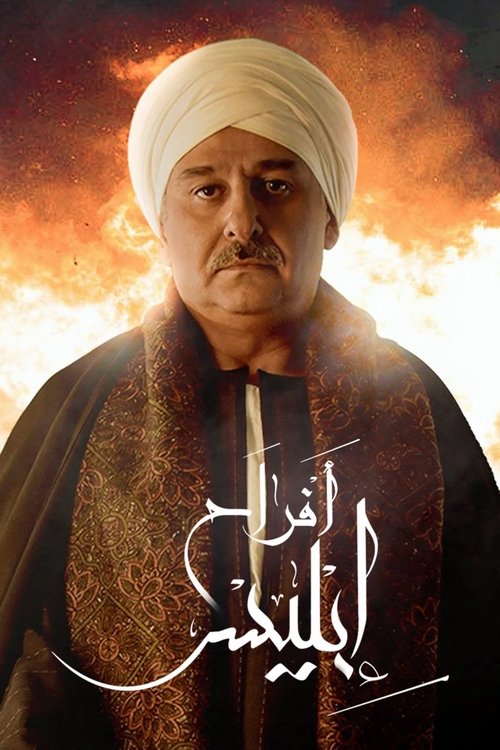
The series revolves around Hamam, a businessman from Upper Egypt, and his wife Kamalat, who brings in a maid to show her compassion. However, Hamam falls in love with this maid, and on the other hand, he tries to contact influential figures in order to control On the iron trade.
Afrah Ebles

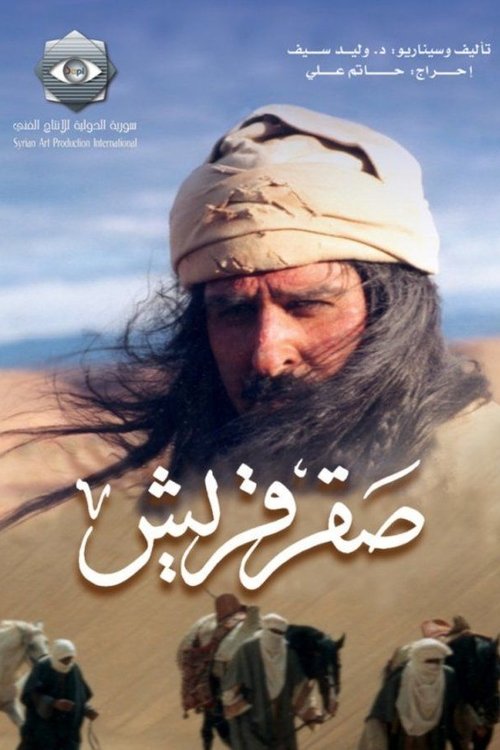
When the Abbasids overthrow the Umayyad Caliphate in Damascus, slaughtering nearly the entire dynasty, one young prince escapes — Abd al-Rahman. Hunted across deserts and seas, he eventually reaches the fringes of the Muslim world and, through sheer will and political genius, founds a new Umayyad emirate in Andalusia. Written by Walid Seif and directed by Hatem Ali, this is the first chapter of their celebrated Andalusian trilogy — epic, human and historically meticulous.
The Falcon of Quraish

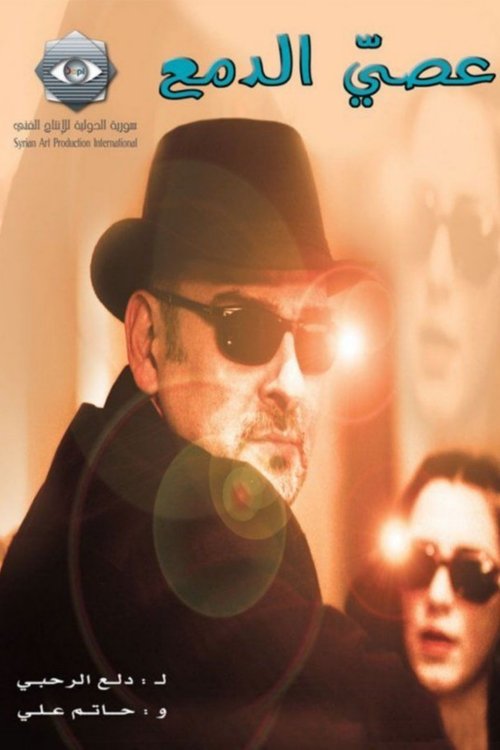
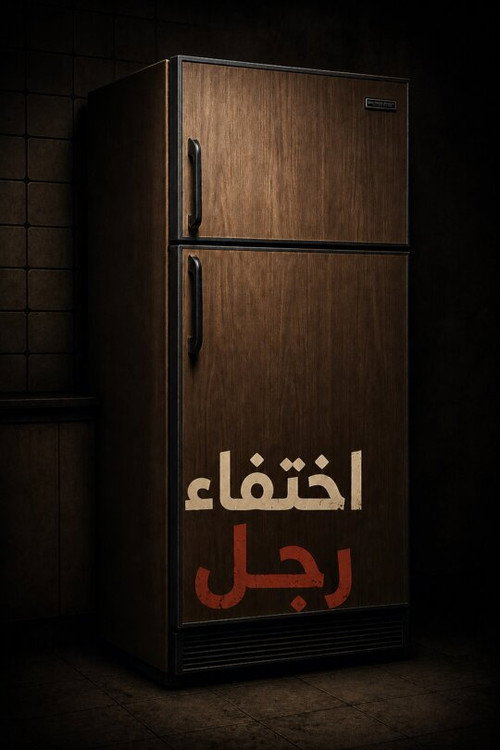
Matar disappears under mysterious circumstances for 20 years, during which everyone has believed he had died a martyr. However, he returns in a new form and builds a financial empire amidst the mystery surrounding the source of his wealth. Using the spider's method, he tightens his grip on everyone and exploits them to achieve his goals of doubling his wealth and taking revenge on his past friends.
Memories of the Next Era

A sweeping historical epic tracing the life of Saladin from his humble origins to his unification of fractured Muslim kingdoms and his legendary recapture of Jerusalem from the Crusaders after nearly a century of occupation. Starring Jamal Suleiman and directed by the late Hatem Ali, written by Walid Seif — the same partnership behind Palestinian Alienation — this is widely regarded as one of the finest historical dramas in Arabic television, epic in scale yet deeply human in its portrayal of leadership, faith and sacrifice.
Salah Al-Deen Al-Ayoubi

The series takes place between the era of Jahiliyya and the beginning of the Umayyad caliphate, and presents the history of the Arab sword by documenting the most important stations that Arabs went through throughout the ages.
Arab swords

Nader is lost between his parents, who are experiencing a struggle between love and hate, Lulia, who is persecuted by her stepmother, Dalal, whose hatred for her stepdaughter reaches the point of attempting murder. Dalal considers Lulia the reason for her unhappiness, but when Lulia leaves her life, she discovers her mistake. Tahseen her husband can only run away from problems and cannot solve any of them.
On the Edge of the Abyss

Set in the 1970's, a group of actors work on a new play. They discover that the play's events revolves around their true behind-the-scenes characters, with the script presenting their deepest and darkest secrets. The actors try to put a stop to the revealing play, but their manager insists that the show must go on.
Wedding Song

Rivalries over power and wealth escalate between two families in the hamlet of Abdul Jabbar, and conflicts flare up between them because of a marriage that takes place between two parties of the two families.
A Rare Currency

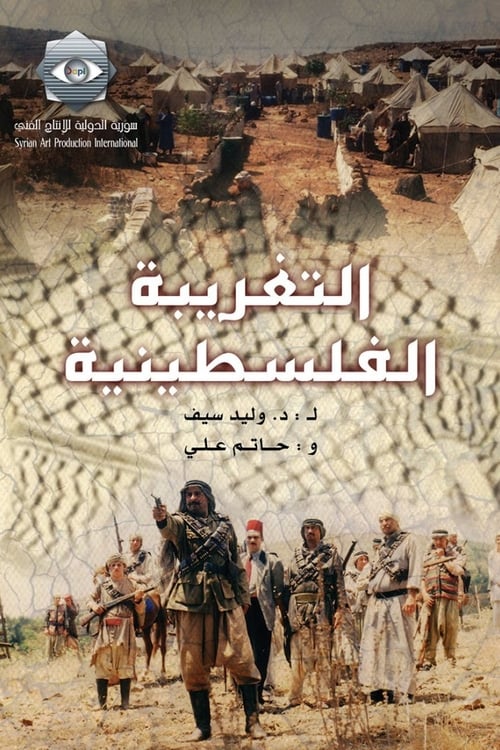
The first comprehensive dramatic telling of the Palestinian Nakba, seen through the eyes of a poor rural family from the 1930s British Mandate era through the massacres of 1948 and the defeat of 1967. Written by Palestinian poet Walid Seif — based on his own family history — and directed by the late Syrian master Hatem Ali, this is widely considered one of the greatest Arab television dramas ever produced. A monumental work of collective memory, historical witness and human endurance.
Palestinian Alienation

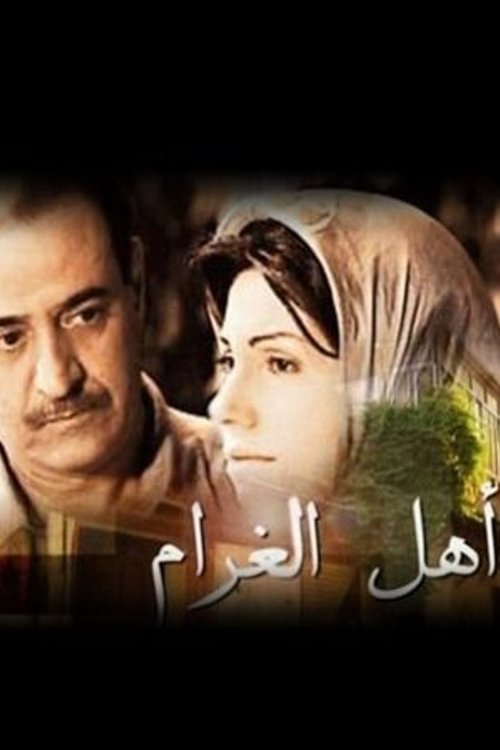
The series revolves around failed love stories as a result of a compelling circumstance or because of a social or financial problem or a problem related to religion so that the audience develops a state of sympathy with the series characters In each episode the series presents a separate station from the other detailing a glowing love relationship that was extinguished by various circumstances
People of Love

The series follows the Abu Zeid family, the oldest residents of a neighborhood named after them. They have inherited their properties for generations and uphold a strict tradition forbidding excavation for artifacts, as Nazlet El-Semman is rich in buried antiquities. However, when some break this rule, greed takes over, leading to chaos and turning their lives into a nightmare.
Ahl Al-Khataaya

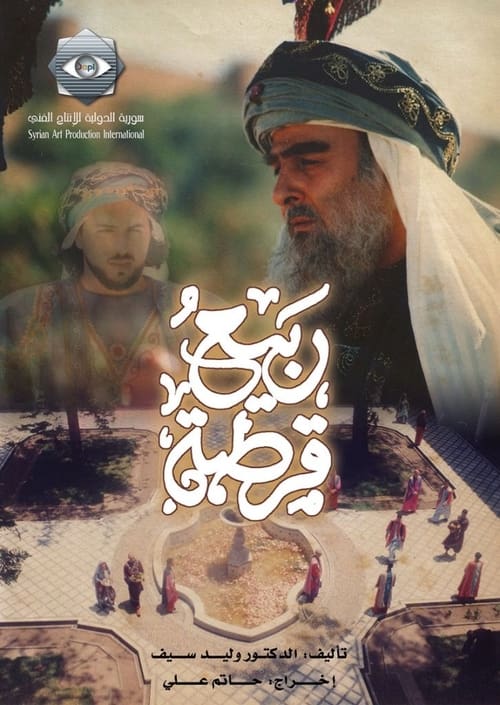
The second chapter of the acclaimed Andalusian trilogy by Walid Seif and Hatem Ali. Set in the golden age of Umayyad Cordoba, it traces the extraordinary rise of Muhammad ibn Abi Amir — known as Al-Mansur — from a young scholar arriving in Cordoba seeking knowledge, to the most powerful man in Andalusia. A sweeping story of ambition, political genius and the glittering, fragile peak of Arab civilisation in Spain. Stars Taim Hassan and Jamal Suleiman.
Cordoba's Spring

The story of the beginning and the rise of the Mamluks reign in Egypt, and how their rise from enslavement to fighting wars to ruling a significant country in the region, had affected the social, political, and military status of the country.
The Harem

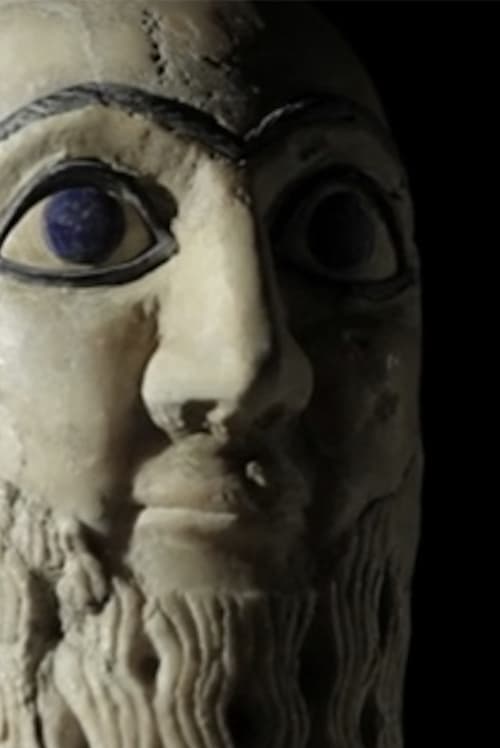
The Assyrian king conquered Orchidia kingdom, the defeated king's wife and her two children fled to Samara Kingdom, to start her revenge.
Orchidia

The series examines the change in the composition of the Syrian family, through the life of a number of Damascene families that are connected by a number of intertwining relationships, as love blossoms between the lawyer Riyad El Emary and the interior designer Riad El Merady.
Holding Back Tears

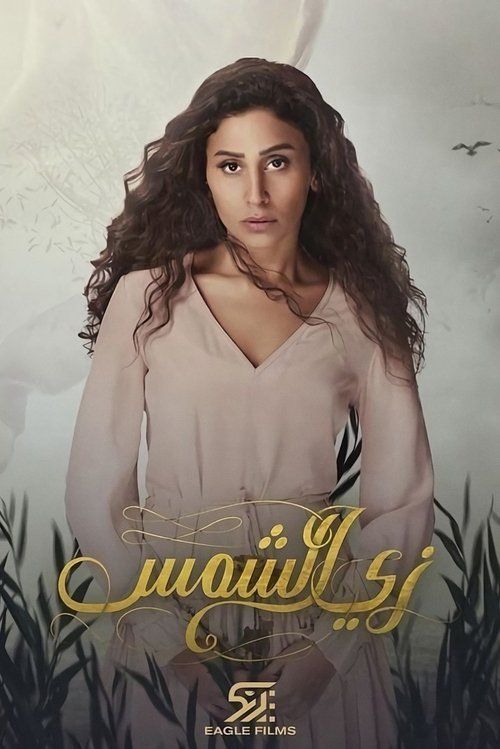
Noor is a lawyer whose brother is mysteriously murdered. When she starts looking for his murderer, clues point to some of the people closest to him.
Like the Sun

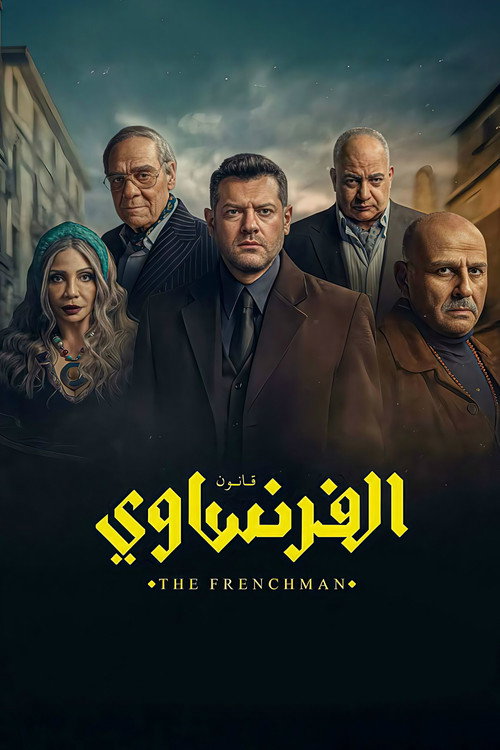
An exceptional lawyer is accused of murder and enters his most dangerous game to rewrite the truth.
El Fransawy

A lawyer ignores his values and publishes a dead man’s book in his own name, only to discover that the murder story is real and become the prime suspect.
Shadow

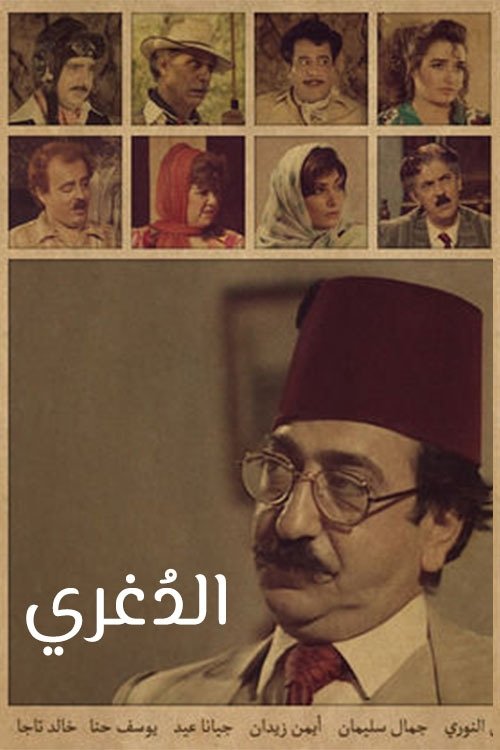
AlDaghari is a Syrian social comedy series, based on the story of Turkish writer Aziz Nesin, produced by Syrian Arab Television in 1992, directed by Haitham Haqqi. It tells the story of a fraudulent person who exploits the gullibility of the villagers.