Production
Founder of production company 'Cinequanon'.
A Portuguese film
This is a documentary about a way of living in Madeira island in Portugal, after the revolution, after April's 25 in 1974. A unique document for the country and especially for the Madeira island remembering those times of hard living.
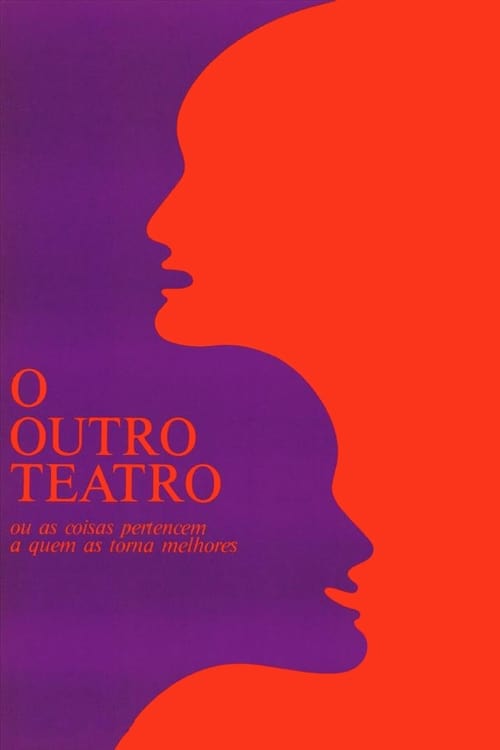
O Outro Teatro proposes a look at the independent theater manifestations that came in the wake of the pioneering gestures of Teatro Experimental do Porto.
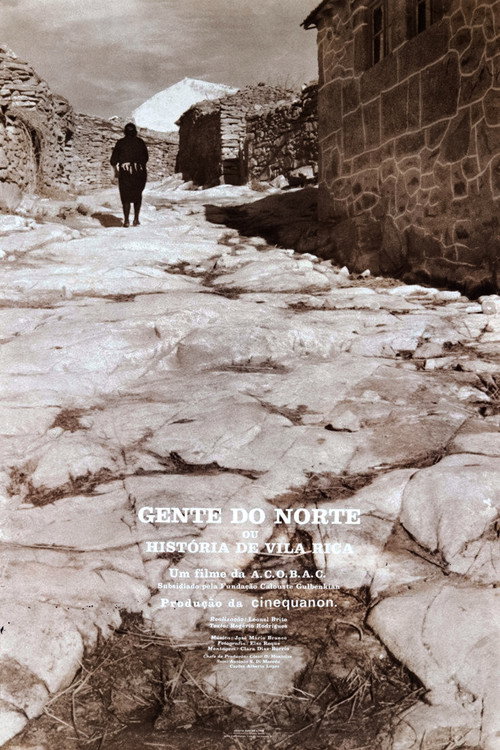
Chronicle of resistance and hope - about Moncorvo, Trás-os-Montes: roots of the past, discourse of the future, the current reality.
Mini biography of the man who dedicated most of his life to collecting films and printed material relative to moving images, and who worked since his 29th birthday, for the creation of a Portuguese film archive - when not even the world's oldest film archive (Stockholm) didn't exist. The emphasis of on camera comments by his wife, friends, and film critics is more on some of the films he saved, then on his personal qualities - his modesty prevailing even then, for this last appearance on film. He would die two years after this television documentary was shown, in the series "Dos Lumière ao Lumiar", for the Portuguese national television, RTP.
No description available.
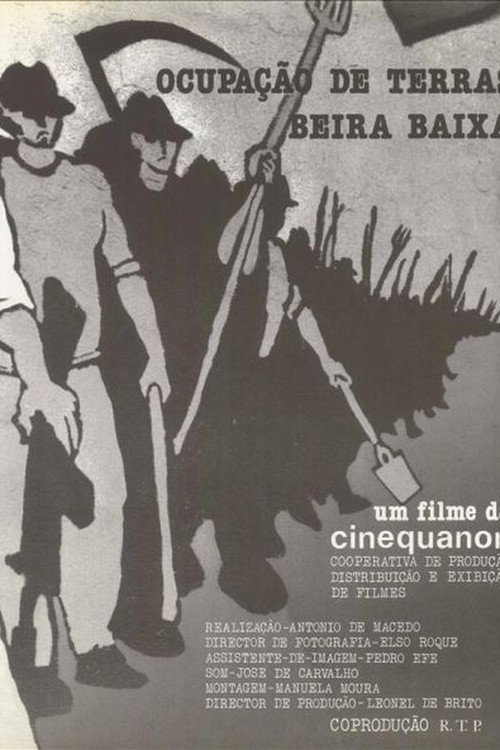
The film follows the process of occupation of Quinta da Vargem, in Unhais da Serra, by salaried workers, a process that would lead to the nationalization of the Quinta. Ocupação de Terras na Beira Baixa (Land Occupation in Beira Baixa) is part of a series of films produced by the Cinequanon film cooperative in Unhais da Serra during the period of the Agrarian Reform.
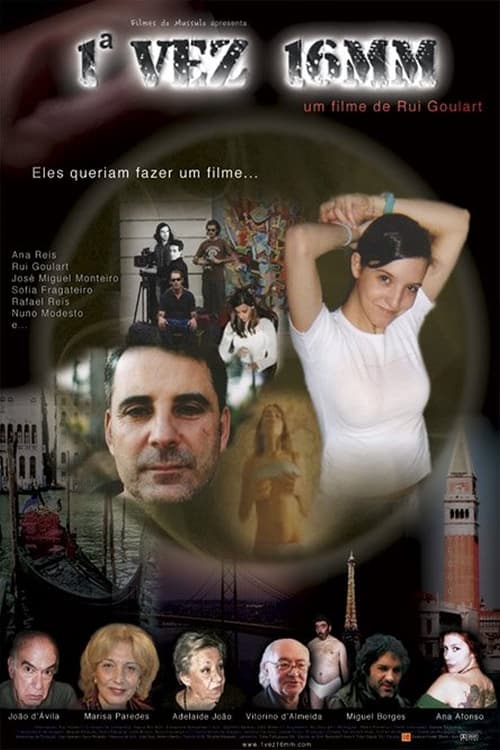
Miguel, a debutant director, and his young team live a series of tribulations during the shootings of their first film, which unrolls between Lisbon, Venice, Paris and Madrid.
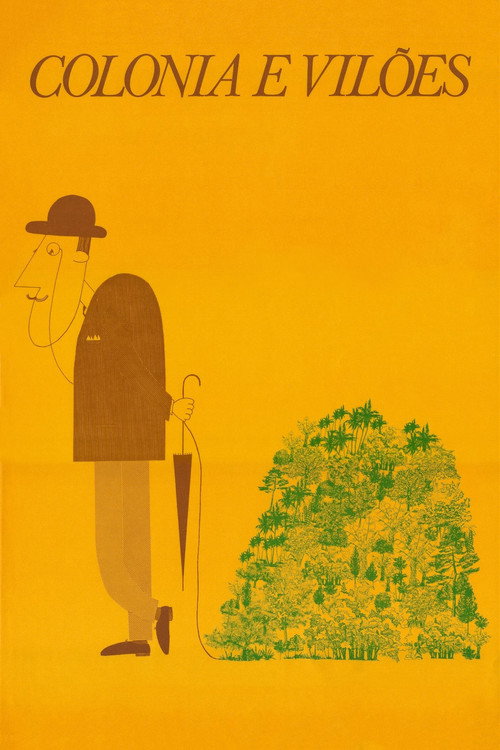
A documentary about a small touristic village in Algarve, Southern Portugal.
The film documents two phases of an incident occurred in Portugal, during the 1974 revolution. In September 30, 1974, José Diogo, a tractor driver, kills his boss, Columbano Líbano Monteiro, after being dismissed from his job, when he claimed his right to work. He is imprisoned in Beja, Alentejo, and he is freed until prossecution. The courts are reluctant to judge him, because of the social unrest and the political aid Diogo is receiving from trade unions and political parties. A crowd will disrupt the court, in Tomar, and conduct a popular judgement in the hall of the tribunal, deciding to free Diogo, and condemning the boss, posthumously, for dismissing his employee and attacking him. The case became a law case study since then.
Estefânia is an old, rich, strict catholic woman, and when she sets her eyes on a couple of servants who have no means to bring up properly their youngest son, António, she decides to move her influences in order to make a priest out of him. The parents accept it, the local priest and even the Seminar's rector accept it, and António accepts it - if not for piety, for obeyance to his parents. Once time goes by, and António is out of rural misery and into the prison-like system of a seminar, doubts and anguishes mount within him.
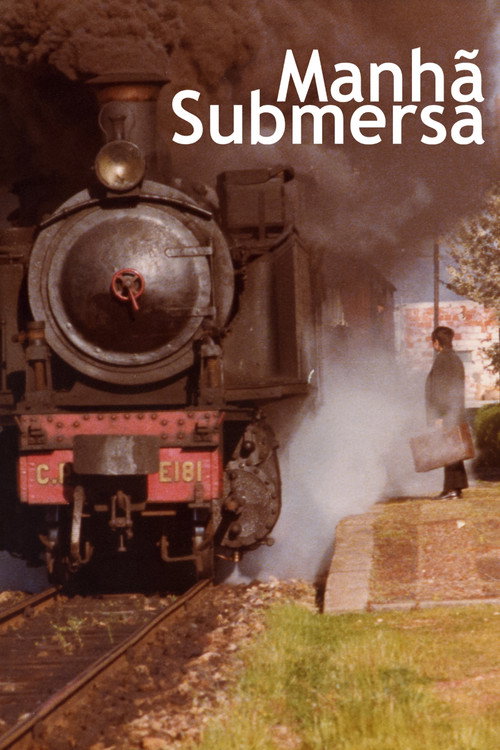
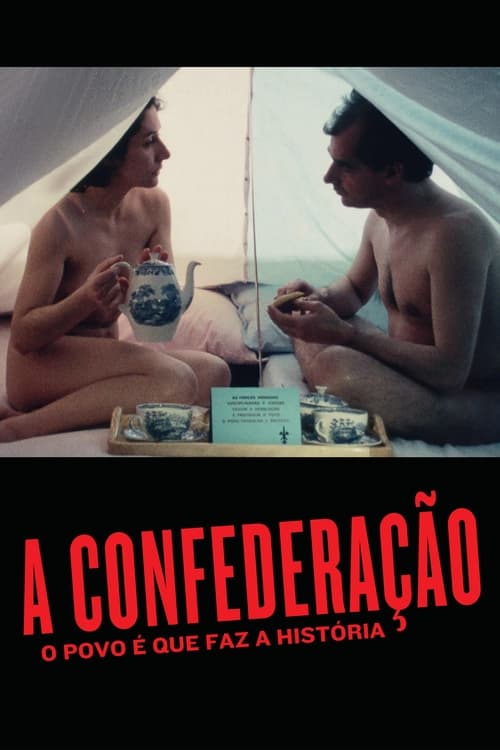
In an imaginary future, Portugal consists of an association of states - North and South - with zones of specific influence. City under vigilance, Lisbon is inhabited by a repressed and militarized population. Maria and António stand out in this city and surrender themselves to a submersive love. 1978
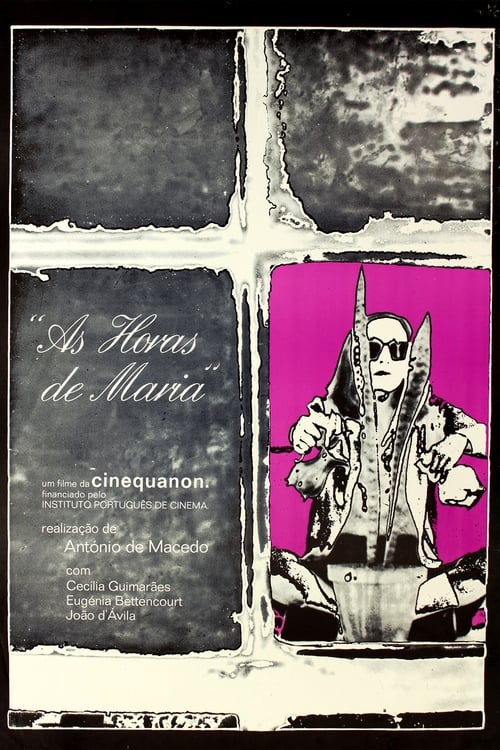
Maria, a blind girl apparently raped by her stepfather, is held in an isolated and dilapidated hospice, desperately awaiting a miracle by Our Lady of Fátima. Turned over by Angela, her aunt, into the care of Dr. Firmino, an imposing doctor, she will suffer moments of despair, grace, and fear, among beliefs, phantoms, and revelations.