Crew
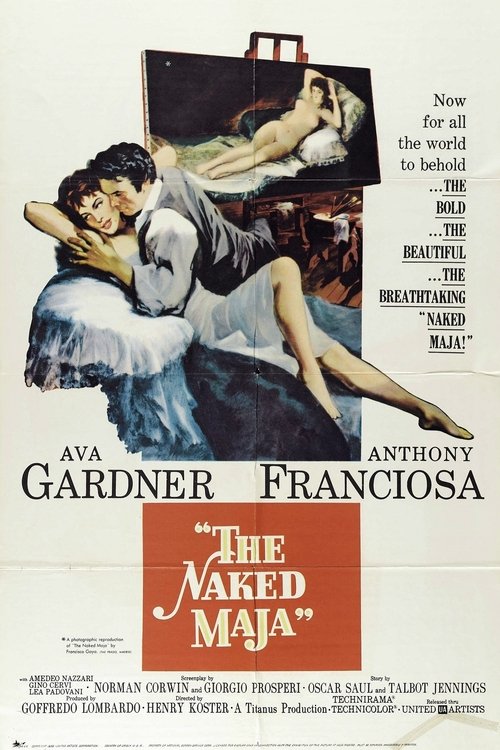
A historical fiction based on the lives of the artist Goya and the Duchess of Alba.
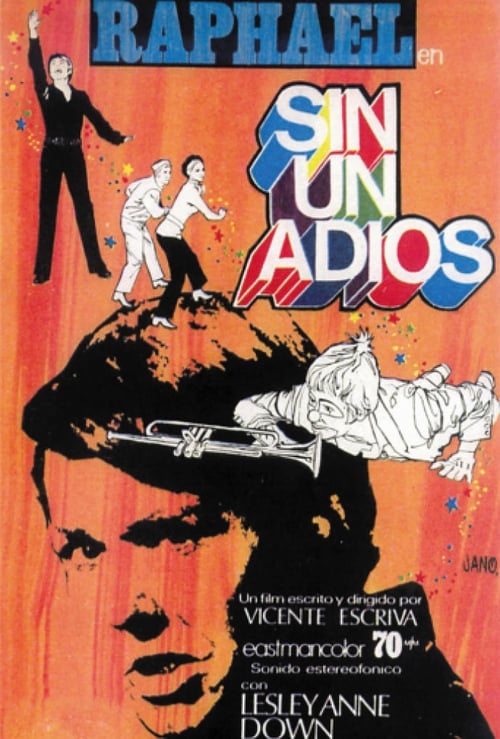
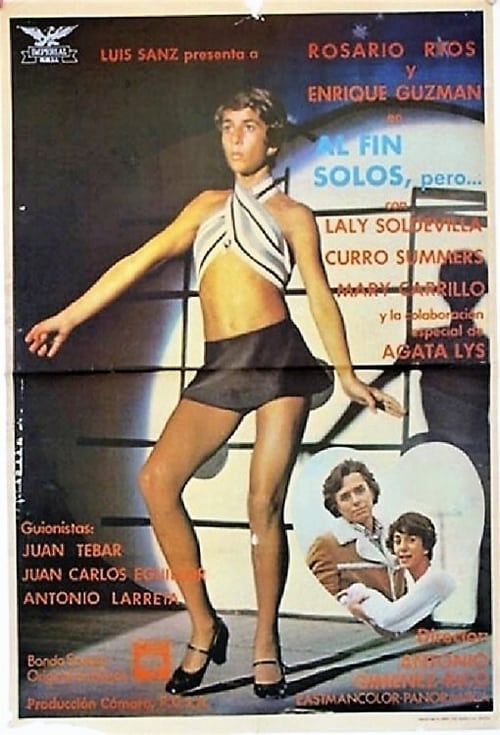
Mario Leyva, famous singer in full glory harassed every day more for his "fans", takes the life that they allow him, dedicated to his art and directed professionally by his "manager". His popularity makes him be mixed in the advertising of a brand of cigarettes by advertising phrases that repeat themselves in all the languages.
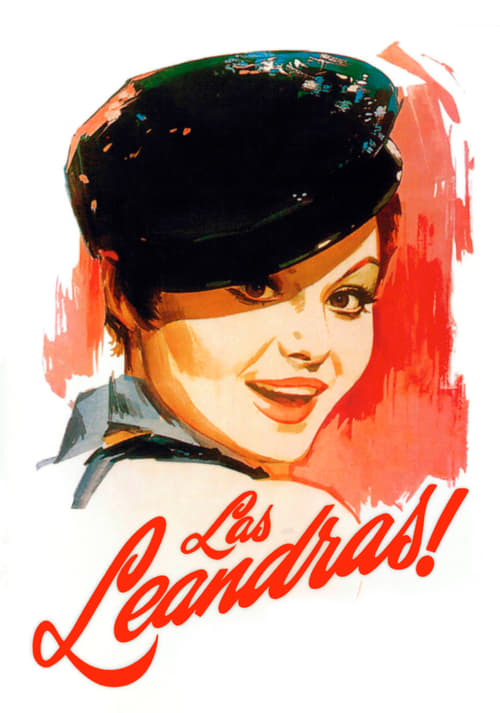
After finishing her studies in London, Patricia returns to Spain, excited to see her mother again, a famous revue showgirl. But upon her arrival, she discovers that her mother is ruined and working in a low-tier theater. Mother and daughter decide to fight together to regain fame and fortune.
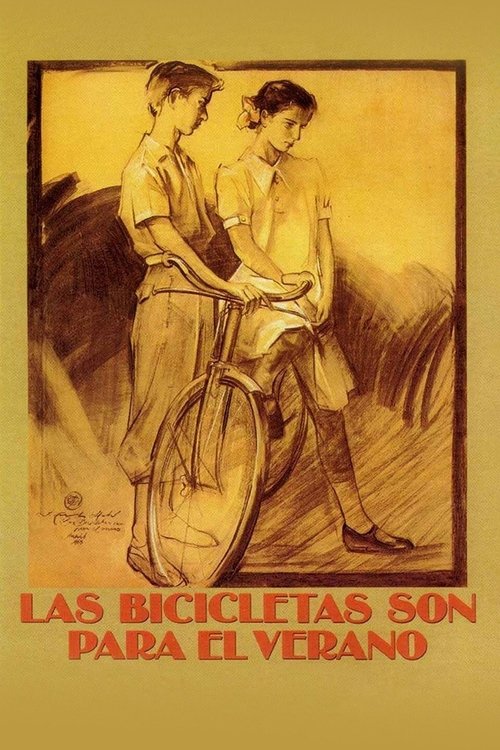
In Madrid, the family of Don Luis, his wife Dolores and their children, Manolita and Luisito, share the daily life of the Civil War with their maid and neighbours. Despite having failed his exams, Luisito wants his father to buy him a bicycle. However, the situation forces them to delay the purchase and the delay, like the war itself, is to last much longer than expected.
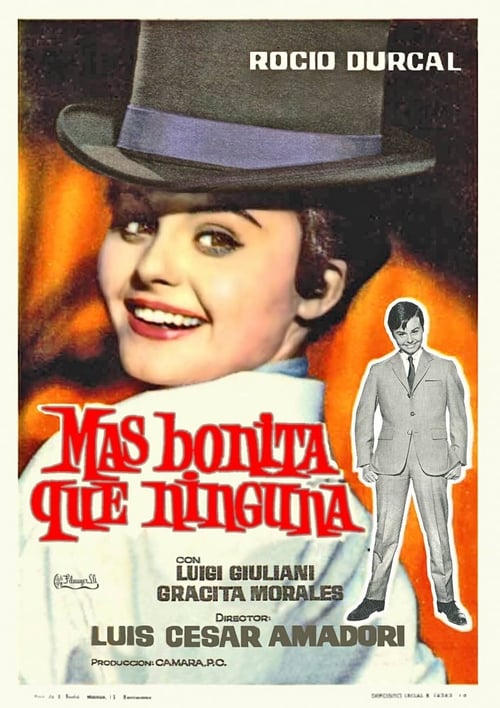
Roberto (Luigi Giuliani) and Luisa (Rocío Durcal) are a couple but are not as sincere as they should be. She tells him she works at Telefónica when she actually sells cigarettes at "The Green Windmill" cabaret. She's surprised when she discovers plans for a bachelor party there in honor of Roberto, who is marrying a wealthy heiress. In revenge, Luisa adopts the role of Luisito and faces Roberto in disguise.
No description available.
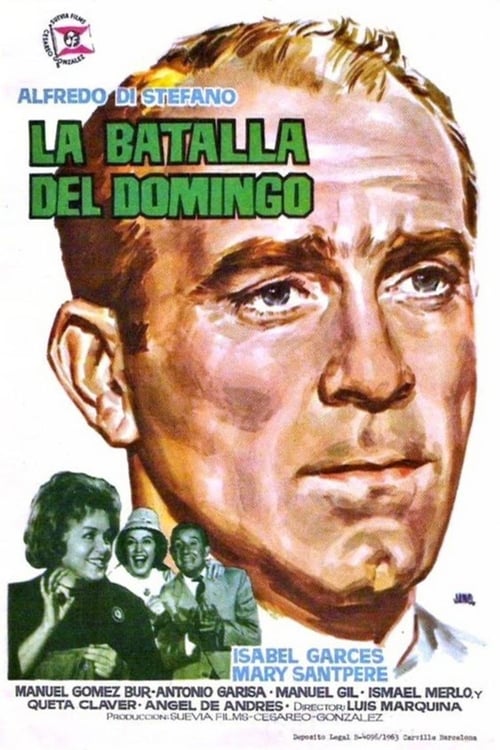
Alfredo Di Stéfano plays himself, not as a soccer player but as a man, husband and father. This is a personal portrait of the mythical athlete, in the decline of his career. Film made to the greater glory of the football player Alfredo Di Stefano. In principle it is a portrait of manners of the life of the athlete at the time of professional retirement. Filmed by Luis Marquina, " The Battle of Sunday " mixes the form of a conventional film with the topics of biographical documentaries. However, the film was an important public success, given the importance of Di Stefano in Spanish football.
Title changed to "Flamenco" when it was first released in the USA in 1954, this is a program of Spanish songs and dances with the emphasis on "flamenco" or gypsy contributions. The USA version has an English narrative written by Walter Terry, the dance critic of the "New York Herald Tribune" newspaper. Heading the cast are Antonio (I), Pilar Lopez and Maria Luz, three of Spain's foremost dancers of the time, accompanied by members of the Ballet Espanol. Filmed in Cinefotocolor in which orange and blue dominated, a combination that should appeal to the fans of Auburn University athletic teams. Distributed in the USA by Martin J. Lewis.
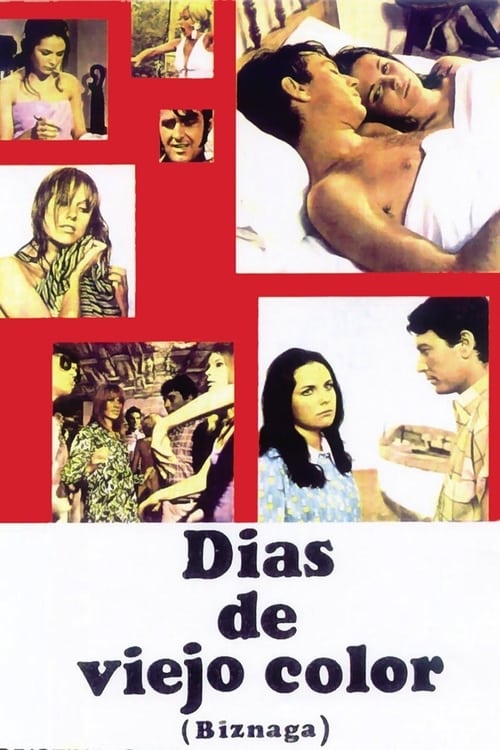
In the Easter holidays of 1967, three friends come to Torremolinos willing to flirt and experience strong emotions. Contact with a new environment, in which while some find the lies that hide behind the luxury and splendor and dangers that accompany life easier, others find true love.