João Trabulo
Directing
Known For
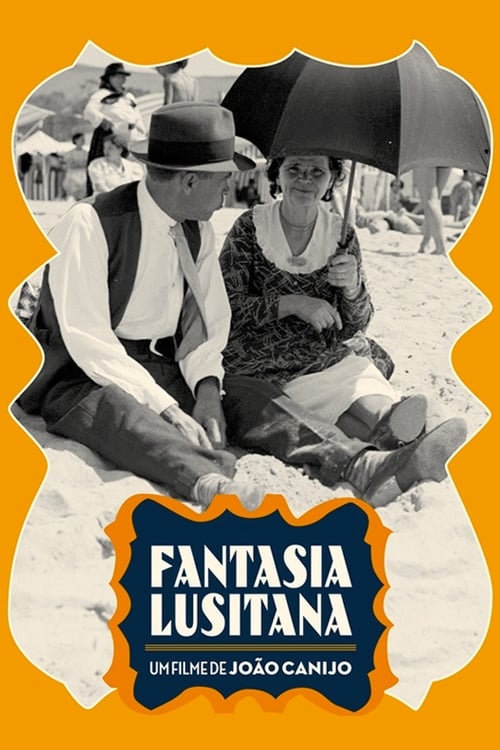
Images and sounds expose the duality of Portugal during the days of WW2: a peaceful, god-loving, rural country, providing an escape route for over one hundred thousand European refugees to the Americas; and a political and cultural elite that disguised their Nazi inclinations just enough to play its neutral role in international politics.
Lusitanian Illusion

In the 1950s, Victor Palla and Manuel Costa, two architect friends, portrayed the city of Lisbon in more than 6,000 photographs. These were published in an eponymous book circulated in fascicles during the fascist regime, but forgotten for the next half-century. After their deaths, it became the photo book with the greatest international projection of all time and this film is a tribute to the work of these two figures, which is now 100 years old.
Lisbon, Sad and Happy City
No description available.
Portugal Tem Lata
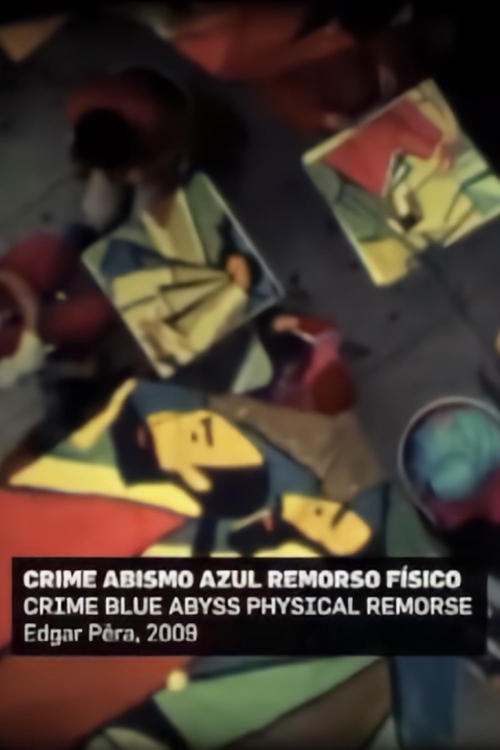
Crime Blue Abyss Physical Remorse is inspired by the life and works of Amadeo de Souza-Cardoso. This controversial 20th century painter defied the world avant-garde of his time: “I don’t follow schools. I am an impressionist, cubist, futurist, abstractionist. A melting pot. The real tradition is not to try and relive the past – which is impossible to achieve – but rather something that sets up a follow-through, as happens with parents and children. A child and his father are never alike.” The film follows Amadeo’s motto. It crosses pictorial fiction – suggested by the emblematic picture “The Procession”, painted in Paris in 1913 – with Portuguese contemporary reality.
Crime Abyss Blue Physical Remorse

No description available.
Fernando Lanhas - Saber Ver, Demora
No description available.
Sombras – Um Filme Sonâmbulo
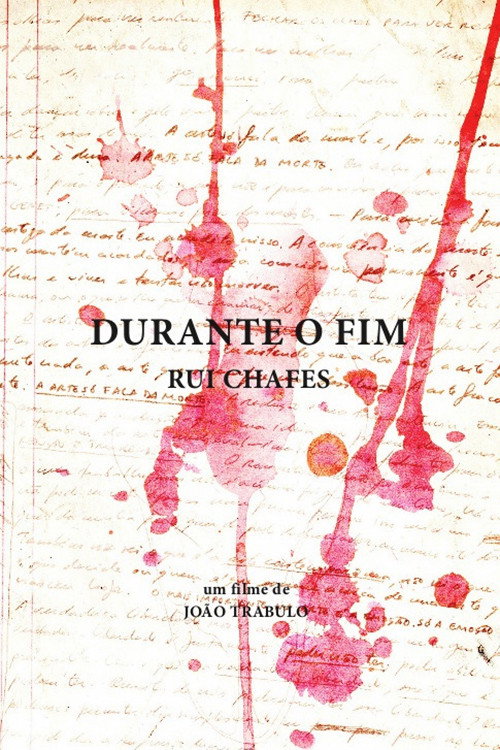
Biography of the Portuguese sculptor Rui Chafes, winner of the Pessoa Award in 2016
During the end

In a high-security prison in northern Portugal, a fine-cut, poetic portrait of Ernesto and Gaspard, who are waiting for better days.
Sem Companhia
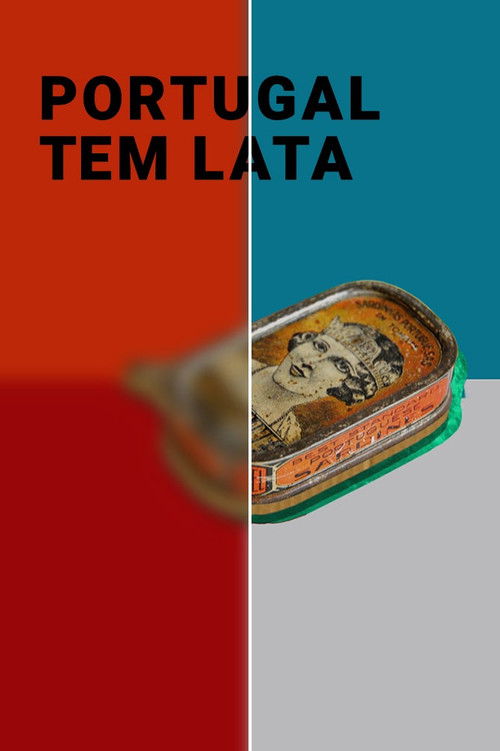
Portuguese people are connected to the sea. With much of its border bathed by the Atlantic Ocean, it will not be surprising that comes from here a huge slice of our income. The fish canning industry, one of the most emblematic and old Portuguese industries, was again very fashionable, partly because of the musician and singer, founder of the mythical Heróis do Mar and the LX-90, Rui Pregal da Cunha, that opened a restaurant in honour of the national canning industry and fado - Can the Can. Now, Pregal da Cunha, who has always liked to position himself behind the camera, tells us this story. Part of the History of Portugal.