Nikolay Kozlovsky
Camera
Known For
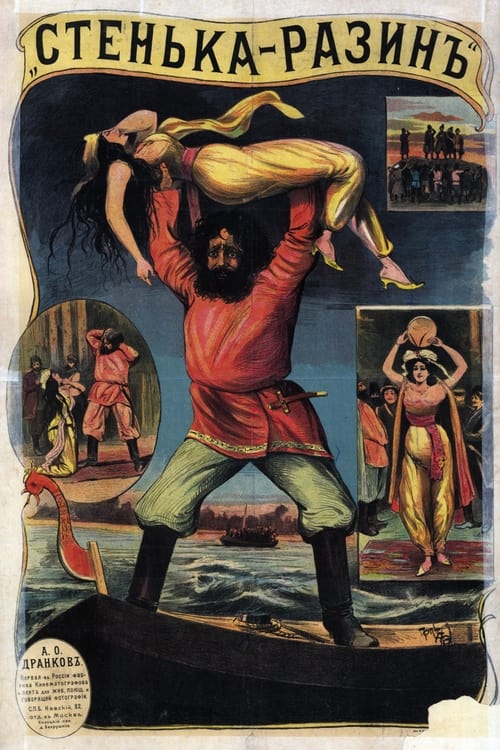
Stenka Razin is the leader of a group of outlaws who live a life of revelry and carousing along the Volga River and in the nearby forests. When Razin becomes distracted by a captured foreign princess and starts to dote on her, his men are displeased, feeling that he is neglecting them and their usual activities. Soon they come up with a plot, in the hopes of turning Razin against the princess.
Stenka Razin
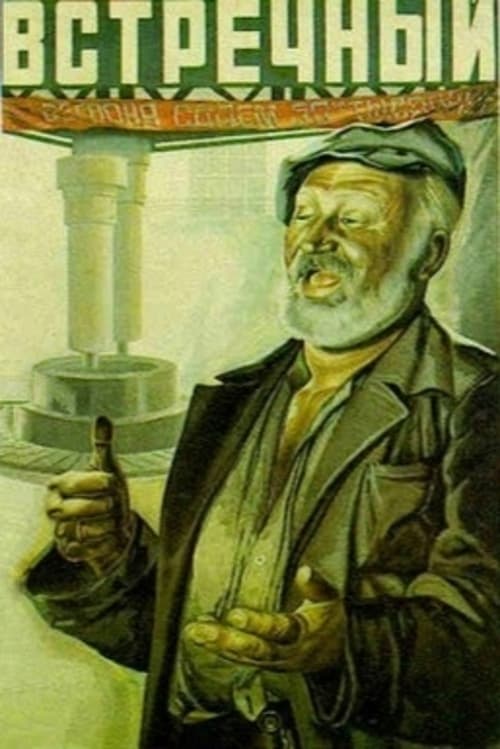
The story of an effort to catch "wreckers" at work in a Soviet factory. The film’s title-song called "The Song of the Counterplan", composed by Dmitri Shostakovich, became world famous and was adapted into "Au-devant de la vie", a notable song of the French socialist movement of the 1930s.
Counterplan
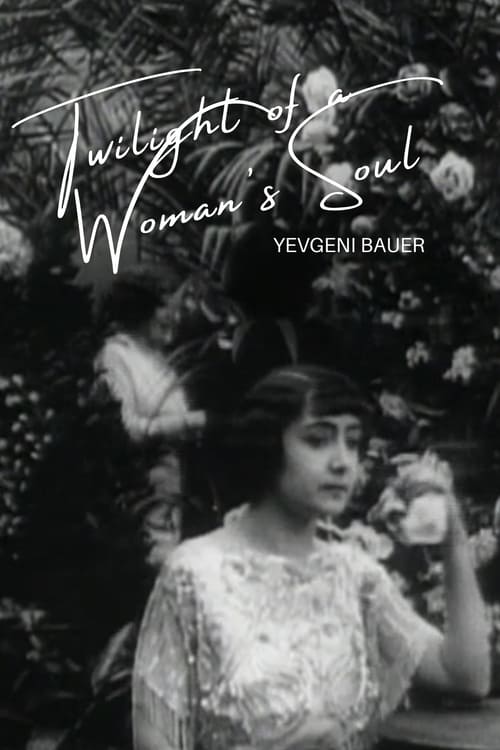
Despite living in luxury, Vera is lonely and discontented. When she accompanies her mother, the Countess, on a charity visit to the poor, she is troubled by what she sees, and she resolves to do whatever she can to help them…
Twilight of a Woman's Soul
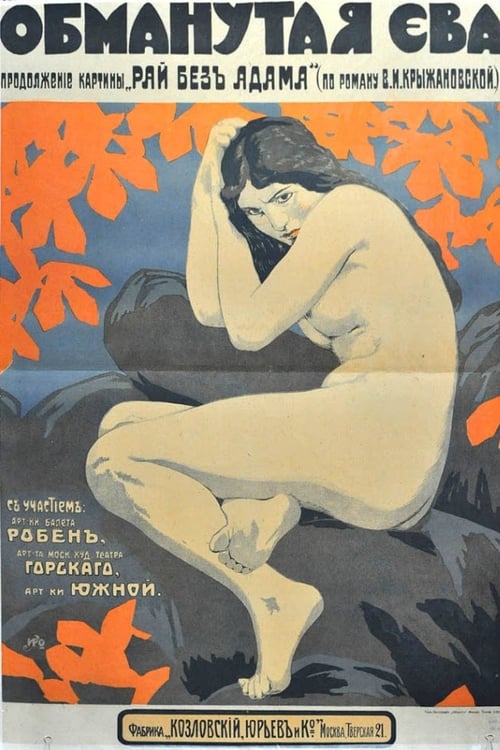
No description available.
Eve Deceived

No description available.
The Gentry's Ball
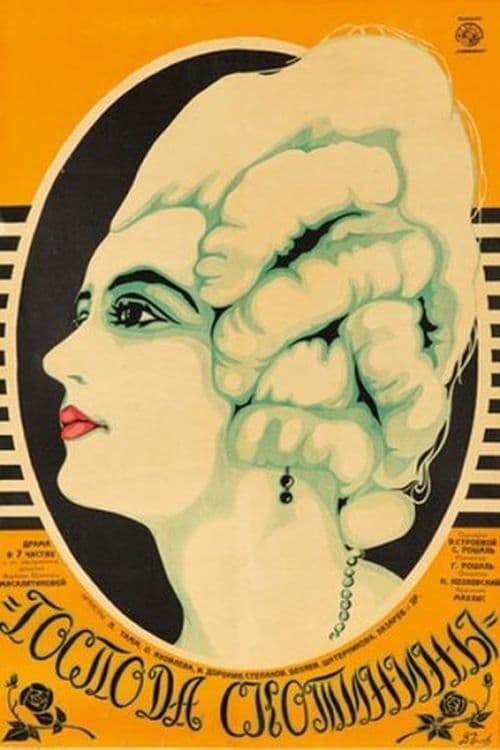
A comedy starring Nina Shaternikova, The Skotinins is loosely based on the 18th century play The Minor by Denis Fonvizin. In it, the upper class is shown as both depraved and stupid, engaging a variety of absurd, over-the-top follies.
The Gentlefolks of Skotinin
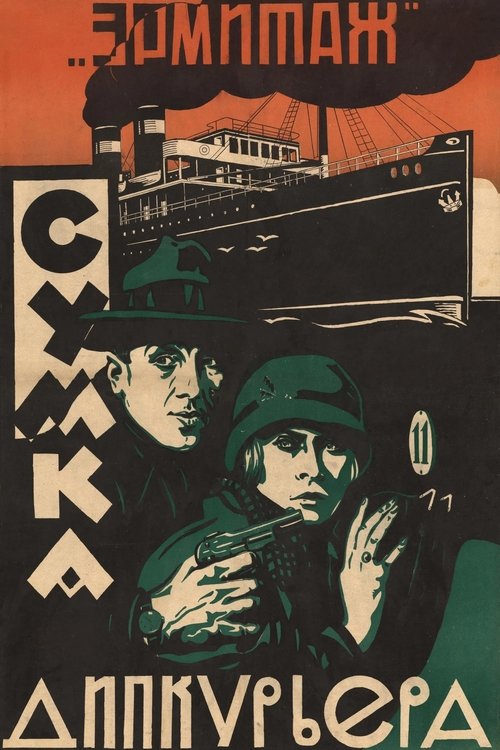
The Soviet embassy in England sends two couriers with diplomatic mail to Leningrad. The inspector of security police, White, and a group of policemen attack the Soviet diplomatic couriers at night. The documents get to an English trackman, who gives them to his son, a sailor in Portsmouth.
The Diplomatic Pouch
The Brothers Karamazov, by Fyodor Dostoevsky.
The Brothers Karamazov
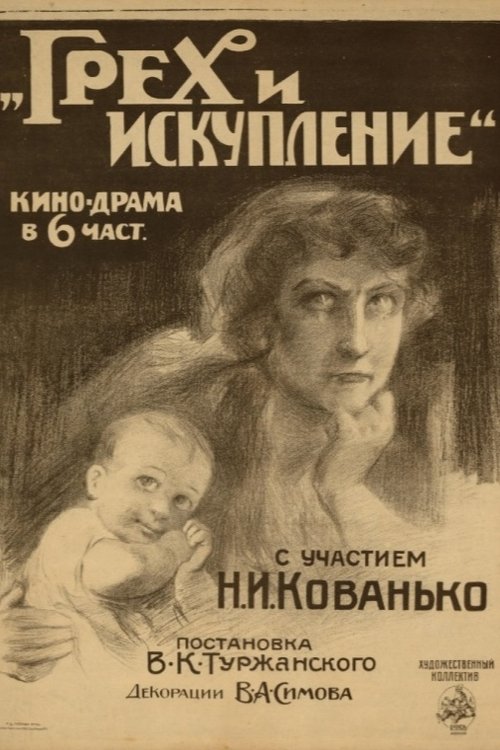
No description available.
Sin and Redemption
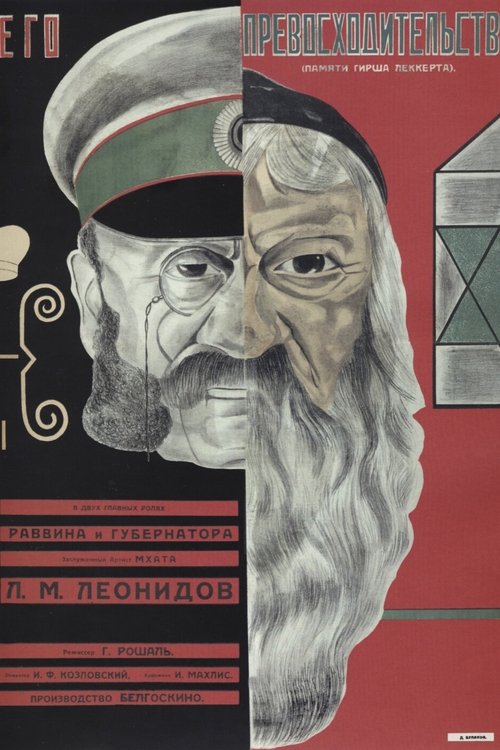
This 1928 film features stylized cinematography and actors from the Moscow Art Theater in a fiction story based on the life of Jewish Labor Bund member Hirsch Lekert who attempted to assassinate the Vilna governor in 1902 to avenge the flogging of workers who participated in a May Day rally.
His Excellency
No description available.
The Double

No description available.
In The Bloody Glow Of War
Partially lost.
The Comediant Girl
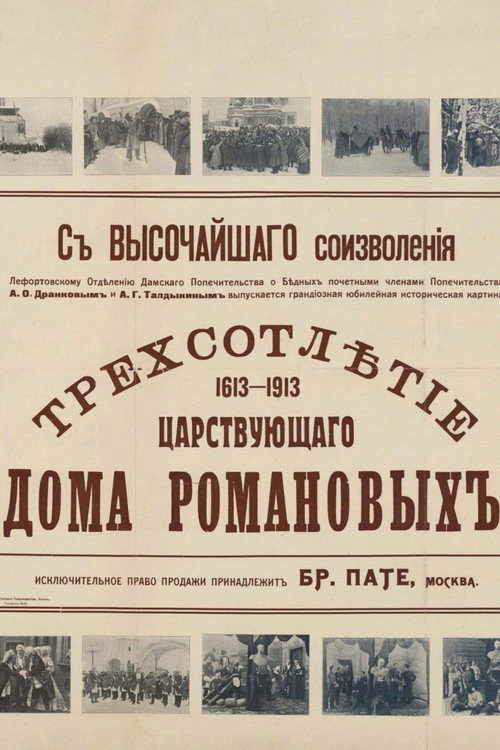
This large historical production was staged simultaneously with A. Khanzhonkov's painting "The Accession of the House of Romanov", but it was carried out on a larger scale; It ends with documentary footage of the coronation of Nicholas II.
Tercentenary of the Romanov Dynasty's Accession
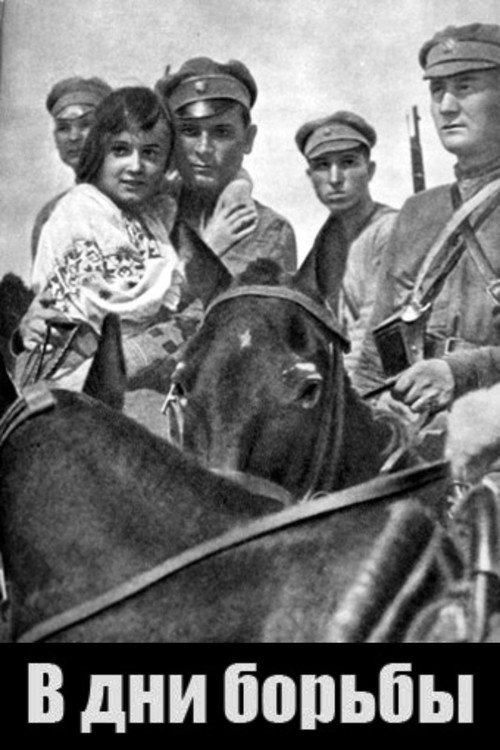
An agit-film about the struggle of Ukrainian peasants against the White Poles. A young woman, the daughter of a blacksmith taken prisoner by the White Poles, and a Red commander organise a partisan unit. One scene depicts the capture of a Polish landowner attempting to elude capture. He had been hiding from the Red Army soldiers in a barrel. The peasants nailed the barrel shut and, having inscribed the words: ‘To Warsaw – to Mr Piłsudski’, threw it into the Dnieper. The role of the Red commander was V.I. Pudovkin’s first film role. The production was carried out by a group of students from the State Film School as part of a competition organised by the All-Union Film and Cinematography Committee (VFK). Lost film.
In the Days of Struggle
On the powerless position of peasant women in pre-revolutionary Russia. Marisha, a village girl, is in love with the coachman Yakov. Marisha’s father, a wealthy peasant, refuses to consent to his daughter’s marriage. The lovers are forced to meet in secret. Soon Marisha gives birth to a child, and the coachman abandons his beloved. Harassed by the villagers, Marisha throws herself and her son into the river. Lost film. The title is taken from the first stanza of Russian poet's Nikolay Nekrasov's poem, titled "The village harvest is in full swing..."
O you—Russian fate, a woman’s lot!
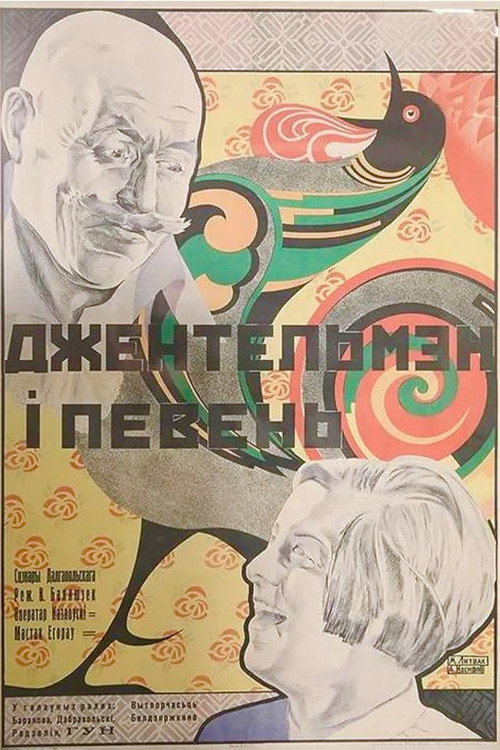
The film mocks the moribund world of pan-Poland. The border established by the Treaty of Riga between pan-Poland and Soviet Belorussia passed through the estate of Polish Count Wadecki. The best part of the estate with the palace ended up on Soviet territory. From that moment on, the count lost peace and sleep. New owners - a noisy, cheerful pioneer squad - took up residence in the former manor house. The count's servants, shepherd boy Vasya and servant girl Yadya, watch the life of their neighbours with keen interest. Having accidentally crossed the border in search of a stray cow, Vasya happily stays in Soviet Belarus. He is followed by Yadia. Eventually the Count and his "lordly" guests cannot bear the sight of the noisy youth festivities on the Soviet side and flee. Yadia and Vasil participate in the Soviet youth party.
The Gentleman and the Rooster

No description available.
Buyers of Soul and Body
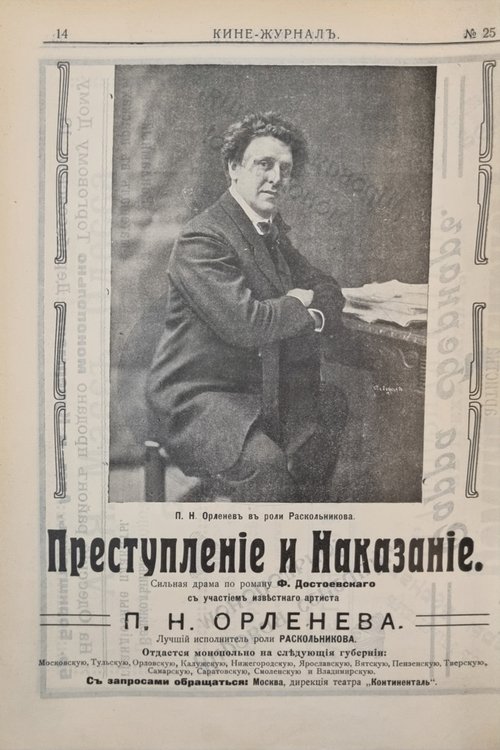
Former student Raskolnikov is pushed to murder when struggling to pay the rent on his apartment. When the murder is being investigated by the police, Raskolnikov struggles between trying to hide his guilt and the pressure to confess.
Crime and Punishment
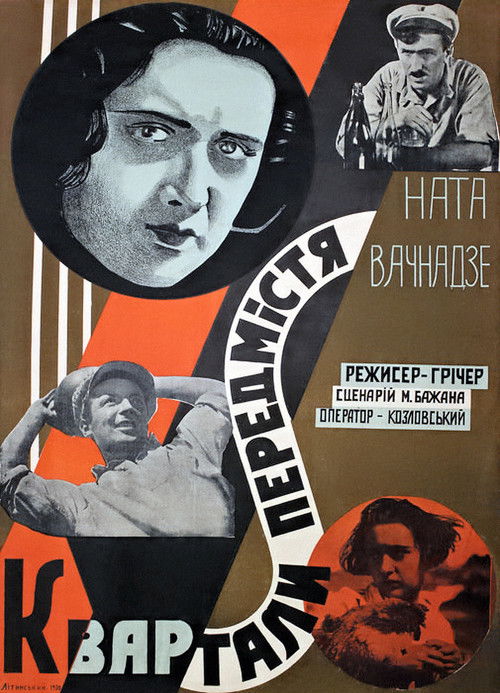
In the late 1920s Jewish girl Dora falls in love with a young Russian Komsomol member. His parents,who are captive to religious superstitions, don't like Dora. She still goes to live with him and will find herself facing those superstitions in her husband home too.