Leonid Alekseev
Acting
Known For

Veronika and Boris come together in Moscow shortly before World War II. Walking along the river, they watch cranes fly overhead, and promise to rendezvous before Boris leaves to fight. Boris misses the meeting and is off to the front lines, while Veronika waits patiently, sending letters faithfully. After her house is bombed, Veronika moves in with Boris' family, into the company of a cousin with his own intentions.
The Cranes Are Flying
No description available.
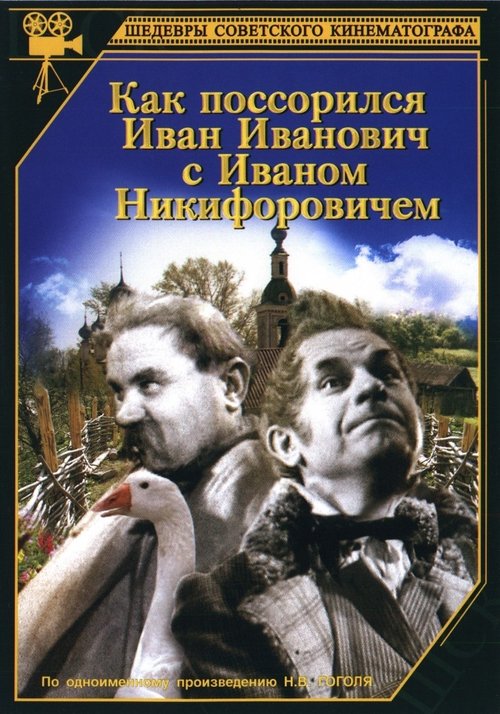
How Ivan Ivanovich Quarreled with Ivan Nikiforovich
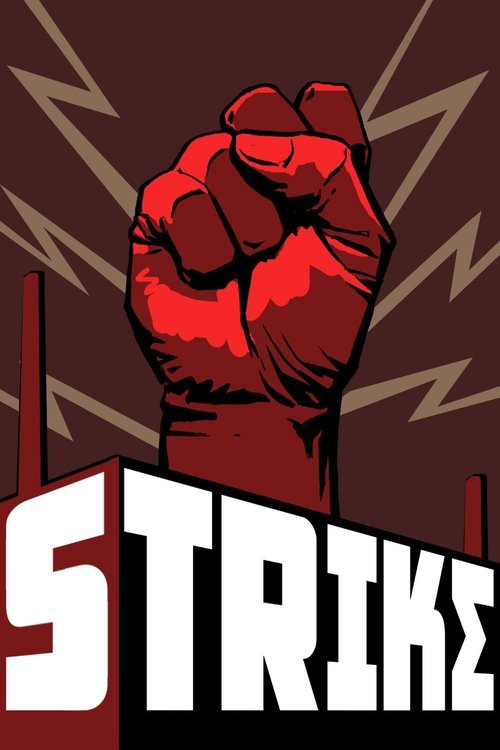
Workers in a factory in pre-revolutionary Russia go on strike and are met by violent suppression.
Strike
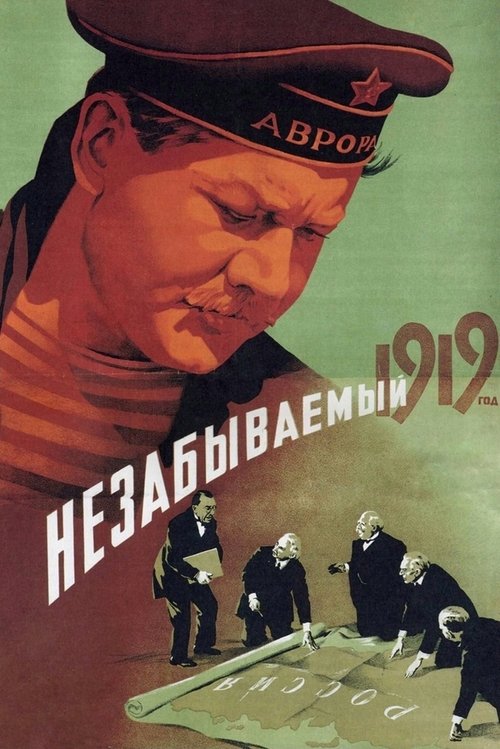
A dramatization of the 1919 defense of Petrograd, focusing on Bolshevik leadership and the defeat of White Army forces during the Russian Civil War.
The Unforgettable Year 1919
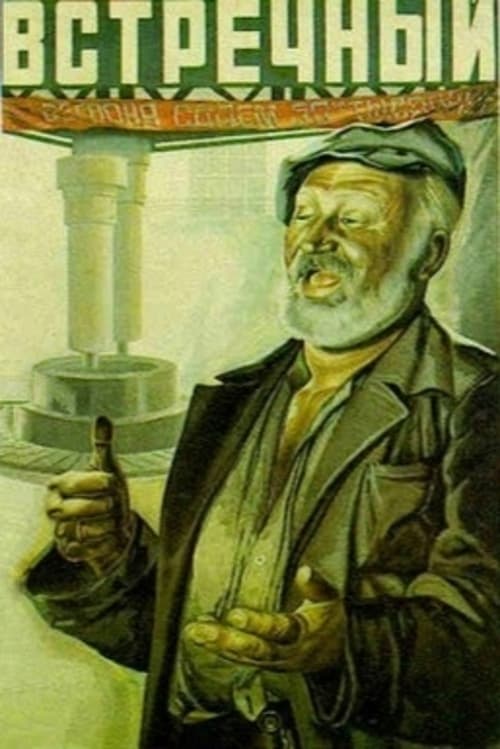
Shame or Counterplan is a 1932 Soviet drama film directed by Sergei Yutkevich and Fridrikh Ermler. The film’s title-song called "The Song of the Counterplan", composed by Dmitri Shostakovich, became world famous and was adapted into "Au-devant de la vie", a notable song of the French socialist movement of the 1930s. This film could be considered as a Stalin propaganda film. The plot involves an effort to catch "wreckers" at work in a Soviet factory. From Wikipedia, the free encyclopedia
Shame
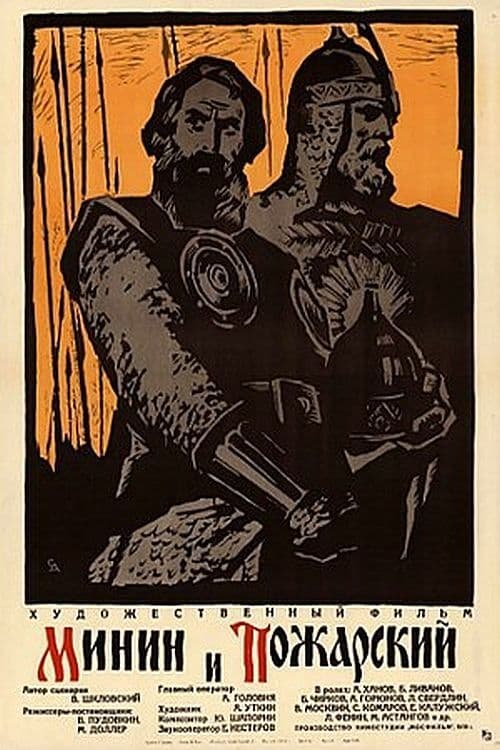
Historical film about the invasion of the Poles in the Moscow Empire (1611), the creation of Minin and Pozharsky people's militia. The beginning of the XVII century. Already the sixth year the Muscovite land under the yoke of intervention. In the fall of 1610 Polish pans in deceitfully seized the Kremlin and tried to break through to the north. Everywhere rebellions broke out, but well-armed interventionists smashed the scattered peasant detachments. The liberation movement was led by Nizhny Novgorod merchant Kuzma and Prince Dmitry Pozharsky.
Minin and Pozharsky
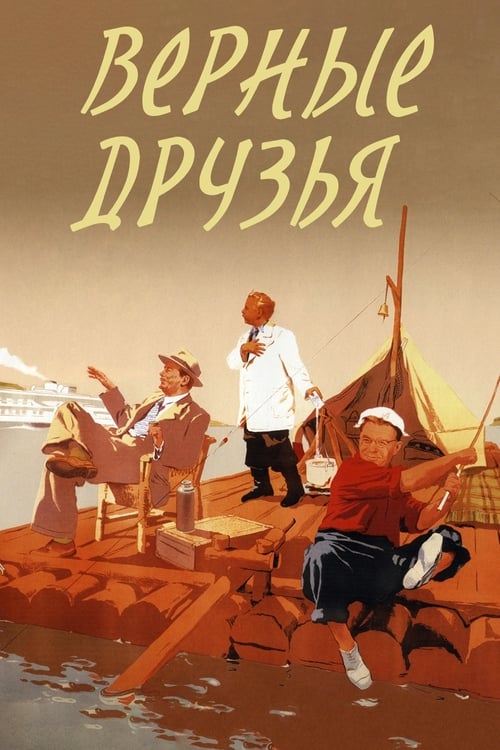
Alexander, Boris and Vasily are old friends, who now rarely see each other as they're busy with their professional life. They embark on long-planned voyage on a raft down the Volga river, which turns into a series of comical accidents but also strengthens their friendship.
True Friends
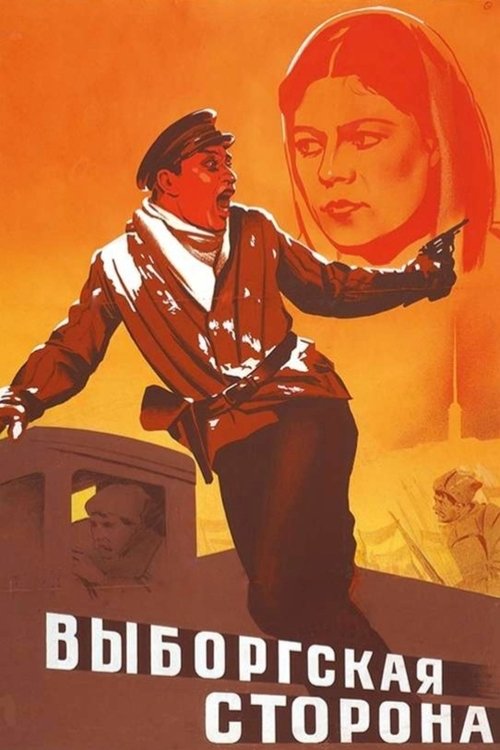
The final part of trilogy about the life of a young factory worker, Maxim. Following the Russian Revolution, Maksim is appointed state commissar in charge of the national bank. With great efforts, he learns the complexies of the banking trade and begins to fight off sabotaging underlings. Dymba, now a violent enemy of the Republic, tries to rob a wine store but is arrested with Maksim's help. Maksim also exposes a conspiracy of a group of tsarist officers who prepare an attempt against Lenin. He then joins the Red Army in its fight against the German occupation.
The Vyborg Side
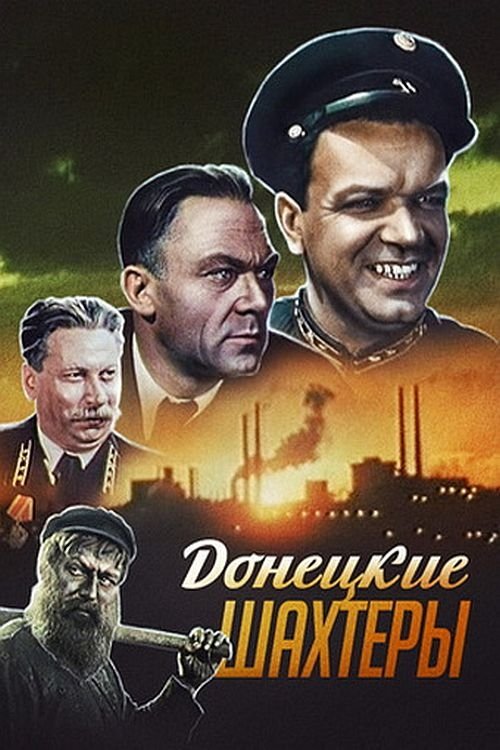
A miners in Donbass embrace new technologies with enthusiasm.
The Miners of Donetsk

About the life of the Russian composer Mikhail Glinka.
The Great Glinka
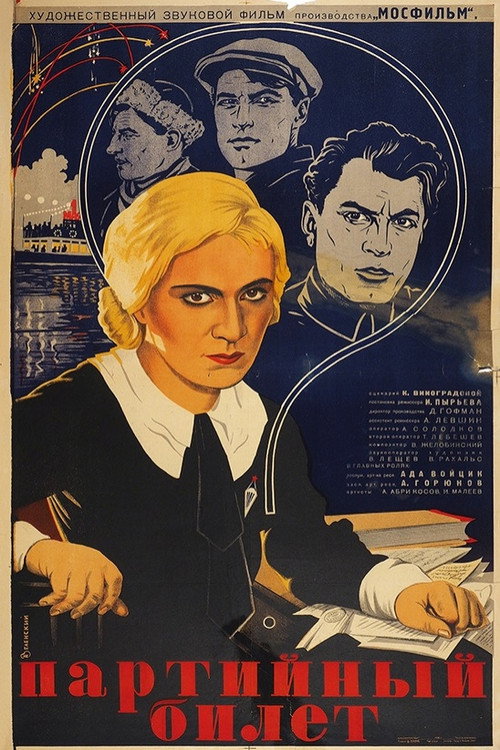
Yasha, who likes Anna, accomodates siberian Pavel Kuganov, which later becomes a class-conscious worker in a factory. Anna refuses Yasha's offer of marriage and he therefore runs off to Siberia. After Pavel is hailed as a hero because he survives a fire accident in factory (which is in fact effect of his sabotage), Anna marries him. Pavel then becomes a reckless communist careerist, but only on surface. In fact, he is a traitor of the country and a spy, and gives Anna's party ID card to anti-communist movement. In spite of that, Anna is expelled from the communist party. Yasha returns from Siberia, only to find her love Anna desperate. They reveal the truth about Pavel (that he is a kulak who killed a kolchoz co-op leader), which means an end for Pavel.
Anna
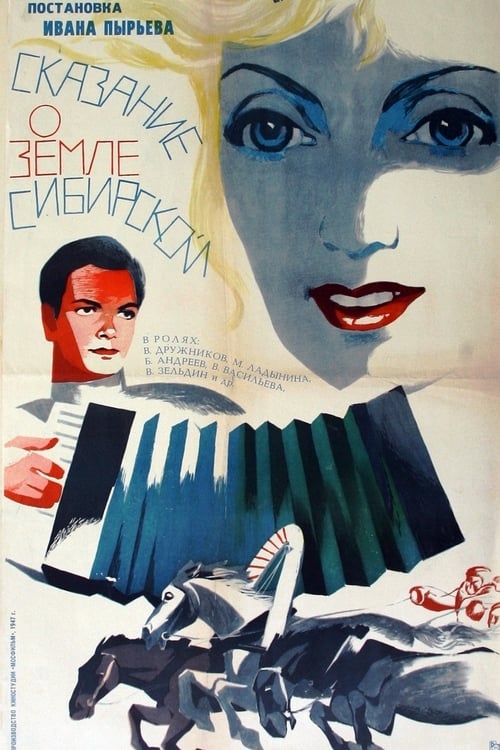
His right hand having been wounded during the war, concert pianist Andrei Balashov is unable to perform his art. As a result, the young man feels so depressed that he considers his life wasted. One day, he decides to leave the capital and flee from the woman he loves, Natasha, a rising singing star. Andrei takes refuge in Siberia, his native land. Once there, he gets a job in a sawmill, where he entertains his fellow-workers playing the accordion during leisure hours. Some time later, Natasha and her company are expected in America where they are to do a tour. But an airplane breakdown forces the pilot to land next to the village in which Andrei lives and works...
Tale of the Siberian Land
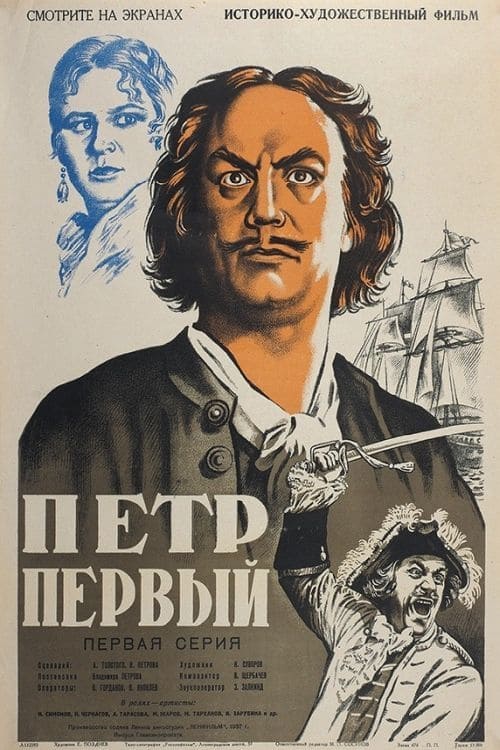
This, the first Soviet depiction of Peter the Great, set the stage for what would become the post-Revolutionary line concerning the early Romanovs. Rulers like Ivan the Terrible and Peter the Great were widely admired for their dedication to Russia and their absolute determination to enhance her position in the world. But praise for the hated later Romanovs conflicted too heavily with the very beliefs that had brought about the Revolution in 1917.
Peter the First, Part I
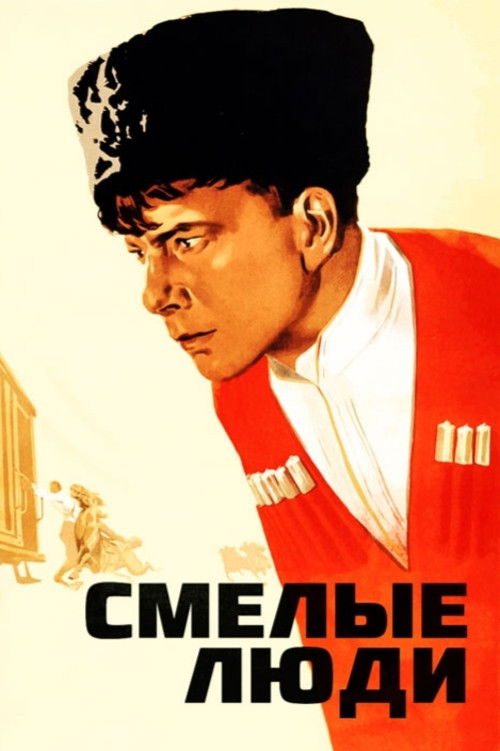
A boy breeds horses on the plains between Belarus and the Caucasus. When the German invasion comes he joins the partisans as a horseman.
The Horsemen
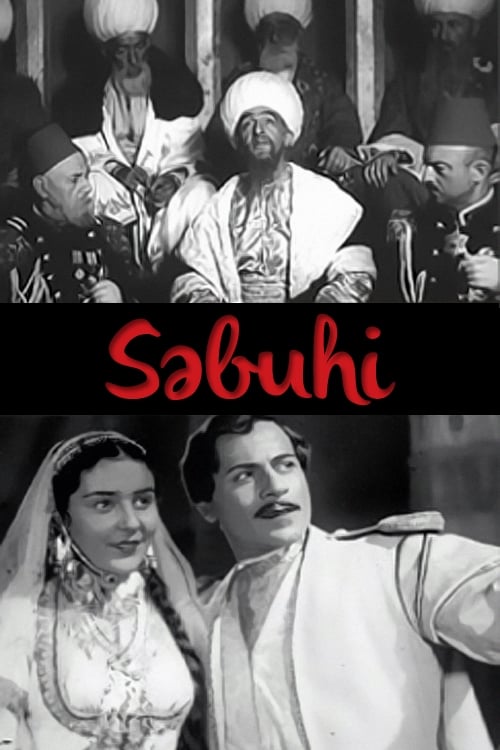
The film is dedicated to the life and creative work of the great Azerbaijani educator, playwright, and philosopher, Mirza Fatali Akhundov, affectionately known as Sabuhi, meaning “man of the morning.”
Sabuhi
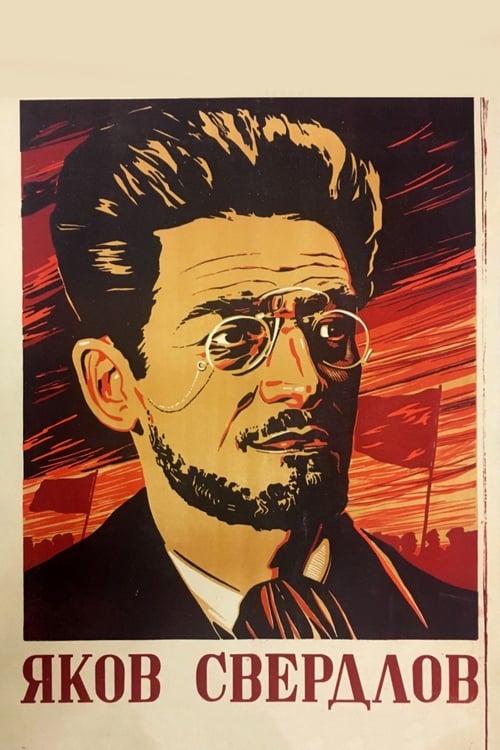
Soviet biographical film on the life and work of the first chairman of the All-Russian Central Executive Committee, Yakov Mikhailovich Sverdlov.
Yakov Sverdlov

A story of true love set during the WWII.
Wait for Me
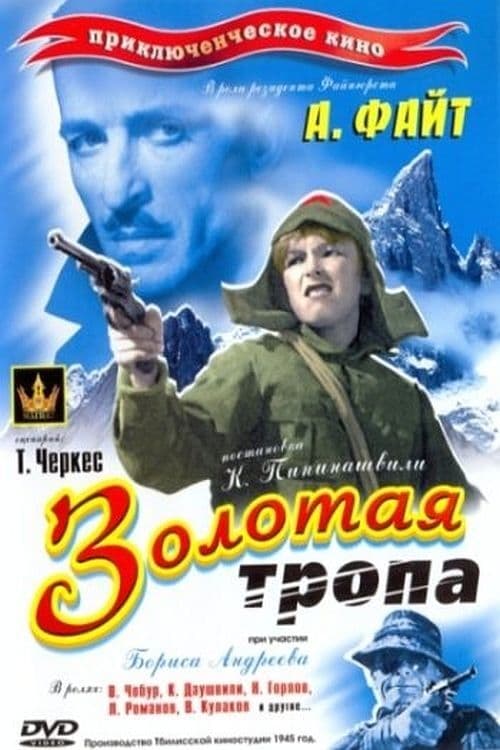
Soviet border guards are fighting a gold smugglers near the Chinese and Mongolian borders.
The Golden Road
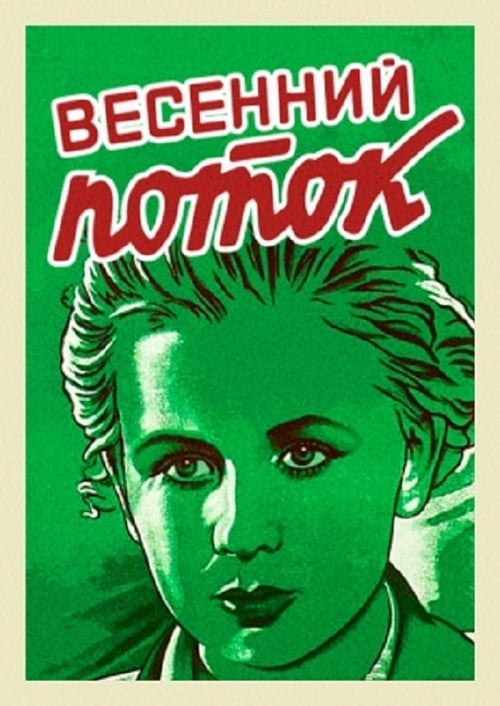
After graduation, Nadia Kulagina comes to work in a school where she once studied. After her appearance, the most hopeless student Dimka Lopatin, who was even wanted to be expelled from school, becomes one of the best students and a faithful friend of the new class teacher.
Spring Flow
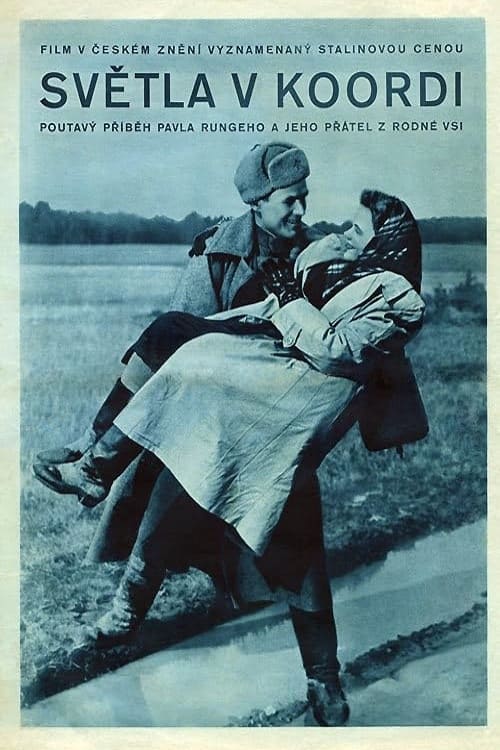
When Paul Runge, a soldier of the Red Army, returns home to Koordi after the war, he sees that, despite the new regime, life in Koordi hasn't changed. It's still a abandoned, uncultured Estonian village, where rich landlords still oppress the population. Runge starts talking about founding a kolkhoze.