Gisela Tuchtenhagen
Camera
Biography
Born in Pomerania in 1943, grew up in Schleswig-Holstein. 1966 photography apprenticeship, 1968-72 studied at the Berlin Film Academy dffb. There she studied and learned primarily from documentary film director Klaus Wildenhahn, working with him for several years as an editor, co-author, co-director, and camerawoman, making her own documentary films and teaching at film schools. From 1980 to 1983, she trained as a nurse, then returned to her own film projects, camera work, and collaboration with women. It wasn't all as smooth as it sounds in keywords. In 1986, she adopted Christian and Alfredo. Gisela T. has been a member of the Academy of Arts since 1999. She continues to work as a camerawoman and documentary film director until 2021. The rules of Direct Cinema remain important to her.
Known For
Annual awarding of the Grimme Awards.
Grimme Award

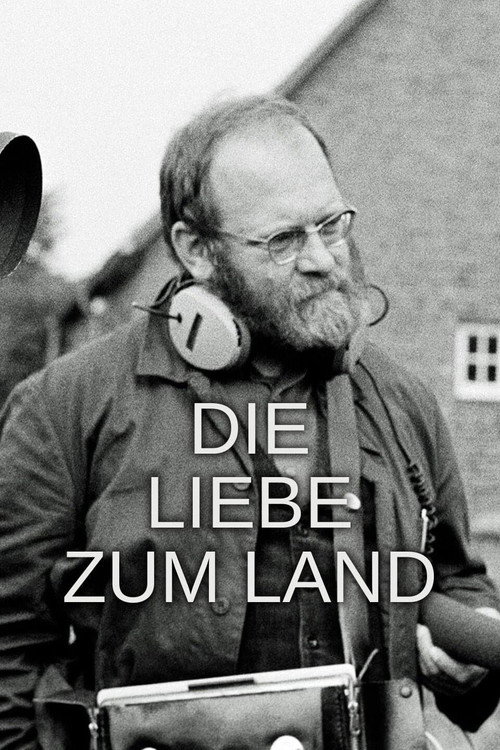
The two-part documentary introduced people in the villages and less populated areas of the Federal Republic. The prevailing structures, worries, hardships and hopes were shown - a portrait of the 1970s.
Die Liebe zum Land

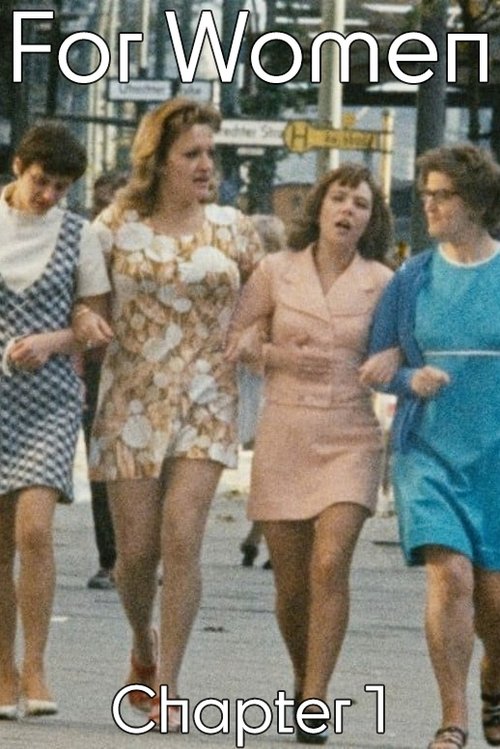
Saleswomen in a supermarket discover that they are paid less than their male colleagues who do the same work. They decide to take action. The band Ton Steine Scherben sings along that “Everything changes if you change it / But you can't win as long as you're alone!” With a lay cast, the film fulfils the demand for solidarity that it preaches – “this film was made by saleswomen and housewives. They came up with the story and acted themselves. The film students helped them”
For Women, Chapter 1
A documentary about the events at the German Film and Television Academy Berlin (dffb) in November 1968, which led to the termination of the training contracts of 18 students. While Director Heinz Rathsack dictates to his secretary Helene Schwarz the letter lifting the ban from the premises against 18 students, the students plan a general assembly inside the dffb despite the ban.
Wochenschau I: Requiem für eine Firma
A church congregation in Hamburg-Harburg: Klaus Wildenhahn observes the work of a pastor. What is his job? What is expected of him? What does he himself want?
Harburg bis Ostern
Behind the scenes look at the preparations for the last two editions of Dietmar Schönherr's Talkshow.
Der Mann mit der roten Nelke
Klaus Wildenhahn, a native of Bonn, takes a personal and slightly wistful look behind the scenes of the government's move from Bonn to Berlin and bids farewell to the comparatively modest “federal village.” He is not interested in the political celebrities, who, unlike in the television reports produced at the same time, serve only as background noise, but in the everyday lives of the small employees, parliamentary servants, chauffeurs, and waiters.
Ein kleiner Film für Bonn
Seven young women from Berlin discuss their experiences with the pill in a studio setting and react to the ideas that young men of the same age have about this contraceptive. The film is based on the work of the women's group "Brot und Rosen" and their book "Frauenhandbuch Nr.1 Abtreibung und Verhütung".
Does the Pill Liberate?
Christian's participation in this trip was only made possible through close cooperation between his probation officer, the public prosecutor, and the educators at the Johannes Petersen Home. It was conceived and implemented as a last attempt to influence his socially disadvantaged circumstances. Christian is only allowed to be picked up from the Hamburg remand prison immediately before departure. After two months, Christian is back in prison, this time in Portugal. For stealing radios and wristwatches. "Scandal! Bizarre therapy for difficult youths. Seven months of dream travel at the taxpayer's expense!" reads the newspaper. Bauer Publishing sends two reporters to southern Portugal. A clash ensues. The decision not to punish "criminal" children is the target of attacks by right-wing politicians and their press. The Youth Welfare Office considers discontinuing the project. But this is no time for self-pity – the group continues its work.
Heimkinder (4). Morgen wird wieder alles ganz anders sein
Experiential education is centuries old and remains controversial to this day. When two social educators from the Johannes Petersen Home in Hamburg and a teacher traveled to southern Portugal in March 1984 with "criminally conspicuous" children and adolescents, it was a unique educational experiment for the Federal Republic of Germany at the time. The boys were to live together in tents for three months, learning and improving their social behavior.
Heimkinder

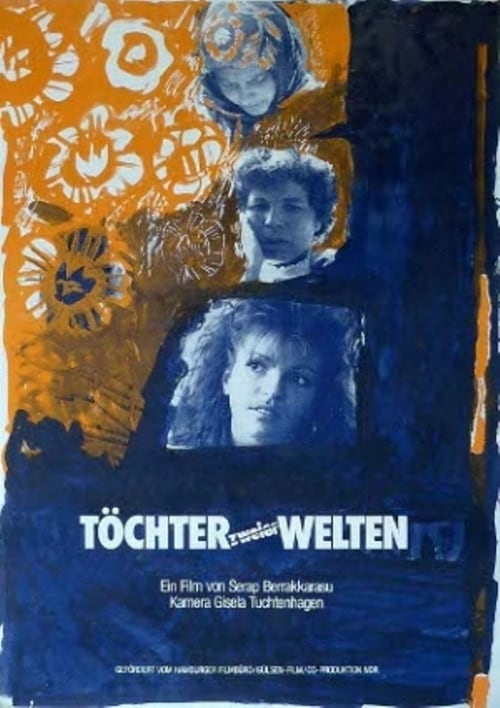
Women from Turkey and Mecklenburg are working together side-by-side at a fish-processing factory in Lübeck. As they work, they share stories about their lives, including their sorrows, griefs, hopes, and dreams, while expressing their longing for home and feelings of being lost in a foreign place.
Money for Bread

Greta is born lifeless and dies. Four years later, her midwife stands trial for manslaughter. The verdict: guilty. Ban from practicing her profession, prison sentence, damages. After her release from prison, nothing is the same as before.
Gretas Geburt

In her former life, Johanna K. worked as a civil engineer – Mr Kamermans – in Holland, building dykes and roads. Then she discovered her love of beautiful clothes and cabaret, and found her calling as a dancer. Pleasantly, calmly, and with admirable thoughtfulness, she recounts various stages of her eventful life between St. Pauli and Ibiza, between her own gender identity and social constraints and expectations.
Freier Fall: Johanna K.

How do people look back on a life that was torn from their hands by arbitrariness, secret police, and the justice system? Gisela Tuchtenhagen and Margot Neubert-Maric portray three former prisoners whose experiences in prison in the GDR left lifelong scars. They fell into the clutches of the GDR justice system at a young age.
Für nichts und wieder nichts
A traditional men's festival called "Hahnbeer," which has been celebrated every year since 1841 at the end of February.
Der Wirt, die Kneipe und das Fest

A cinematic portrait of Maria, a 13-year-old girl who has been living in Hamburg, Germany, with her family from Spain for several years. The filmmaker observes Maria in her everyday life and her relationship with the people around her - her parents, her neighbor (the filmmaker's mother) and Nina, a German girl about the same age.
Was ich von Maria weiß
A four-part documentary about an economical crisis of the car industry in Germany, in the summer of 1975.
Emden geht nach USA
No description available.
Lütte Lüüd üm' Grootneemarkt rüm
The second film begins in early April with Tarkan's return. He wanted to go back to Hamburg with the stolen 800 marks. The next night, Christian is gone. The group travels on to Lisbon to start investigating Christian's whereabouts. At the same time, school starts again. Christian has once again been caught by the police stealing a car. Three days later, he is back with the group. An educational attempt at clarification begins: Why did he run away? Why did he steal? Why the cars?
Heimkinder (2). Warten bis der letzte von uns da ist
A multi-layered, moving portrait of the filmmaker and winner of multiple Grimme Awards Gisela Tuchtenhagen, one of the first German camerawomen of the 1970s, who has left a sustained mark on the documentary film genre ever since.