
Mike Kelley
Directing
Biography
Mike Kelley was one of the most provocative and influential figures in contemporary art. His idiosyncratic works negotiate a charged terrain of desire, dread and sociopathology in everyday life. With deadpan humor, he invests childhood toys, kitsch, and ordinary objects with subversive meaning. His video projects, often created with collaborators such as Paul McCarthy, Raymond Pettibon, and Tony Oursler, inhabit a peculiarly American landscape infused with irony and pop cultural debris. - - - - Michael "Mike" Kelley (October 27, 1954 in Wayne, Michigan – c. January 31, 2012 in South Pasadena) was an American artist. His work involved found objects, textile banners, drawings, assemblage, collage, performance and video. From Wikipedia, the free encyclopedia
Known For
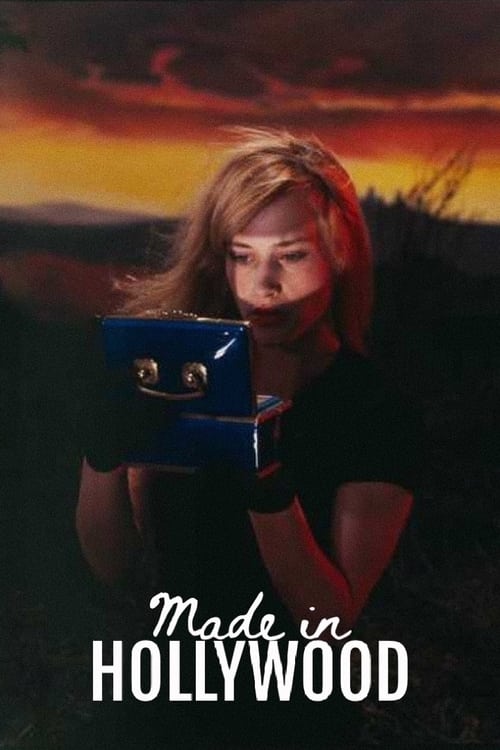
A parable of the Hollywood image-making industry told through a pastiche of narrative cliches.
Made in Hollywood
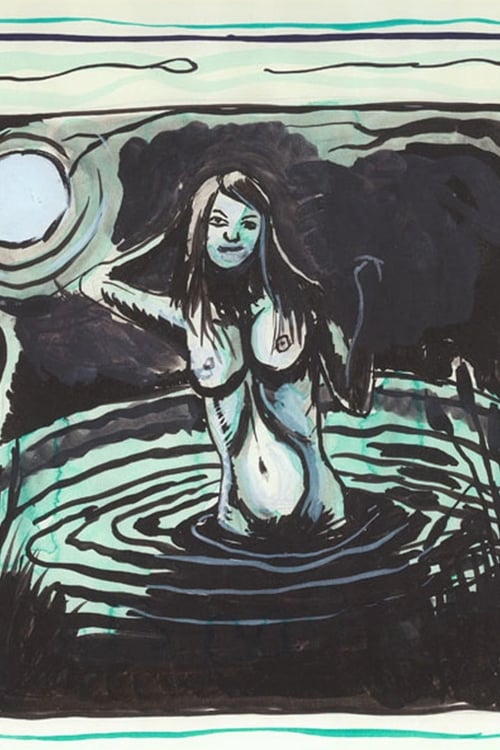
Deconstructing the myth of Oedipus within the framework of an ancient Japanese folk story, the Yonemotos craft a highly charged discourse of loss and desire. Quoting from Bunuel, Freud, pop media and art, they place the symbology of Western psychosexual analytical theory into a cross-cultural context, juxtaposing the Oedipal and Kappa myths in a delirious collusion of form and content. The Kappa, a malevolent Japanese water imp, is played with eerie intensity by artist Mike Kelley; actress Mary Woronov plays Jocasta as a vamp from a Hollywood exploitation film. Steeped in perversions and violent longings, both the Kappa and Oedipus legends are presented in highly stylized, purposefully "degraded" forms, reflecting their media-exploitative cultural contexts. In this ironic yet oddly poignant essay of psychosexual compulsion and catharsis, the Yonemotos demonstrate that even in debased forms, cultural archetypes hold the power to move and manipulate.
Kappa
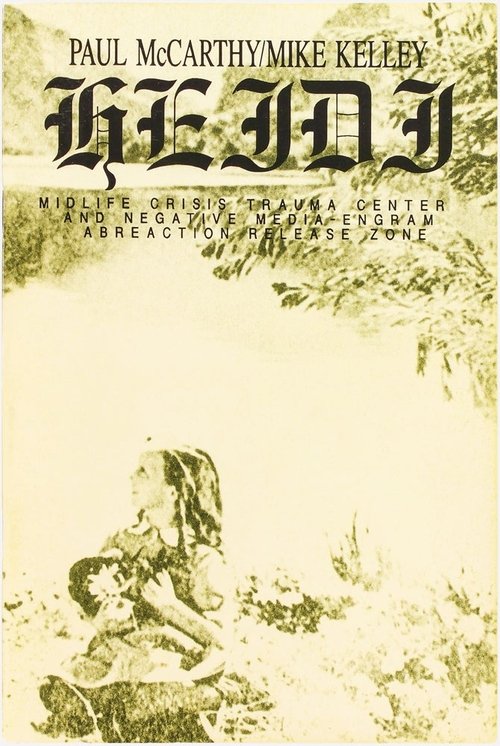
A collaborative work based on Joanna Spyri's novel, Heidi.. The entire work consisted of a fabricated set, a group of partial and full life-size rubber figures, two large backdrop paintings, and a video tape shot entirely on the set. The set was installed at the center of the gallery (Galerie Krinzinger, Vienna)... We were interested in imitating film and television production, and exaggerating the fractured process of film. - Paul McCarthy In Heidi we toyed with this illusionary nature by treating the doubles and stand-ins for the actors as obvious sculpture, more in the manner of a puppet show than traditional film. - Mike Kelley
Heidi: Midlife Crisis Trauma Center and Negative Media-Engram Abreaction Release Zone
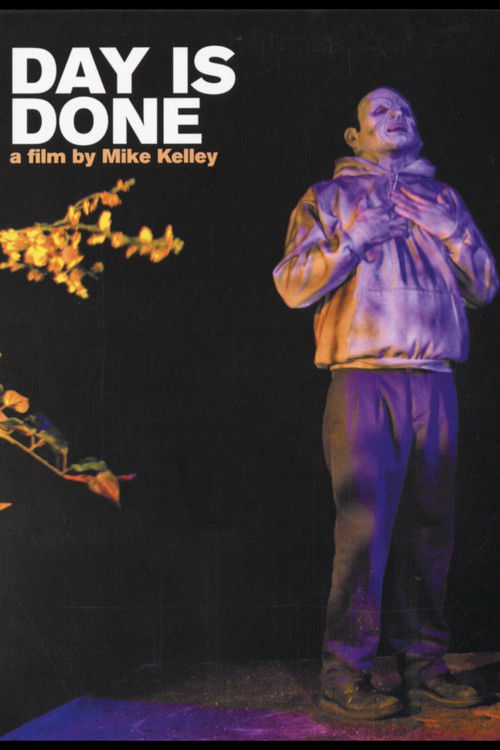
Day Is Done is a carnivalesque opus, a genre-smashing epic in which vampires, dancing goths, hillbillies, mimes and demons come together in a kind of subversive musical theater/variety revue. Running over two-and-a-half hours, this riotous theatrical spectacle unfolds as a series of episodes that form a loose, fractured narrative. The video comprises parts 2 through 32 of Kelley's multi-faceted project Extracurricular Activity Projective Reconstructions, in which trauma, abuse and repressed memory are refracted through personal and mass-cultural experience. The source material is a series of high school yearbook photographs of "extracurricular activities," specifically those that represent what Kelley has termed "socially accepted rituals of deviance." Kelley then stages video narratives around these found images.
Day Is Done
A set of quintuplets have had their lives documented on television. Now they are adults with professional lives
The Quinn-tuplets
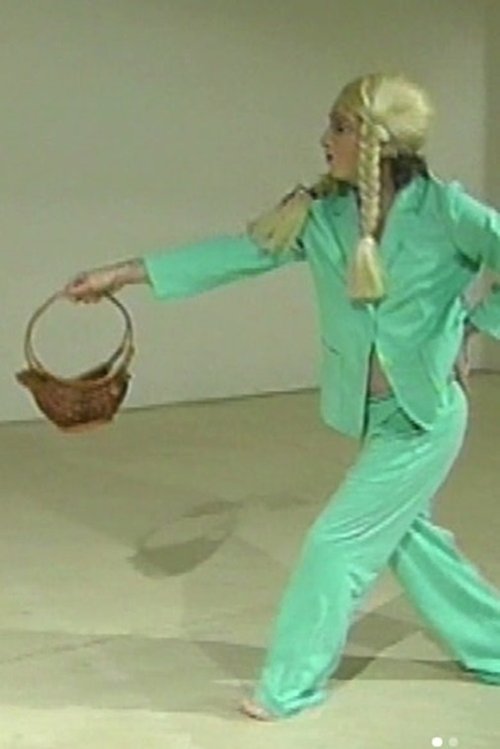
Following the piece Heidi, a loose interpretation of Joanna Spyri’s novel by the duo of Mike Kelley and Paul McCarthy, Kelley performed four dances with just an apparently innocent basket as a prop.
Heidi’s Four Basket Dances
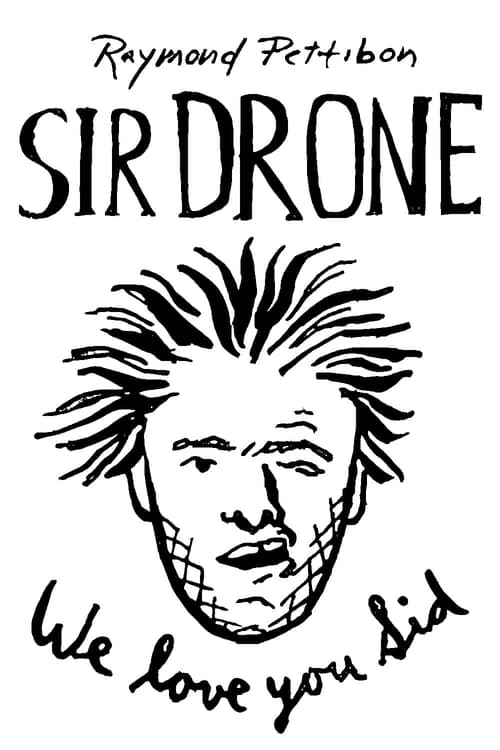
Three teenagers from the industrial part of Los Angeles try to form a punk rock band in Hollywood, in this feature length film by renowned artist Raymond Pettibon.
Sir Drone
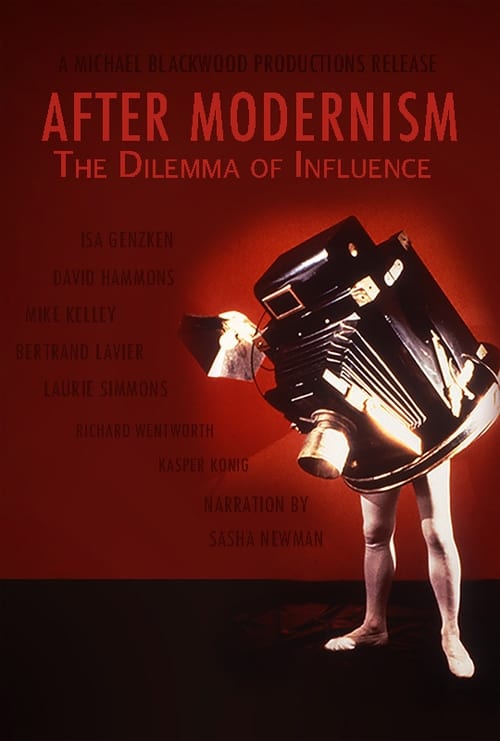
Since the 1960s, other disciplines, cultures, and artists previously excluded from modernism's privileged canons have become absorbed into an ever expanding field of activity and influence. Younger artists are a new breed of cultural scavengers, anything or anyone is fair game for appropriation or reinterpretation. Fascinated by notions of space, time and the human body, artists such as David Hammons, Laurie Simmons and Richard Wentworth have carved their own path through conceptual art.
After Modernism: The Dilemma of Influence
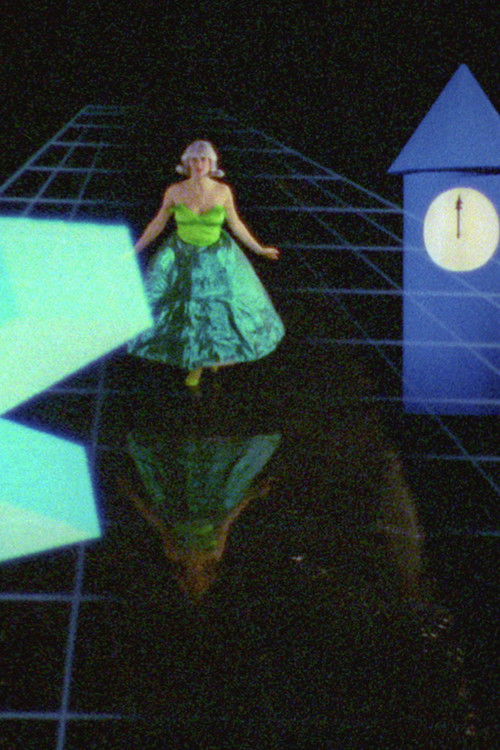
“CINDERELLA is a musical treatment of the fairy tale. I have broken apart the story and set it as a mechanical game with a series of repetitions where CINDERELLA is projected back and forth like a ping-pong ball between the hearth and the castle. She never succeeds in satisfying the requirements of the ‘Cinderella Game’. The film was shot MOS, the dialogue is lip-synched, and along with the out-front score and effects track magnifies the film’s sense of alienation.” — E.B. 1984 - Preserved by the Academy Film Archive in 2017.
Cinderella

Experimental video about child abuse. McCarthy: "I was given access to a community television studio for two days of shooting and one day of editing. I had been given the grant based on a proposal to do a video tape on child abuse. I taped for one day alone and one day with Mike Kelley. I asked Mike Kelley to be the son and I would be the father. There was no written script. After taping for two days, I edited the tapes, making two separate tapes: Family Tyranny and Cultural Soup. They are often shown together."
Family Tyranny (Modeling and Molding)
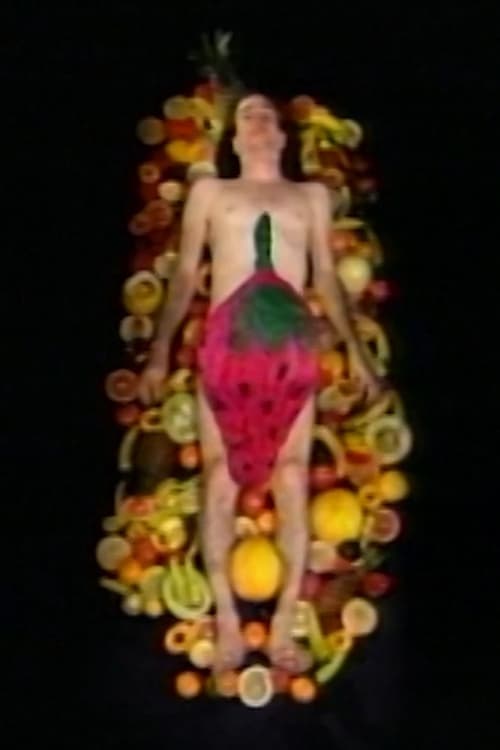
This collaborative video project is based on a short story by H.G. Wells called "The Country of the Blind"—about a man who travels to a country of blind people and attempts to dominate their sensual, feminine culture with his male, sight-derived power. Following this theme, "Blind Country" begins with animated fruit dancing over Mike Kelley's body and the admonition of "Northerners" to "refill the quickly emptying sack." In the male-dominated land of the North, candy-spurting pinatas stand as phallic symbols. Presumably castrated, and stripped of his authority, Kelley acts the buffoon as he is led through the murky land of the South, a "female," earthy, "realm of the senses" opposing the phallocentric world of the North.
Blind Country
In a dark no-place evocative of Superman's own psychic 'Fortress of Solitude' the alienated Man of Steel recites those sections of Plath's writings that utilize the image of the bell jar. Superman directs these lines to Kandor, the bell jar city that represents his own traumatic past, for he is the only surviving member of a planet that has been destroyed. Kandor now sits, frozen in time, a perpetual reminder of his inability to escape that past, and his alienated relationship to his present world. For us, Kandor is an image of a time that never was — the utopian city of the future that never came to be.
Superman Recites Selections from 'The Bell Jar' and Other Works by Sylvia Plath
Out O' Actions documents Kelley and McCarthy's preliminary activities in organizing a project for the Visitor's Gallery of the Museum of Contemporary Art Los Angeles during the inaugural exhibition of "Out of Actions: Between Performance and the Object 1949-1979." Mimicking the editing structure of Kurt Kren's documentation of Otto Muehl's action Mama und Papa (1964), the documentation of Kelley and McCarthy's curatorial preparations is presented as performative activity itself.
Out O' Actions
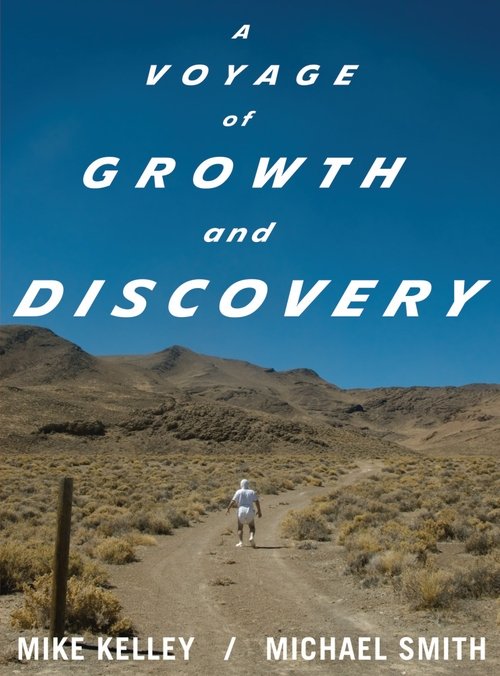
Mike Kelley and Michael Smith's feature-length video A Voyage of Growth and Discovery follows the existential journey of Baby IKKI over several days at Burning Man, a festival of "radical self-expression," famous for its presentations of large-scale displays of fire, held in the remote Black Rock Desert of Nevada. Baby IKKI, pre-lingual and of ambiguous age, is a character that artist Michael Smith has been performing for over thirty years.
A Voyage of Growth and Discovery
Legend Trip, a teenager’s story about exploring a haunted site at night, reconstitutes a childhood memory of Mike Kelley’s. It retraces, step by step (initiation – completion – retrospection), an invocation of Satan and a divination using the melted remains of plastic garbage bags that were burned during a ritual and in which shapes and faces appear.
Bridge Visitor (Legend-Trip)
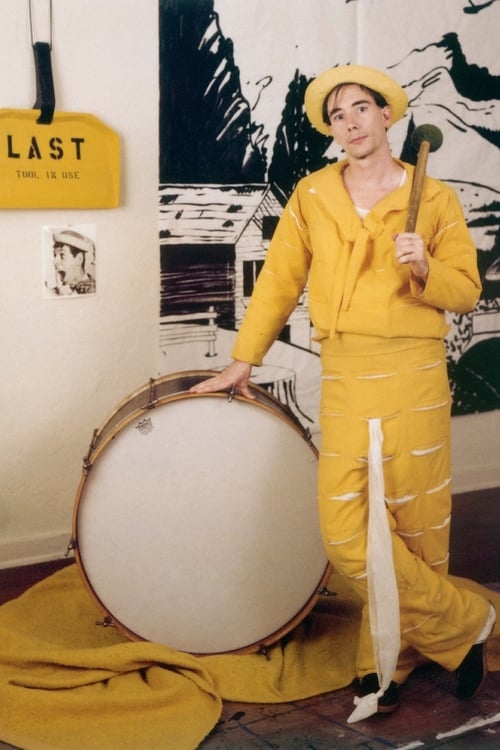
"This is my only truly solo video project. The tape is an exploration of character and was done in direct reaction to my performance work at the time, which was characterless. Video seemed a good way, by virtue of it not operating in 'real' time, of dealing with character and psychological motivation. 'The Banana Man' was a minor figure on a children's television show I watched in my youth. I, myself, never saw this performer. Everything I know about him was told to me by my friends. The Banana Man is an attempt at constructing the psychology of the character — problematized by the fact that the character is already a fictional one, and by the fact that none of my observations were direct ones."
The Banana Man
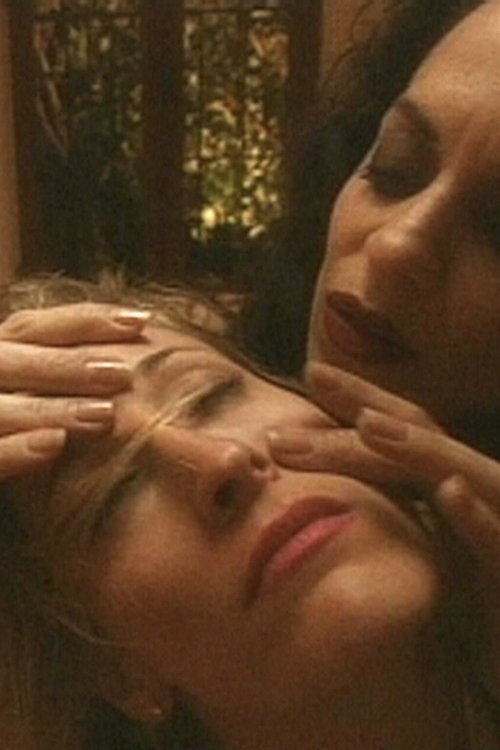
Artists McCarthy and Kelley re-stage classic 1970s performance pieces by Vito Acconci, with a decidedly ironic Southern California sensibility. States McCarthy: "[The piece] is a reference to art now, to a resurgence of the 1970s and an interest in youth in the art world. There are also references to Hollywood 8 movies and soft porn made in the Hollywood hills... In Fresh Acconci, the New York art scene is sandwiched with Hollywood. Two kinds of aesthetics overlap. The tape itself crosses lines of what is politically correct, exploitation and softening or obscuring the meaning."
Fresh Acconci
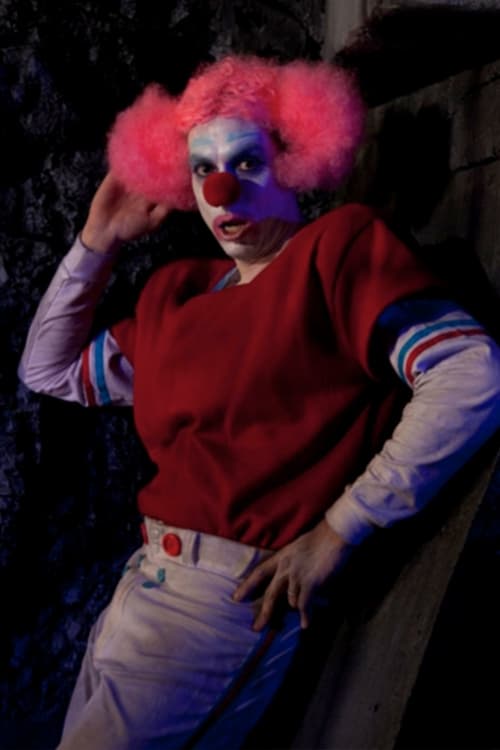
Continuing his series restaging photographs of “extracurricular activities” found in high school yearbooks and newspapers, Vice Anglais features an unsettling but humorous satire that collides psychosexual and sadomasochistic drama with a repertoire of parodic clichés derived from British Hammer Horror films. 2011. Video, color/sound, 24:15 min
Extracurricular Activity Projective Reconstruction #36 (Vice Anglais)
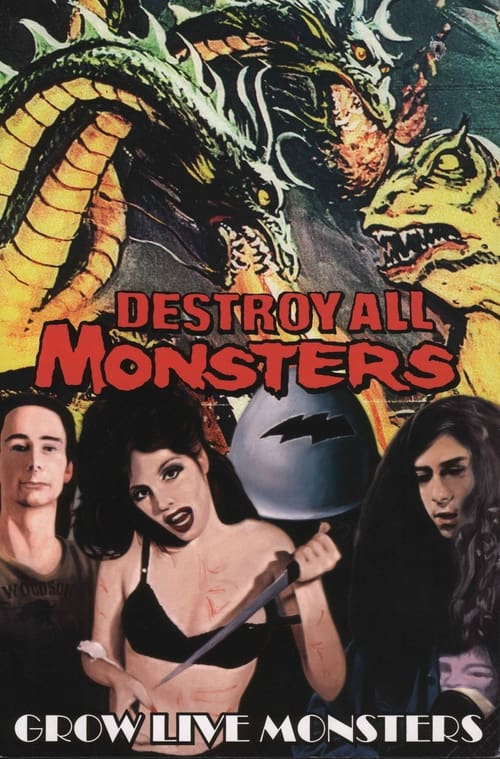
Grow Live Monsters is a selection of 8mm, super-8, and 16 mm film phantasies from the period 1971-76. While still at high school Cary Loren started a correspondence with underground filmmaker, actor, and performance artist Jack Smith, which led to a meeting in the summer of 1973. Shortly after that the artists’ band Destroy All Monsters was formed by Mike Kelley. Jim Shaw, Cary Loren, and Niagara. Most films on this DVD revolve around this group of friends and the music they produced in basements and during live performances.
Grow Live Monsters
In this video, dancers move about a set designed by Mike Kelley, interacting and silently commenting on various choreographies: Martha Graham’s “mythological” dances, gestures derived from the observation of monkeys’ behaviours in Harry Harlow’s experiments conducted in the 1960s, and violent, “cathartic” behaviours described in the films by the psychologist Albert Bandura about the effects of televised violence on preschool-aged children.