Acting
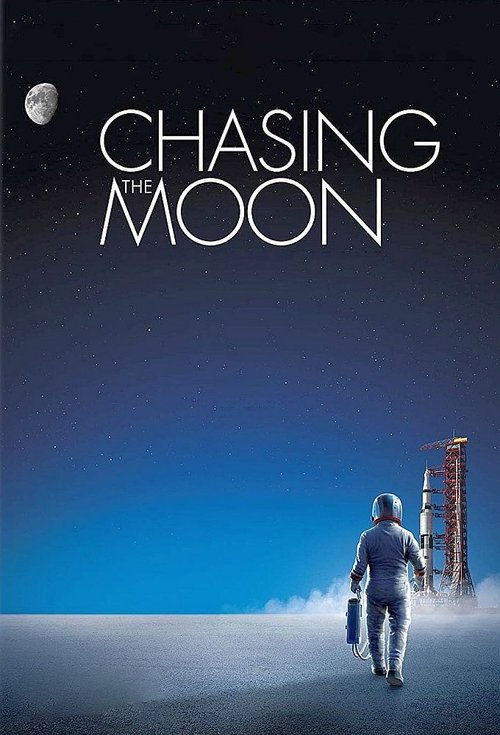
An unprecedented look at the decade-long odyssey to land a man on the moon. This documentary pulls back the curtain on the familiar narrative of the moonshot, revealing a fascinating stew of scientific innovation, political calculation, media spectacle, visionary impulses and personal drama.
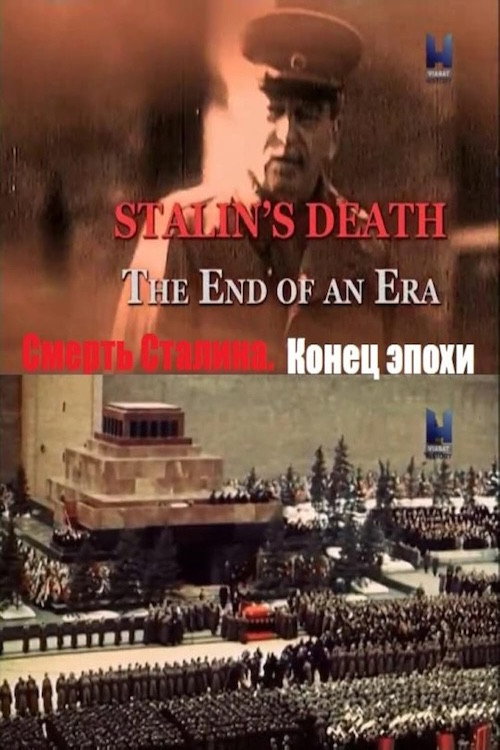
Moscow, March 5th 1953. Stalin is dead. One day later, he is lying in state in an open coffin. Over one and a half million people move through the streets of Moscow. A last farewell for the man they worship like a god. Eyes full of tears. For three days they mourn in deep grief the loss of their "Leader" - their "Father", the "Greatest Man of our Time". During five minutes of silence throughout the East Bloc time seems to stop, as the coffin is laid to rest in the Mausoleum at the Red Square. They can't believe that he has left them. How can we go on without Stalin? What will become of us? The sudden death of Stalin creates a gigantic vacuum. The documentary takes a in-depth look at the story of a dramatic historical impact in the middle of the 20th Century. It tells about the tremor, the fear and the hope of the people. The contrariness appears as much as the bizarre and the absurd. 1953 strongly changed the history of the Soviet Union and the Eastern Bloc.
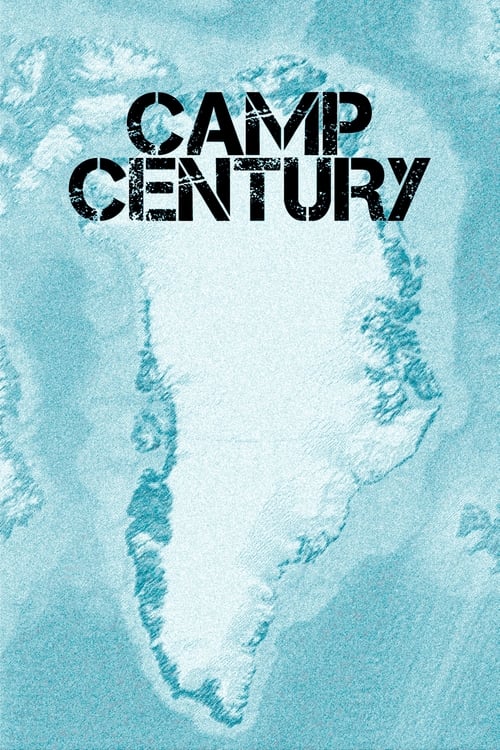
How in 1959, during the heat of the Cold War, the government of the United States decided to create a secret military base located in the far north of Greenland: Camp Century, almost a real town with roads and houses, a nuclear plant to provide power and silos to house missiles aimed at the Soviet Union.
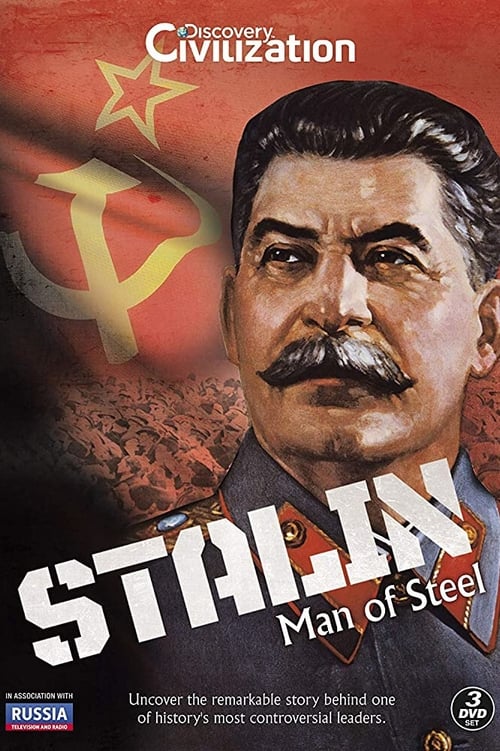
Emmy Awards nominee for "Outstanding Individual Achievement in a Craft: Research: Multi-faceted portrait of the man who succeeded Lenin as the head of the Soviet Union. With a captivating blend of period documents, newly-released information, newsreel and archival footage and interviews with experts, the program examines his rise to power, deconstructs the cult of personality that helped him maintain an iron grip over his vast empire, and analyzes the policies he introduced, including the deadly expansion of the notorious gulags where he banished so many of his countrymen to certain death.
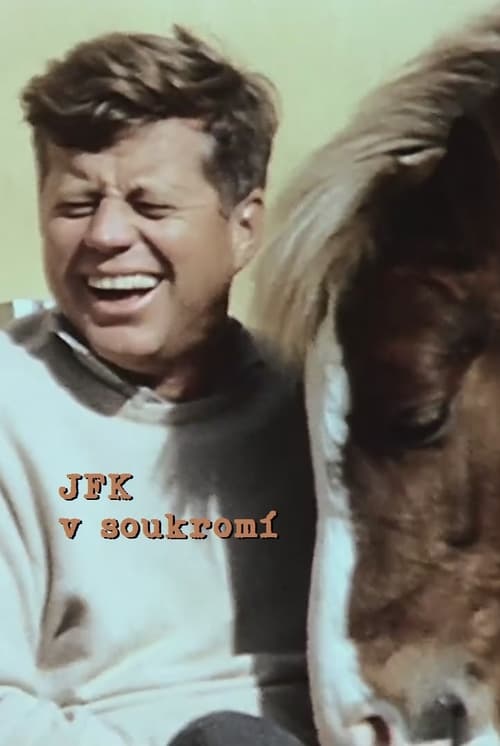
In January 1961, a new generation in the guise of John F. Kennedy moved into the White House. All of a sudden politics were youthful, dynamic and sexy. During the brief period in which he was in office, the first pop star of politics accompanied America through the darkest days of the Cold War. At the same time, his signal to embark in new directions was eagerly welcomed by younger generations all around the world. Later on, Jackie Kennedy was to compare his presidency with Camelot - the legendary court of King Arthur. Yet, there were also dark sides to this popular president's life.
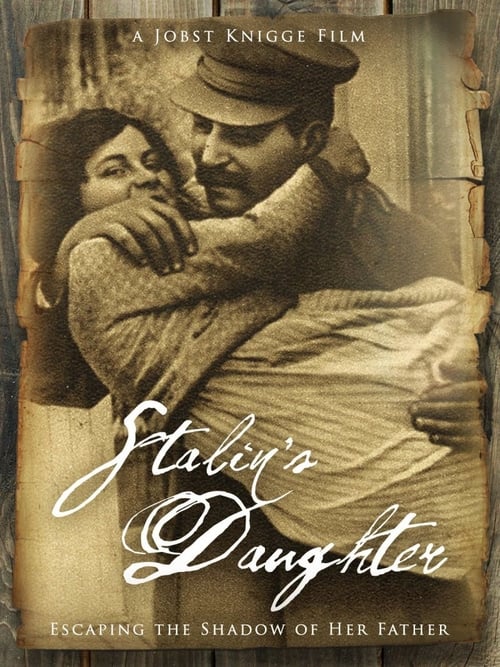
A shock wave started as Stalin's daughter Svetlana Iosifovna Alliluyeva fled to the West. During her childhood, she remained at the center of power and was her father's favorite child. However, her life was overshadowed by death and violence. Her mother and brother died, family members were murdered, and her partner was exiled by Stalin. The Iron Curtain was an obstacle in her family dream. This documentary shows for the first time interviews with friends and relatives, exclusive photos and documentation, as well as the last and never broadcast interview with Alliloejeva.
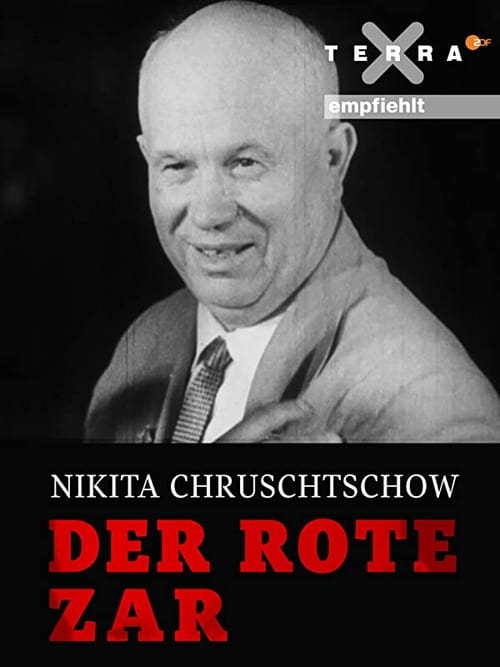
Nikita Khrushchev was a devoted supporter of Stalin, but eventually put an end to his predecessor's regime of terror. In this documentary his family members, along with historians, bring to life his story and a piece of Soviet history.
About the Russian sculptor Ernest Neizvestny, his life and work.