Yvan Gaillard
Editing
Known For
A French current affairs show.
La Case du siècle

A documentary tracing the career of filmmaker François Truffaut through the testimony of collaborators and admirers.
François Truffaut, une autobiographie
D-Day, June 6th, 1944. As the Allies storm the beaches of Normandy, Hitler orders the return of the Das Reich, the infamous Panzer elite division known for its mass murders in Ukraine and Belarus, based at that time in southwest of France. Its mission: to push the Allies back into the Atlantic and turn the tide of the conflict in favor of the Nazi Germany.
Das Reich: Hitler's Death Squads

Catherine Deneuve couldn’t care less about being a celebrity, but fame made her an icon long ago and she occupies a special place in our imagination. The star is not one to let others get too close, but when she gives you her confidence, she keeps her word. If Deneuve’s career covers a half-century of cinema, it also bears witness to the force of a generation that experienced the deepest transformation of mores. This portrait reflects her entirely. The story of a mystery and an adventure.
Catherine Deneuve, belle et bien là
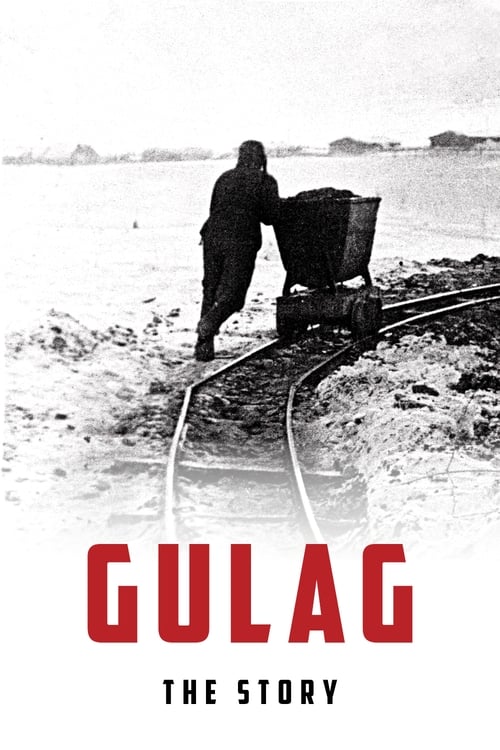
A major political, historical, human and economic fact of the 20th century, the Gulag, the extremely punitive Soviet concentration camp system, remains largely unknown.
Gulag, the Story

In the summer of 1963, François Mitterrand was going through a deep existential crisis. His political career was at a standstill and, after 19 years of marriage, the couple had grown apart. It was at this point that François Mitterrand met the woman who was to give new meaning to his life. Anne Pingeot, aged 19, was to become the companion of a lifetime, a woman who would be with him throughout his rise to power and who would remain by his side until his last breath. For the first time, Anne Pingeot has agreed to allow the fragments of this passionate love story — hundreds of letters and a diary — to be shown on television, before being donated to the National Library.
François Mitterrand & Anne Pingeot: Pieces of a Love Story
Charles de Gaulle, the first president (1958-1969) of the Vth Republic, France’s current system of government, left his mark on the country . He was statesman of action and has been compared to a monarch. This film depicts the general’s personality through the great events of his presidential term, at a time when the world was undergoing considerable changes.
De Gaulle, the Last King of France
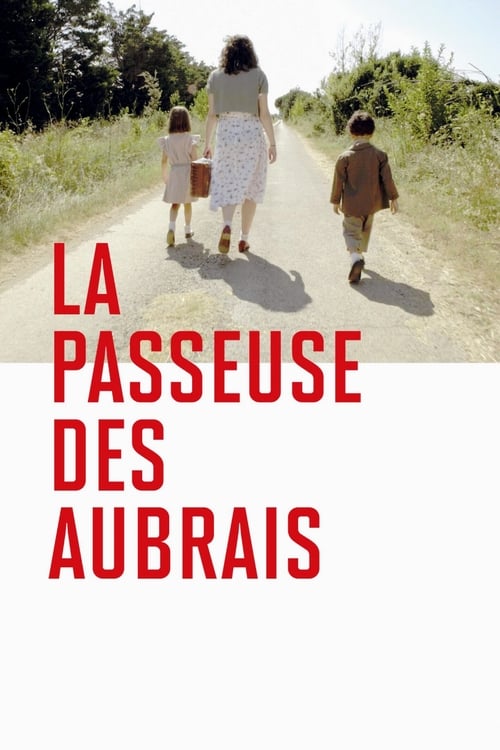
A captivating and personal detective story that uncovers the truth behind the childhood of Michaël Prazan's father, who escaped from Nazi-occupied France in 1942 thanks to the efforts of a female smuggler with mysterious motivations.
The Smuggler and Her Charges
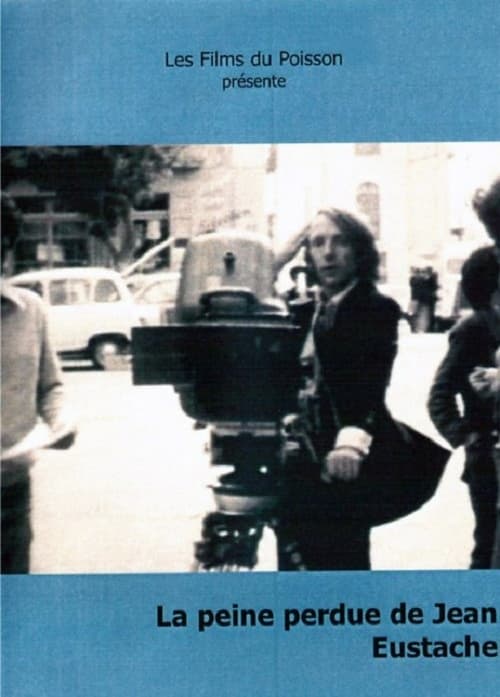
Ángel Díaz’s documentary The Lost Sorrows of Jean Eustache, concentrates on Eustache as cinematic thinker and archivist of his own life. Actors read texts written by Eustache, including the following reflection: “The role of the author in cinema should be one of non-intervention.” This sentence reminds us that he belongs to the greatest of film traditions (he cites Griffith, Renoir, Dreyer, and Lang as his models), the one that sees cinema as a matter of placing the camera in front of reality and capturing it ardently, precisely, and without tricks.
Jean Eustache's Wasted Breath

No description available.
Lionel raconte Jospin
No description available.
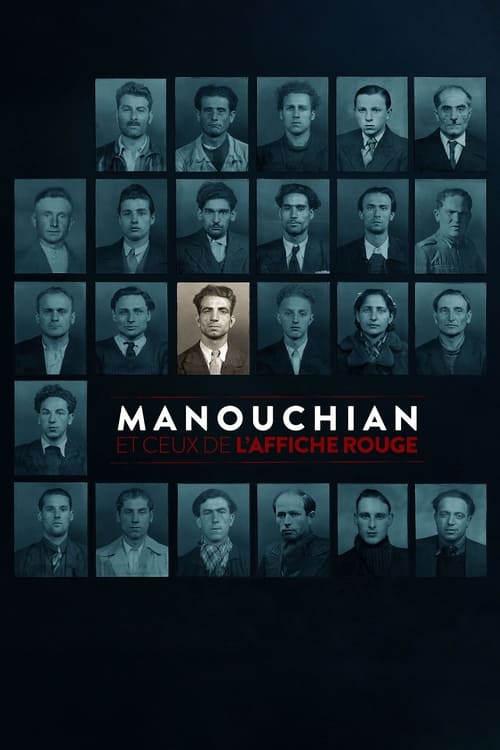
Manouchian et ceux de l'Affiche rouge

No description available.
S.T.O. Les oubliés de la victoire

In 1998, Ludovic Cantais followed Hubert Selby Jr in his daily life and made him talk about the genesis of his work, his writing, his doubts and his obsessions.
Hubert Selby Jr, a couple of things
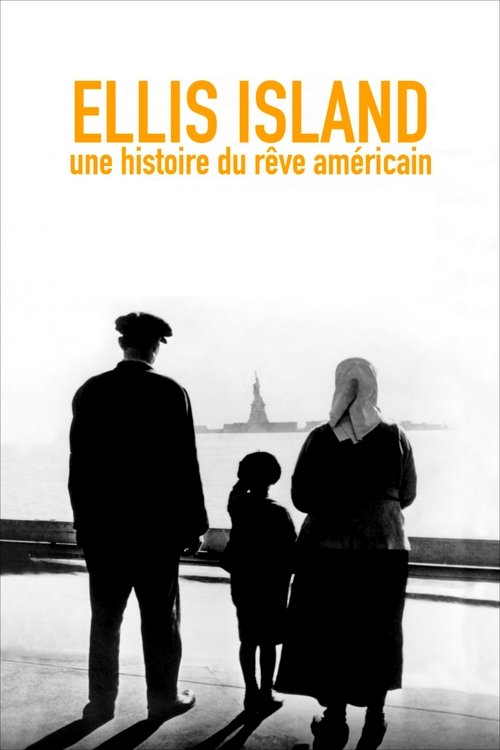
In 1892, Ellis Island, in New York Bay, became the main gateway to the United States for immigrants arriving increasingly from Europe. The story of immigration to the United States from 1892 to 1954, an enthralling polyphonic narrative that embraces both small and great history.
Ellis Island, une histoire du rêve américain
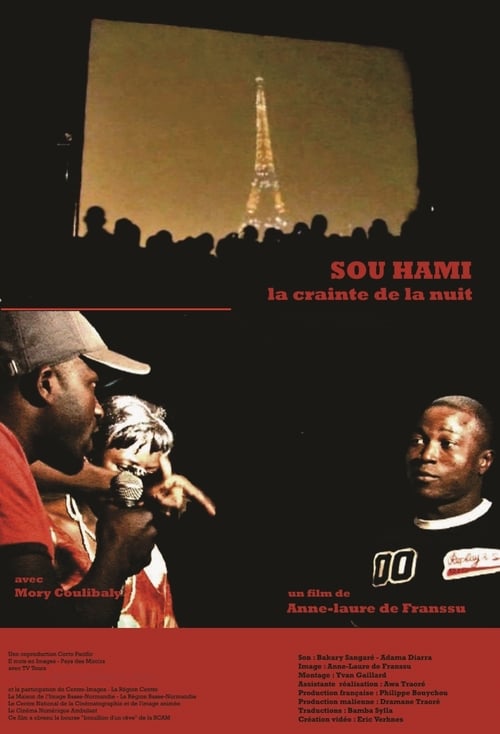
No description available.
Sou Hami, la crainte de la nuit
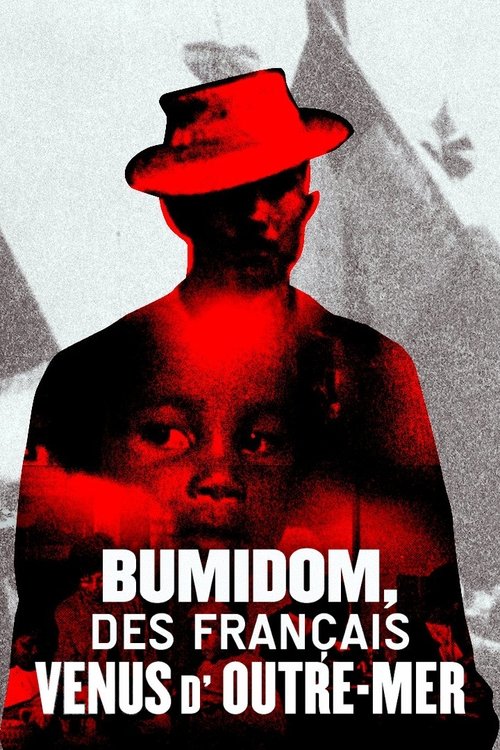
The Bumidom (Office for DOM Migration, Bureau des migrations des départements d'Outre-mer) was founded in 1963 by Michel Debré, following a state visit in Réunion with General Charles de Gaulle. Millions of people were sent to Paris and to the French back-country, a one-way trip which, according to Aimé Césaire, was close to deportation. The living conditions in the mainland were far different from what had been promised beforehand. Jackie Bastide gives a voice to those who have lived through the Bumidom and had to suffer from a migration that was meant to be the road to a better life.