Dieter Süverkrüp
Sound
Known For
The show was meant to compete with those on West German television. To this end it was fairly successful even attracting a following in parts of West Germany which could receive Eastern TV. Its production values were high. Apart from song and dance numbers and appearances from East German celebrities, almost every broadcast featured well-known stars from the west, often after their popularity had peaked in their home countries.
Ein Kessel Buntes
No description available.
Deutscher Kleinkunstpreis
No description available.
Requiem für ein Ekel
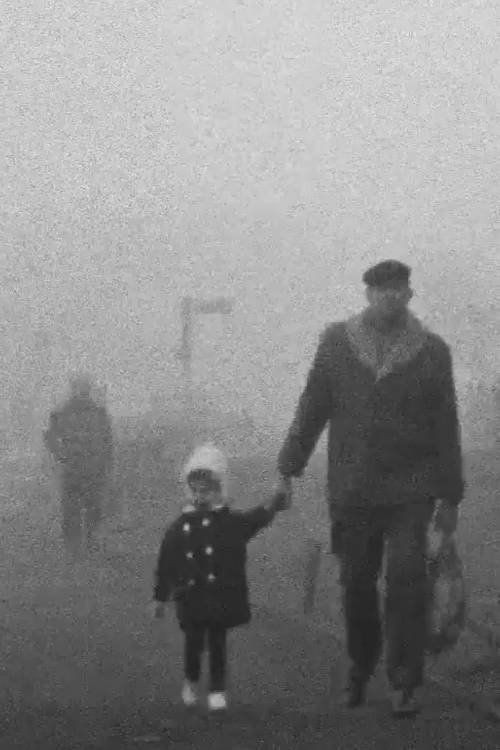
This dialogue-free short is edited to music and the rhythms of change in a small town in the Ruhr region, shot a few years after the first mining pits were closed in the area. Nestler takes his audience on a journey through mining pits, coal heaps, cold stores, and to workingmen settlements and pubs of Mülheim.
Mülheim on the Ruhr
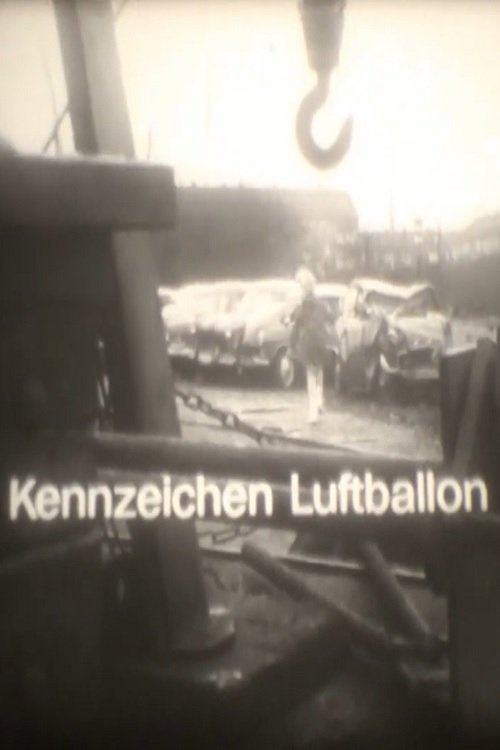
Based on court records, this award-winning documentary feature film directed by Peter Pewas reconstructs a traffic accident in Essen in which three people were directly involved and in which twelve-year-old cyclist Dieter Pahl was killed.
Kennzeichen Luftballon
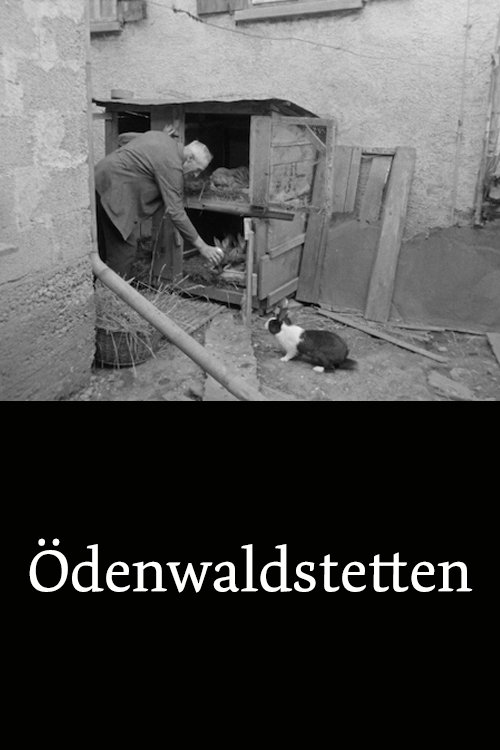
Portrait of a small south German village and its residents in the early sixties. Rural culture is undergoing a transformation caused by the intrusion of the industrial world. Gestures at work and words of its inhabitants.
Ödenwaldstetten
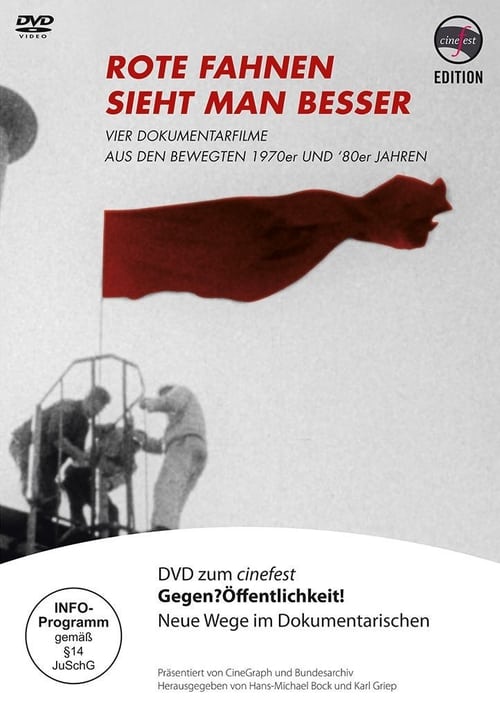
Documentary about the closure of a chemical plant in Krefeld and its effects on the employees.
Rote Fahnen sieht man besser
In a 13-minute navigation, Nestler takes us downstream the Rhine River. The opportunity of cheap water transport kept prices of raw material down and made the Rhine one of the most important arteries of industrial transport in the world.